

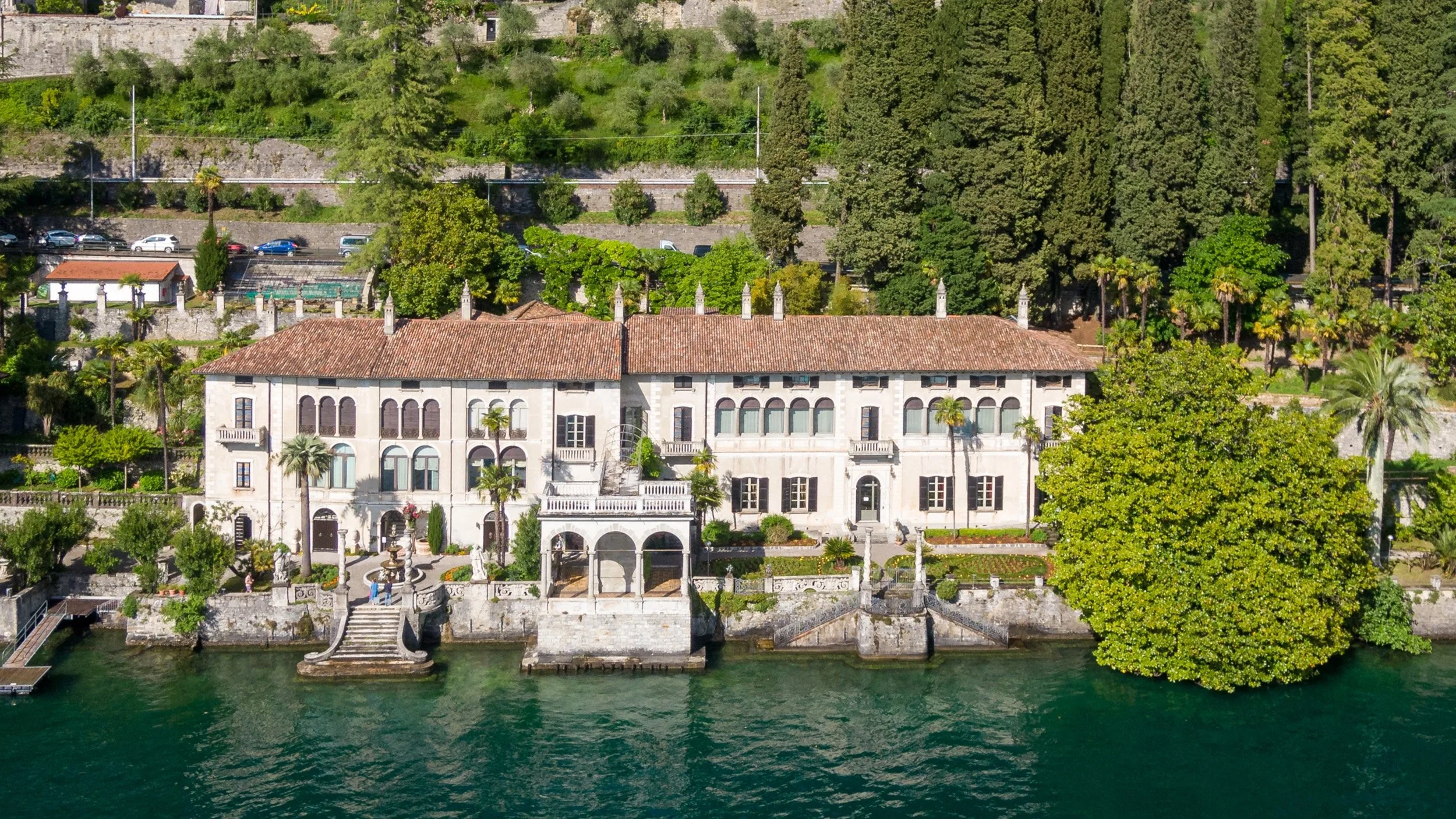
Villa Monastero on Lake Como
Image © — @villamonastero_official
MUSEUM
Villa Monastero Carries Nine Centuries of Lake Como History
On the eastern shore of Lake Como, a former Cistercian nunnery has become a house museum, cultural venue and botanical garden shaped by centuries of ownership, taste and landscape
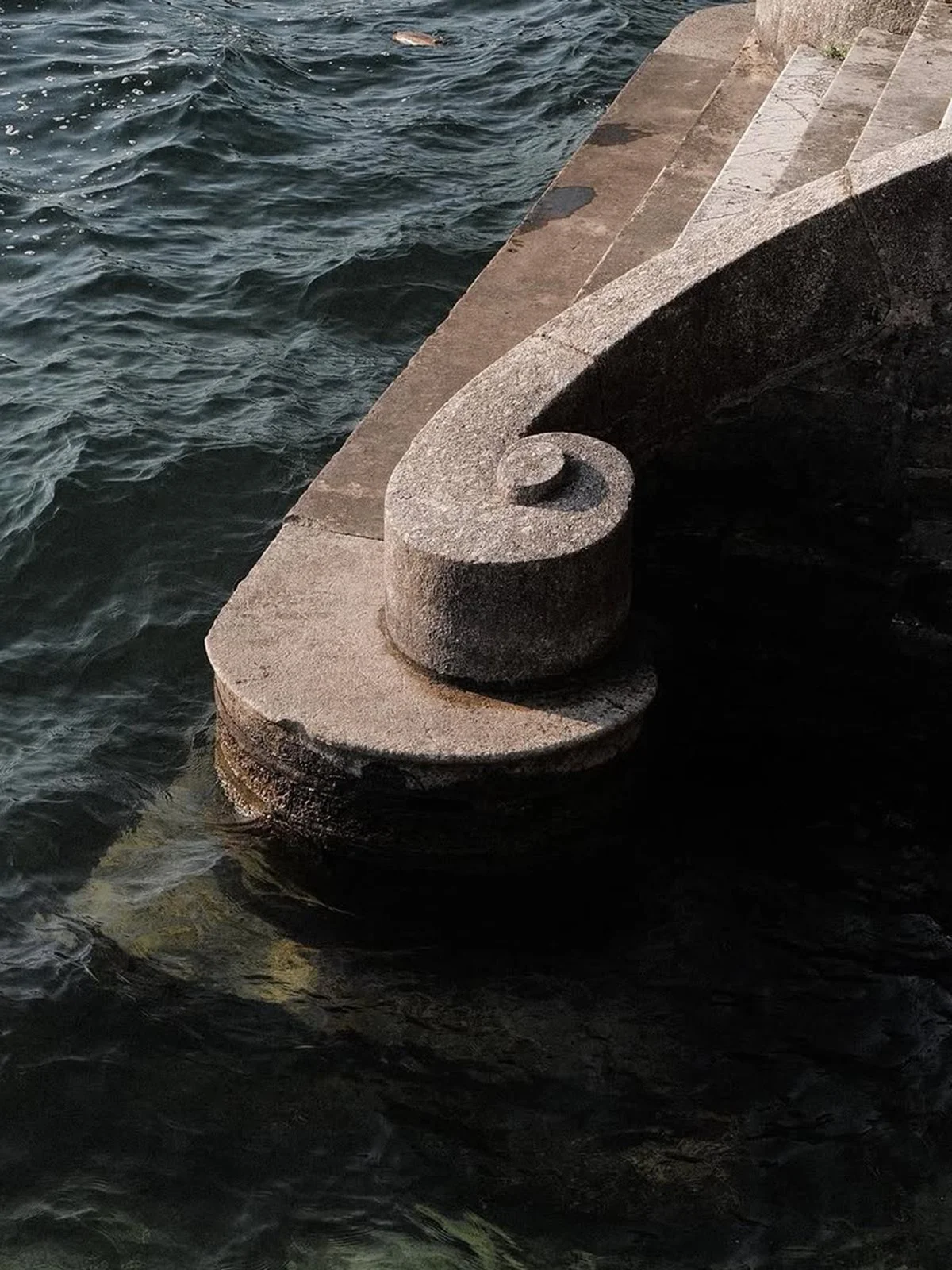
Sculptural stairs to Lake Como at Villa Monastero
Image © — @olenyka
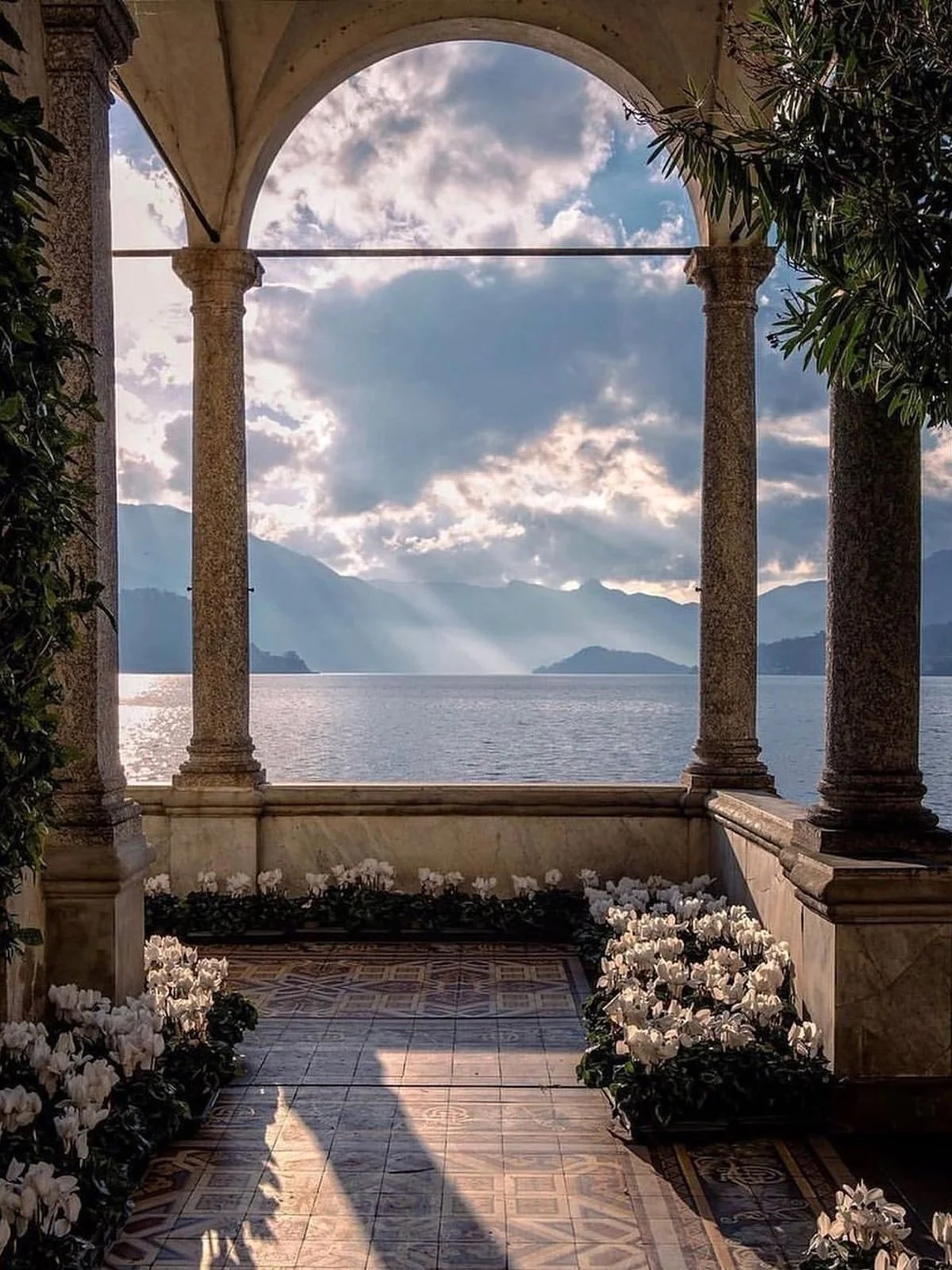
Framed sun-drenched rain
Image © — @sae_snaps
On the shore of Lake Como, Villa Monastero occupies a position of rare clarity. The estate stretches along the water near Varenna, its architecture and gardens following the edge of the lake rather than withdrawing from it. Today, the complex is owned by the Province of Lecco and is considered one of the area’s most important historical, landscape and environmental sites. Yet its beauty is not the result of a single period or gesture. Villa Monastero has been formed slowly, through more than nine centuries of religious, domestic and cultural life
The villa now appears largely as a late 18th-century residence, but its origins reach much further back. At the end of the 12th century, the site was established as a Cistercian nunnery dedicated to the Holy Virgin, connected to the convent at nearby Lenno. That monastic beginning still gives the property its name, though the building would later move far beyond its original religious function
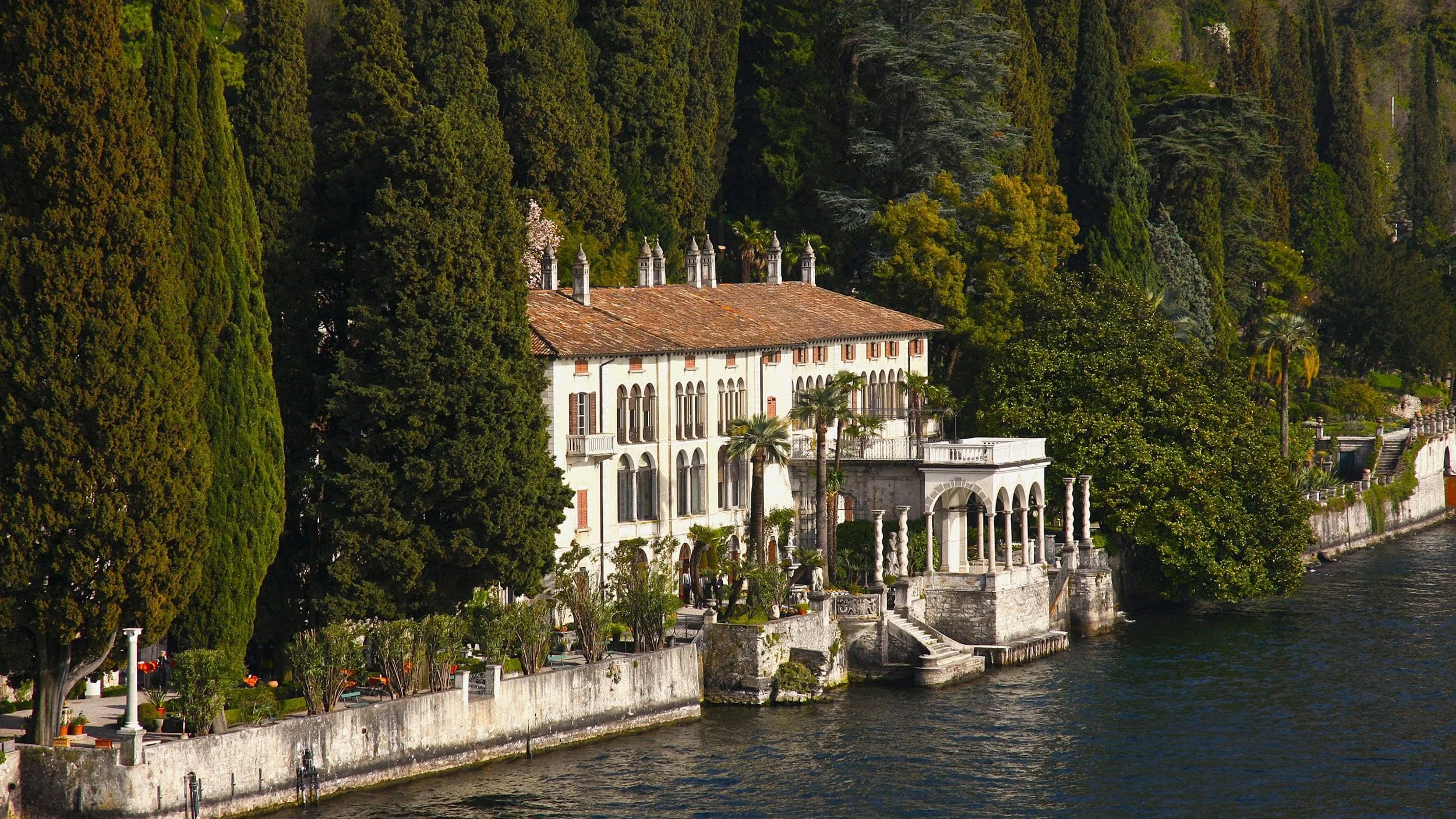
Villa Monastero on Lake Como
Image © — Daniele Zoccola / @villamonastero_official
In the mid-16th century, the Mornico family acquired the property and held it for more than three hundred years. During this long period, it became known as Villa Leliana and gradually assumed the character of a private residence. Subsequent Italian and foreign owners continued to alter and refine the estate, leaving behind layers of taste, decoration and domestic memory. In 1939, the villa was donated and became regional property, later opening to the public as a museum
Villa Monastero is now a house museum, with rooms displaying objects connected to the many owners who shaped its history. This accumulated interior life is central to the experience. Rather than presenting one perfectly fixed moment, the villa reveals a sequence of occupations. Furniture, decorative works and personal objects suggest the changing habits of those who lived here, while the architecture itself carries the evidence of repeated adaptation
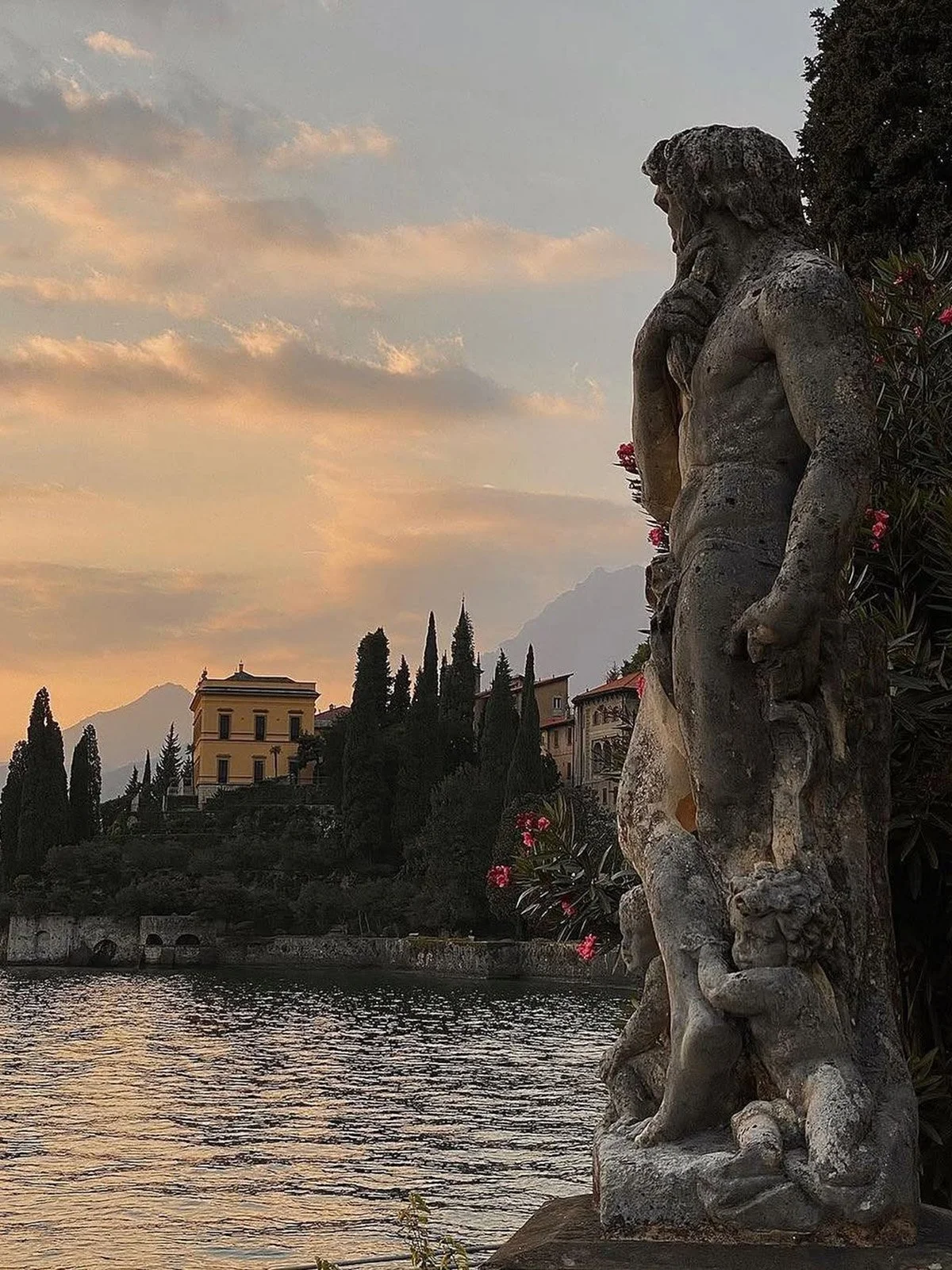
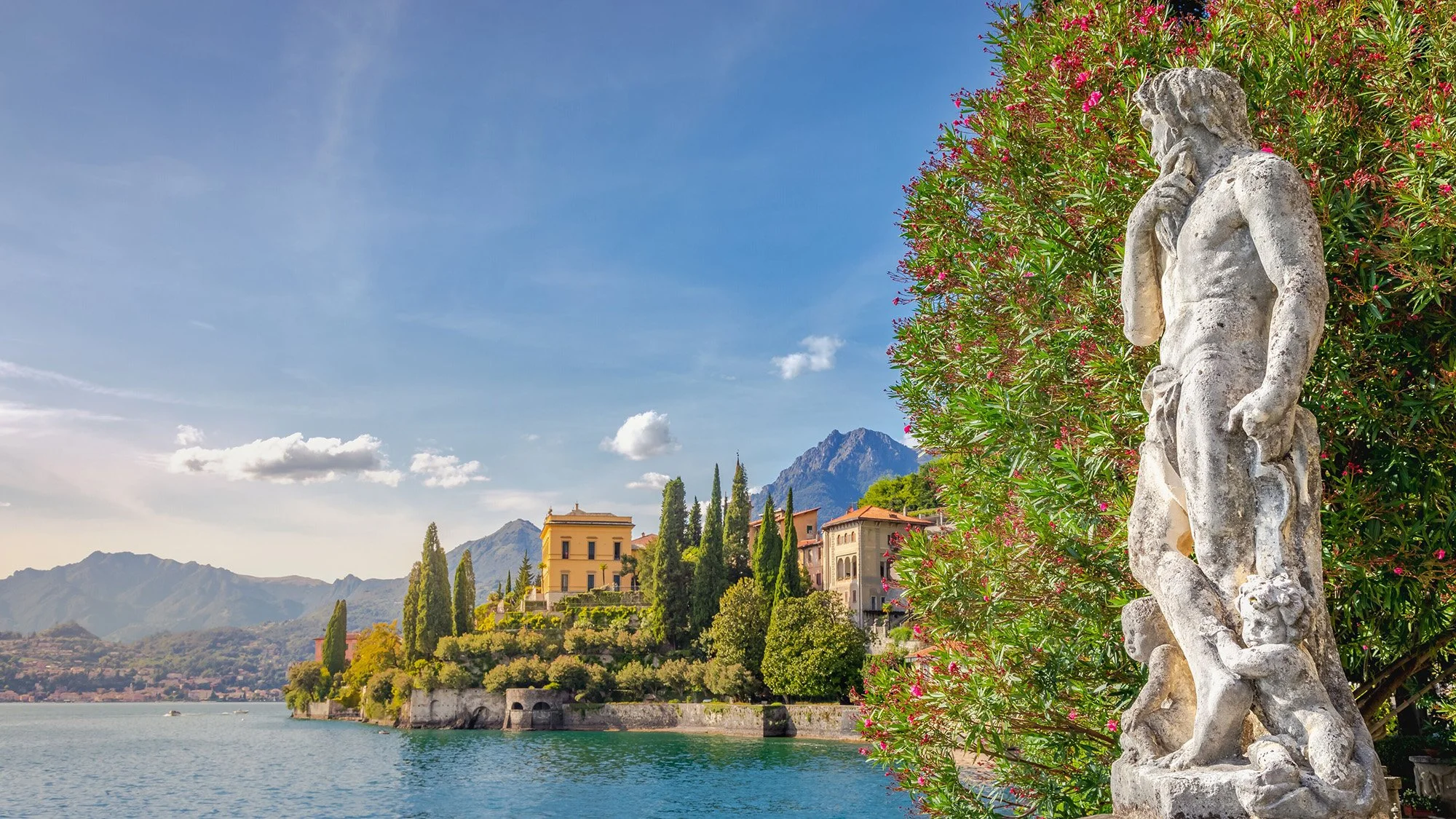
Weathered statue on Lake Como
Image © — @apristupa
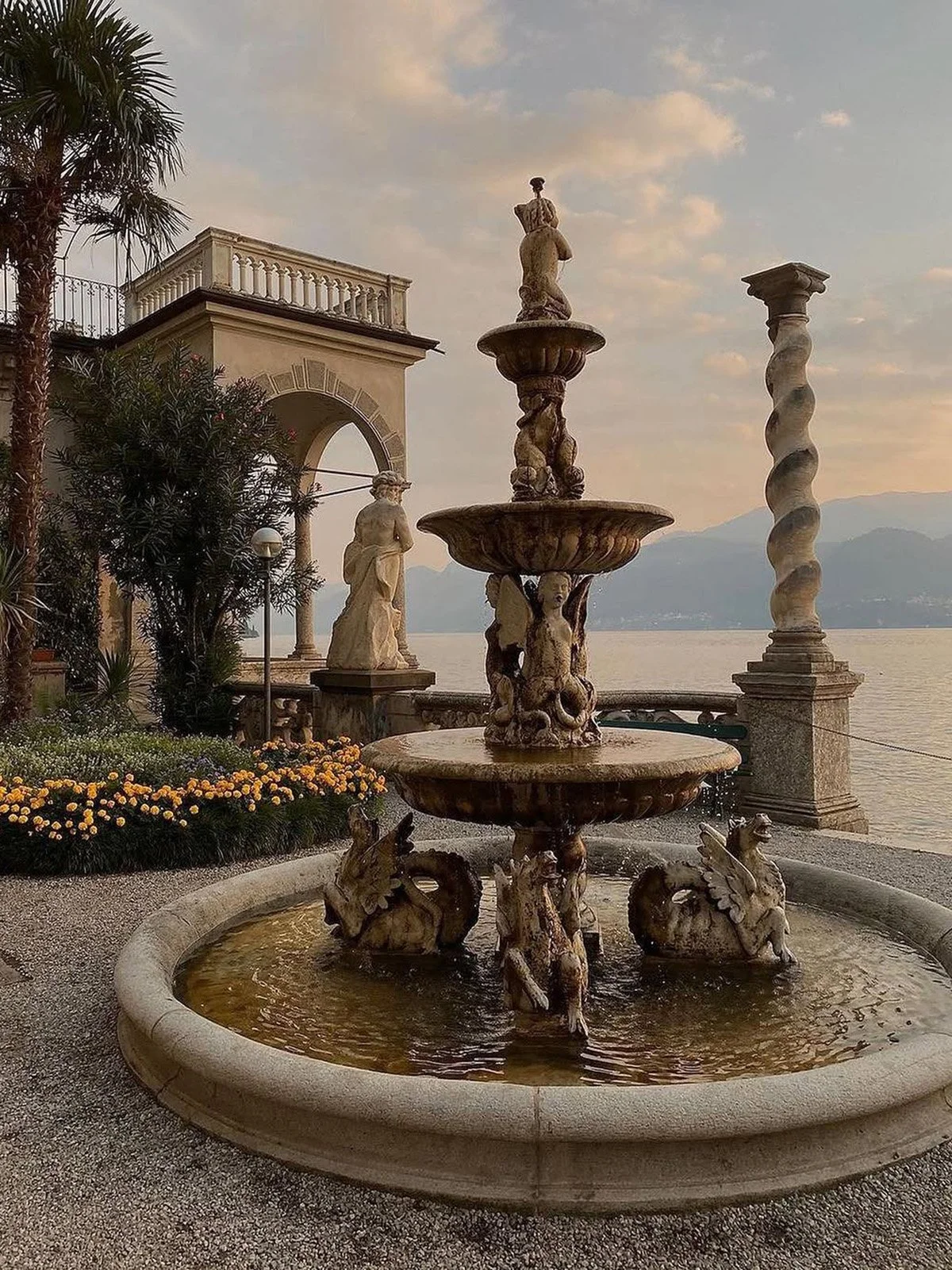
Stacked carved stone water fountain
Image © — @apristupa
The estate also has a long association with intellectual and artistic life. In the 18th century, prominent Italian and foreign cultural figures frequented the villa while it was still inhabited. That tradition continues in a contemporary form through its use as an internationally recognised convention centre. The building now moves between museum, cultural venue and historic residence, allowing its rooms to remain active rather than sealed into nostalgia
Yet Villa Monastero’s strongest architectural experience may be its relationship with the garden. Extending for almost two kilometres along the lake shore, the botanical garden surrounds the villa in a sequence of terraces, paths and planted rooms. Over time, the garden has been structured according to different patterns, yet it retains a coherent rhythm: architecture, planting and water continually returning to one another
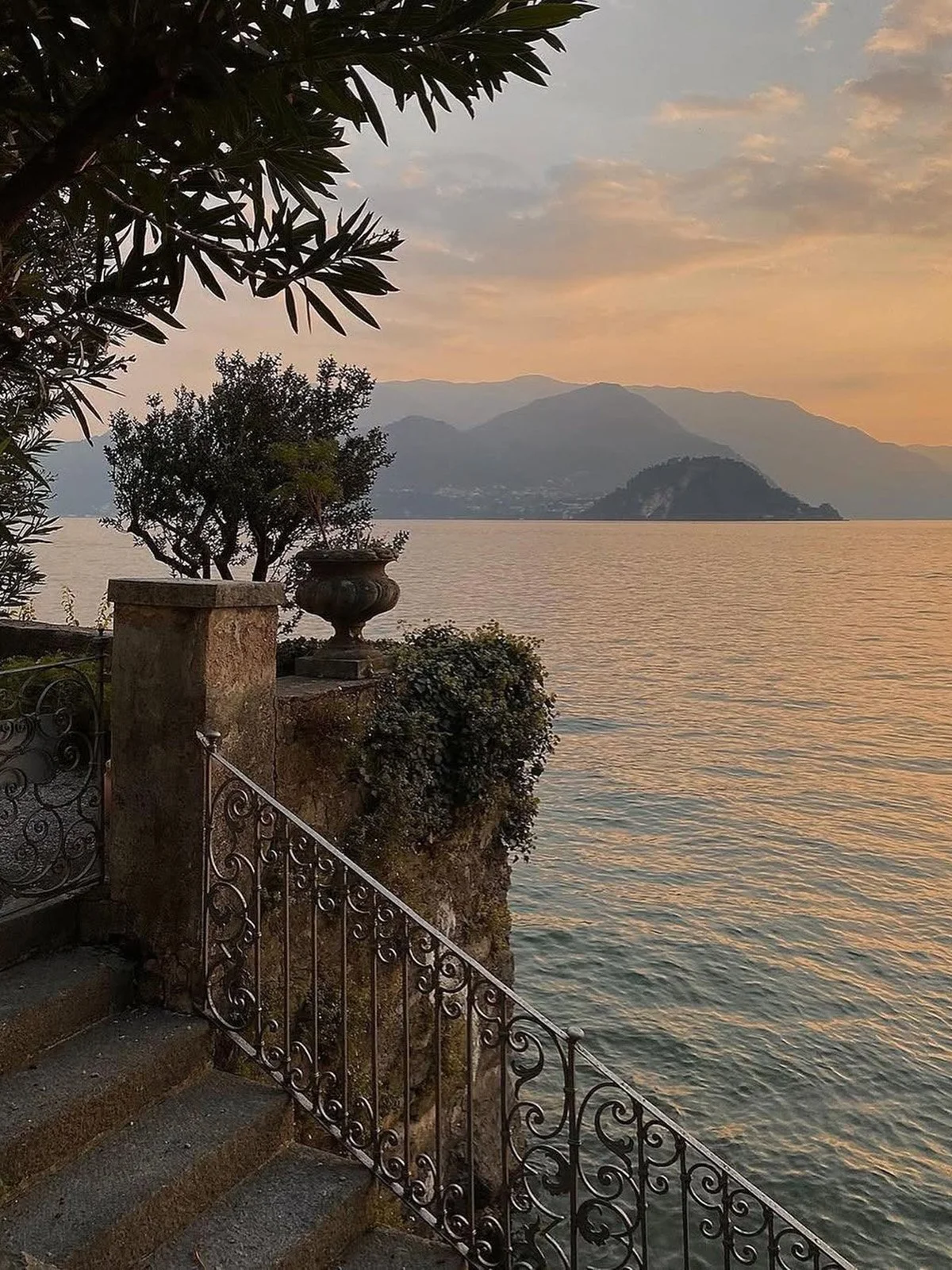
Intricate railing detail leading Lake Como
Image © — @apristupa
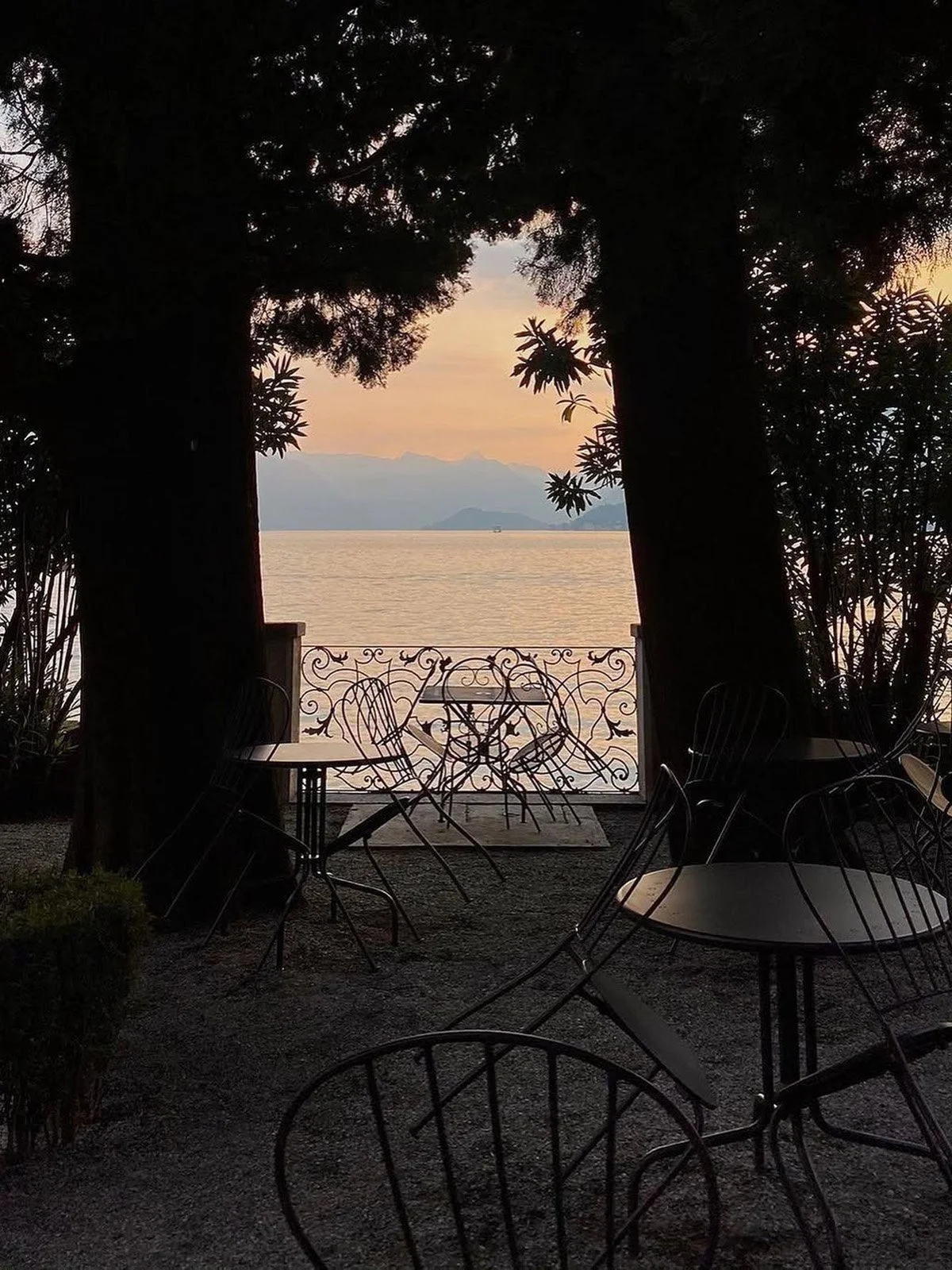
Quiet outdoor seating
Image © — @apristupa
The mild climate of Lake Como allows botanical species from around the world to flourish here. Rare plants grow alongside more familiar Mediterranean forms, with new species introduced each year. The result is not simply a picturesque garden attached to a historic villa, but a living collection shaped by geography, climate and continual care
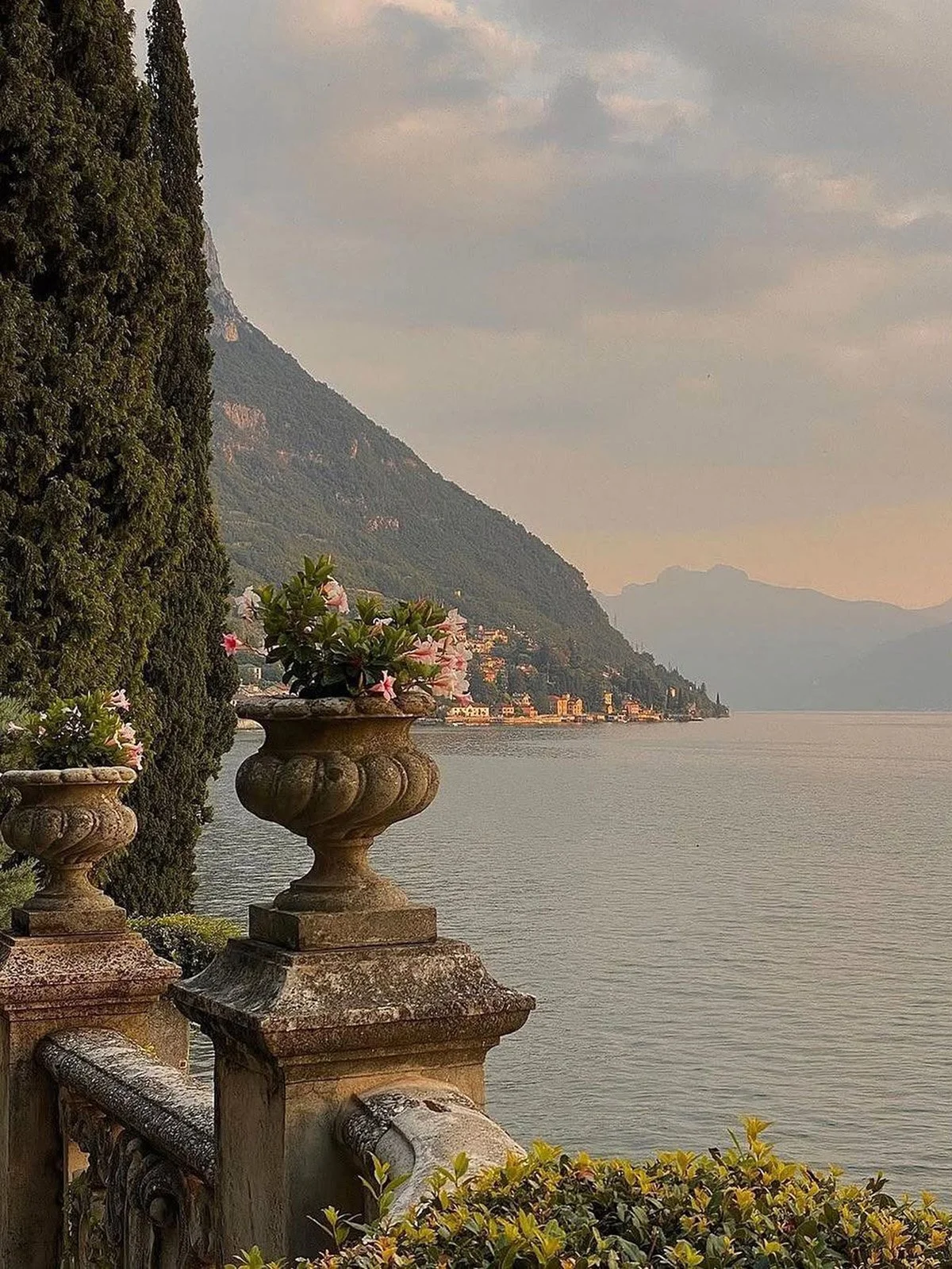
Flowers line the water’s edge
Image © — @apristupa
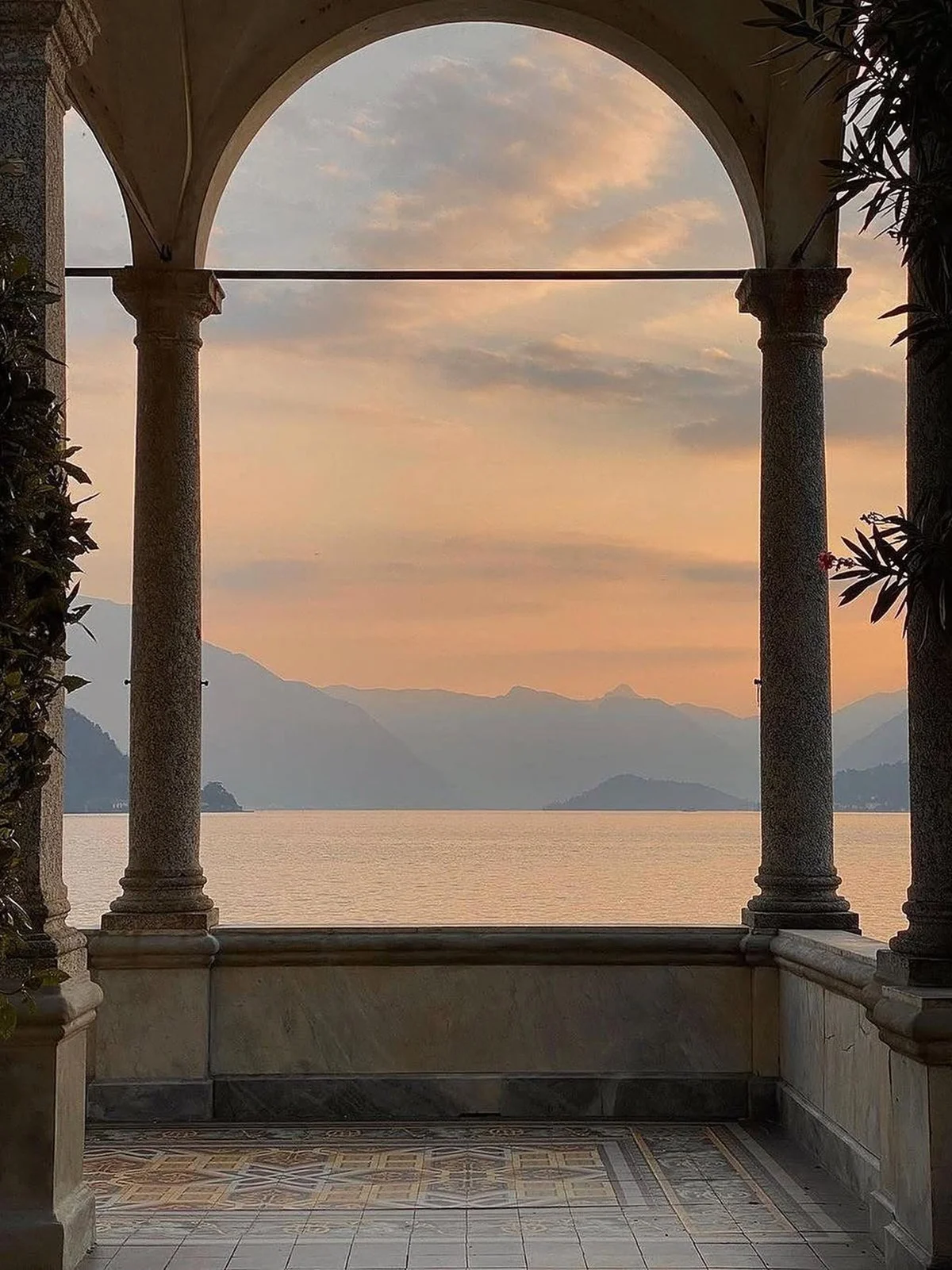
Villa Monastero in subtle light through the arches
Image © — @apristupa
Villa Monastero’s power lies in this combination of endurance and change. A Cistercian nunnery became a noble residence, then a house museum, then a cultural destination known beyond Italy. Around it, the botanical garden continues to evolve along the lake edge, softening the passage between stone and water. After four centuries as one of Lake Como’s most distinctive residences, and nine centuries since its earliest foundation, Villa Monastero remains a place where history is not only preserved, but still visibly growing
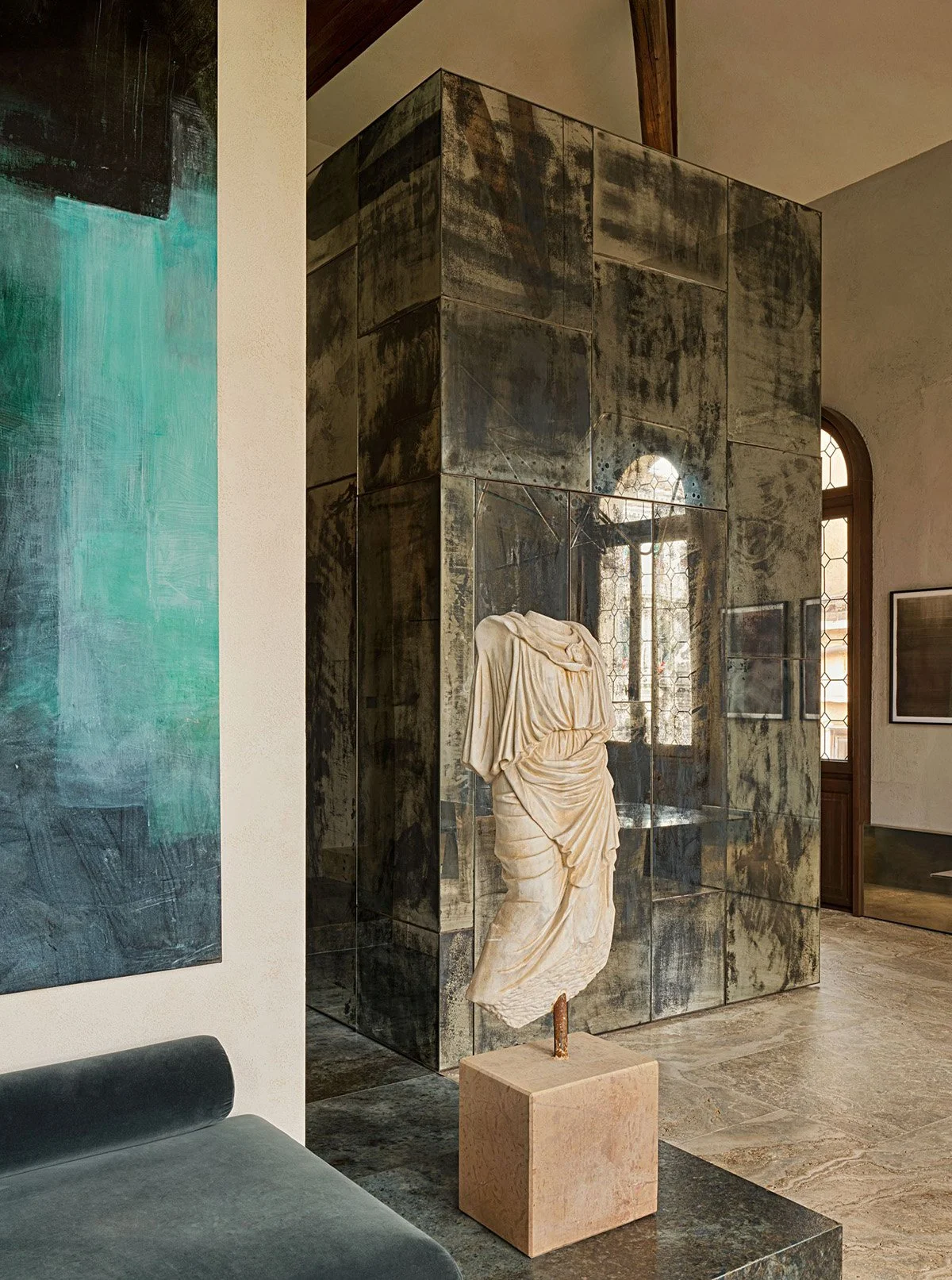
Vincenzo De Cotiis Reframes Venetian Light at Palazzo Salviati
—
Within a 19th-century palazzo built for one of Venice’s great glassmaking families, the designer uses travertine, bronze and mirrored surfaces to create a contemporary home shaped by the movement of light
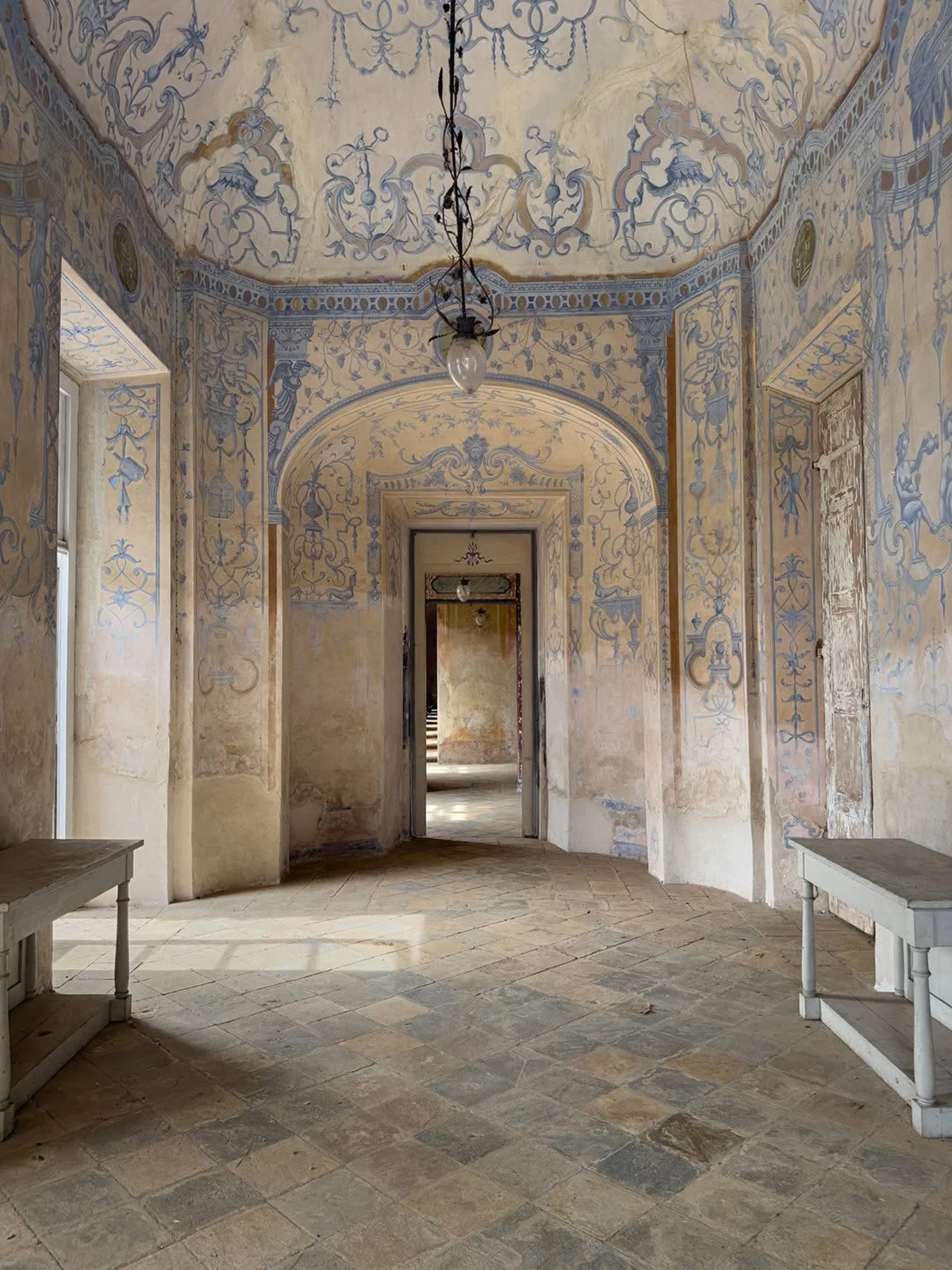
Castello Ducale di Agliè, the Faded Savoy Residence Where History Still Clings to the Walls
—
North of Turin, a 300-room castle preserves seven centuries of noble life through frescoed rooms, worn stone floors, painted doors, romantic gardens, and the quiet drama of interiors left almost exactly where time placed them