

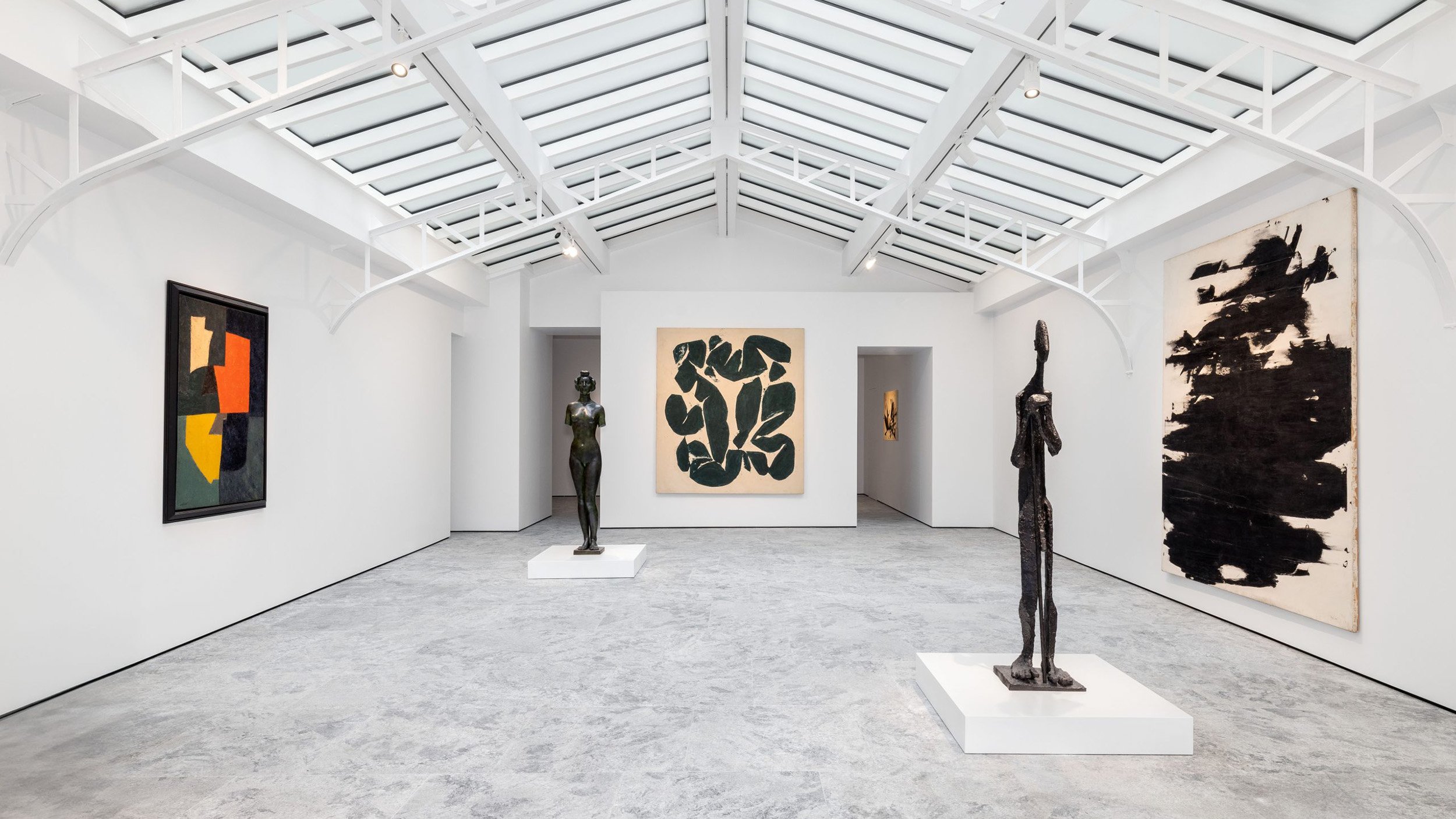
Charles Pollock, Painting contained in its place, 53 Rue de Seine
Image © — @galerie.dinavierny
ART & OBJECT
The Saint-Germain Gallery Built on Matisse, Maillol and a Century of Modern Art
At Galerie Dina Vierny, a former coalman’s shop transformed by Auguste Perret still carries the story of its founder, from Maillol’s studio and wartime resistance to Russian avant-garde art and a new generation of Paris dealers
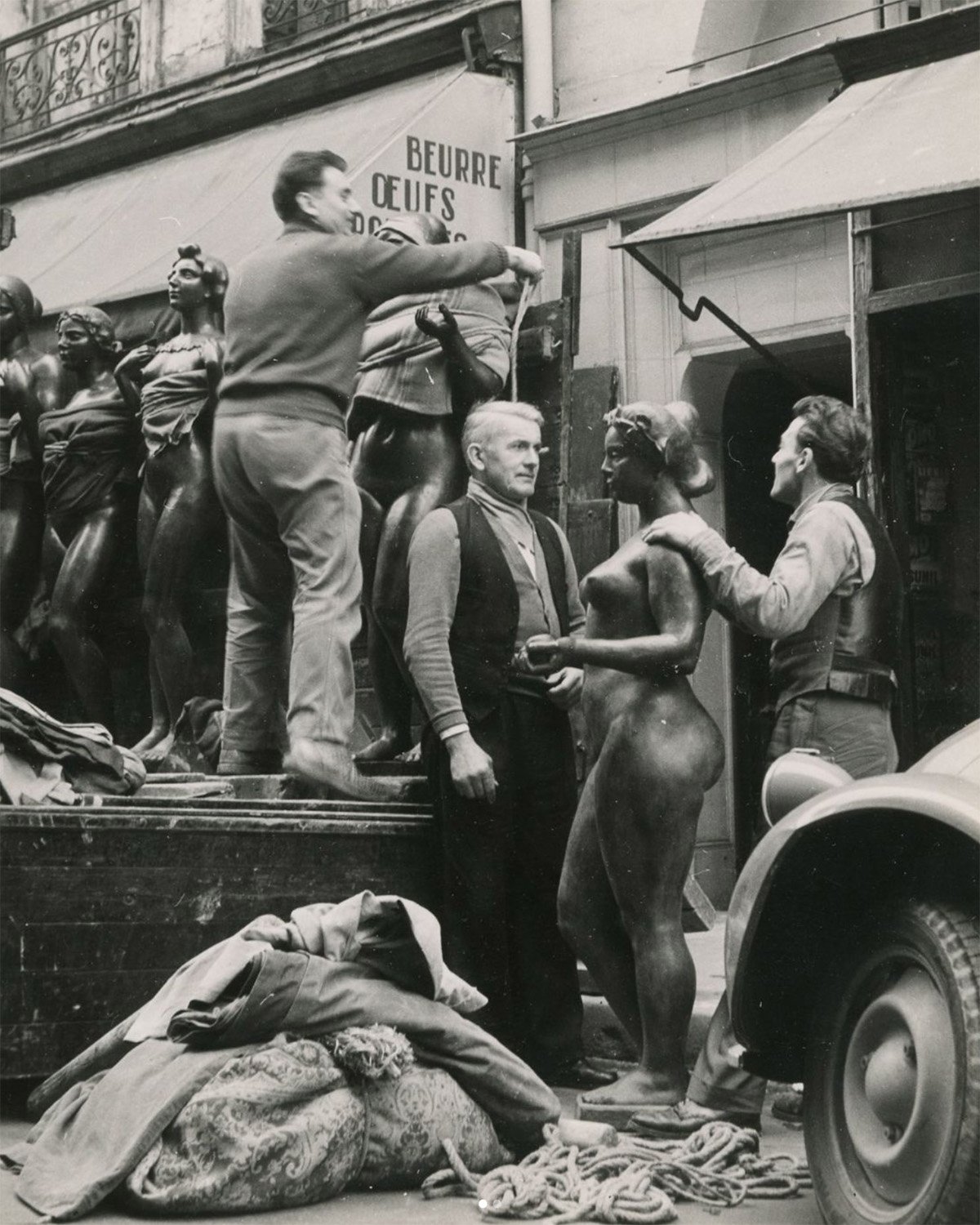
Aristide Maillol’s monumental sculpture ‘Pomone’, being unloaded at 36 Rue Jacob (1947)
Image © — Robert DAVID @galerie.dinavierny
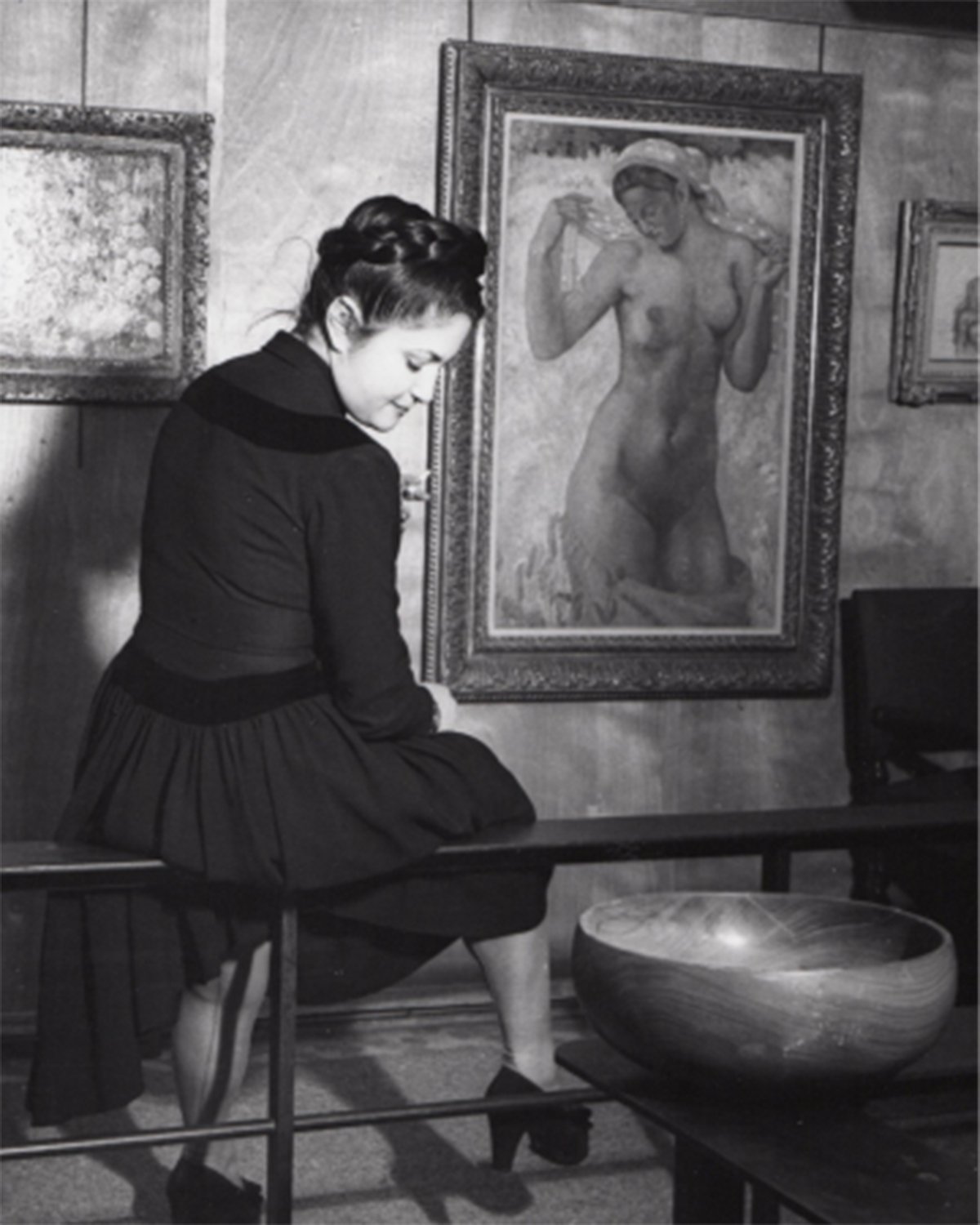
Dina Vierny
Image © — @galerie.dinavierny
Galerie Dina Vierny begins less like a gallery history than a life lived inside the private rooms of modern art. Before Dina Vierny became a dealer, she was a model, a witness, a messenger and, at times, a risk-taker moving between artists and politics with unusual courage
Born in Russia, she arrived in Paris as a child in 1926. Her father’s circle brought together Russian and French intellectuals, and by the time she was a teenager, Jean-Claude Dondel had noticed her resemblance to the forms of Maillol and Renoir. Maillol’s response has the ease of myth: “A Renoir will do.” Vierny met him in 1934 at Marly-le-Roi and became his last great model, entering the studio not as a passive figure, but as someone who would become deeply bound to the artists around him
During the war, she joined Maillol in Banyuls, travelled to Paris to see Picasso, and worked with the French Resistance. Through Varian Fry, on André Breton’s advice, she helped people cross the Spanish border and came into contact with the artists gathered at the Villa Air-Bel in Marseille. She was arrested twice, imprisoned at Fresnes, and released after six months through Maillol’s intervention. By the time she returned to Paris after the Liberation, her understanding of art was already inseparable from loyalty, danger and friendship
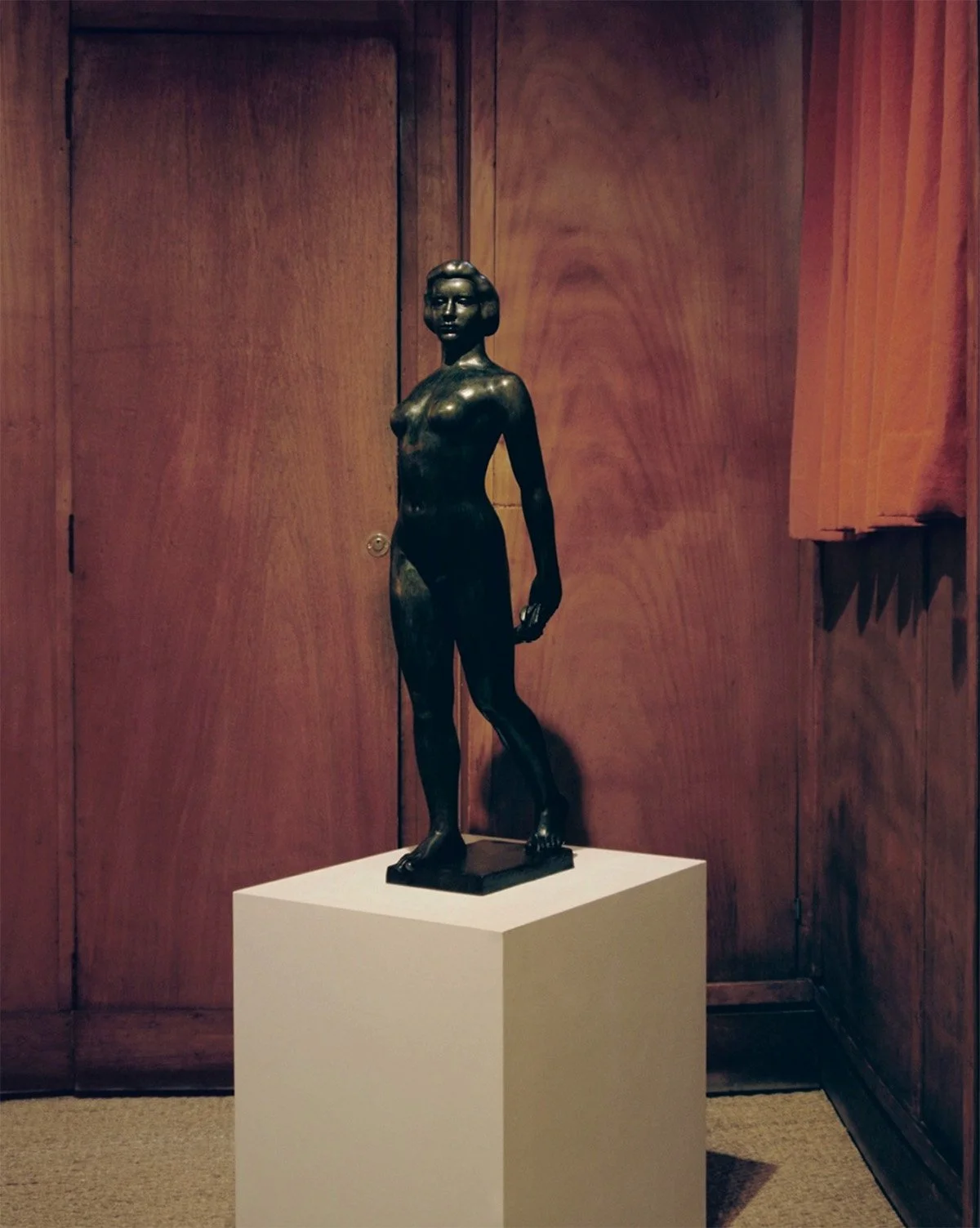
Aristide Maillol, ‘Ile de France’, (1921-25)
Image © — @galerie.dinavierny
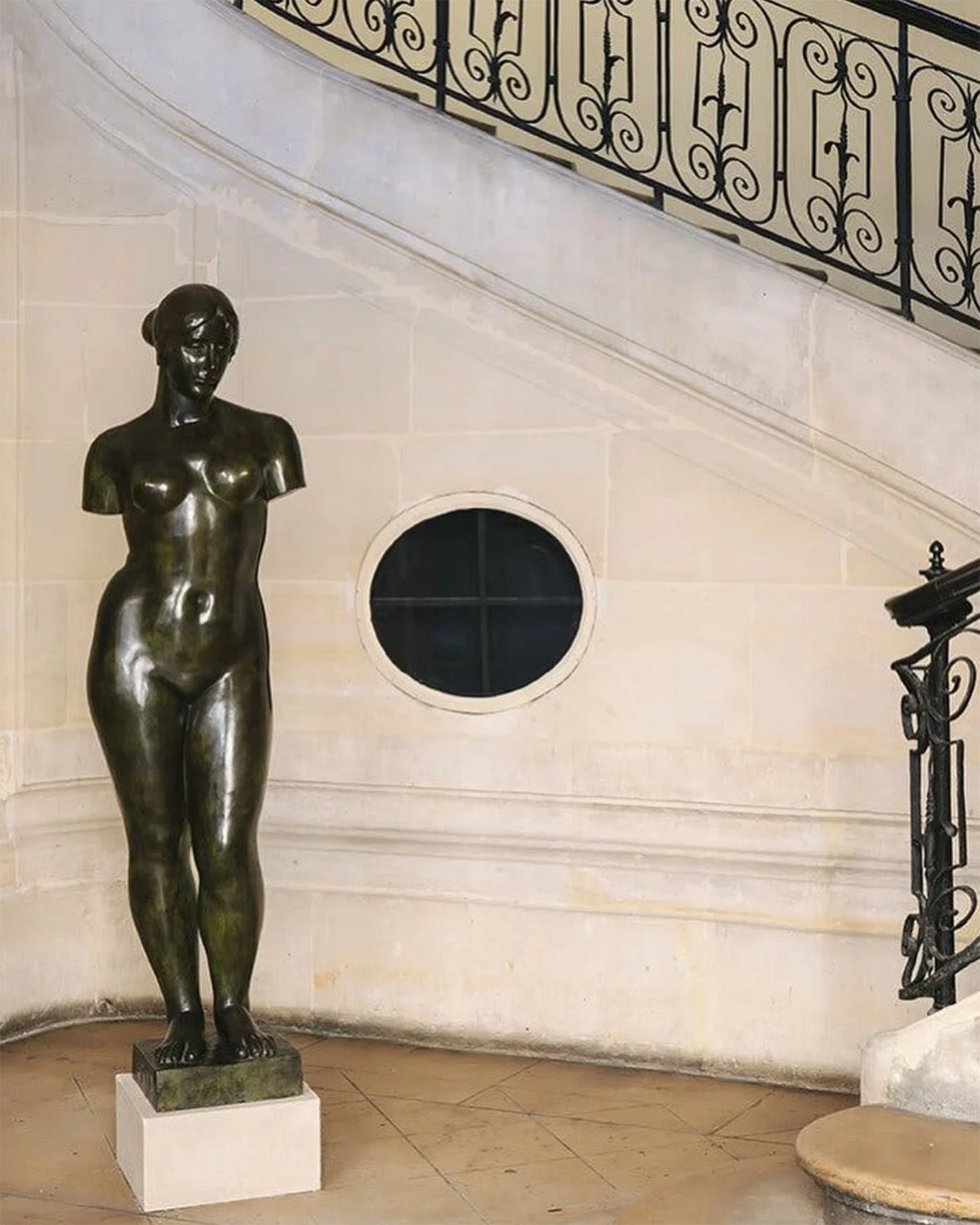
Aristide Maillol’s ‘Vénus sans bras’ (1922)
Image © — Anne-Claire Héraud @galerie.dinavierny
After Maillol’s death in 1944, Matisse and Jeanne Bucher encouraged Vierny to open a gallery. In 1947, she found a former bougnat, or coalman’s shop, at 36 rue Jacob. Matisse persuaded his friend Auguste Perret to design the space, despite Perret being occupied with the reconstruction of Le Havre and Amiens. The architect transformed the modest shop into a wooden showcase, a room of woven timber that remains in its original state today. It is now the oldest gallery in Saint-Germain-des-Prés
The first exhibition was dedicated to Maillol, and the gallery quickly became known in Paris. From there, Vierny built a programme that reflected both proximity and instinct. Rodin, Henri Laurens and Matisse were followed by Serge Poliakoff, whose first major exhibition she organised in 1951. Picasso’s Vollard Suite, Kandinsky, Pougny, Dufy, Doucet, Charchoune, Gilioli, Couturier and Zitman entered the gallery’s history, giving rue Jacob a rhythm that moved between sculpture, modernism and abstraction
Vierny’s eye was never narrow. She became deeply interested in naïve art, showing Bauchant, Bombois, Ève, Desnos, Racoff, Rimbert, Séraphine de Senlis and Vivin, later publishing Bauchant’s catalogue raisonné. In the early 1970s, she travelled to the Soviet Union and discovered artists including Kabakov, Bulatov, Yankilevsky and Oscar Rabin. She smuggled their works out of Russia and organised the now famous Russian Avant-Garde — Moscow 73 exhibition, turning the gallery into a bridge between Paris and a world of art still largely hidden behind political borders
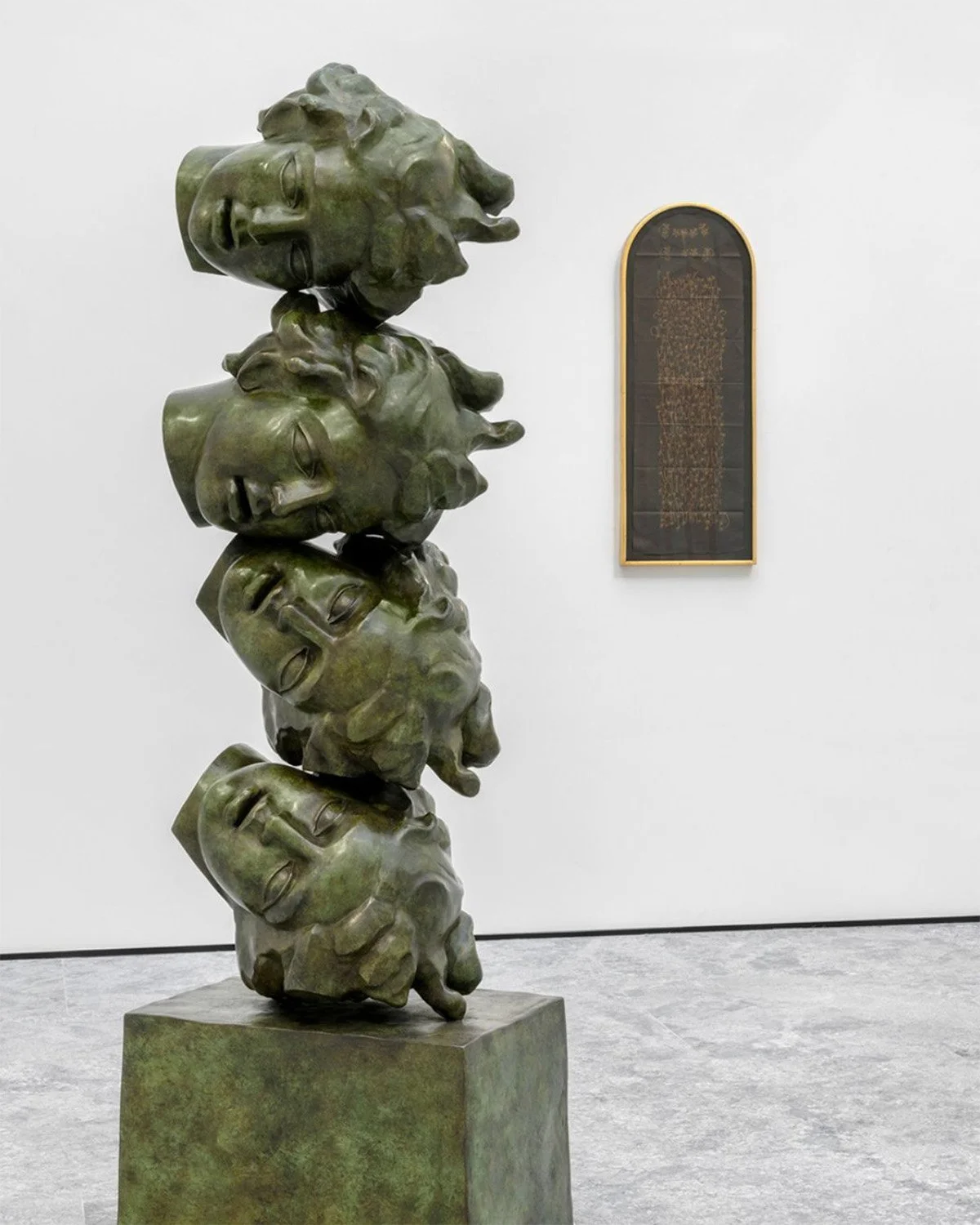
Charlies Fox, 53 rue de Seine
Image © — @galerie.dinavierny
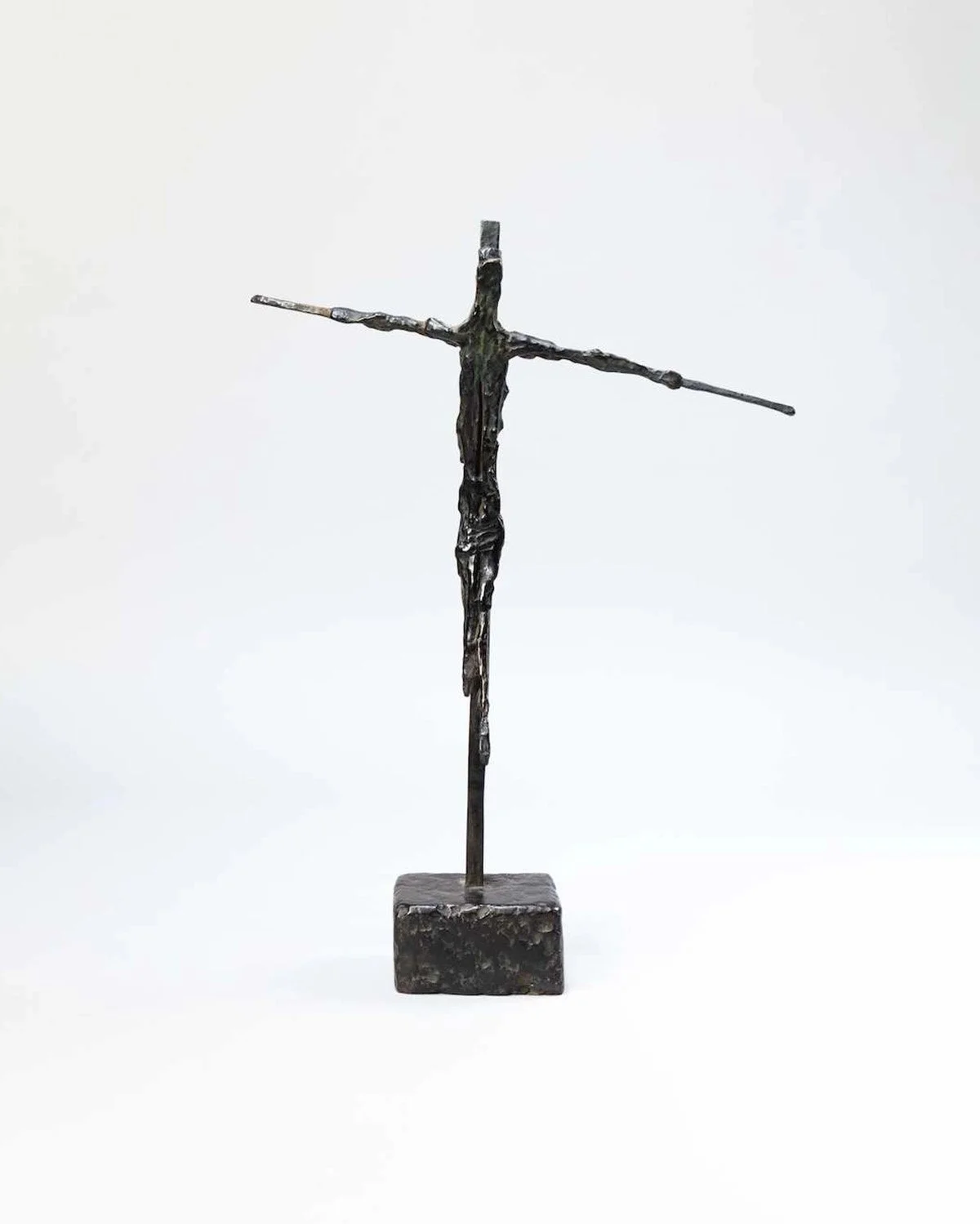
Le Christ d’Assy I (petit), Germaine Richier (1950)
Image © — @galerie.dinavierny
From the early 1980s, the gallery’s story continued through her son, Olivier Lorquin. Working alongside Dina before taking a more central role, he preserved the gallery’s commitments to Poliakoff, Doucet, Gilioli, the naïve painters and sculpture. His long relationship with Robert Couturier led to the artist’s catalogue raisonné and a major retrospective at the Musée Maillol, while his work on Gilioli made him one of the artist’s leading experts. He also carried forward the gallery’s connection to Russian nonconformist artists, presenting Bulatov, Yankilevsky and Ilya Kabakov, whose first solo exhibition at the gallery took place in 1985
In the 2000s, Olivier expanded the programme again, bringing photography into sharper focus through artists including Jerry Schatzberg, Frank Horvat, Bert Stern and Jean-François Jonvelle. Later, the Franco-Israeli artist Ra’anan Levy became one of the gallery’s defining contemporary relationships
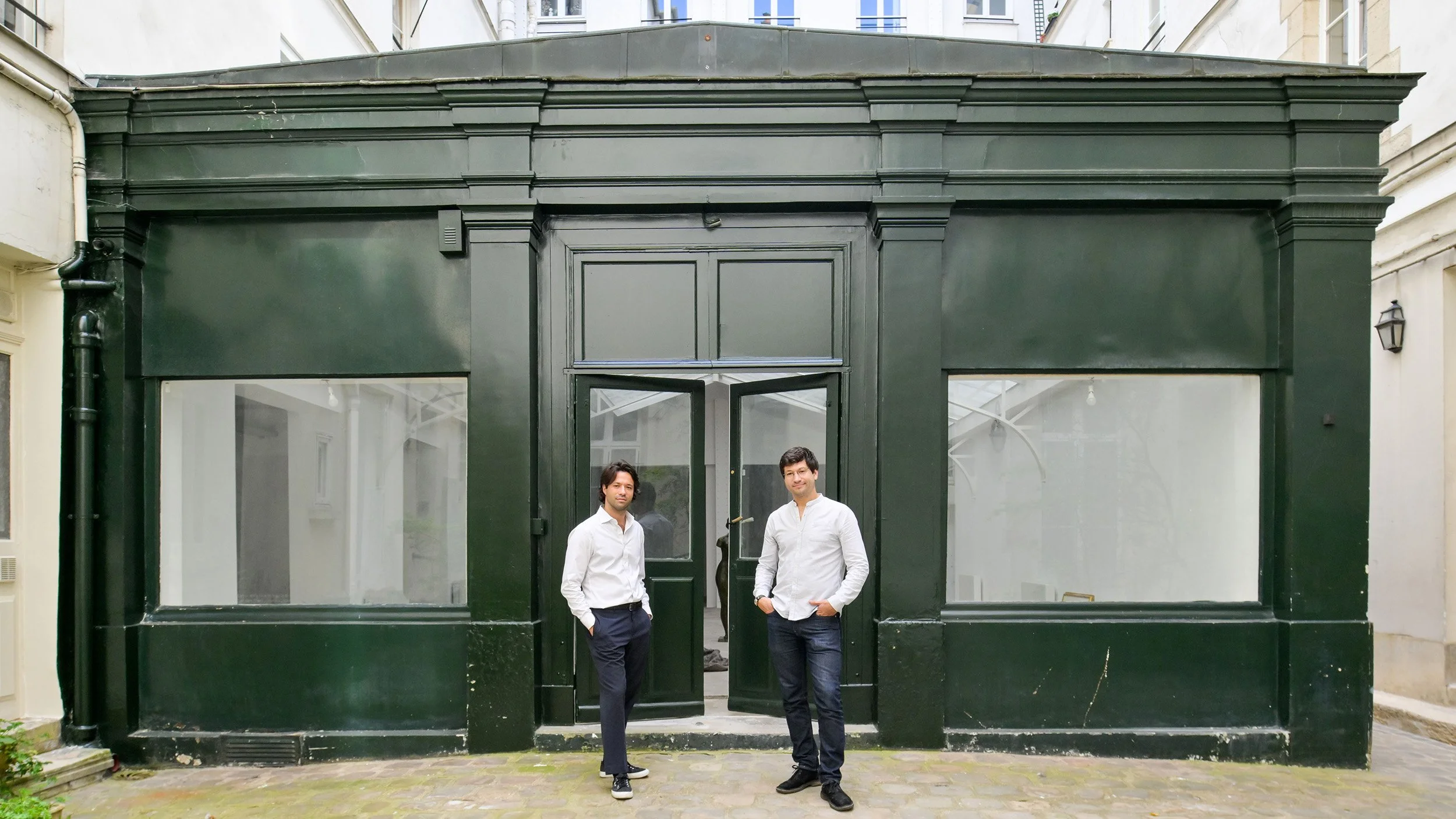
Since January 2021, Galerie Dina Vierny has been led by Pierre and Alexandre Lorquin, the third generation of the family. Their first exhibition was, fittingly, dedicated to Maillol, opening exactly seventy-four years after the gallery’s inaugural Maillol show. Today, across its two Paris galleries, the programme has been reoriented toward Impressionist, modern and post-war art, while remaining anchored in the original DNA of the house
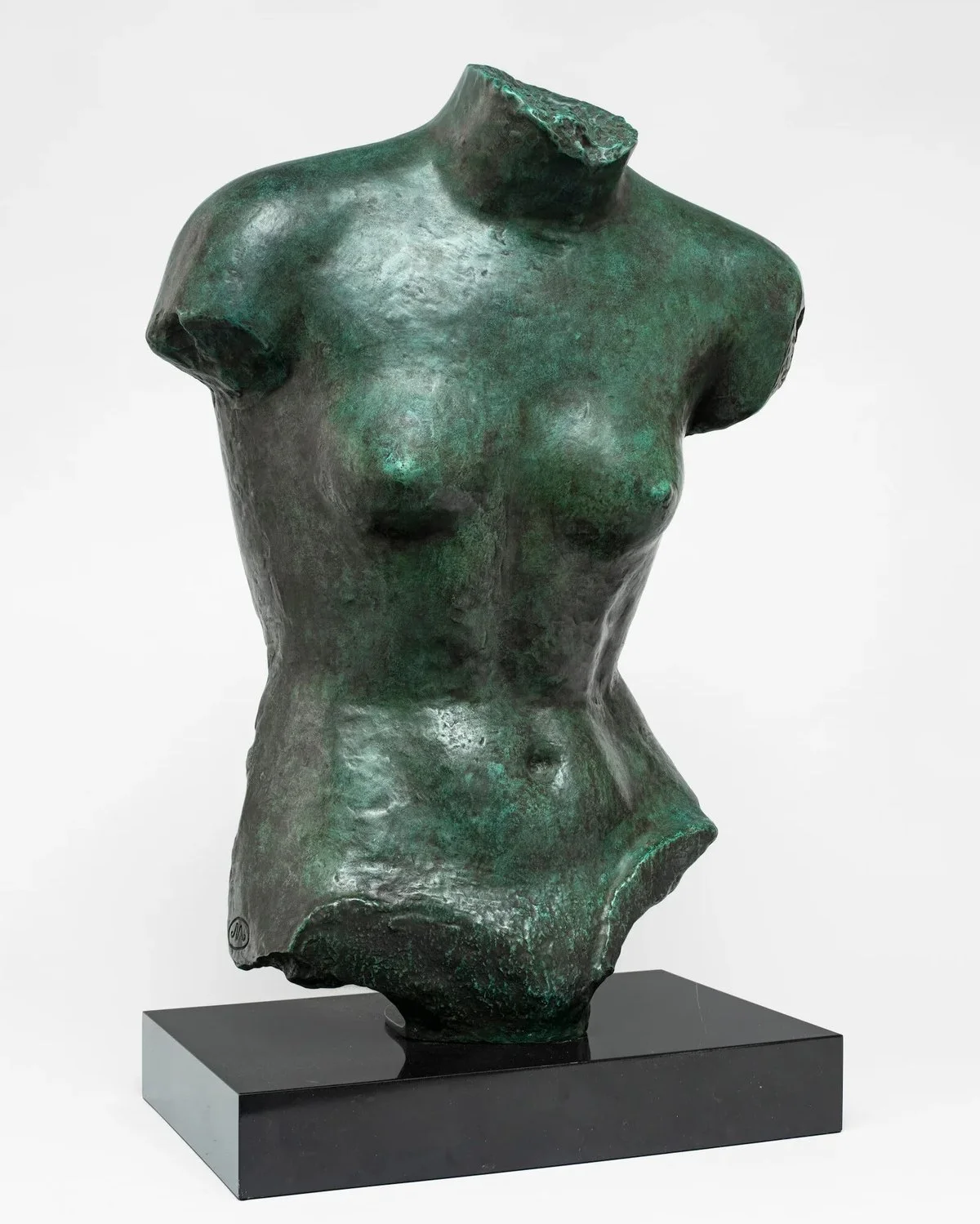
Torse de Méditerranée, Aristide Maillol (1905)
Image © — @galerie.dinavierny
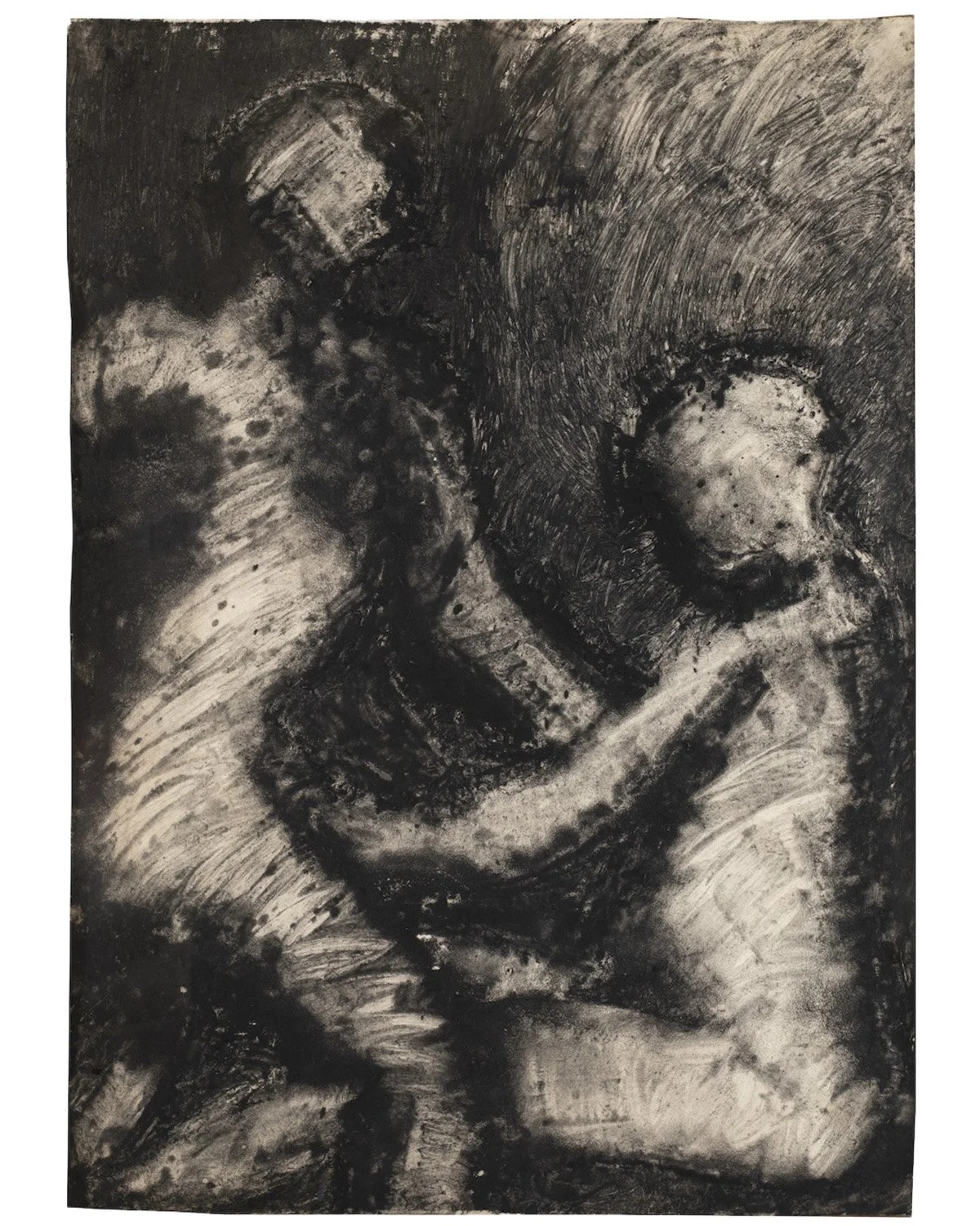
La rencontre, Michel Haas (1980)
Image © — @galerie.dinavierny
New names, including Judit Reigl, Germaine Richier and Michel Haas, now sit beside the gallery’s historic artists. Exhibitions are shaped with guest curators, close research and ambitious publications, giving each project a scholarly frame without losing the gallery’s intimacy
Galerie Dina Vierny remains rare because its authority was never manufactured. It was lived first, then inherited. From Maillol’s studio to Perret’s wooden room, from Soviet smuggling routes to Saint-Germain-des-Prés, the gallery carries the force of a personal history that became an institution without losing its human scale
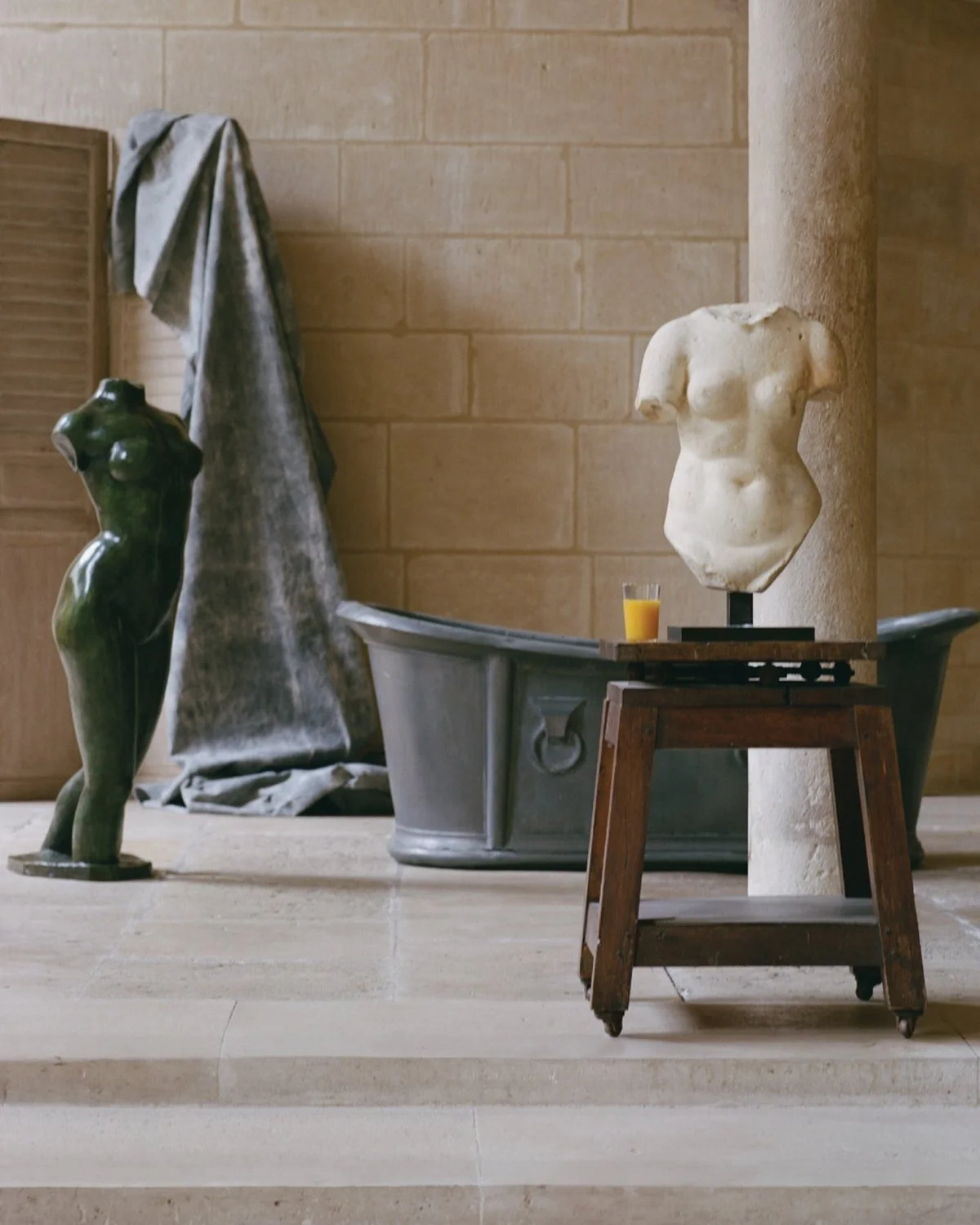
Provençal Dialogue with Antiquity
—
Galerie Dina Vierny, Galerie Chenel, and Simon Porte Jacquemus bring antiquity, Maillol, and the Provençal imagination into quiet conversation
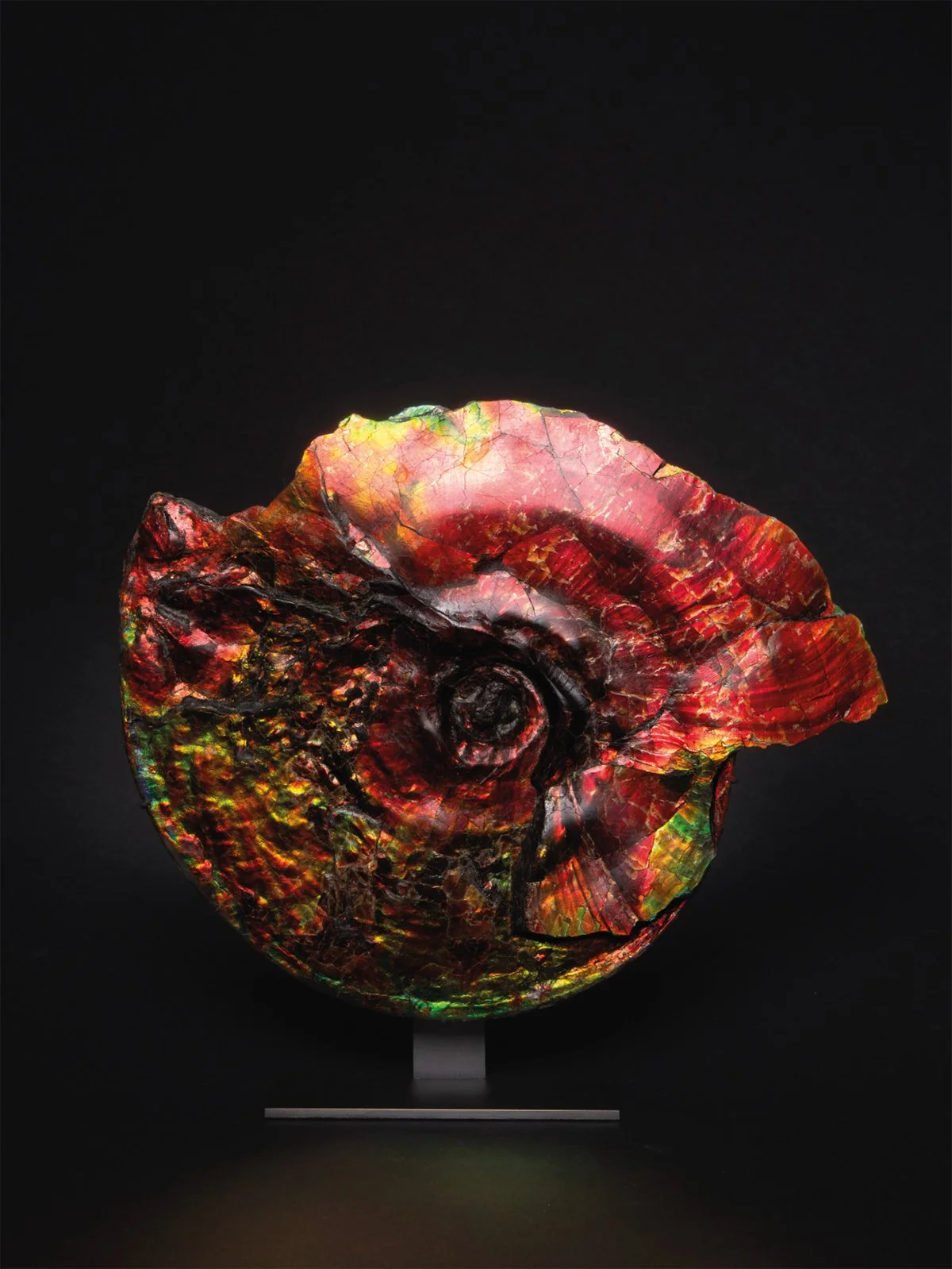
75-Million-Year-Old Ammonite Preserves an Extraordinary Natural Iridescence
—
Presented by London dealer ArtAncient, the fossilised marine shell from Alberta's Bearpaw Formation shifts from crimson and emerald to gold, violet and blue as light moves across its surface