

Unique
2022
Metal Mesh with Paverpol and Pigments, Metal Welded Branch, Silicone Cable, Light Fittings
Height — 177.2 in (450 cm)
Width — 137.8 in (350 cm)
Depth — 98.4 in (50cm)
Price — Upon Request
-
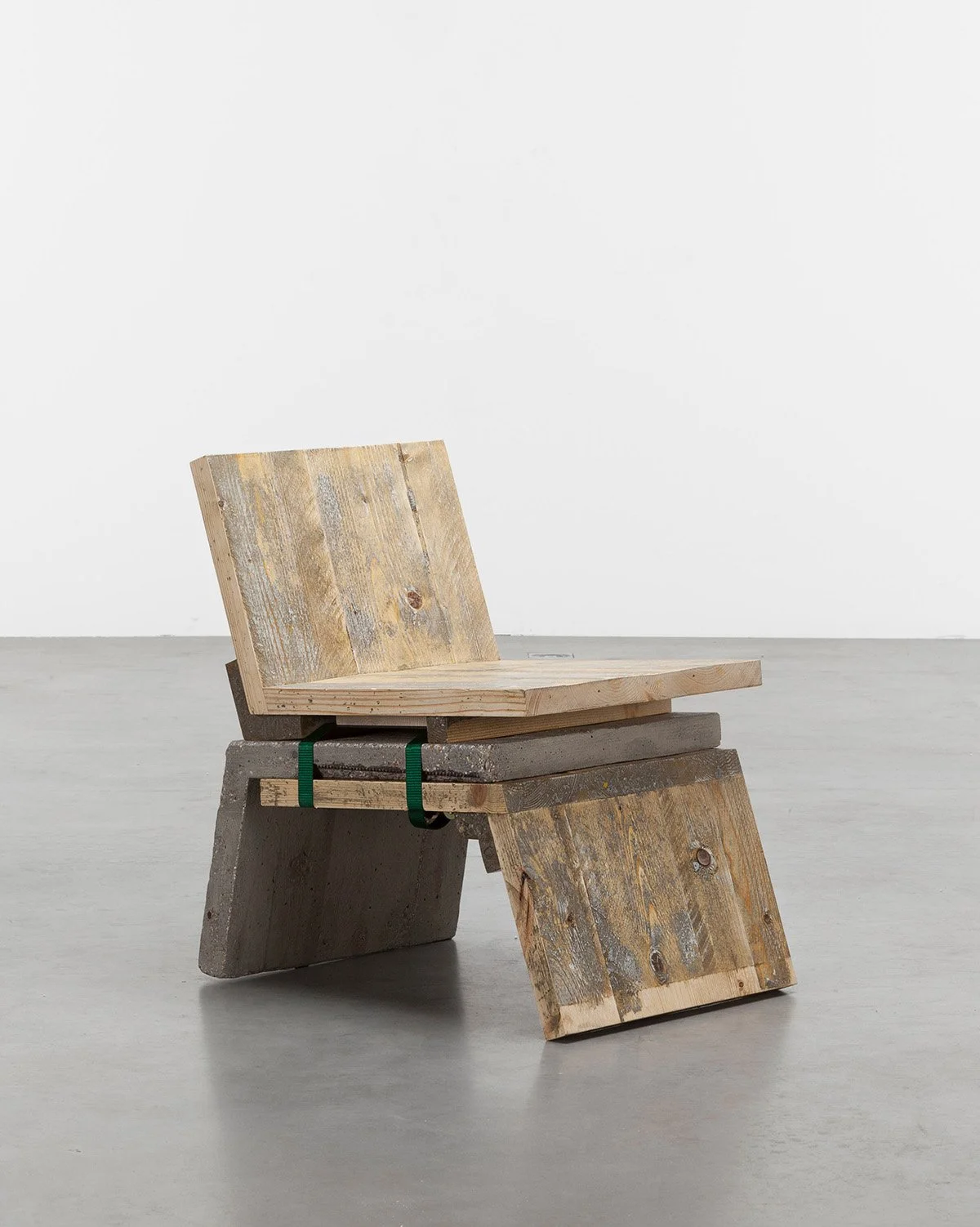
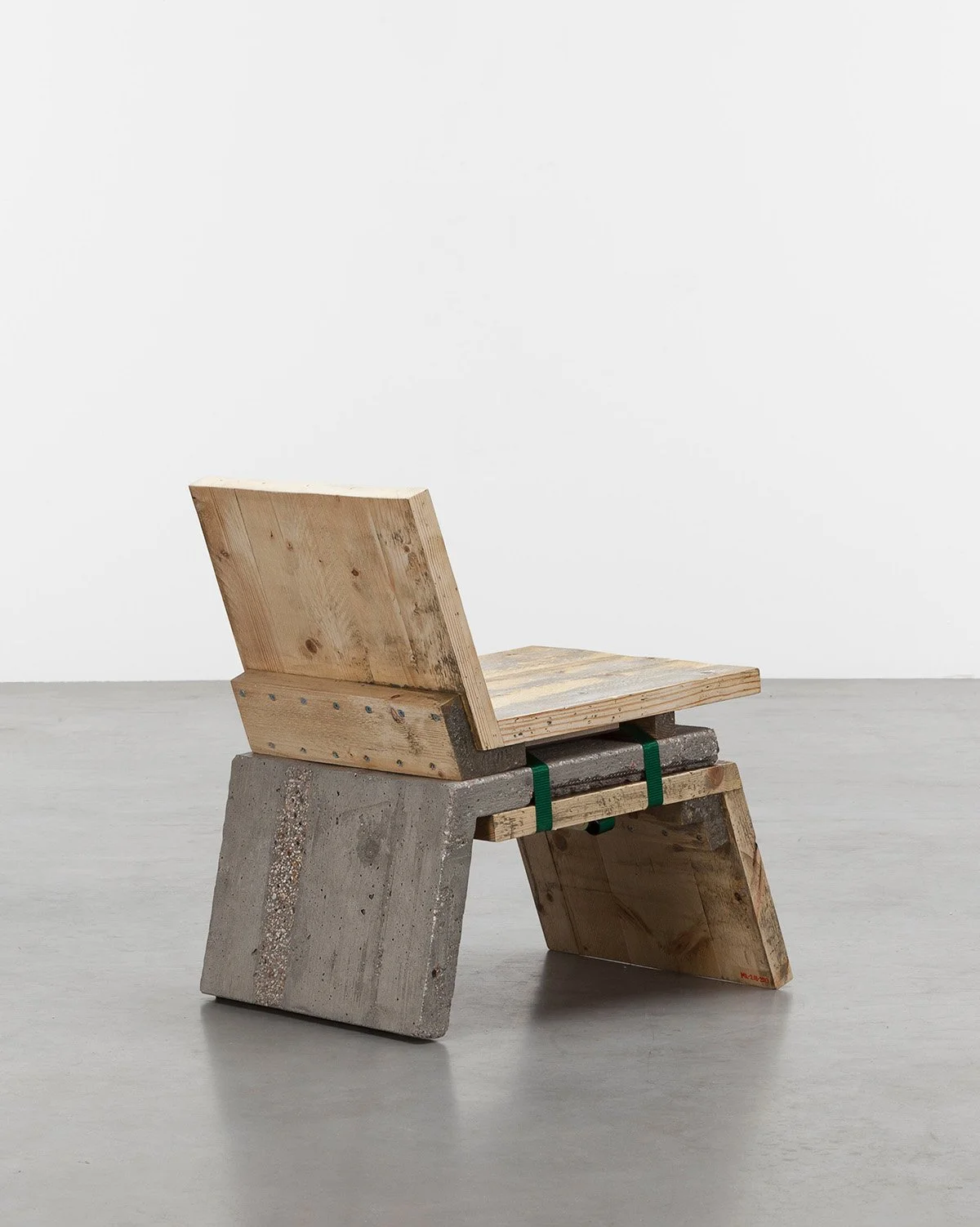
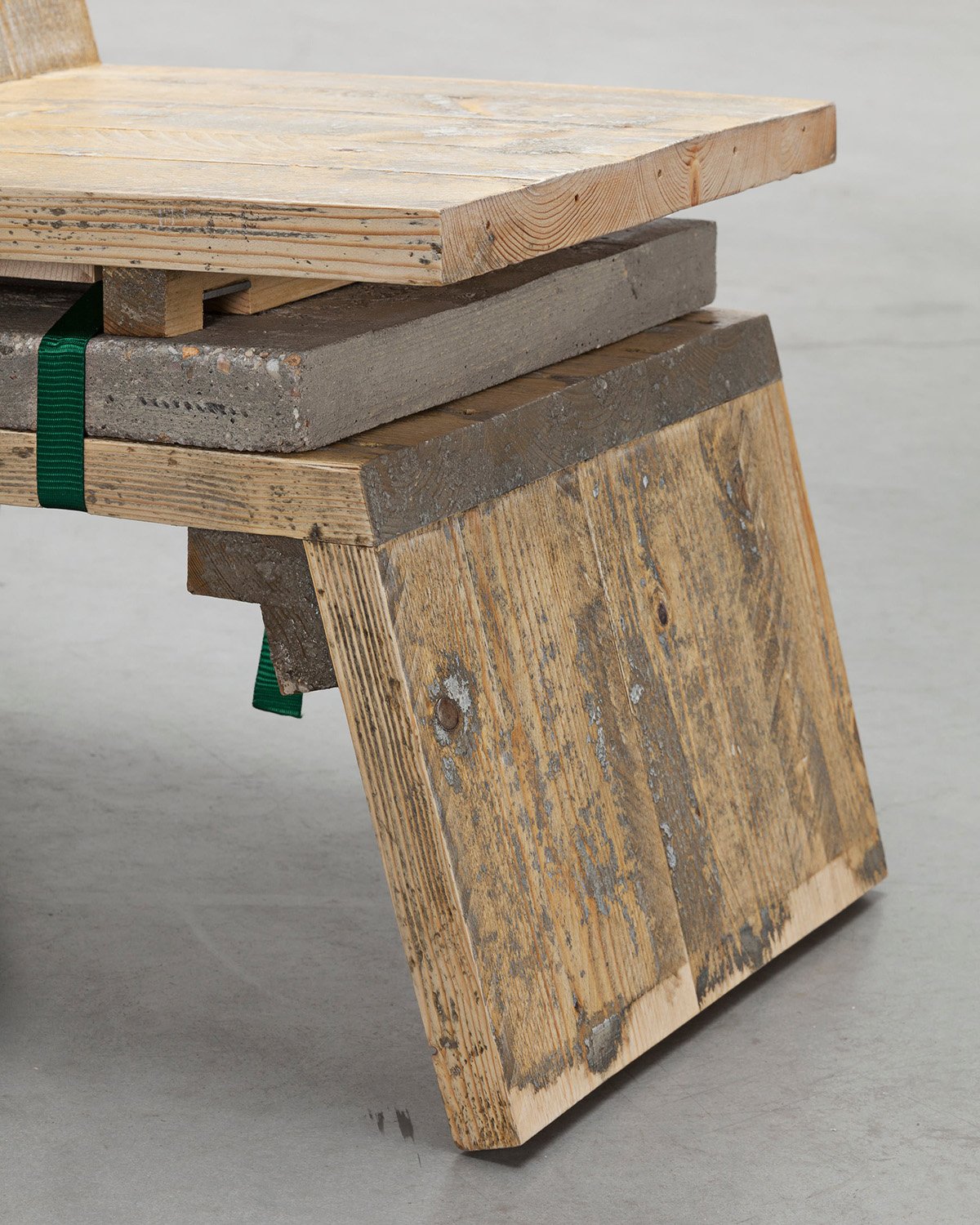
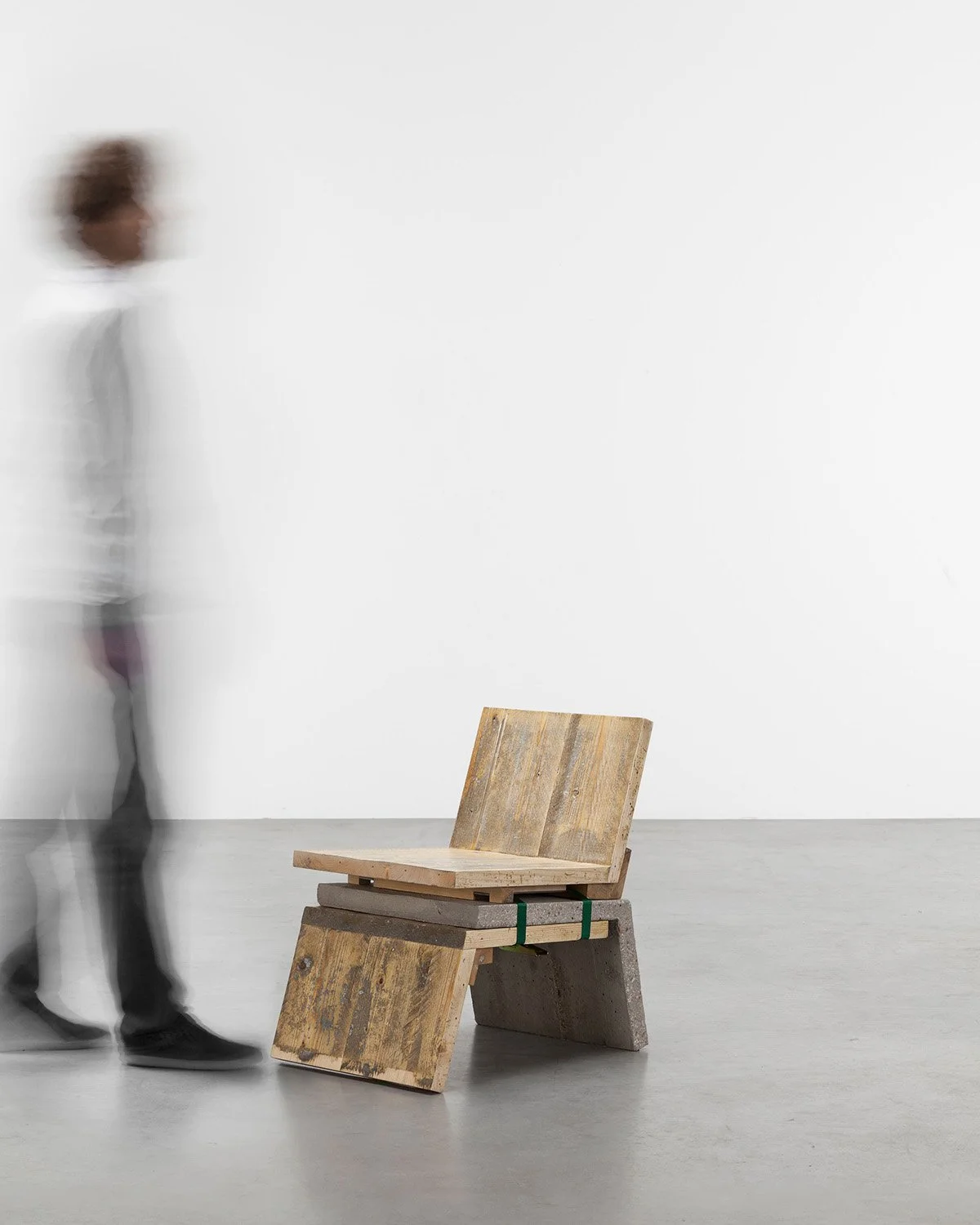
The relationship between materials is a main feature of the work of Martin Laforêt, known for integrating the concrete moulds of his designs into the final work. Combining timber and concrete, Mould Chair moves simultaneously between cast and mould, lending a poetry to the contrasting materials and preserving the relationship between them
ARTIST BIOGRAPHY
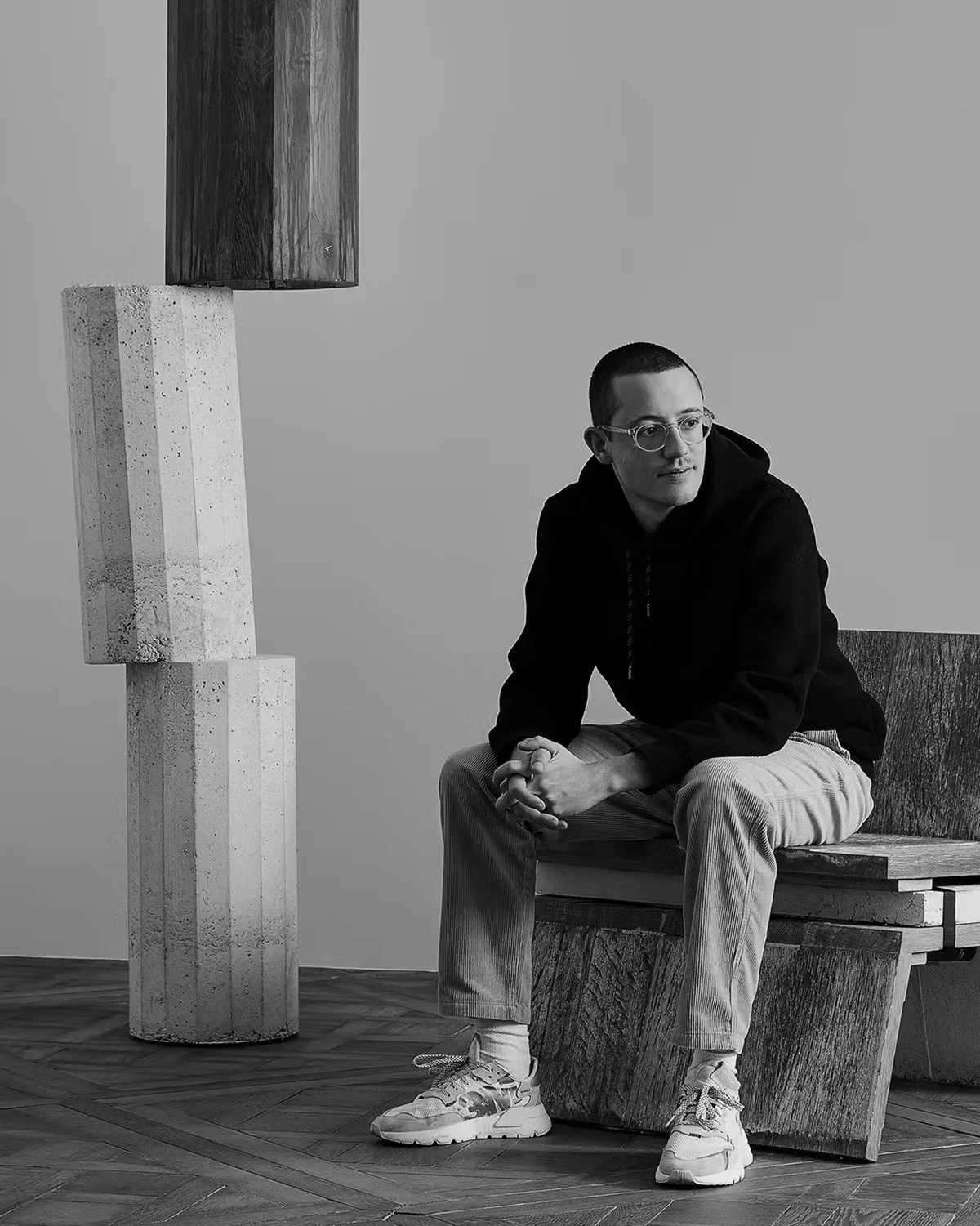
MARTIN LAFORÊT
Martin Laforêt is a French designer based between Paris and Audierne who aims to bring out the specific personality of materials and produce original forms. Drawn to objects related to the fields of sculpture, industry and architecture, his personal expression is inspired by his interest in shapes and material combinations.
Since graduating from Design Academy Eindhoven in 2015, Laforêt has developed an original practice in which materials and techniques, conceived as an inseparable whole, blend and intertwine. Inspired by artisanal know-how and the intelligence of the hand, he quickly developed a passion for manipulating the ambiguity of industrial construction materials to give them a new nobility.
Going against the grain of common design practices that often seek to conceal technique in favour of aesthetics, Laforêt develops a language of deconstruction, or rather, the unveiling of construction. His functional sculptures are architecturally structured and thoughtful – designed as original arrangements of raw materials, including bronze, concrete, oak and plywood.
Laforêt’s first collection, The Mould Objects, was inspired by pre-cast concrete blocks used on construction sites. Inverse moulds were used as casts but also incorporated into the final pieces, which are created from industrial materials including concrete, aluminium, wooden shuttering and steel rebars. The designer enjoys playing on the ambiguity of these objects, whose components seem to have been gleaned from a construction site. Through refine assemblage, their cold, raw surfaces always exude a warm and sensitive atmosphere.
The more recent STUDIES series comprises works made of lacquered wood that reflect Laforêt’s experimentations with shape, scale and colour. These works embody the artist’s interest in the architecture of artificial contemporary landscapes, such as the roads and concrete buildings of sprawling urban environments.