


Jeffrey Dungan in his studio
Image © — @jeffreydungan
ARCHITECTURE & INTERIORS
Jeffrey Dungan Searches for the Spirit of Home in The Soulful House
The architect’s forthcoming Rizzoli monograph considers restraint, proportion and emotion through a collection of residences shaped as much by their inhabitants as the landscapes they occupy
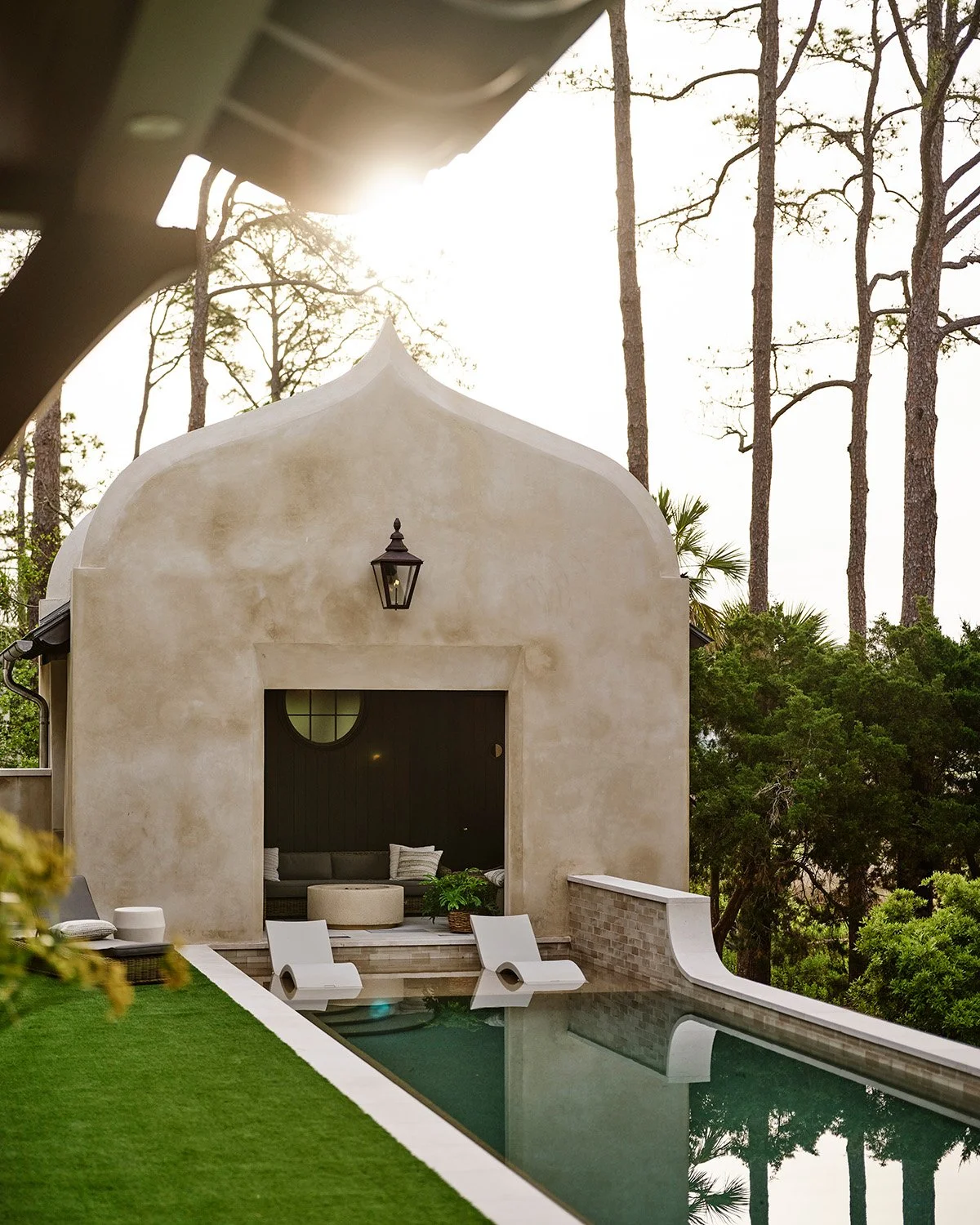
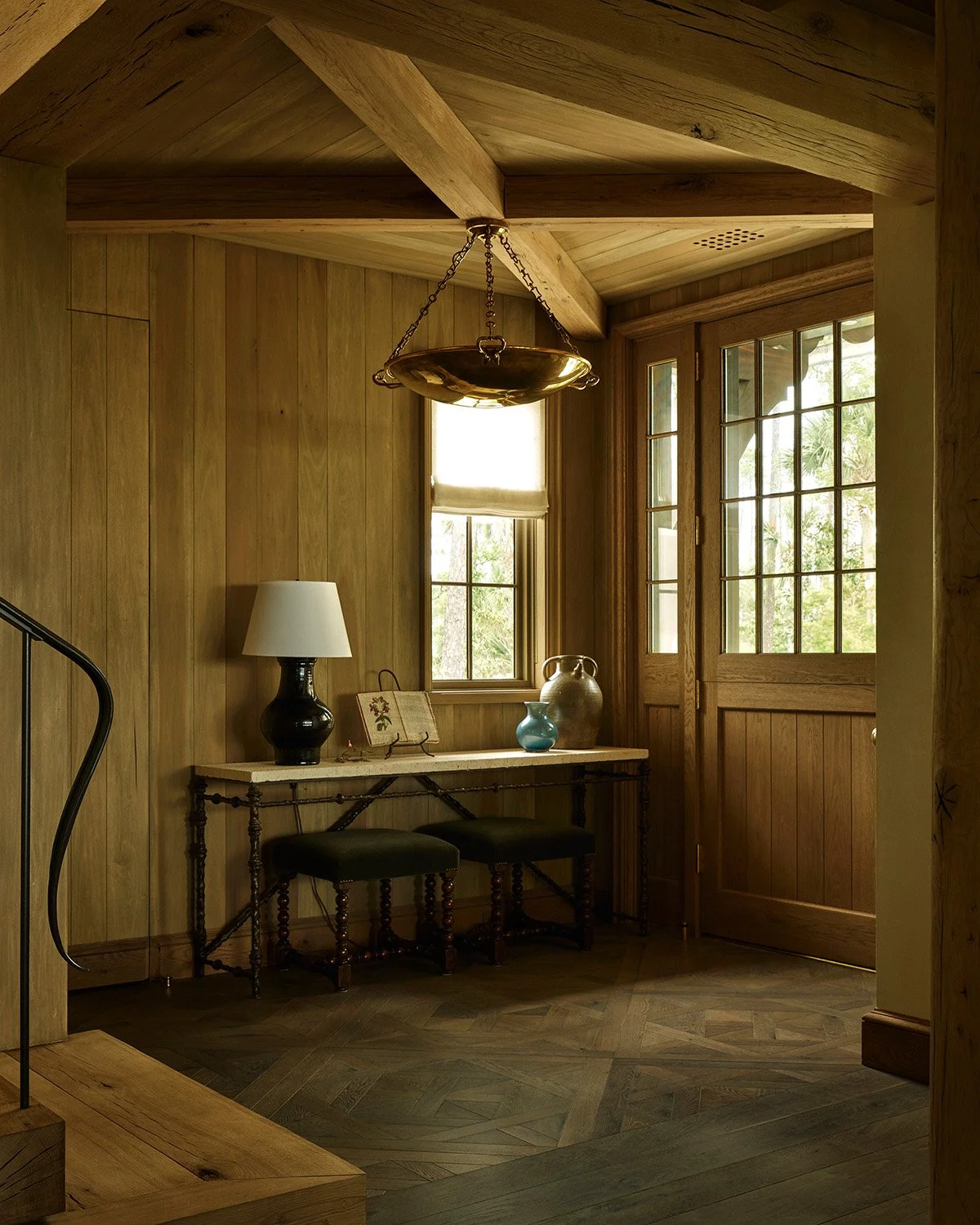
For Jeffrey Dungan, the measure of a house has never been the number of rooms it contains. Kitchens, living rooms and bedrooms are common to almost every domestic brief; the more difficult question is what allows one house to possess a character entirely its own. In The Soulful House: Stories of Beauty, Belonging, and the Spirit of Home, his forthcoming book with Rizzoli International, Dungan returns to this question through a collection of residences united less by style than by a particular attentiveness to people and place
Due for publication in September 2026, the 272-page volume follows Dungan's 2018 bestseller The Nature of Home: Creating Timeless Houses. It also arrives at a significant point in the architect's career. His studio has completed private residences and boutique public projects across North and Central America and Europe, developing an architectural language informed by classical and traditional vernaculars without treating either as fixed historical formulas. Architecture and interiors are conceived together, allowing material, light and the experience of inhabitation to determine the final character of a room
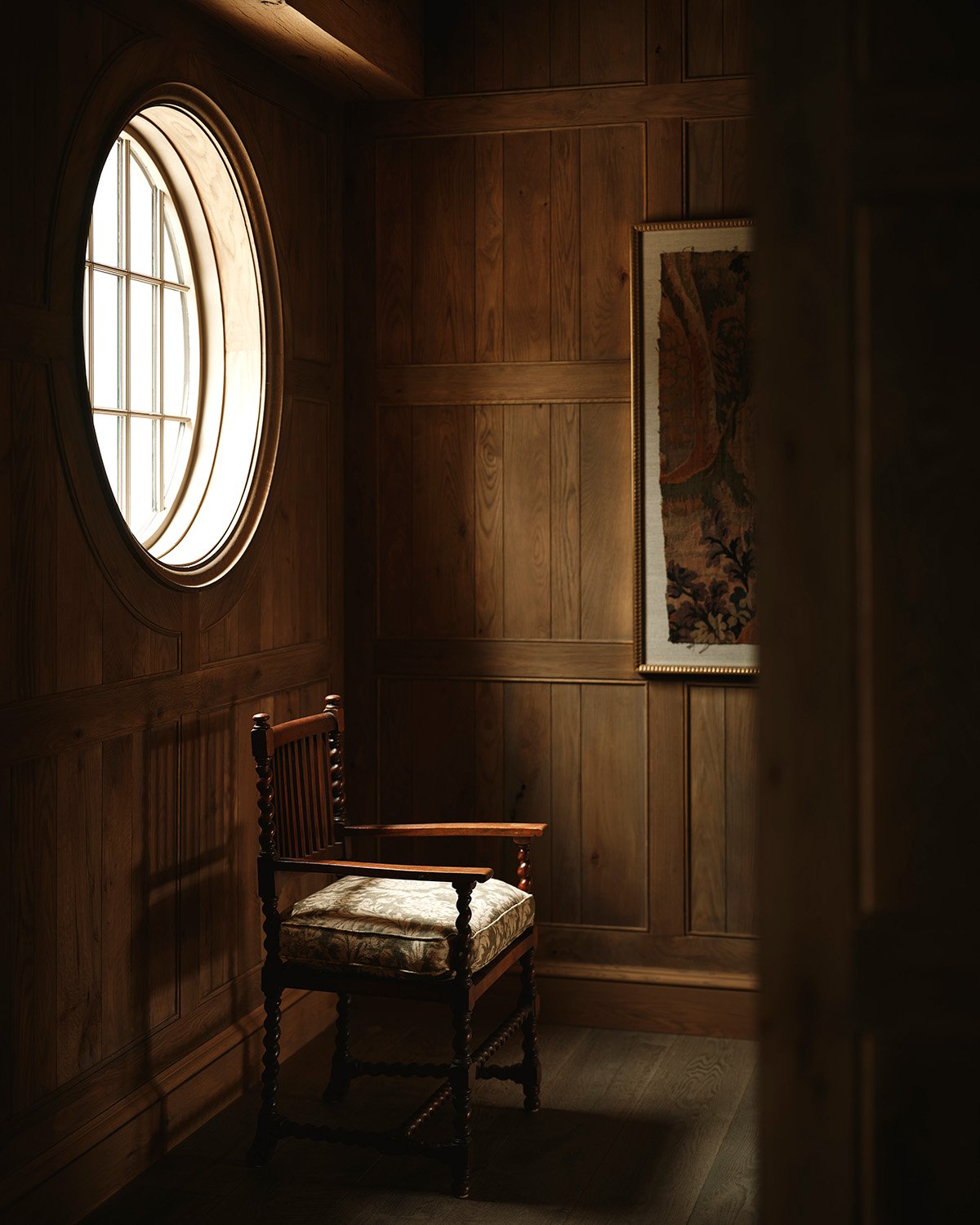
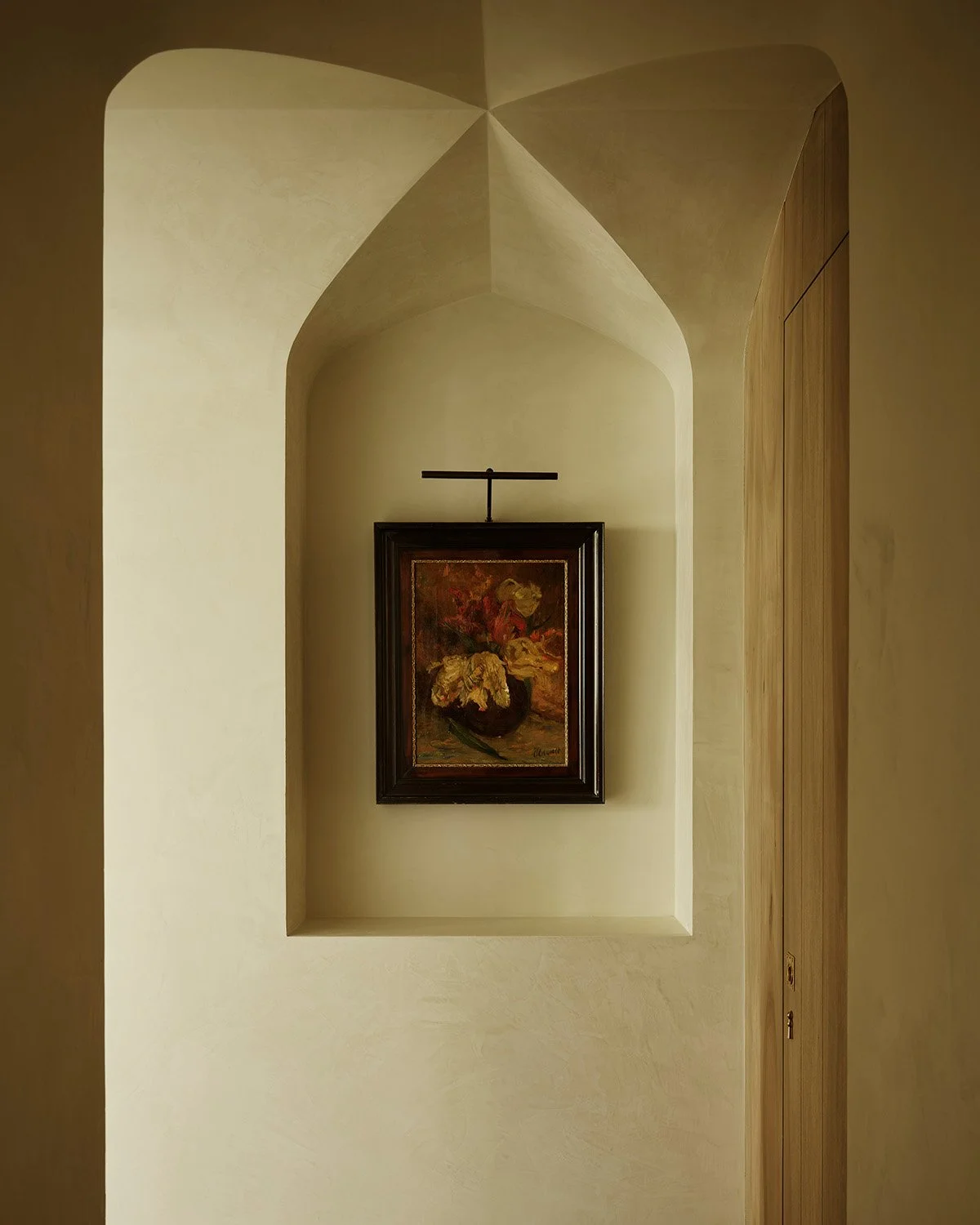
The title of the new book is revealing. Dungan is interested in the possibility that architecture might carry a quality that cannot be entirely resolved through plan, elevation or specification. In an excerpt from the book, he writes about the importance of understanding the people for whom a house is designed, arguing that the personality and character of the client are ultimately what allow a residence to become unique. The projects are therefore presented not simply as examples of an architectural portfolio, but as individual stories whose design decisions emerge from specific lives
Across the book, these stories move through an unusually broad geography. Kiawah Island, the Dominican Republic and Manhattan Beach appear alongside a Georgia farmhouse, Great Britain, Colorado, the Tennessee River, Nova Scotia and Lake Norman. Interspersed between the projects are a series of architectural principles: restraint, proportion, balance, context, emotion, form and detail. The organisation suggests that Dungan sees a house simultaneously as a physical place and an exercise in judgement, where an architect's most important decisions are often questions of degree
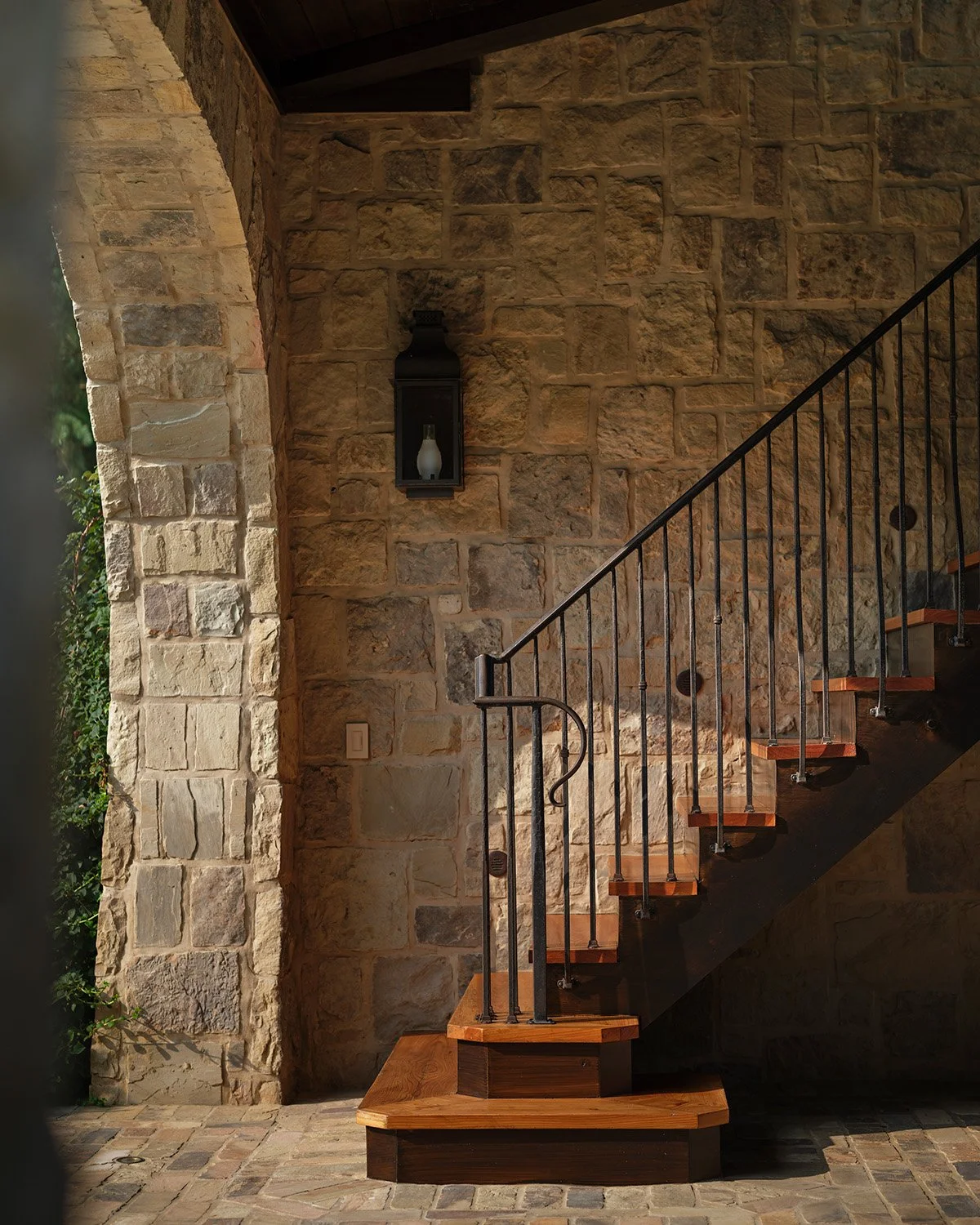
The photographs reinforce this position. A dark timber-lined room is interrupted by an oval window and a narrow fall of daylight. Elsewhere, a pointed plaster arch frames a single painting with almost ecclesiastical precision. Rough stone openings, broad iron-framed doors and deep timber ceilings recur throughout the pages, but the materials are rarely used to produce a predetermined rustic effect. Instead, their weight and texture create a visual resistance against the clarity of Dungan's architectural compositions
In the Dominican Republic, an estancia is conceived around the character of its owner, a man Dungan describes as calm, humble and possessing an unusual integrity of heart. The architecture shown in the accompanying pages feels correspondingly grounded. Stone walls appear substantial enough to have existed long before the rooms around them, while circular openings, heavy timber and shaded terraces temper the intensity of the tropical landscape. The project demonstrates Dungan's belief that the most convincing houses do not begin with an image of architecture, but with an attempt to understand the individual who will eventually inhabit it
This psychological dimension becomes more explicit in the section devoted to emotion. Dungan describes a house as a story that reveals itself through movement, arguing for a sense of flow that creates an ease of understanding between spaces. The idea is less about open planning than spatial comprehension: the feeling of arriving somewhere and instinctively understanding how to move, where to pause and how one room belongs to another. For Dungan, comfort can be architectural before it is decorative
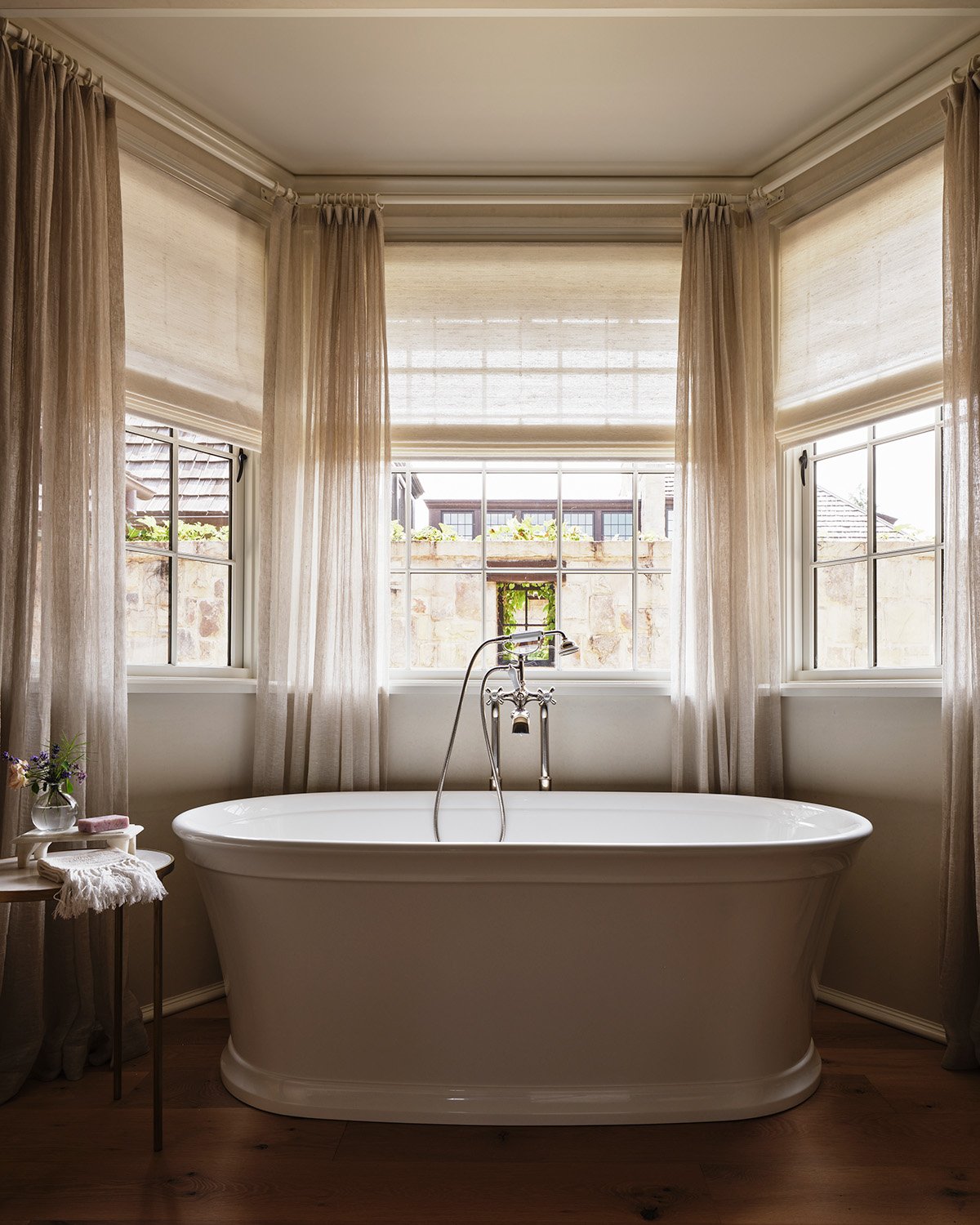
That principle is visible in the interiors reproduced throughout The Soulful House. Rooms often unfold through arches and compressed passageways before opening towards landscape or light. A living space framed by monumental iron glazing looks into a courtyard of pale stone and water. In another residence, a fireplace anchors a room of timber beams and quiet plaster walls, with furniture placed loosely enough to preserve the architecture's sense of calm. The compositions are controlled, but never rigid
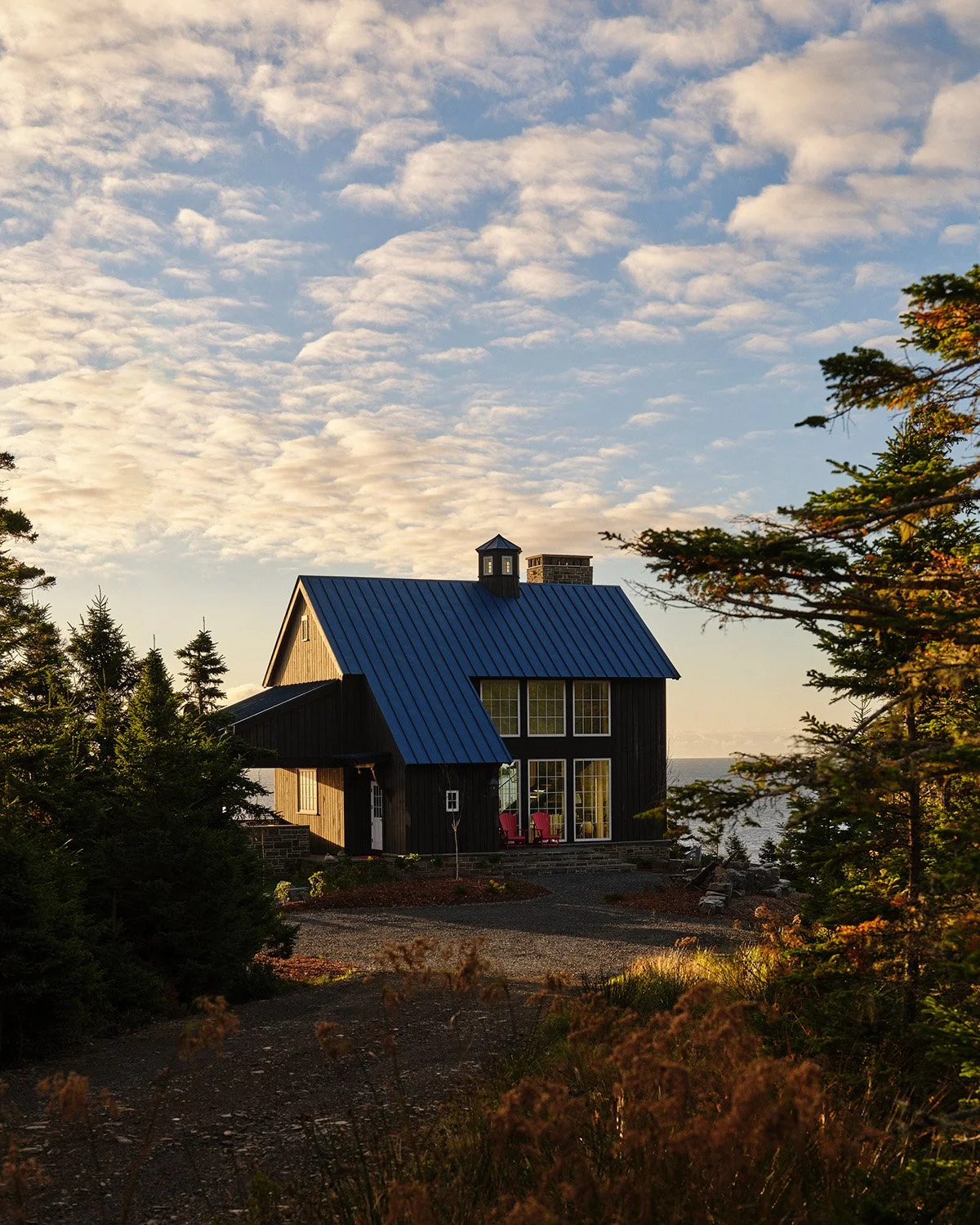
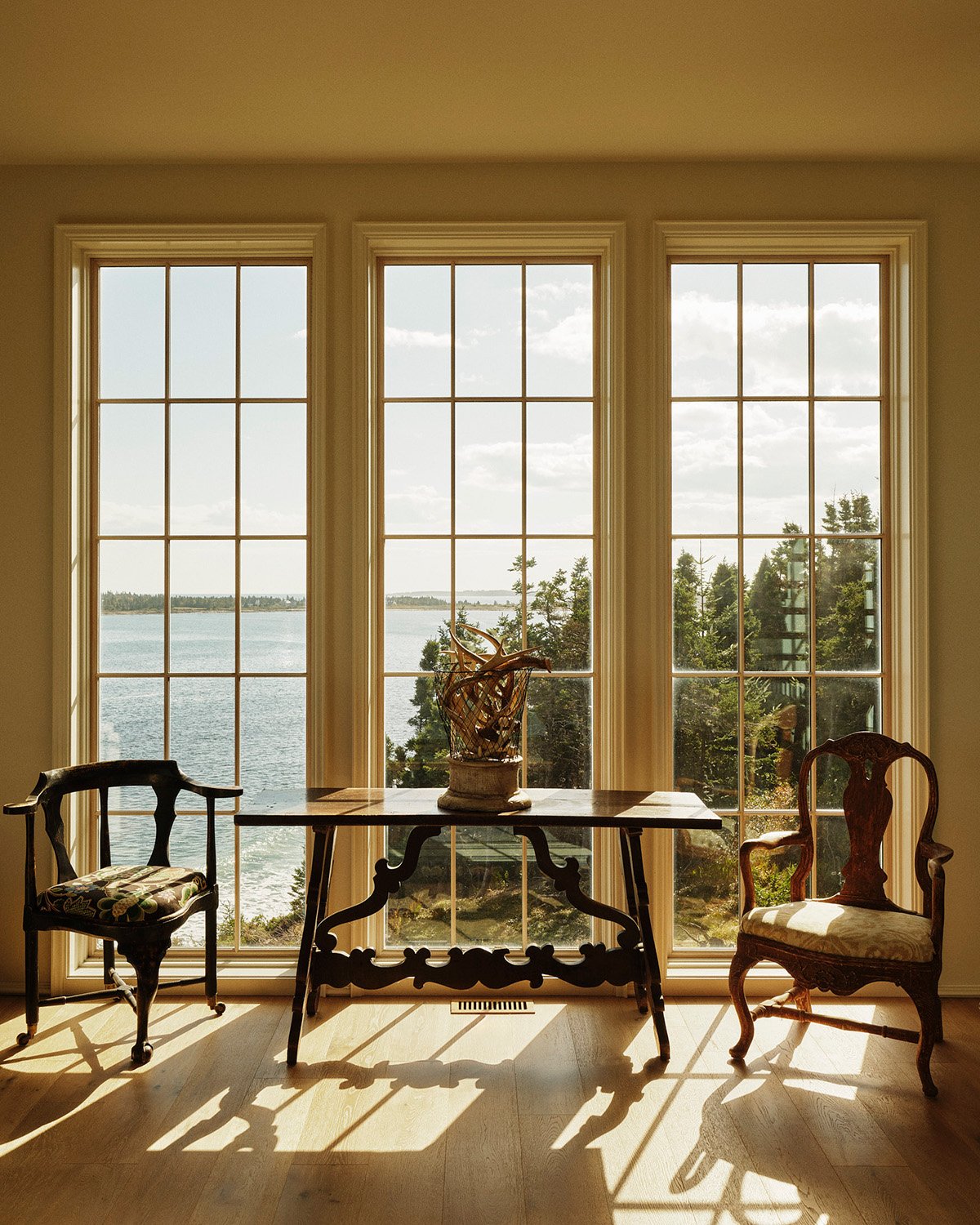
Nova Scotia offers a different expression of the same philosophy. Set against dense forest and a severe Atlantic coastline, the house is small in relation to the surrounding landscape, its dark timber exterior and steep metal roof creating a silhouette that feels both familiar and isolated. Dungan introduces the project through a reflection on people and places as the two enduring components of life, and on the necessity of solitude as a means of gaining perspective. The architecture appears to accept that role, sitting quietly against the coastline rather than competing with it
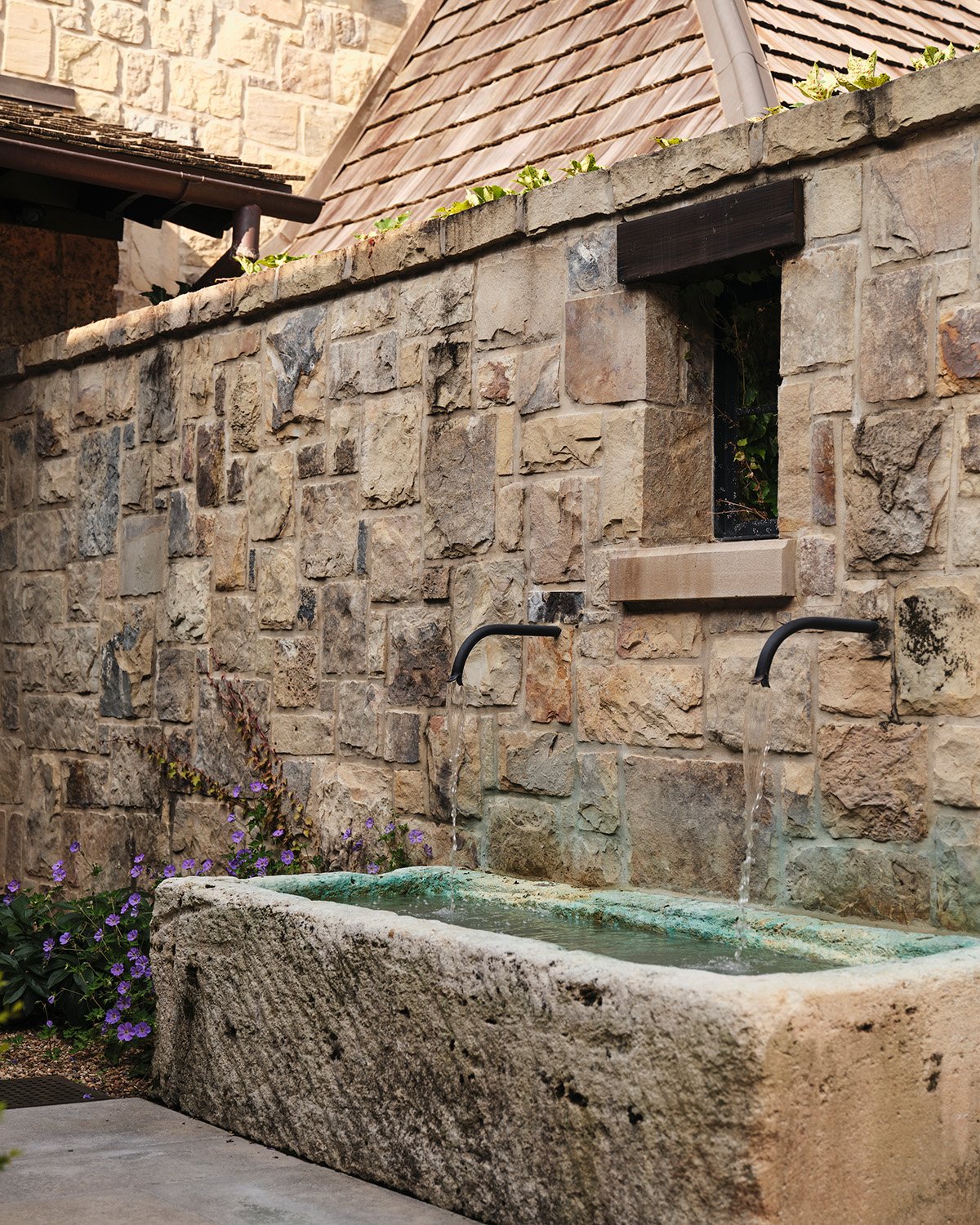
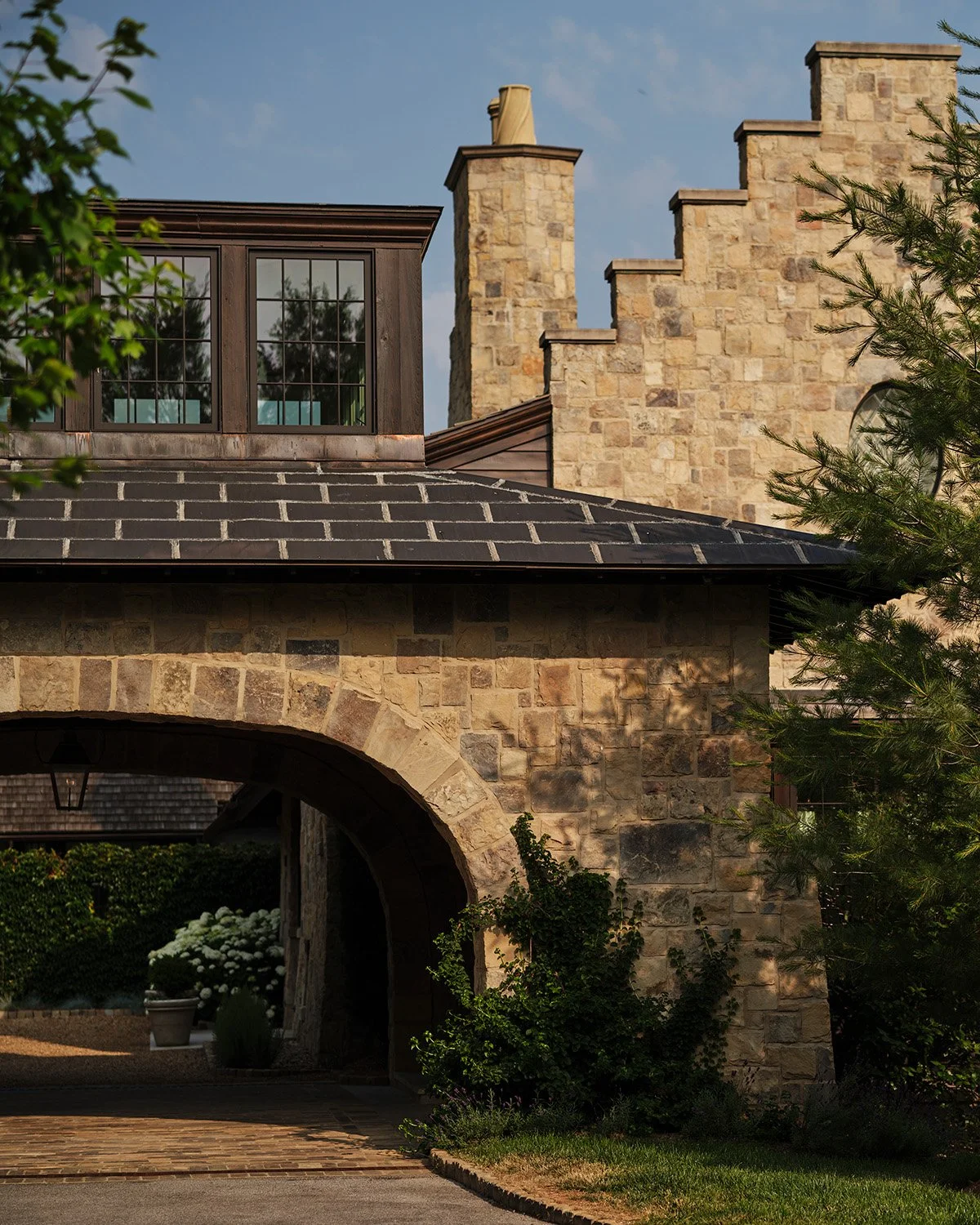
There is also a notable absence of a single recognisable Dungan formula. A stone residence in the mountains, a coastal house in Nova Scotia and a room shaped by pointed plaster arches may share an underlying sensibility, but their architectural expressions are distinct. Context is treated as an active design force. Light, landscape, regional building traditions and the personalities of the inhabitants are allowed to change the outcome
Dungan's career has been recognised with honours from the American Institute of Architects, two Palladio Awards and the 2023 Jacques Benedict Award, while his work has appeared in Architectural Digest, The Wall Street Journal, The New York Times and Forbes. Yet The Soulful House is less concerned with assembling those achievements than articulating the thinking behind the architecture
The book ultimately proposes that beauty in a house is inseparable from belonging. Proportion and material matter, as do restraint and detail, but Dungan's architecture appears most interested in what happens after the architect leaves: the memories formed within rooms, the movement of people through them and the way a building slowly becomes inseparable from a life. In The Soulful House, architecture is not presented as the final object. It is the framework through which the story of home begins

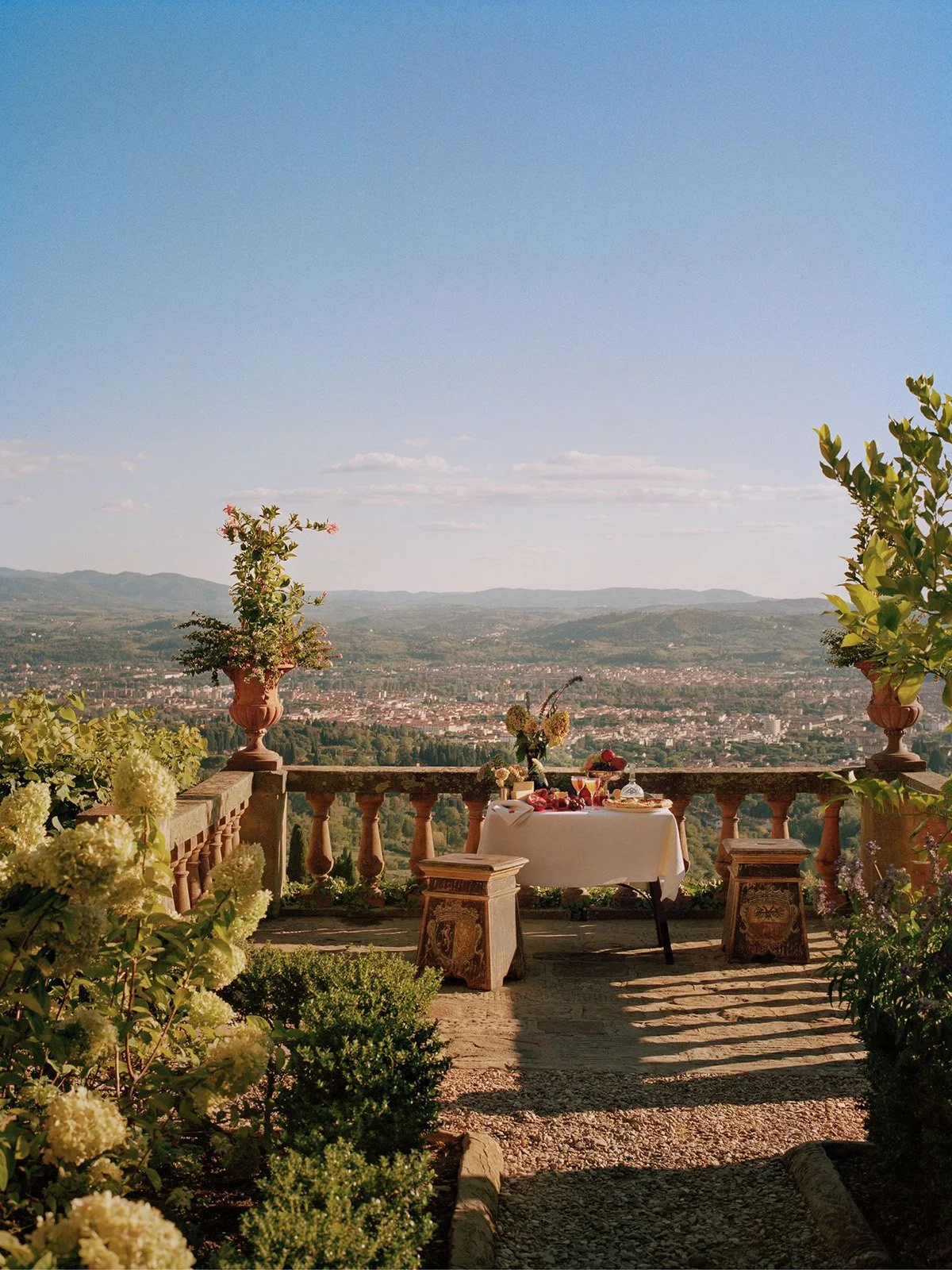
Villa San Michele Through the Lens of François Halard
—
The French photographer turns his attention to a 15th-century Florentine monastery, capturing an architecture suspended between Renaissance history, human presence and the Tuscan landscape
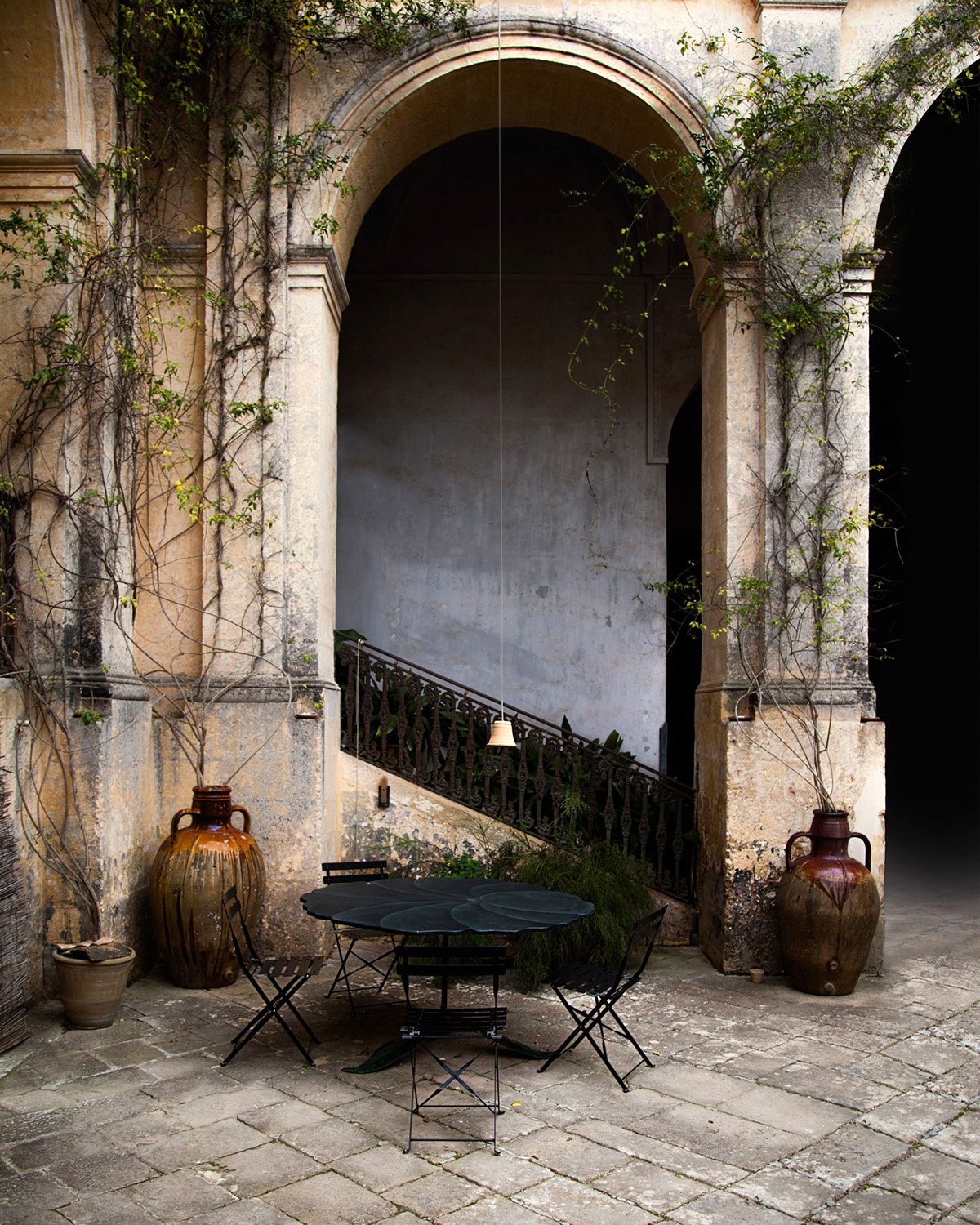
Inside the Puglian Palazzo Where 19th-Century Grandeur Meets Contemporary Art
—
At Palazzo Daniele, a former aristocratic residence in Salento has been stripped back with radical restraint, revealing frescoed ceilings, mosaic floors and a new life shaped by artists, collectors and slow Italian hospitality