

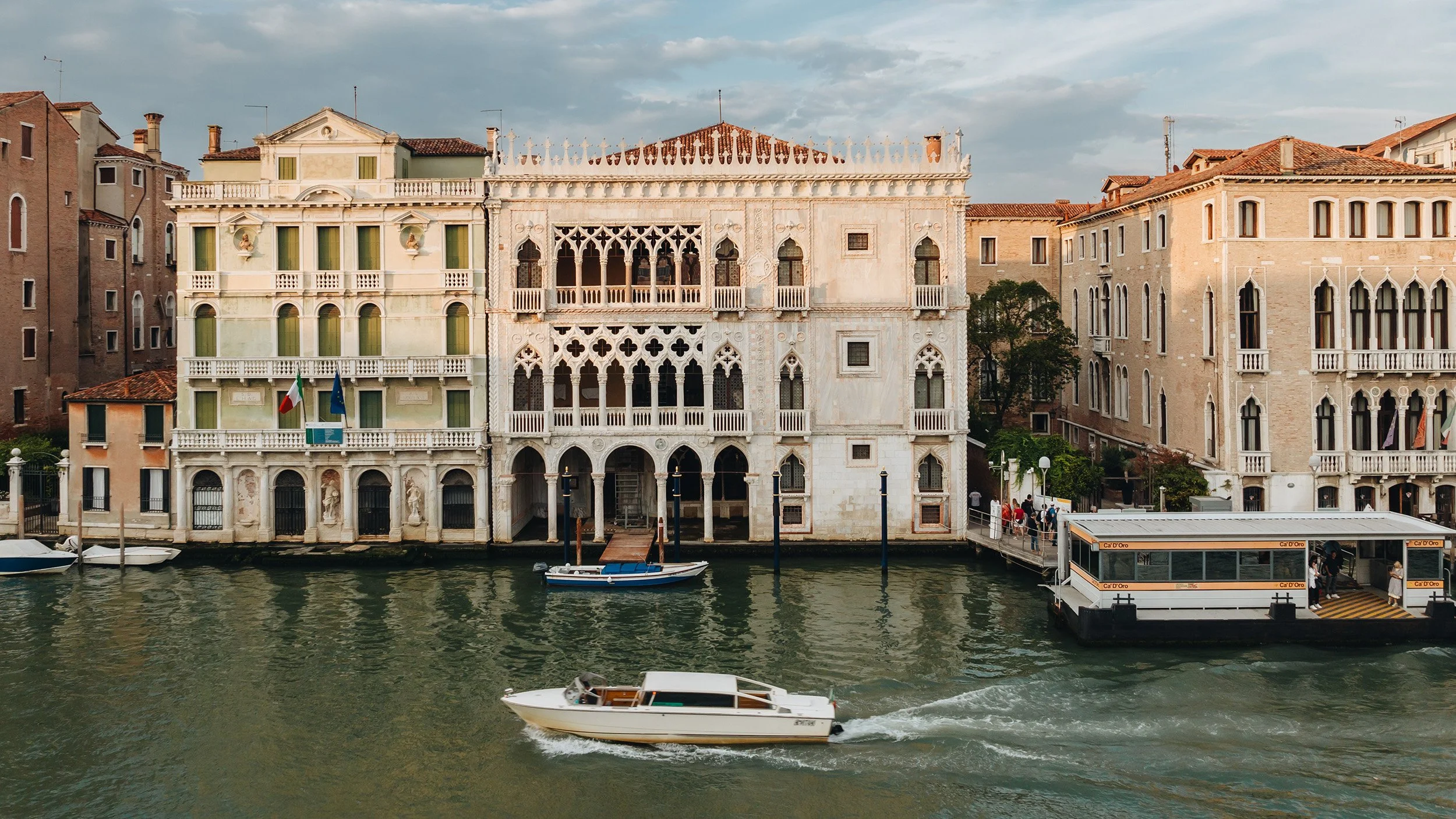
Subtle light across Galleria Franchetti Ca' d'Oro
Image © — @casambi_technologies
MUSEUM
Ca' d'Oro — Gothic Palazzo to Art Museum
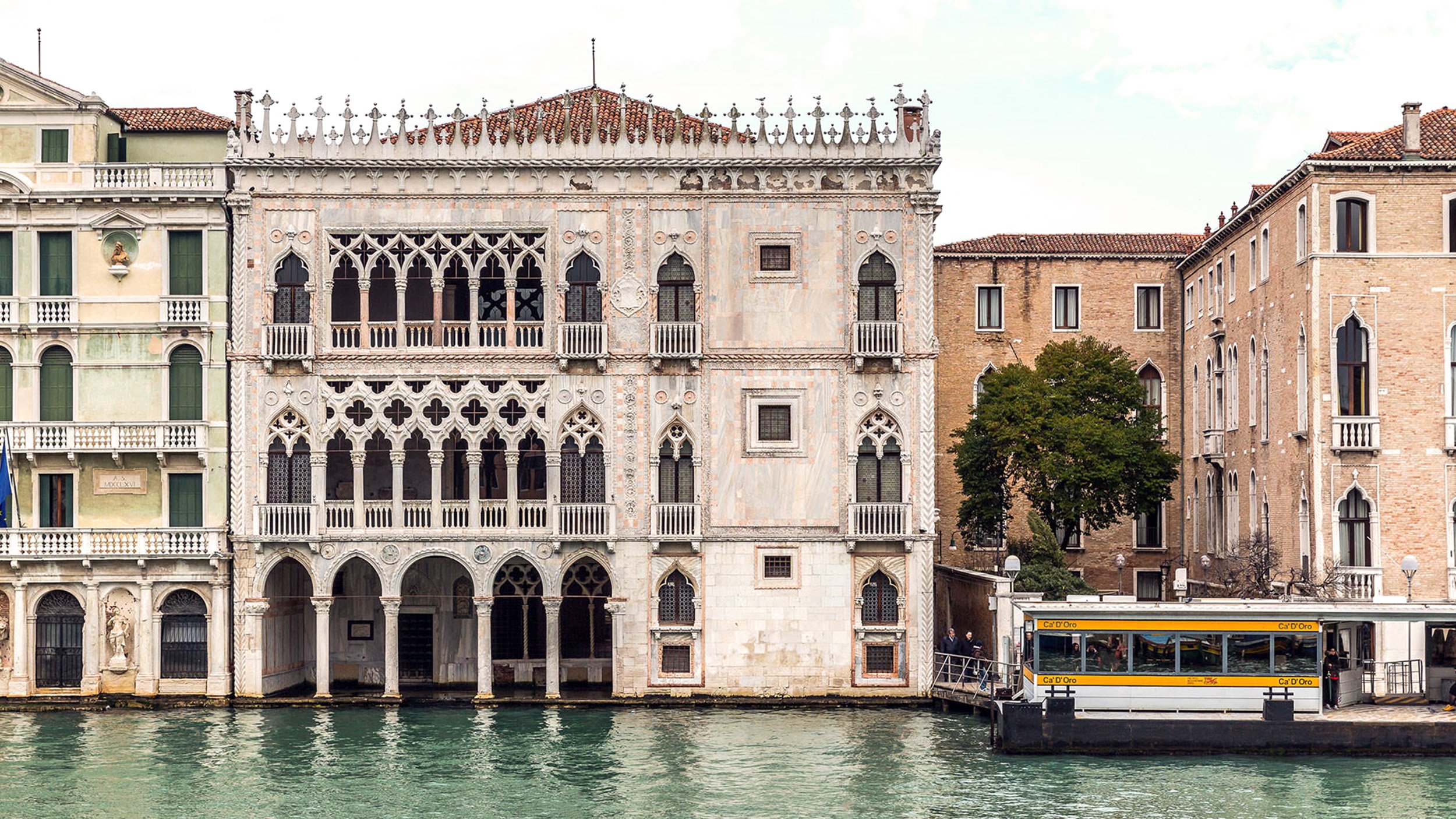
Built on the Grand Canal for merchant Marino Contarini, the Gothic palazzo has survived alteration, restoration and reinvention to become the Galleria Giorgio Franchetti
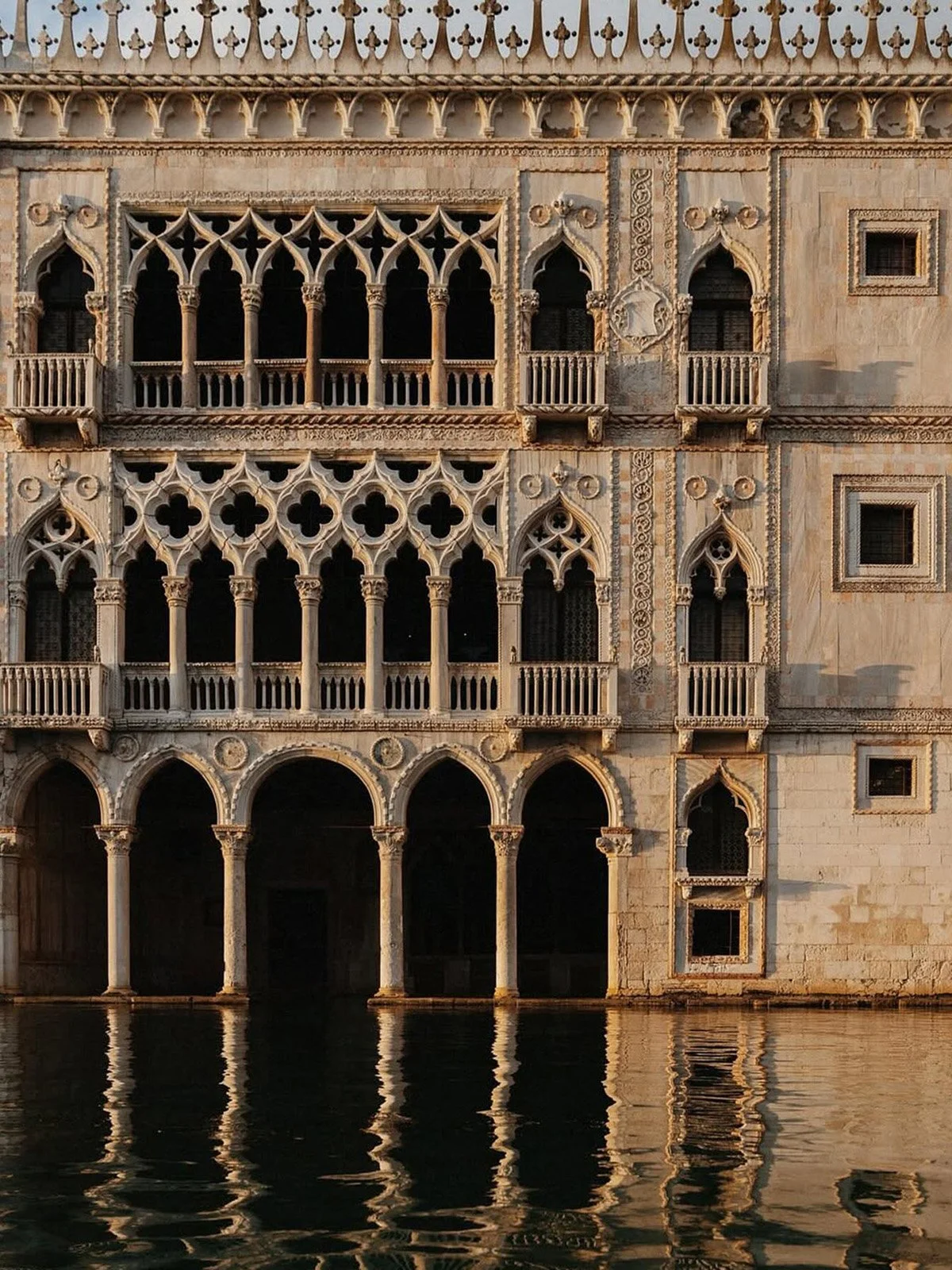
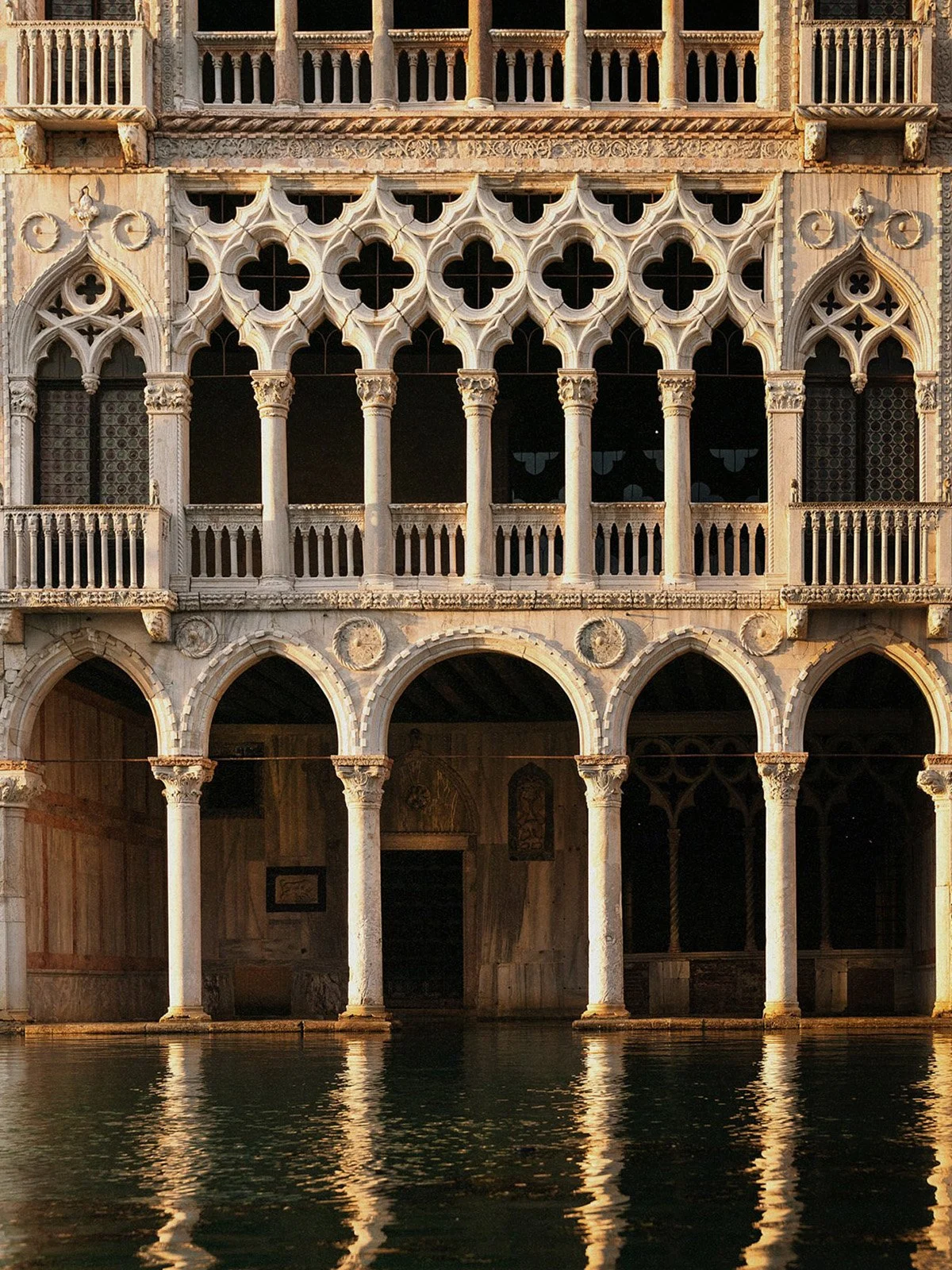
Reflections of Galleria Franchetti Ca' d'Oro in the still canal waters
Image © — @marcovalmarana
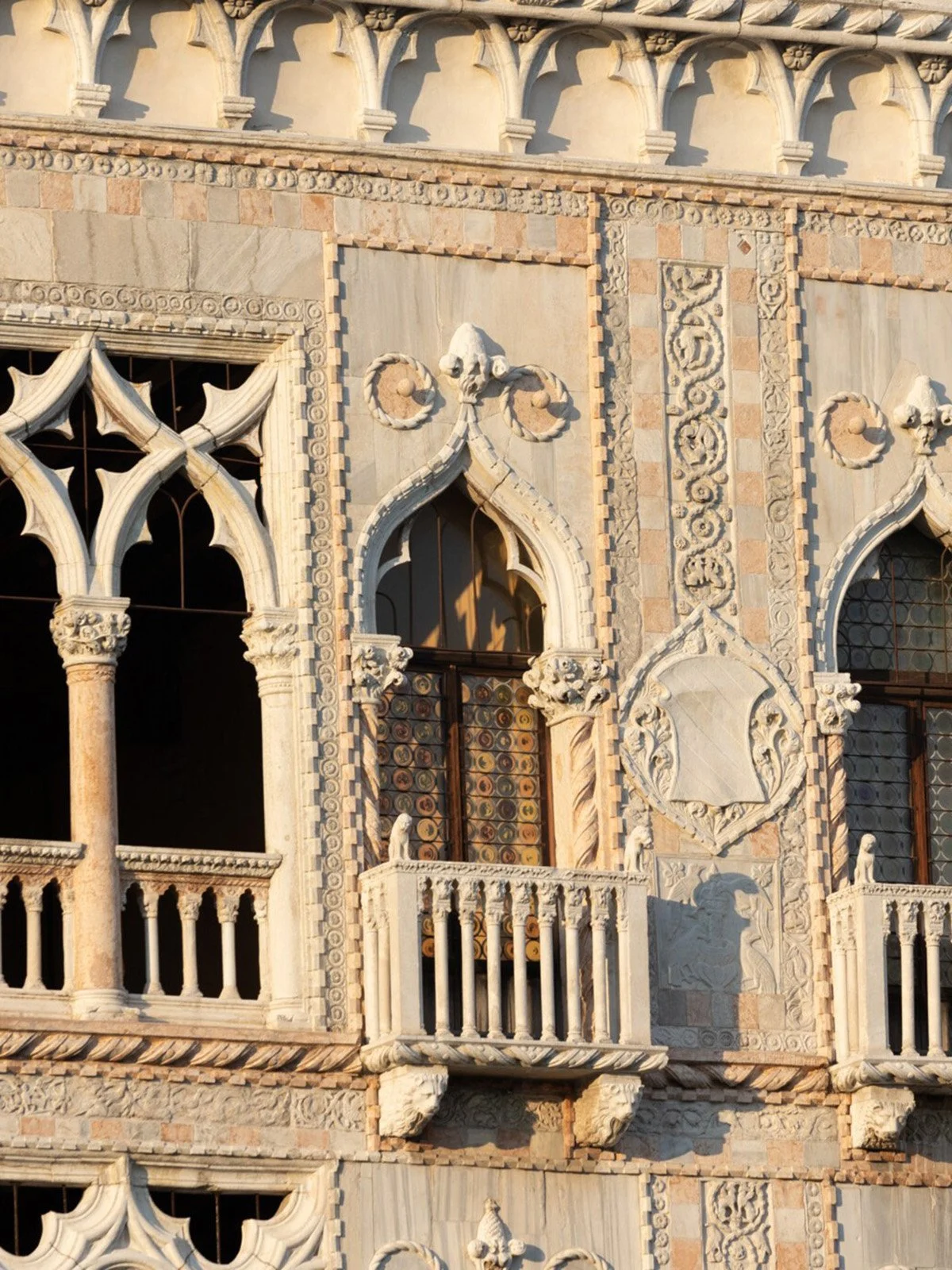
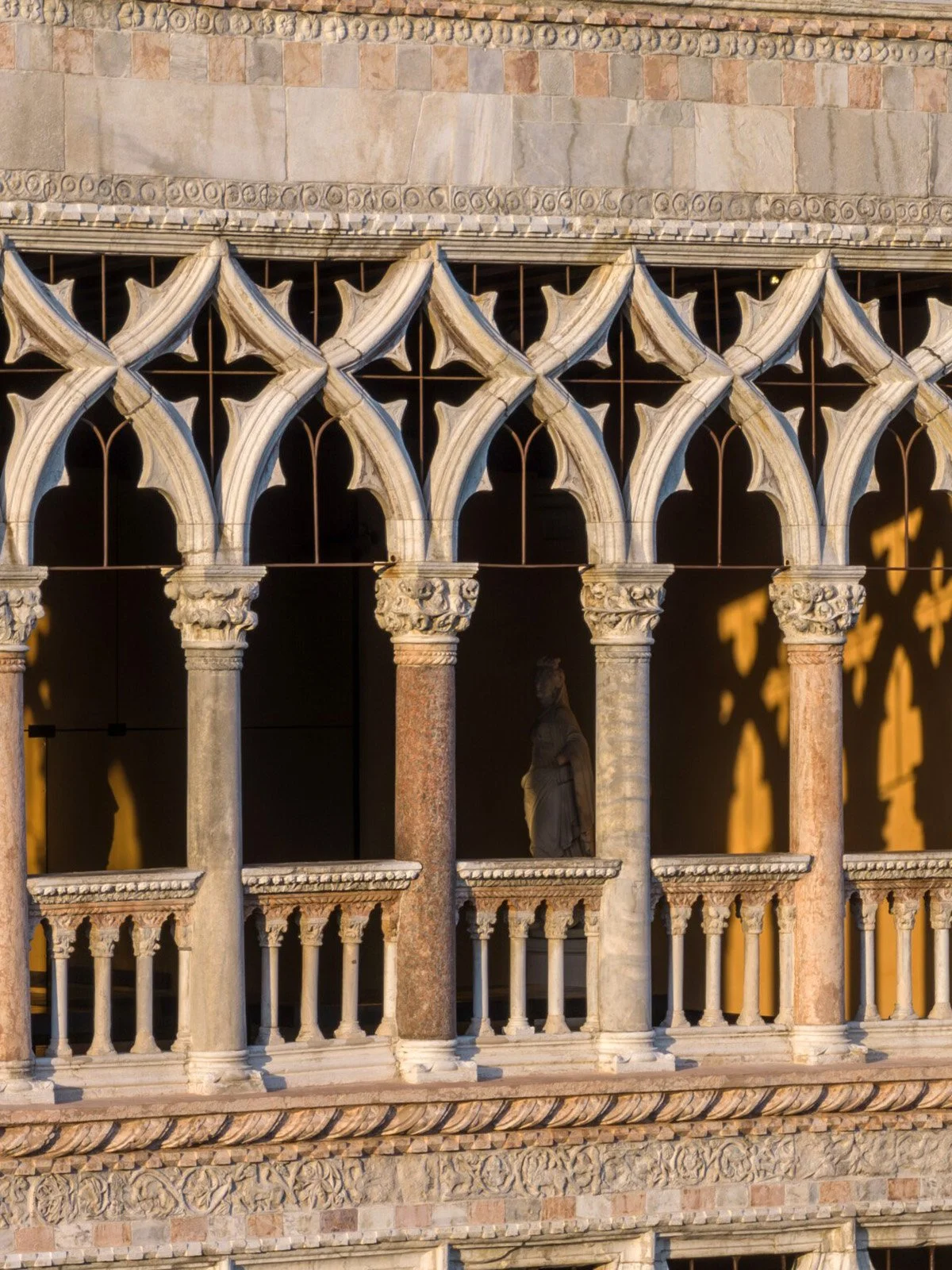
Galleria Franchetti Ca' d'Oro’s intricate details
Image © — @casambi_technologies
On the Grand Canal, where Venice has never been particularly shy about architectural display, Ca’ d’Oro still manages to stand apart. Built between 1421 and 1440 for the merchant Marino Contarini, the palace was conceived as an explicit demonstration of wealth, craftsmanship and taste. Delicate Gothic tracery rises across the water-facing façade, its asymmetrical loggias and polychrome surfaces creating an architecture of extraordinary lightness. Gilded decoration once made the building shimmer so distinctly that it became known simply as the House of Gold
The brilliance of Ca’ d’Oro, however, lies not only in what survives from the 15th century, but in the successive acts of reinvention that have shaped the palace since. Over time, parts of its original fabric were altered, removed or lost, and by the late 19th century much of the building’s character had been compromised. Its recovery would become inseparable from the vision of one collector
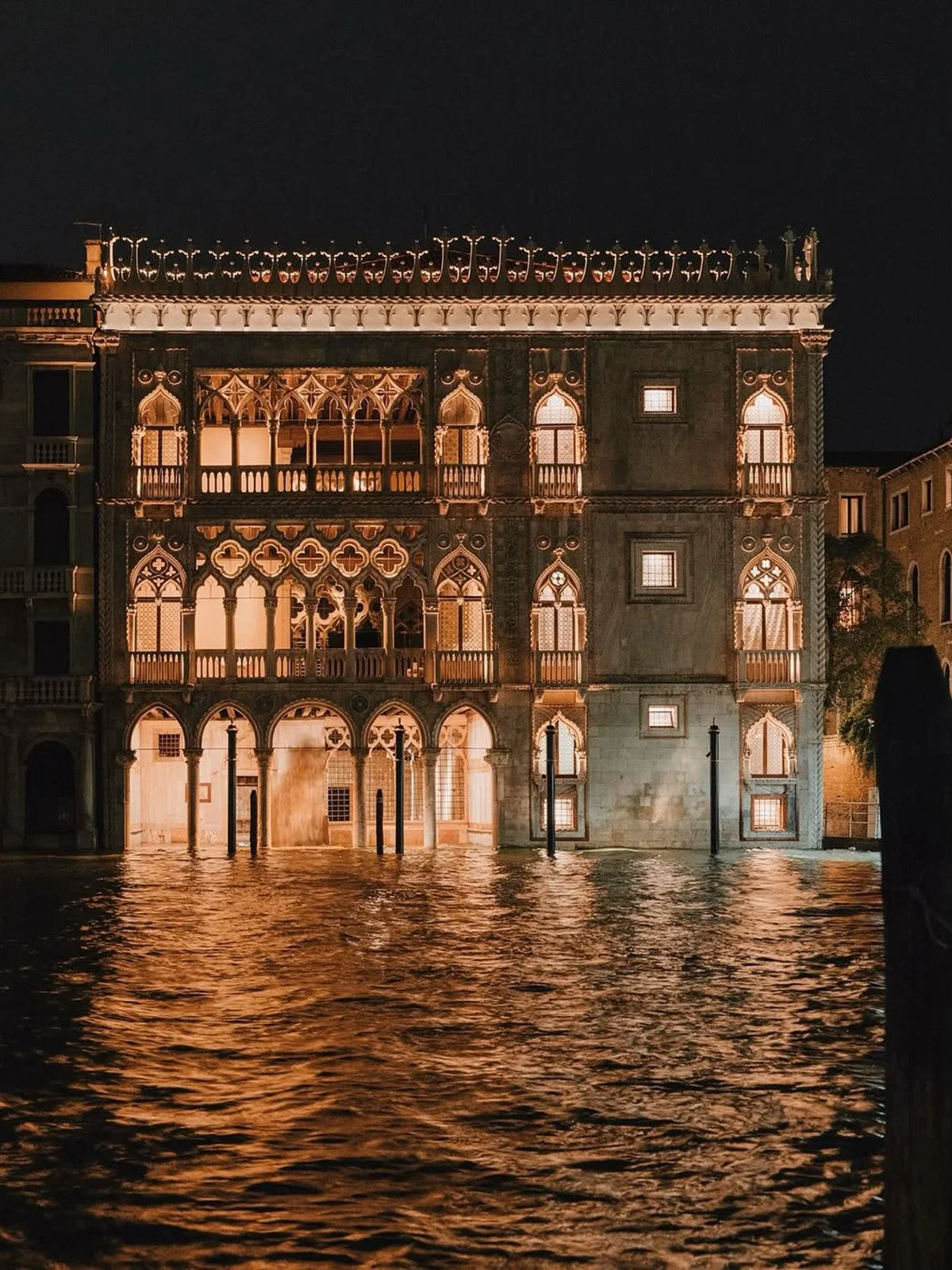
Galleria Franchetti Ca' d'Oro illuminated at night
Image © — @danieleventurelliphoto
Galleria Franchetti Ca' d'Oro’s intricate details
Image © — @casambi_technologies
In 1894, Baron Giorgio Franchetti acquired Ca’ d’Oro and began an ambitious restoration of the palazzo. His project went beyond architectural repair. Franchetti conceived the building as a setting for his growing collection, allowing sculpture, painting and decorative arts to exist in direct relationship with the historic rooms around them. When he later donated the palace and its contents to the Italian state, he effectively preserved not just a collection, but a complete curatorial idea. The museum opened in 1927 as the Galleria Giorgio Franchetti
That relationship between architecture and object remains central to the experience of Ca’ d’Oro. The palace does not behave as a neutral museum shell. Its courtyard, stairways and richly worked surfaces continually compete for attention with the works on display, while openings towards the Grand Canal return the city itself to the composition. Art is encountered within a sequence of rooms whose proportions, materials and historical weight remain impossible to ignore
Galleria Franchetti Ca' d'Oro canal entrance
Image © — @marcovalmarana
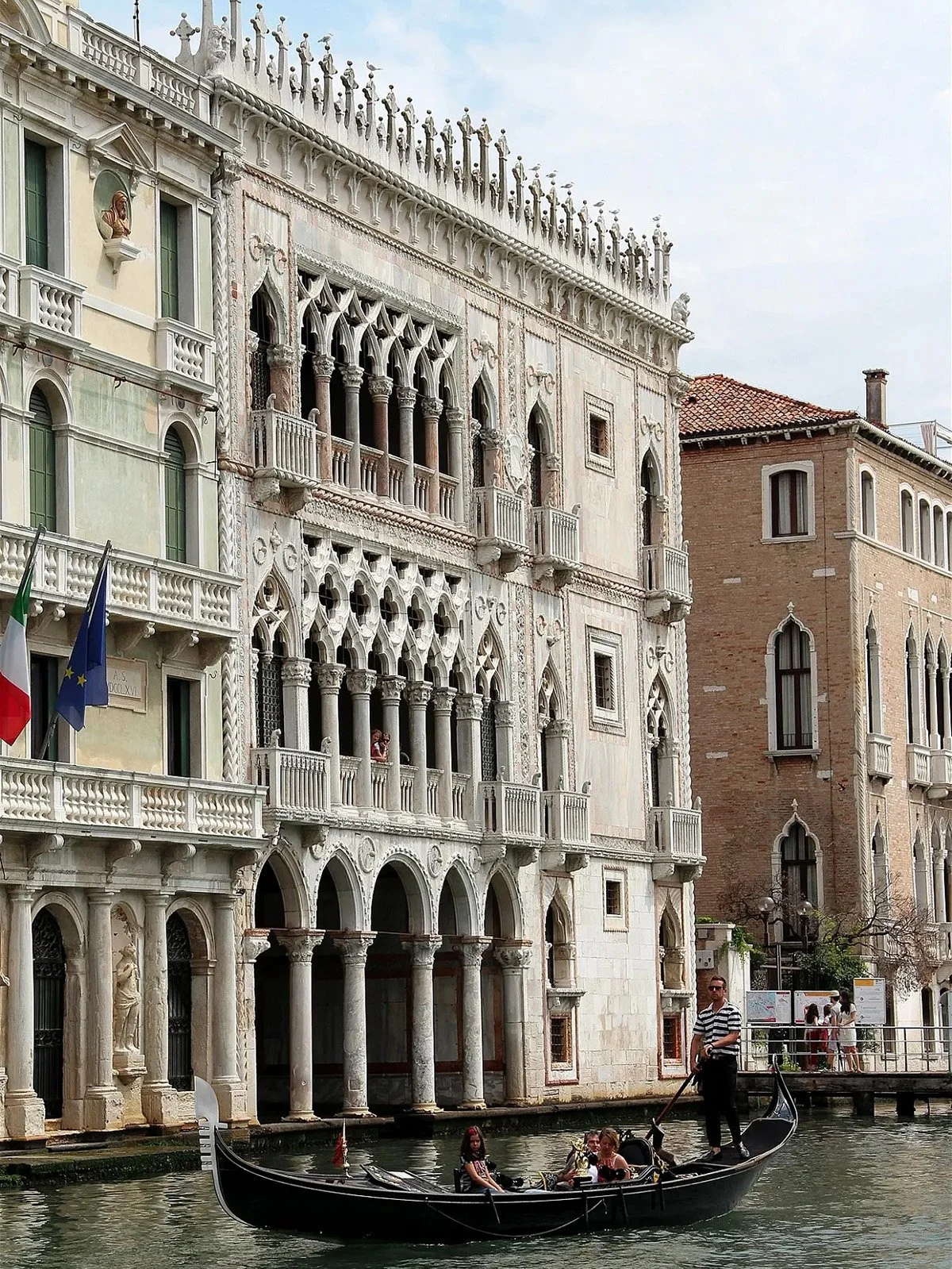
A gondola travelling past Galleria Franchetti Ca' d'Oro
Image © — @galleriagiorgiofranchetti
Franchetti understood this instinctively. His restoration ensured that the building itself would continue to be read as part of the collection, rather than merely the structure containing it. In this sense, Ca’ d’Oro operates less like a conventional museum and more like a total environment, where architecture, collecting and display are deliberately entangled
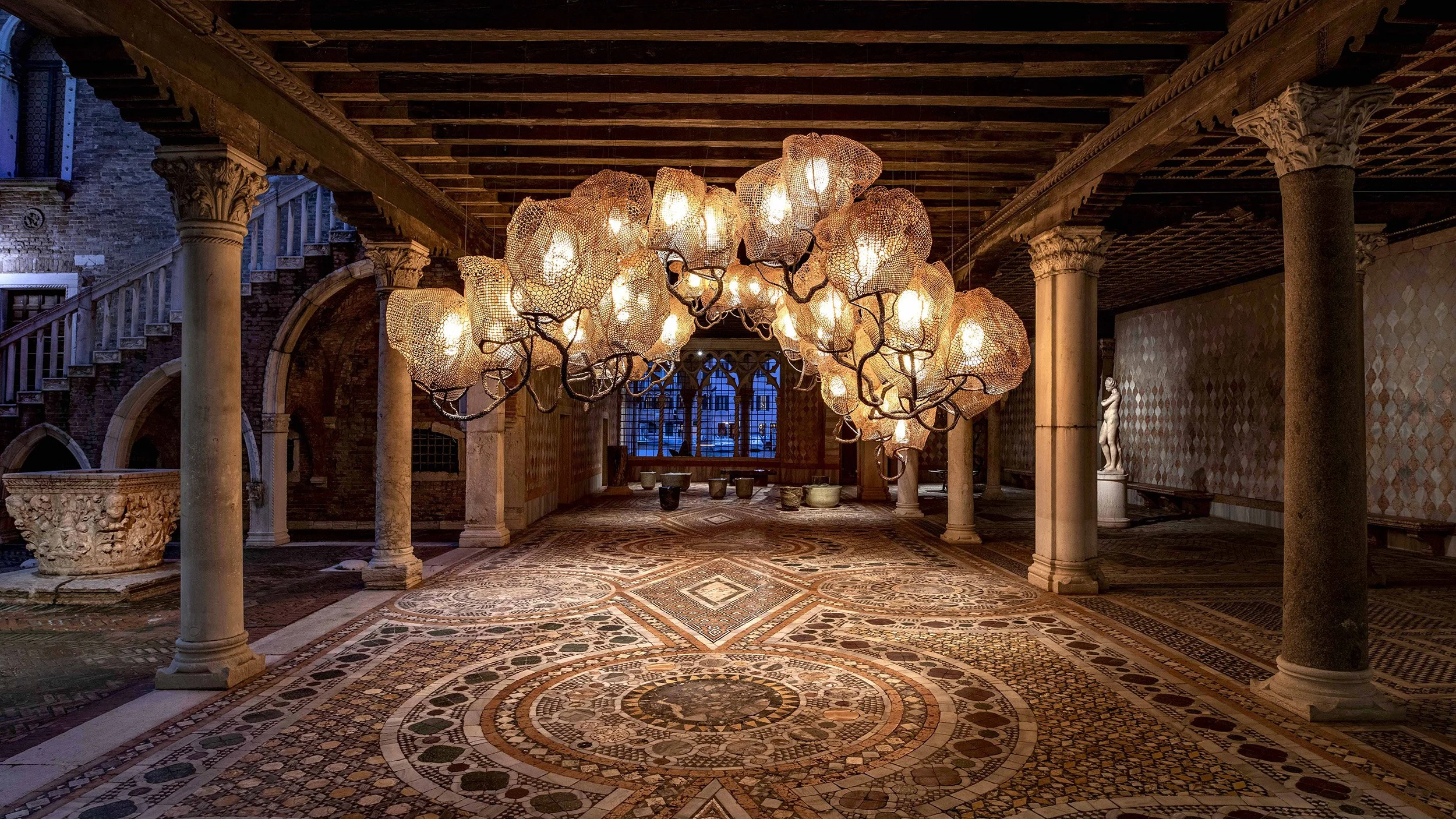
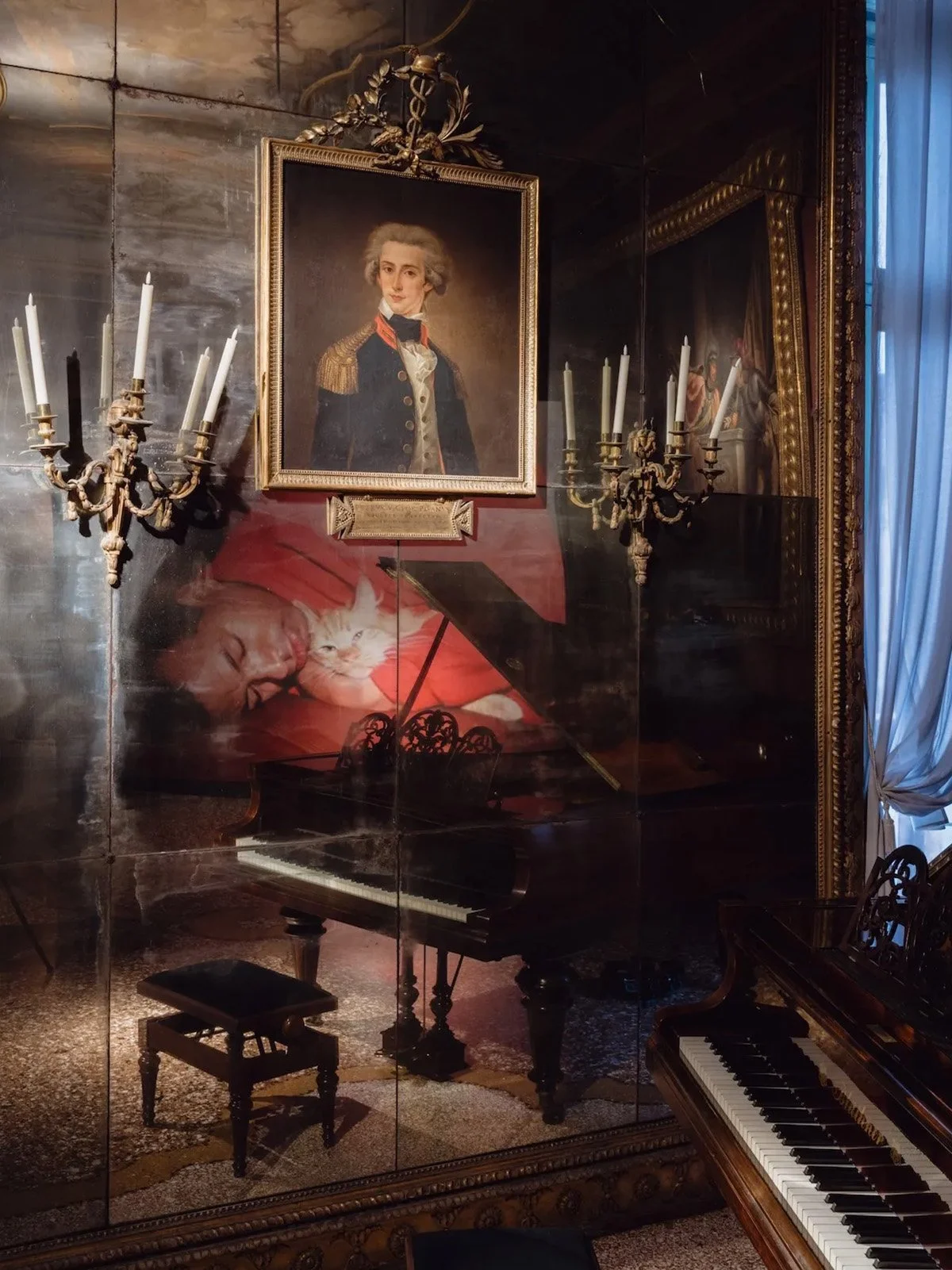
In 2019, that dialogue moved decisively into the present when Carpenters Workshop Gallery staged A Dysfunctional Exhibition at the Galleria Giorgio Franchetti during the 58th Venice Biennale. Contemporary collectible design was inserted throughout the historic interiors, creating moments of friction between newly made objects and centuries-old Venetian architecture
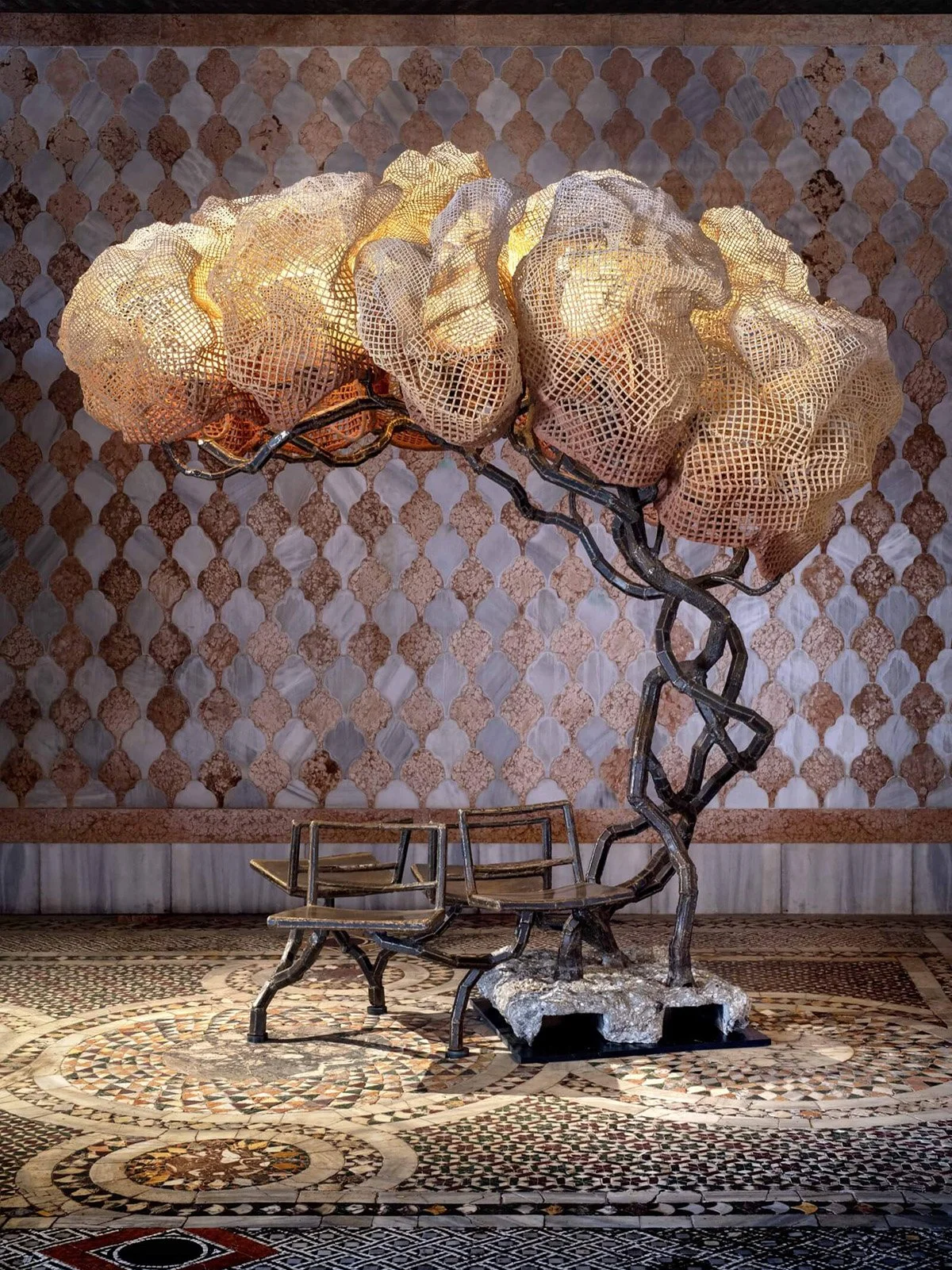
Nacho Carbonell, ‘Under a Light Tree’, Light Mesh series (2019)
Image © — @carpentersworkshopgallery
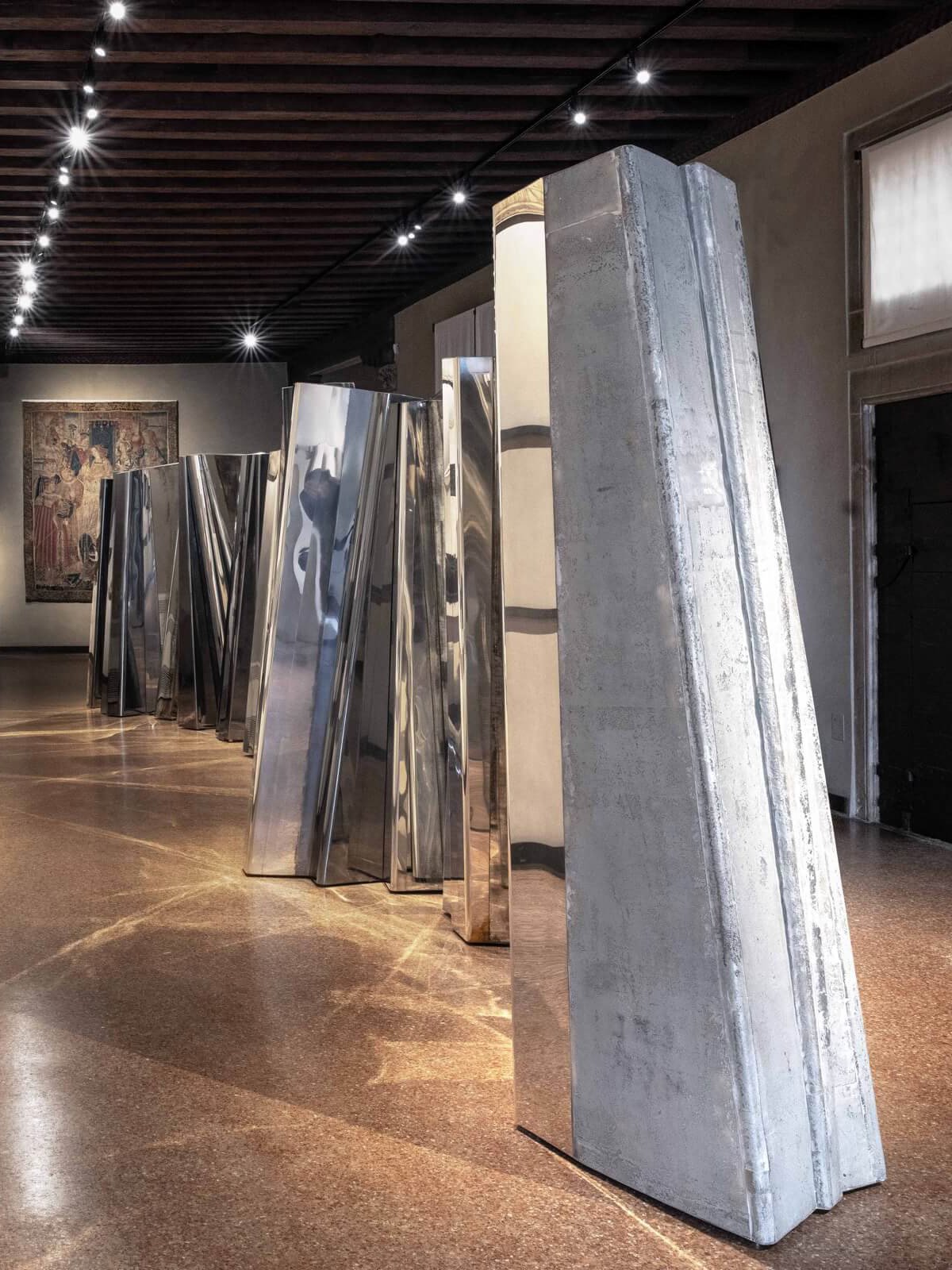
Vincenzo De Cotiis, ‘Ode’ (2019)
Image © — @carpentersworkshopgallery
The exhibition worked because Ca’ d’Oro already possesses a long history of objects entering, leaving and changing the way its rooms are understood. Contemporary furniture and sculptural design did not simply sit against an antique background; their materials and silhouettes were sharpened by the Gothic tracery, marble surfaces and accumulated art history surrounding them. The palace became an active participant in the installation
Ca’ d’Oro is now undergoing another broader phase of restoration and restyling with support from Venetian Heritage. The process continues a pattern that has defined the building for centuries. Rather than preserving the palazzo as evidence of one perfectly resolved historical moment, each generation has altered the way it is seen and used
Nacho Carbonell, 58th Venice Biennale. “Dysfunctional,” presented by the Carpenters Workshop Gallery (2019)
Image © — @carpentersworkshopgallery
That may be the real source of Ca’ d’Oro’s endurance. It remains a 15th-century Gothic palace and a museum shaped by Giorgio Franchetti’s collecting, yet it is also an architecture still capable of absorbing contemporary intervention. On the Grand Canal, the House of Gold continues to change, and in Venice, reinvention has always been one of the most convincing forms of survival
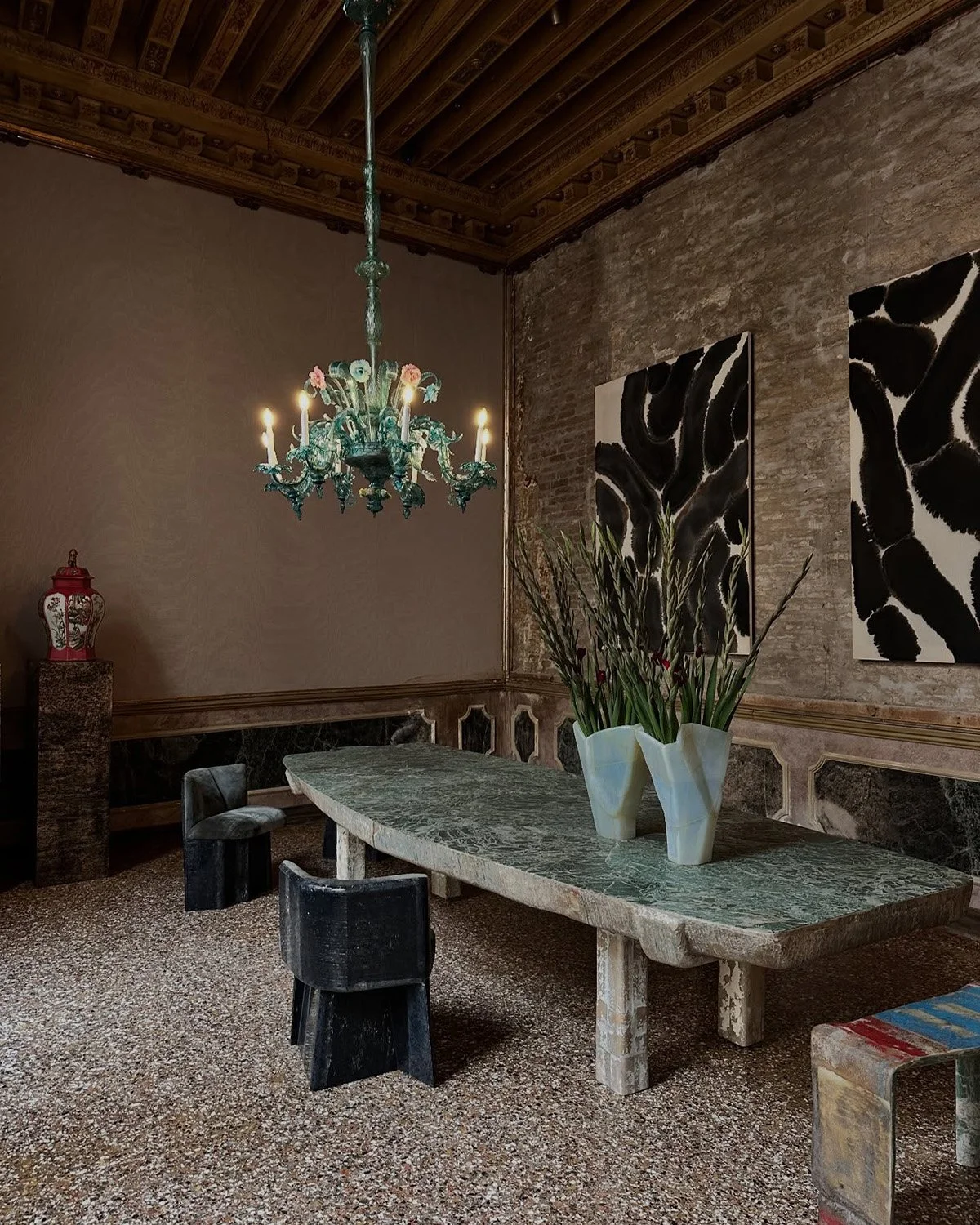
Vincenzo De Cotiis Foundation through the lens of an Art Advisor
—
An art advisor’s iPhone photos trace the Vincenzo De Cotiis Foundation within Palazzo Giustinian Lolin, Venice
Dries Van Noten Makes Beauty an Act of Protest in Venice
—
The Belgian designer’s new foundation opens at Palazzo Pisani Moretta with an exhibition devoted to craftsmanship, contradiction and the difficult pursuit of beauty