

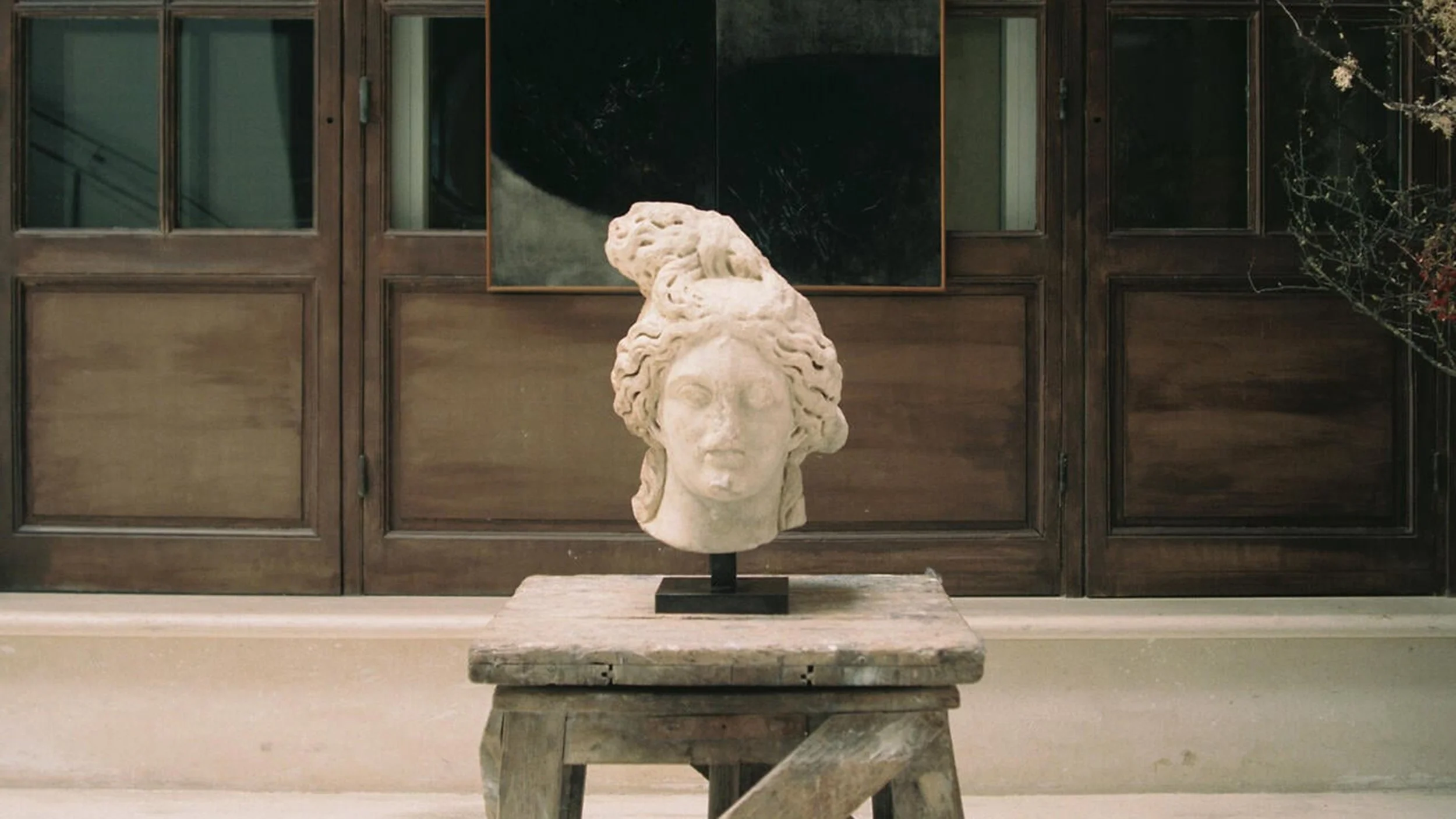
Le corps, fragments et abstractions
Image © — @galerie.chenel
ART & OBJECTS
Galerie Chenel Places Roman Sculpture in a Contemporary Parisian Frame
From its Quai Voltaire gallery opposite the Louvre, the family-run specialist has built an international reputation around archaeological objects, provenance and the enduring presence of antiquity
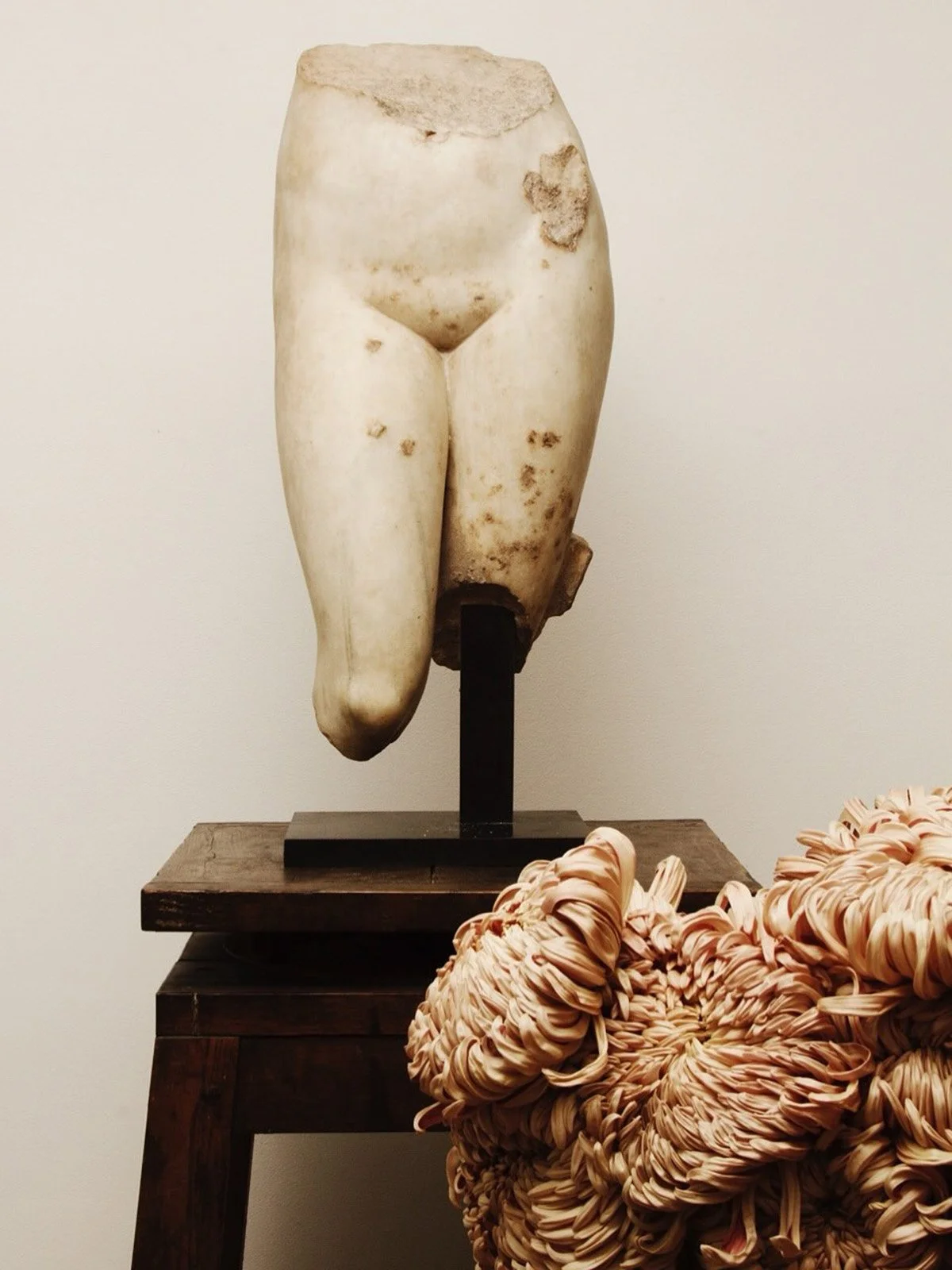
Fragment of a Venus, Roman, circa 1st century AD, marble
Image © — @galerie.chenel
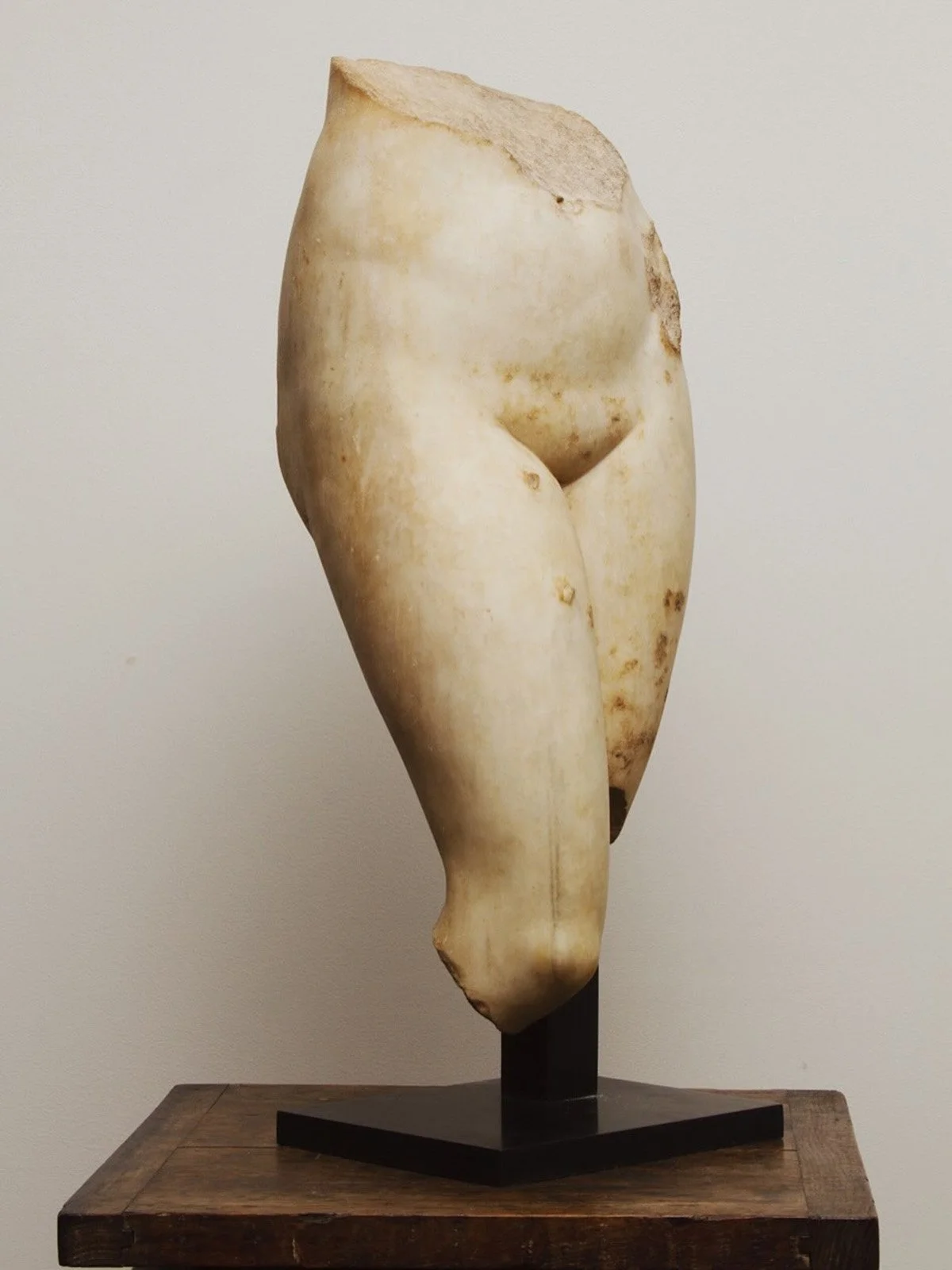
Fragment of a Venus, Roman, circa 1st century AD, marble
Image © — @galerie.chenel
On Quai Voltaire in Paris, directly opposite the Louvre, Galerie Chenel presents antiquity within a distinctly contemporary setting. Founded in 1999, the family-run gallery is driven by a long-standing passion for sculpture and specialises in archaeological objects, with particular emphasis on Roman art. Rather than treating ancient works as distant historical artefacts, the gallery gives them space to be encountered as objects of form, material and presence
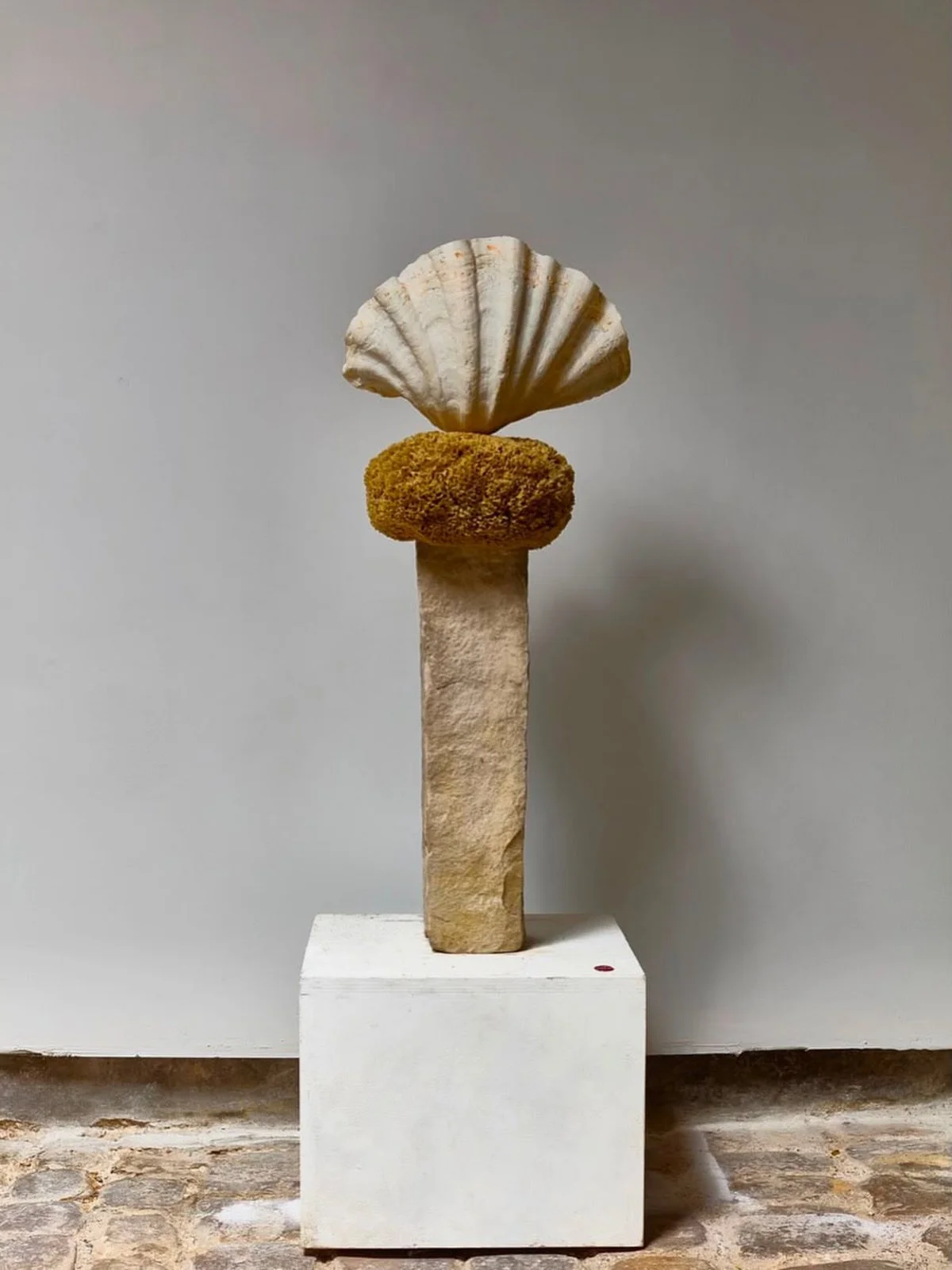
Echora, 2026, Stone, sponge and shell
Image © — @galerie.chenel
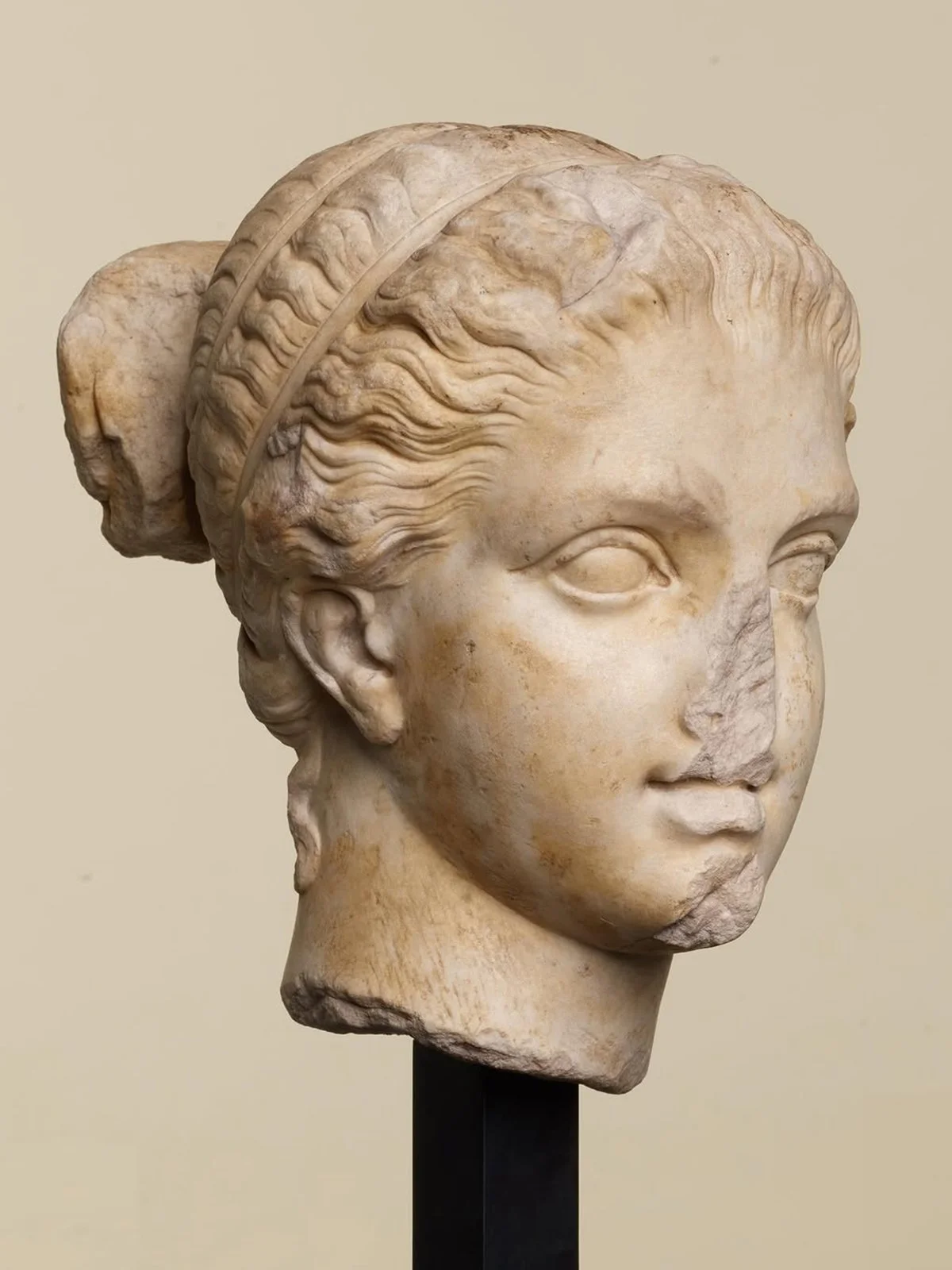
Head of a Maenad, Roman, 1st century AD, marble
Image © — @galerie.chenel
The exhibition space itself reinforces this approach. Conceived as a restrained setting for antique sculpture, the gallery functions almost as a shrine, where clean architectural lines and carefully controlled displays allow fragmented torsos, carved heads and marble figures to stand apart from the density of their historical context. The result is a dialogue between antiquity and contemporary presentation, revealing how radically modern ancient sculpture can still appear
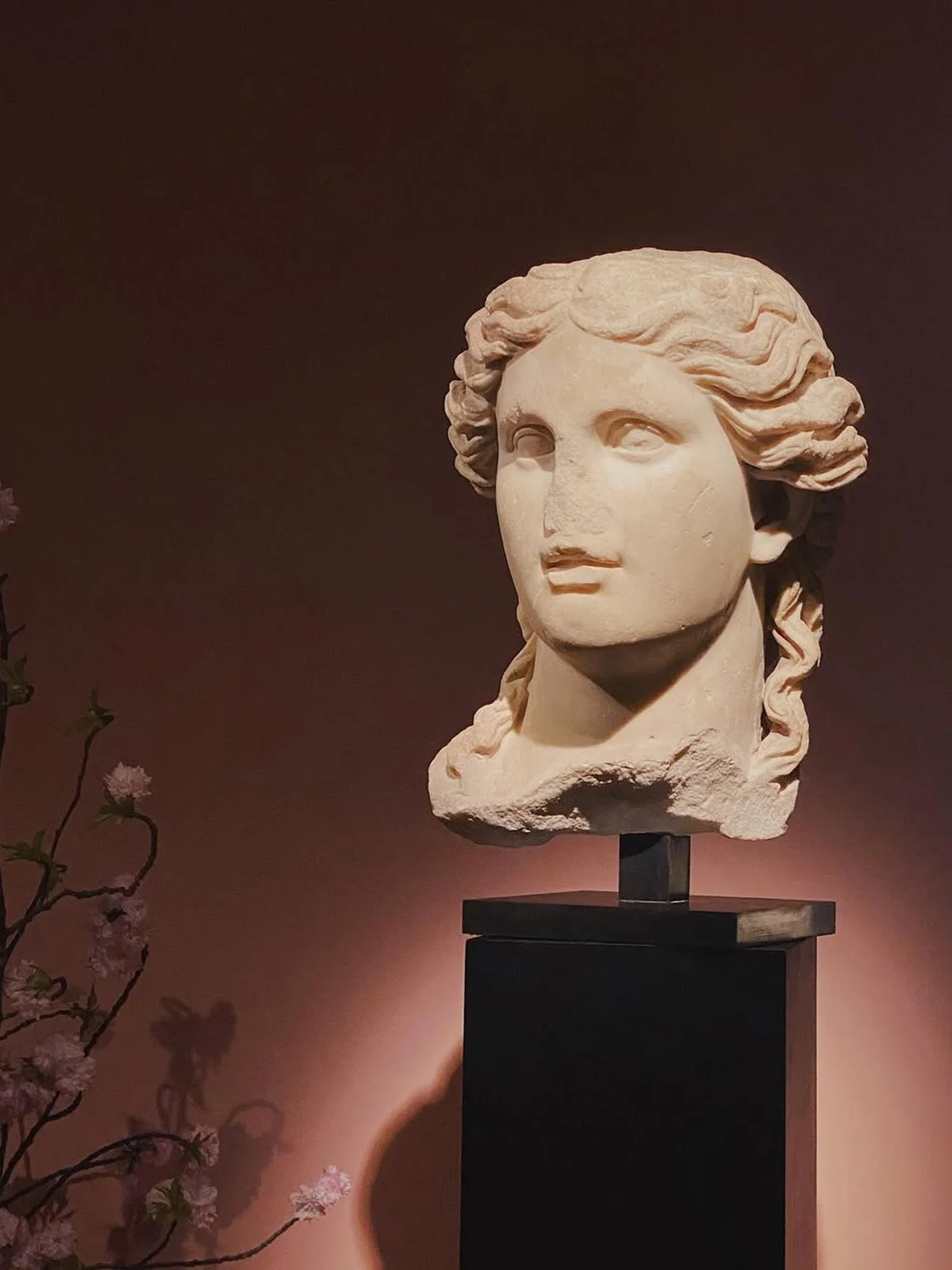
Head of Apollo, Roman, mid 2nd century AD, marble
Image © — @galerie.chenel
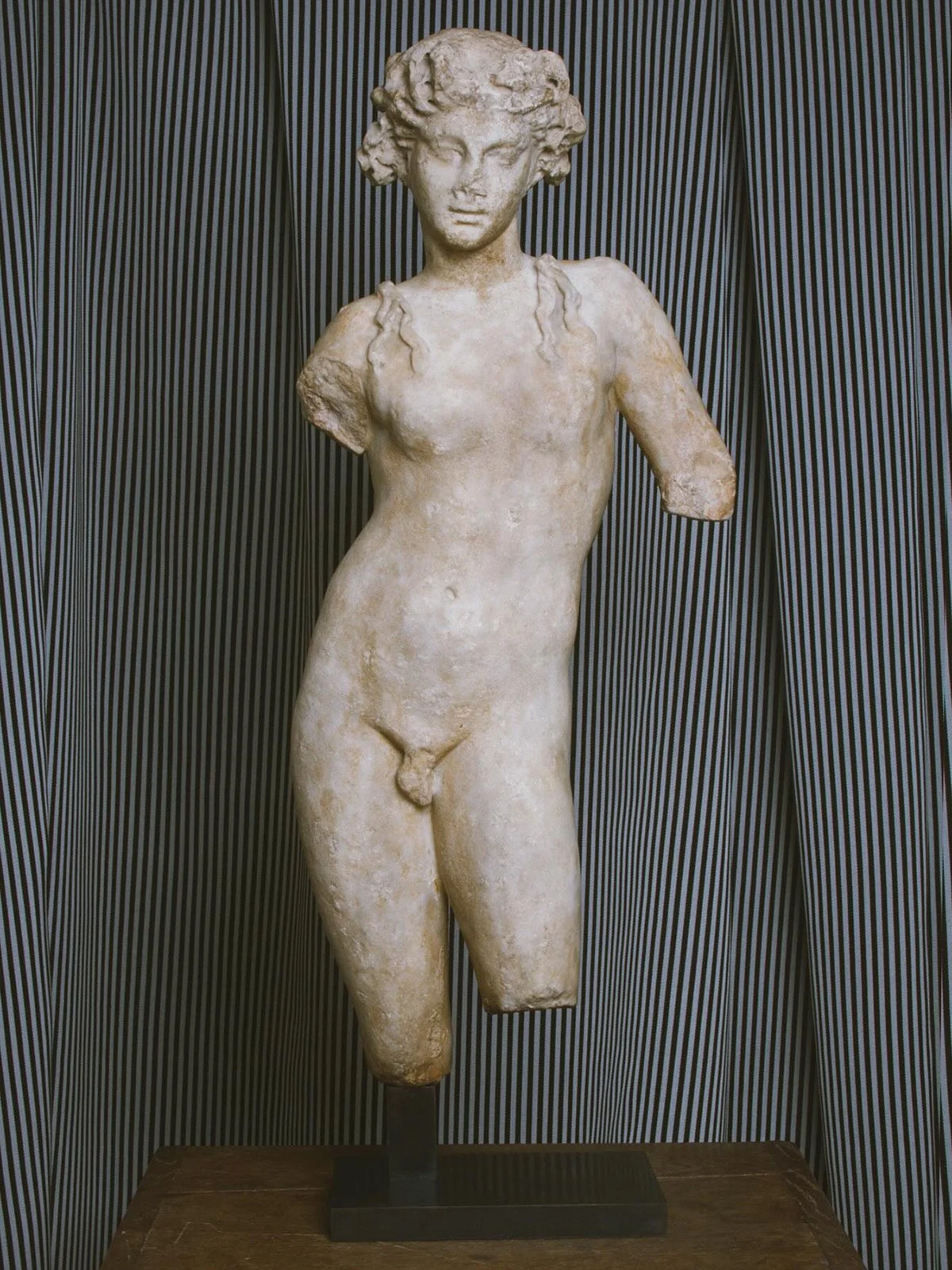
Young Dionysos, Roman, 1st - 2nd century AD, marble
Image © — @galerie.chenel
Galerie Chenel has grown into an international presence, organising thematic exhibitions in Paris while participating in major fairs including Frieze Masters London, TEFAF New York and TEFAF Maastricht. Its clientele extends from museum curators and established collectors to decorators and art lovers, reflecting the gallery's position between scholarship, connoisseurship and the interiors in which ancient objects increasingly find new lives
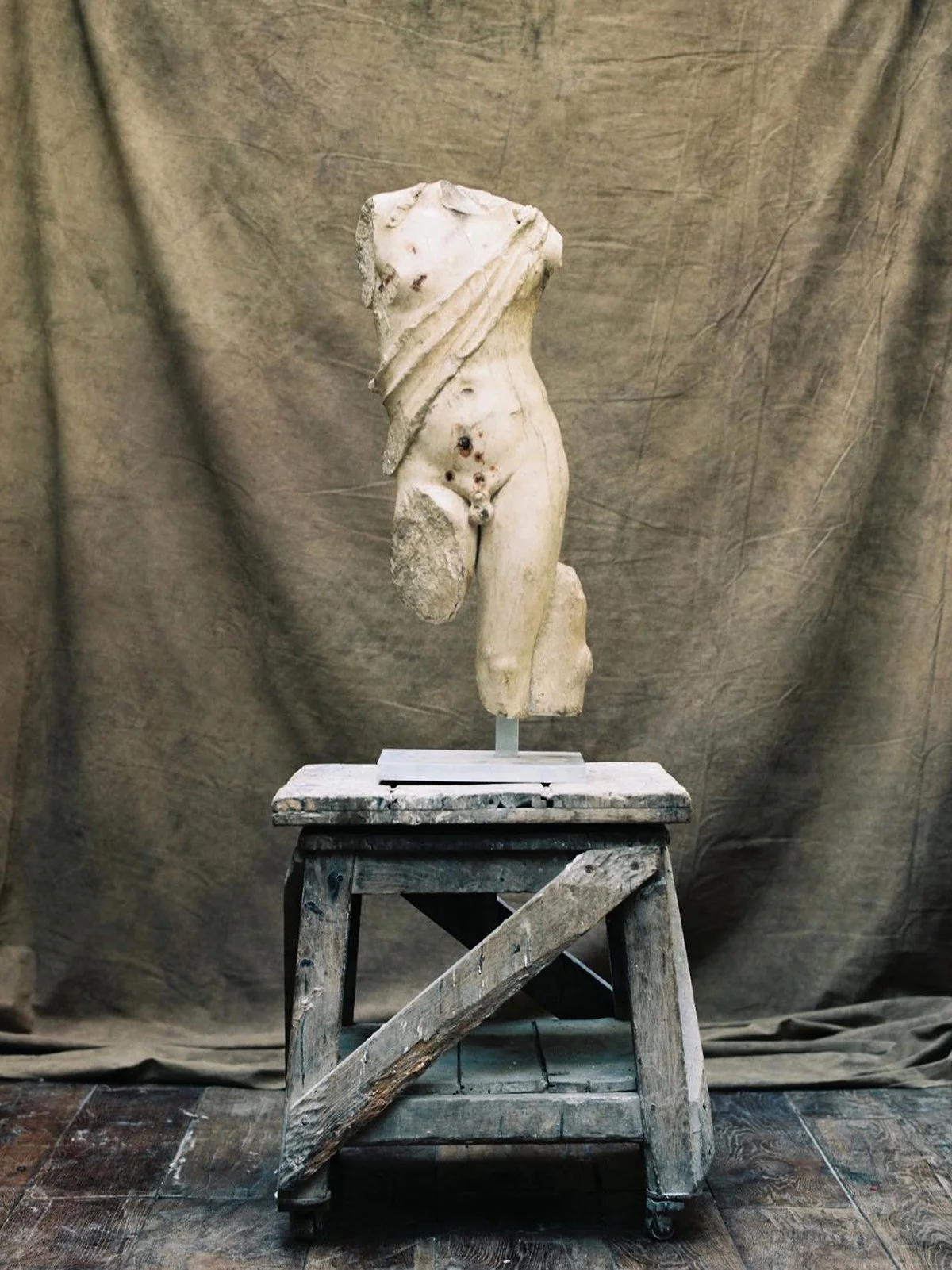
Torso of Dionysus, Roman, 1st - 2nd century AD, marble
Image © — @galerie.chenel
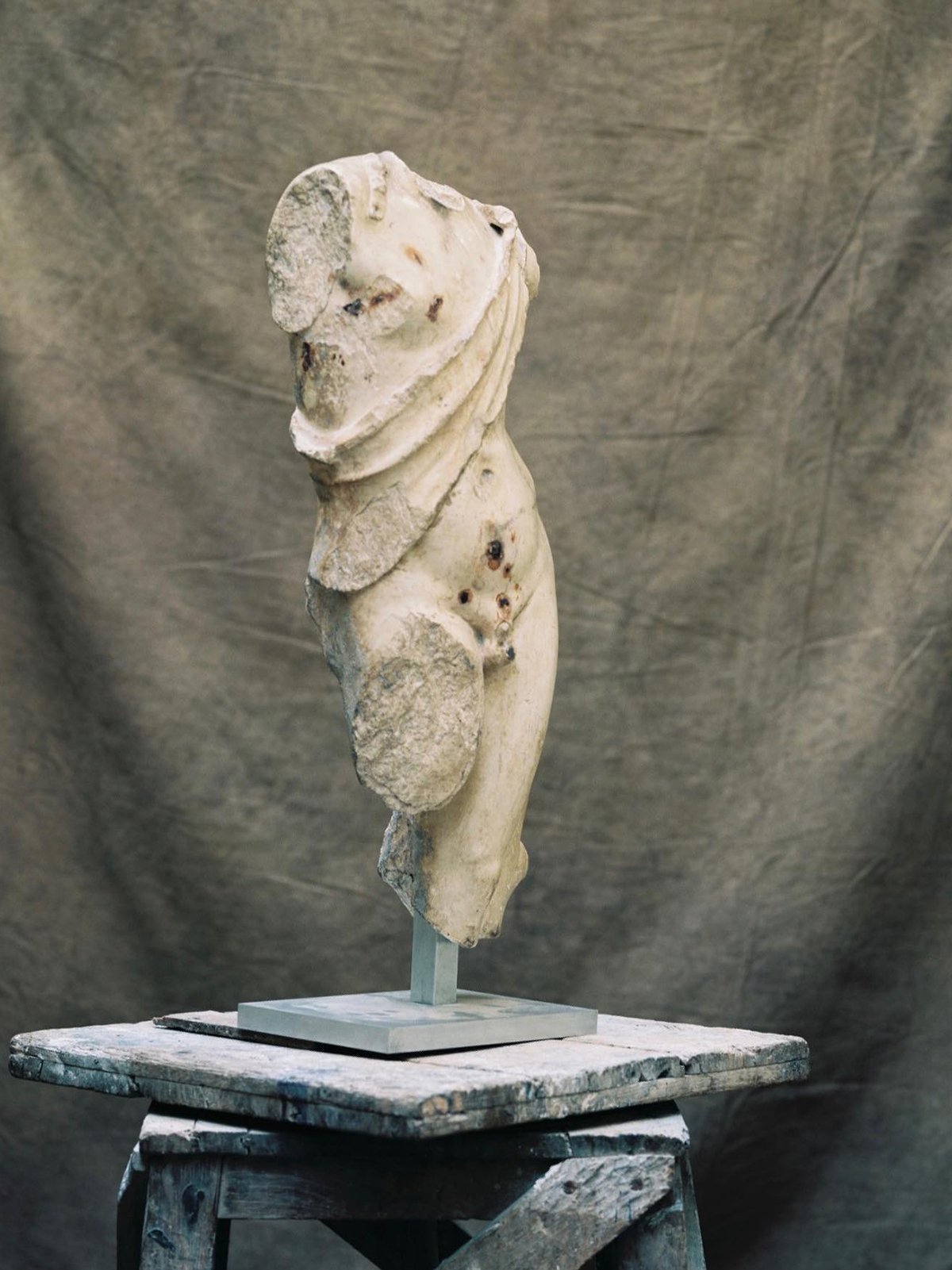
Torso of Dionysus, Roman, 1st - 2nd century AD, marble
Image © — @galerie.chenel
Central to the gallery's work is a rigorous emphasis on provenance, expertise and authenticity. This focus has supported acquisitions by some of the world's leading institutions, including the Louvre Museum, The Metropolitan Museum of Art, the British Museum and the Museum of Fine Arts, Boston. The gallery is also a member of the Syndicat National des Antiquaires and the International Association of Dealers in Ancient Art
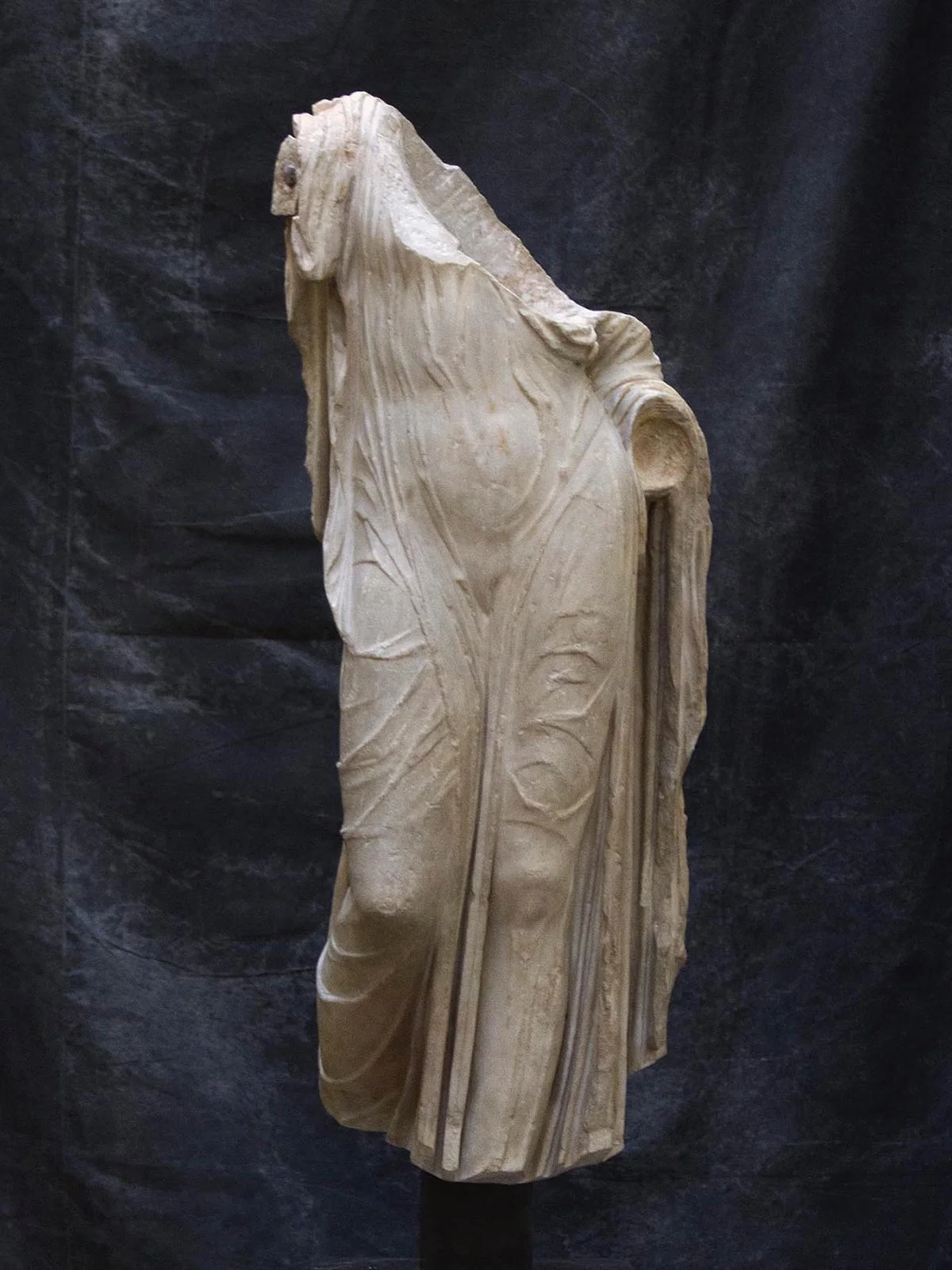
Aphrodite, the so-called Venus Genitrix, Roman, 1st century AD, marble
Image © — @galerie.chenel
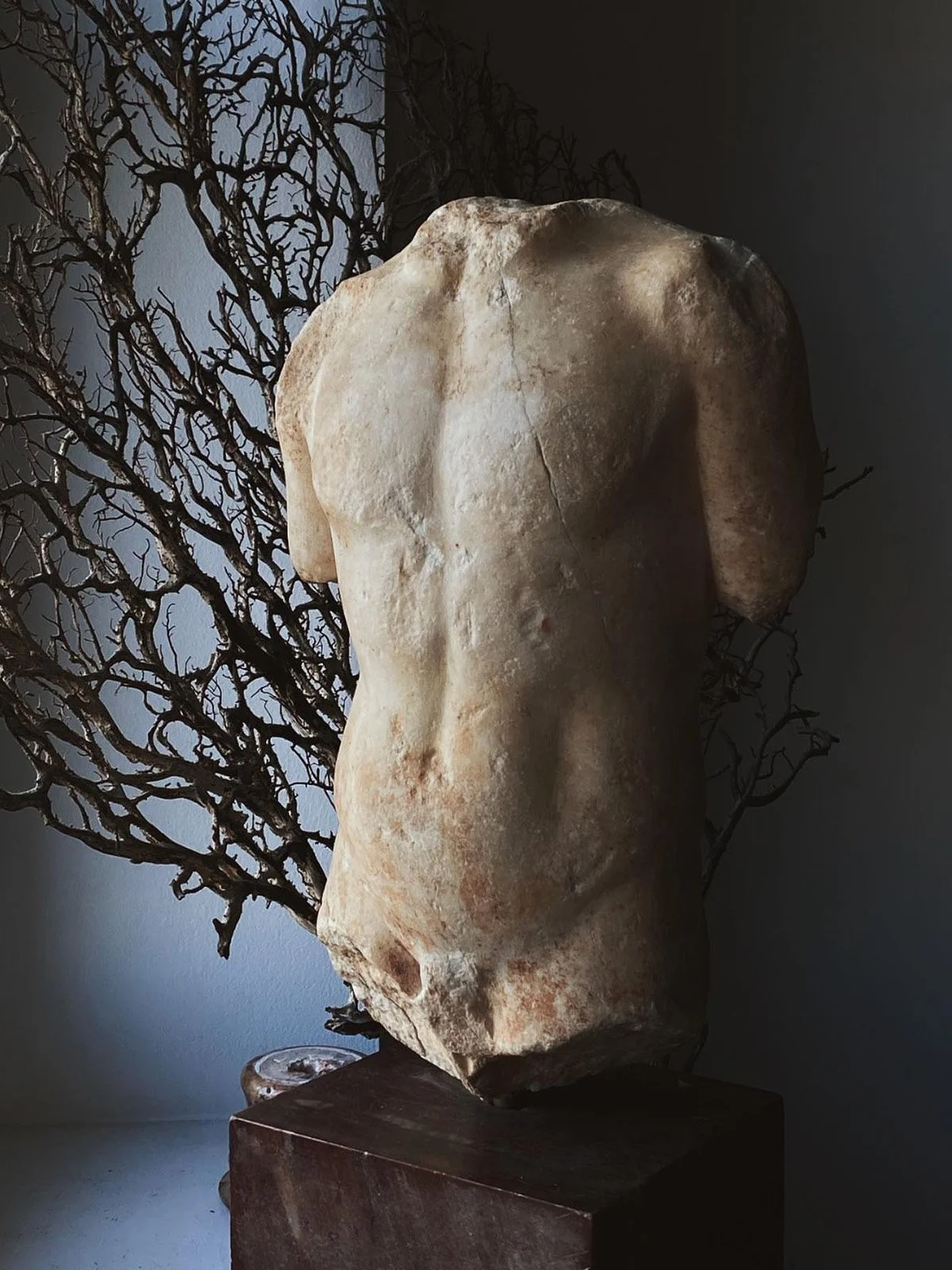
Male Torso, Roman, 1st century BC - 1st century AD, marble
Image © — @galerie.chenel
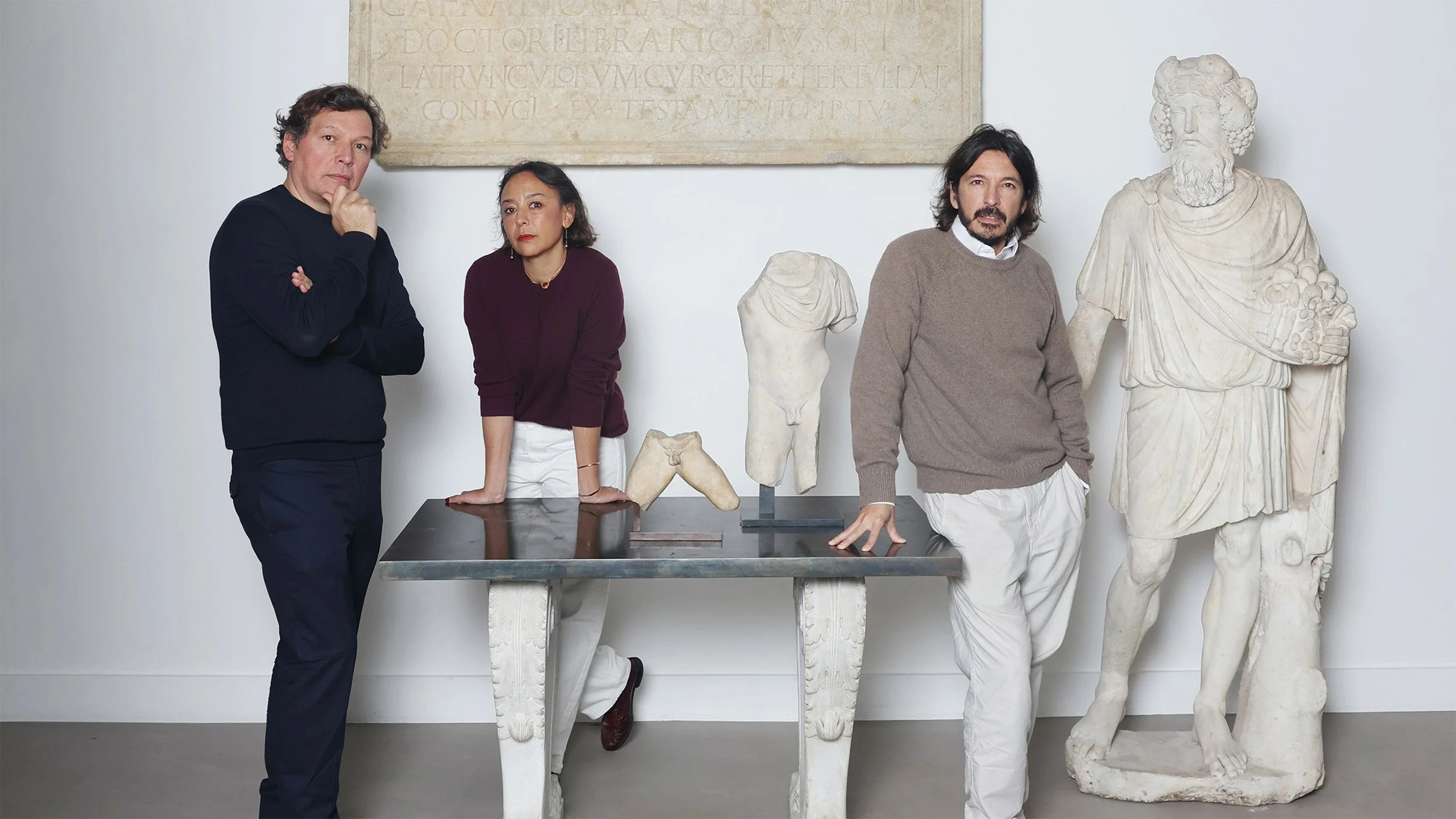
What distinguishes Galerie Chenel, however, is not simply access to important archaeological material. It is the clarity with which these works are presented. In a white, minimal Parisian space, Roman sculpture is stripped of theatrical museum convention and allowed to exist through proportion, surface and age. The gallery's strength lies in that restraint: ancient objects, shown with enough confidence to speak entirely for themselves
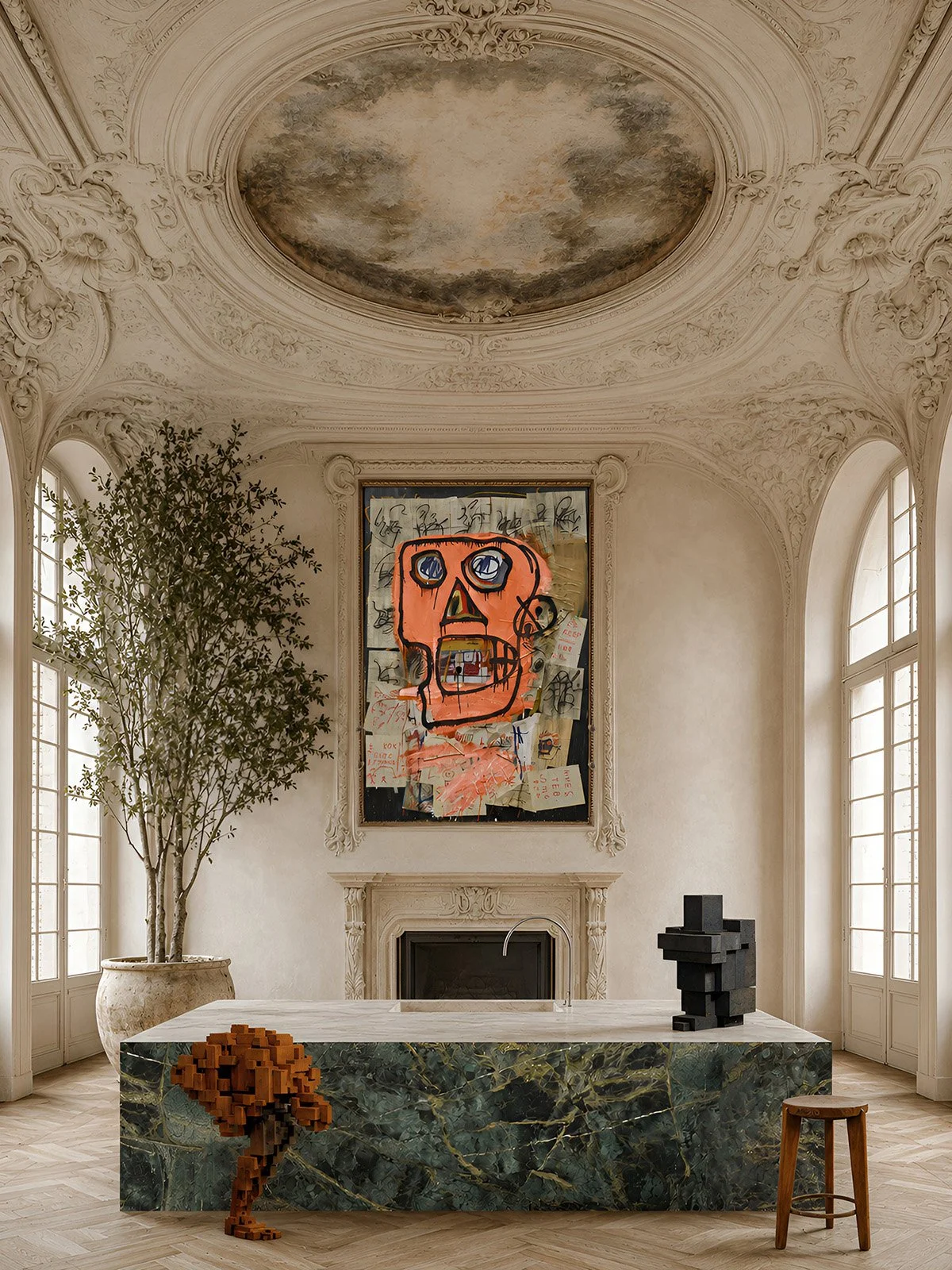
When the Room Becomes Part of the Collection
—
Works by Jean-Michel Basquiat, Antony Gormley, Thomas Houseago, Christopher Wool, Cy Twombly, Kazuo Shiraga and Mark Manders, together with Hellenistic and Roman antiquities, are contextually visualised by interior and furniture designer Brent Lee within interiors where chronology gives way to scale, material and spatial tension
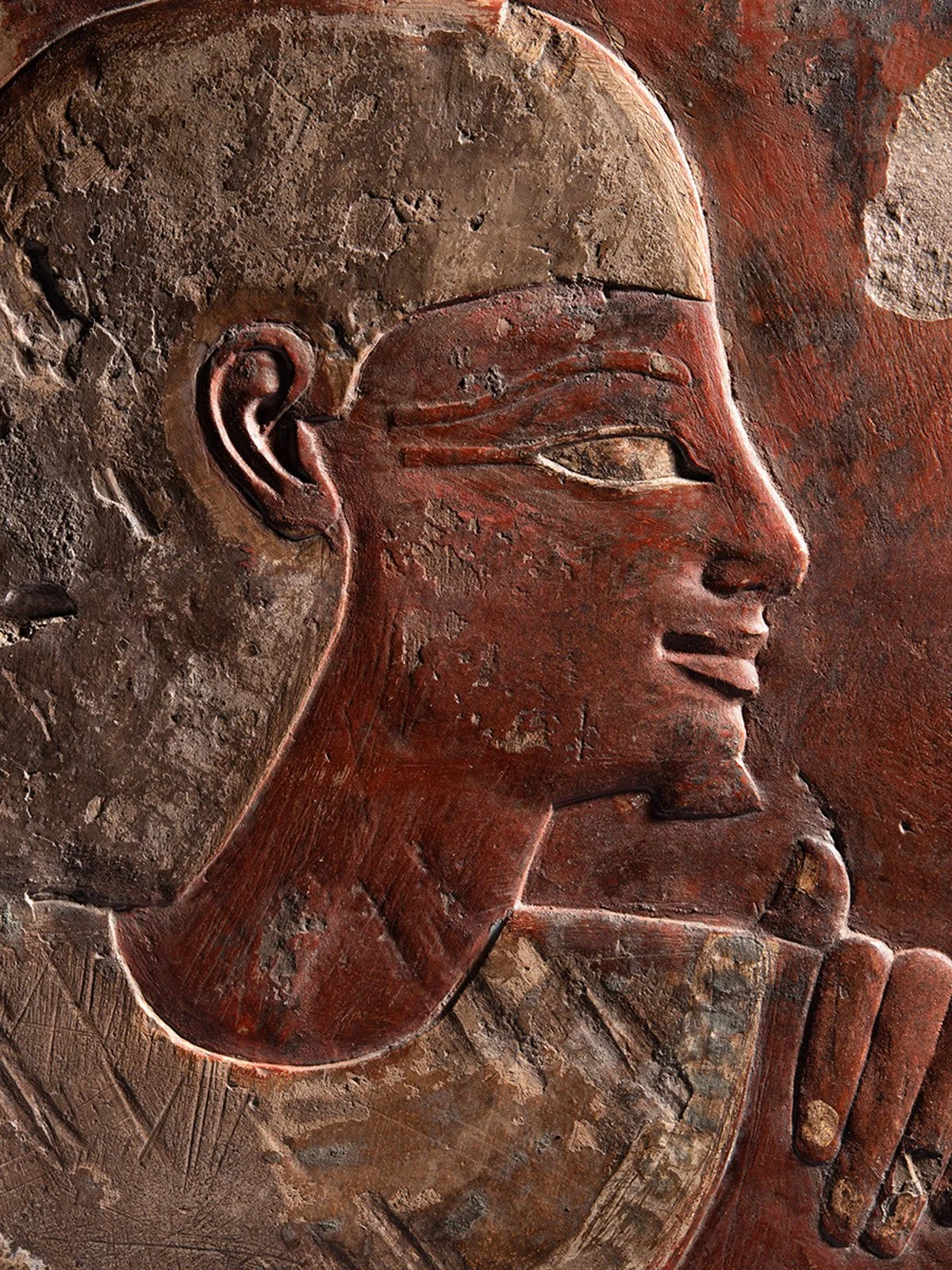
An Egyptian Relief Preserves a Husband and Wife Across 3,500 Years
—
Held by London dealer ArtAncient, the painted limestone fragment from Thebes turns a gesture of affection into one of the most intimate surviving images of Egypt’s 18th Dynasty