

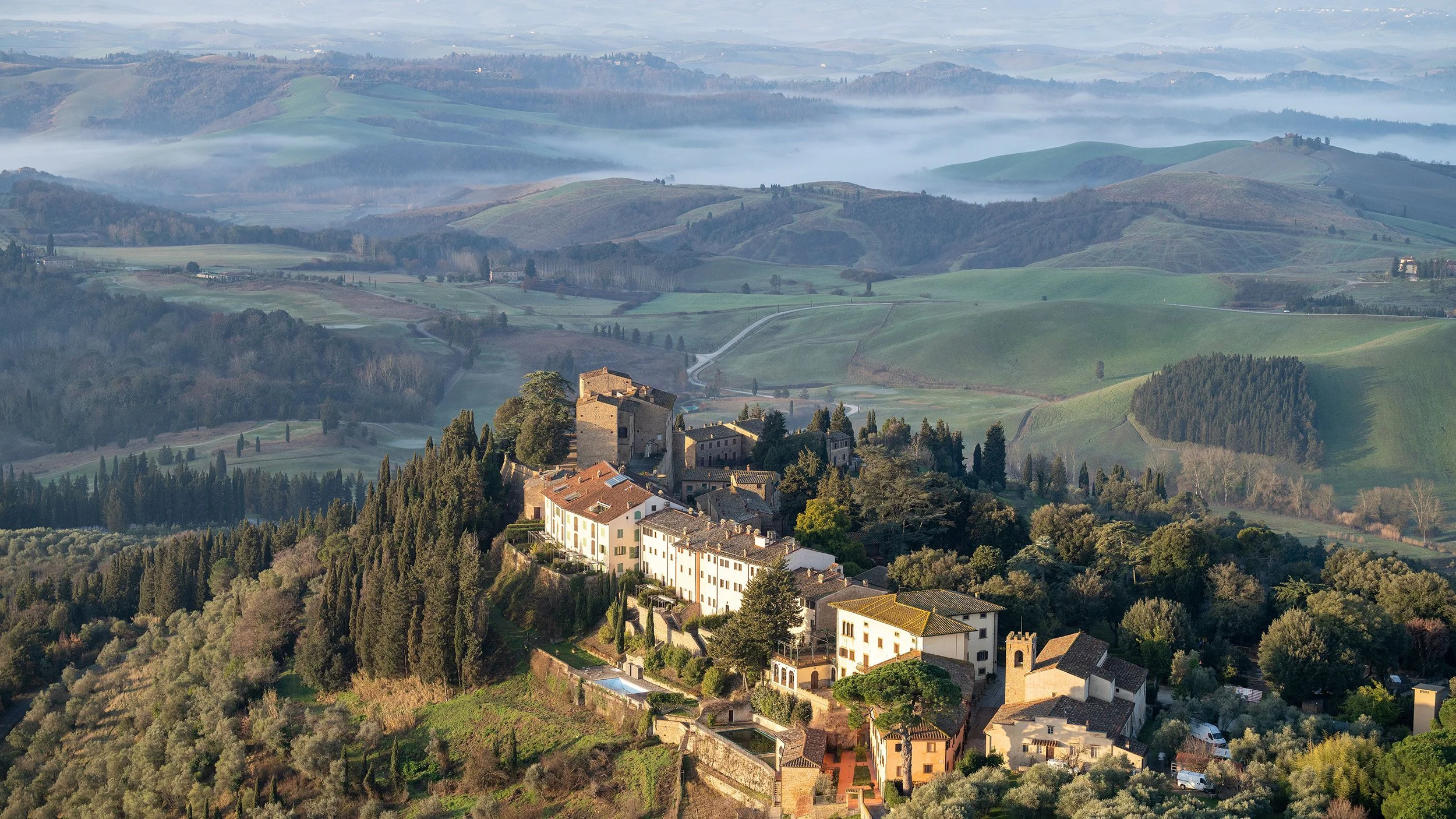
Castelfalfi from above
Image © — @georg_tappeiner
HOTEL
Castelfalfi Reimagines an Abandoned Tuscan Village as a 2,700-Acre Retreat
Across a medieval castle, former tobacco warehouse and restored farmhouses, the sprawling Tuscan estate brings contemporary hospitality to a landscape shaped by centuries of agricultural life
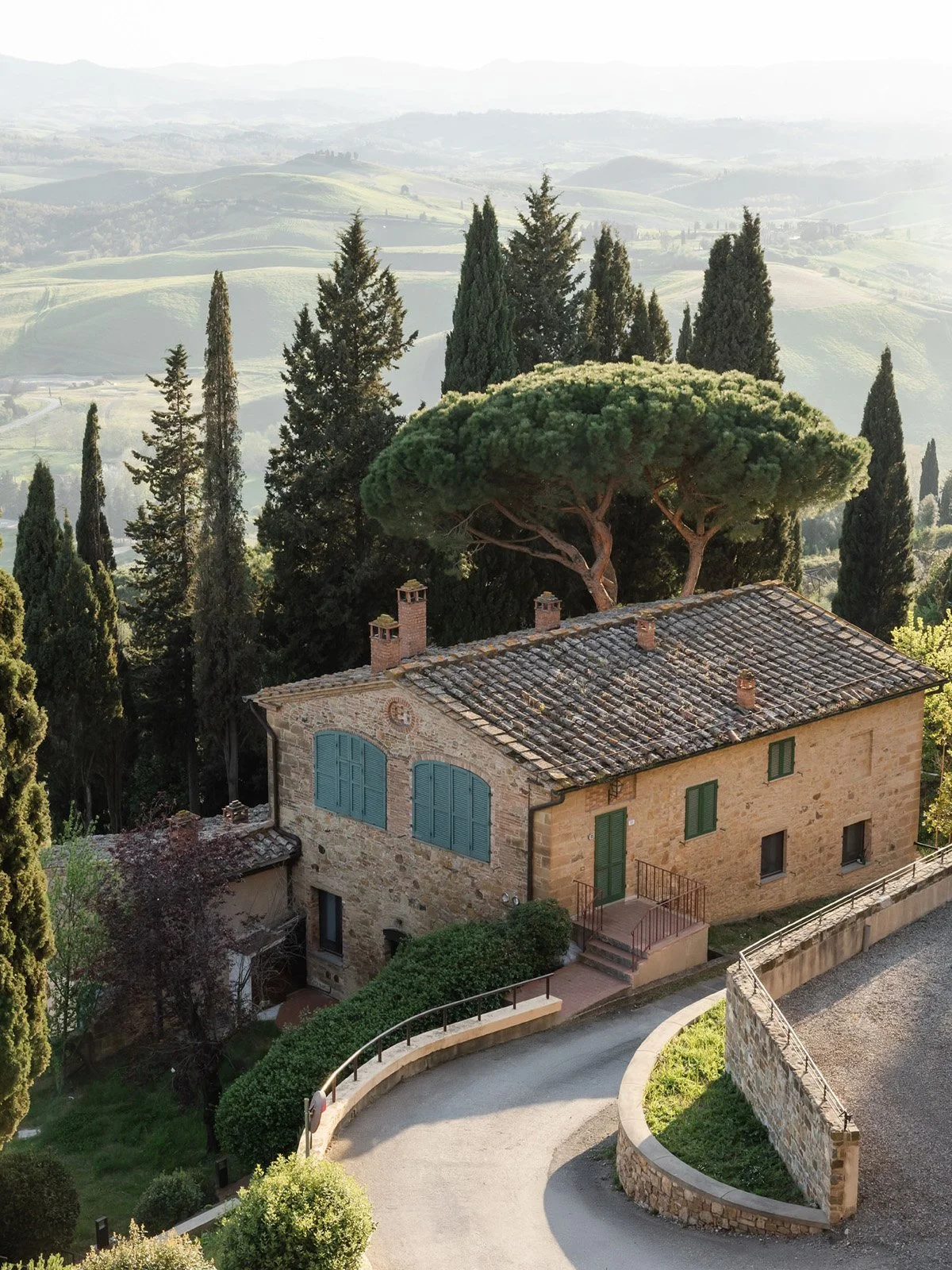
An iconic view of Castelfalfi
Image © — @danielcolvinphotography
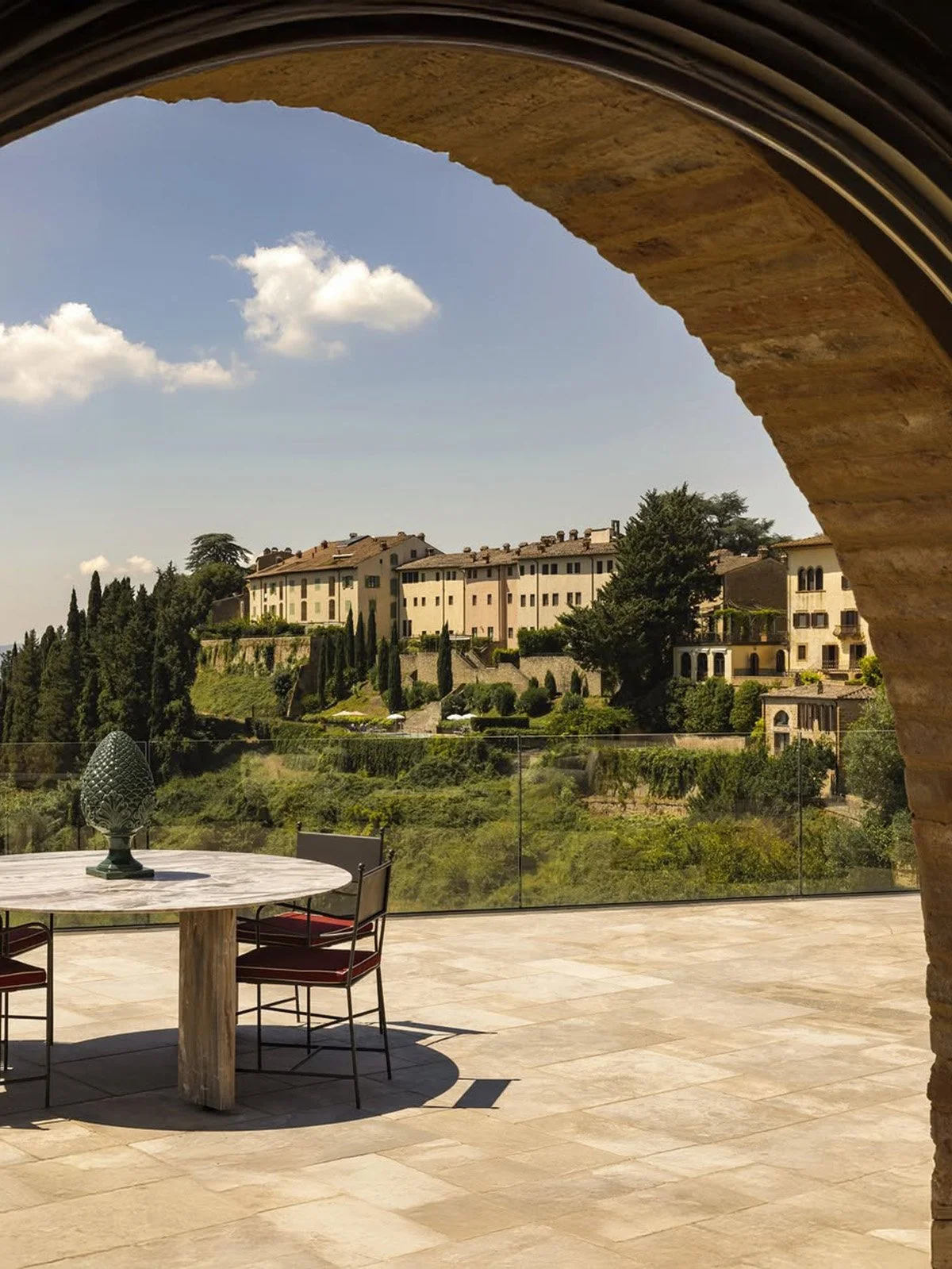
Outdoor casual dining
Image © — @castelfalfi
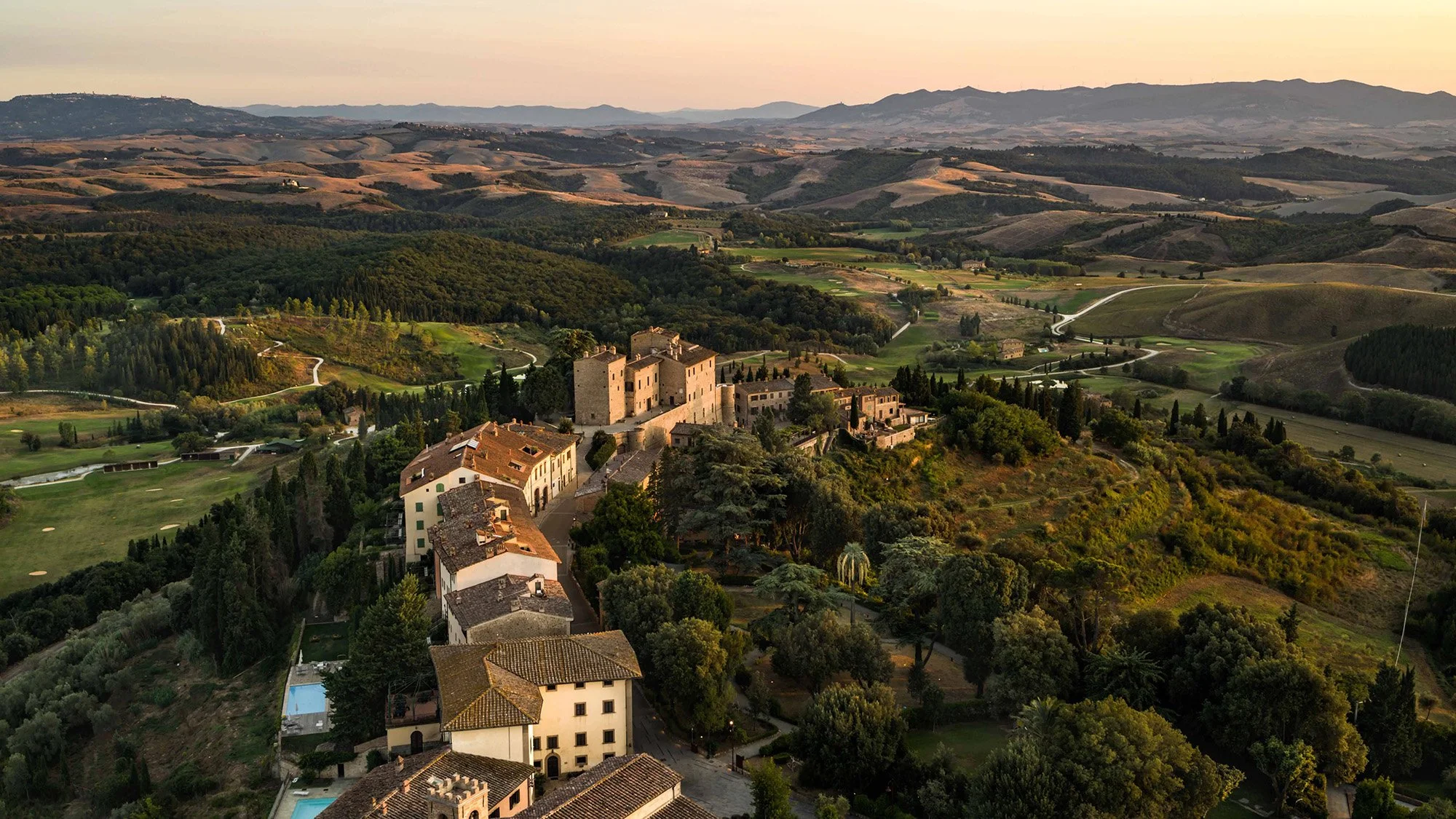
Across 2,700 acres of Tuscan countryside, Castelfalfi occupies an entire village whose origins extend back more than a thousand years. At its highest point, an 11th-century castle looks across the same undulating rural landscape once observed by the Medici, while a single cobbled street descends towards a 15th-century church, a small collection of boutiques and the resort's principal buildings. The scale is considerable, yet the historic structure of the village remains legible beneath its contemporary life
Castelfalfi's recent transformation follows a history familiar across rural Italy. In the decades after the Second World War, traditional agricultural communities steadily emptied as residents left for employment in larger cities. By the late 1960s, fewer than a dozen people remained in the village. Several attempts to establish a resort followed, before businessman Sri Prakash Lohia recognised the potential of the wider estate and began reshaping Castelfalfi around a more ambitious combination of hospitality, agriculture and environmental awareness
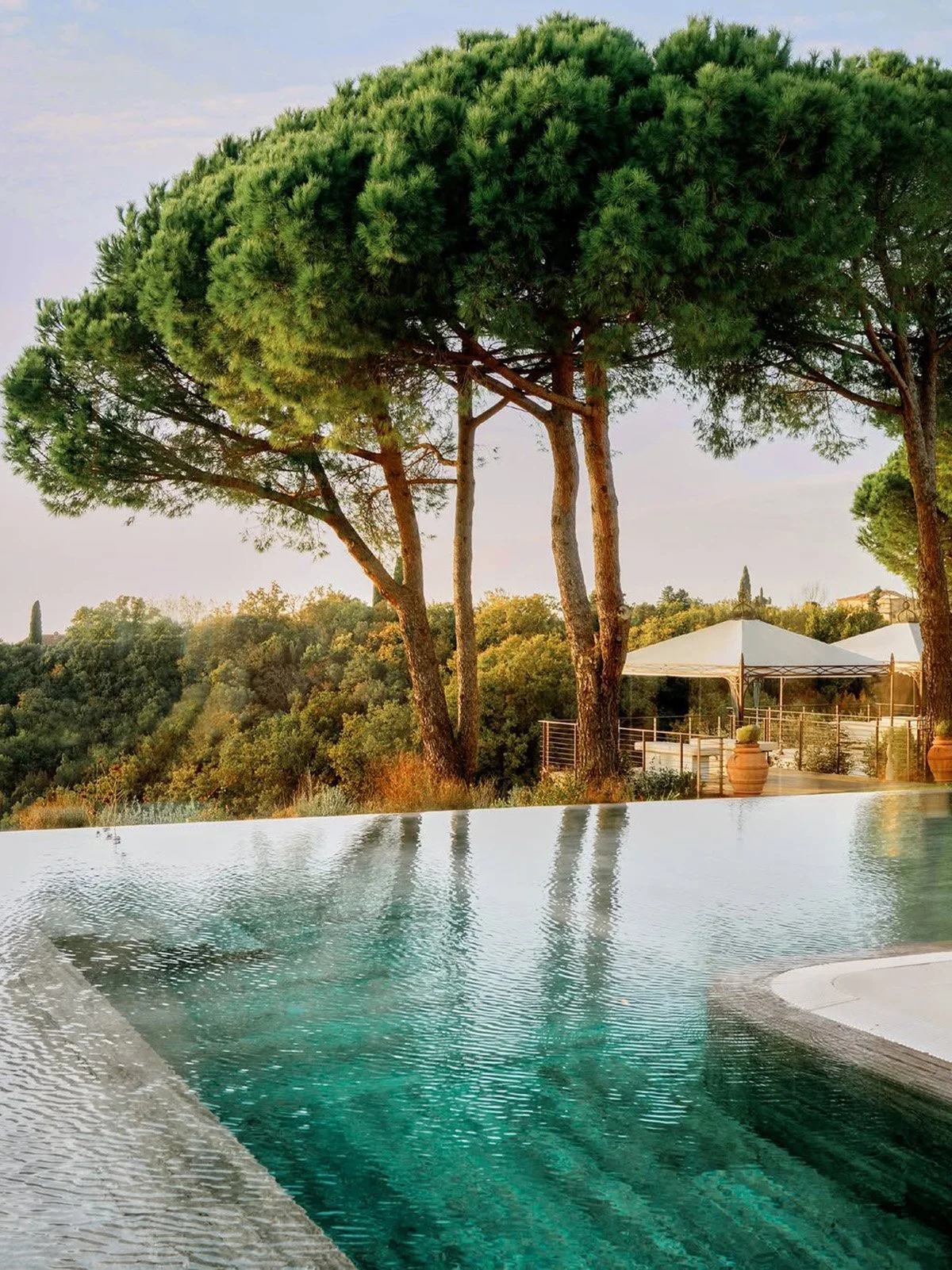
Rippling pool water
Image © — @leelacyd
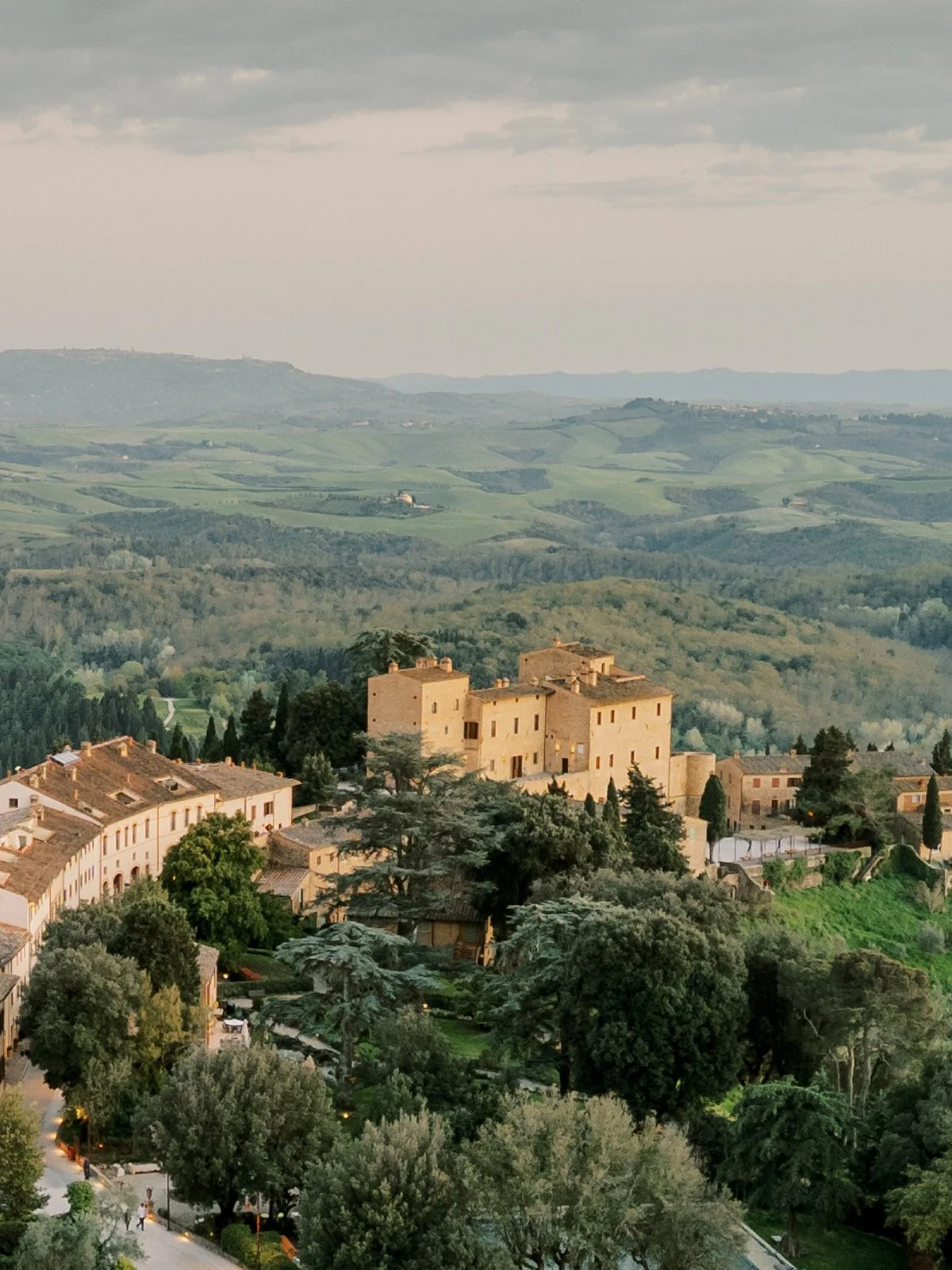
Sweeping aerial
Image © — @castelfalfi
Today, the 146 rooms extend across distinctly different architectural settings. A 19th-century tobacco warehouse contains 31 rooms with exposed timber beams and a more recognisably Tuscan character, while the main hotel houses 115 contemporary rooms and suites. Milan-based studio CaberlonCaroppi introduced an earthy material palette of velvet, leather and marble, with sculptural furnishings by Paolo Castelli and hand-laid Bisazza mosaics appearing in the bathrooms. The interiors are polished without becoming visually detached from the landscape outside
Beyond the hotels, former farmhouses scattered across the estate have been converted into private villas and apartments. Seven have so far been restored, extending the experience of Castelfalfi beyond the village centre and into the agricultural landscape itself. Elsewhere, a new two-storey suite occupies the upper levels of the castle, its interior conceived by Stefano Ricci, adding another contemporary intervention to the estate's oldest structure
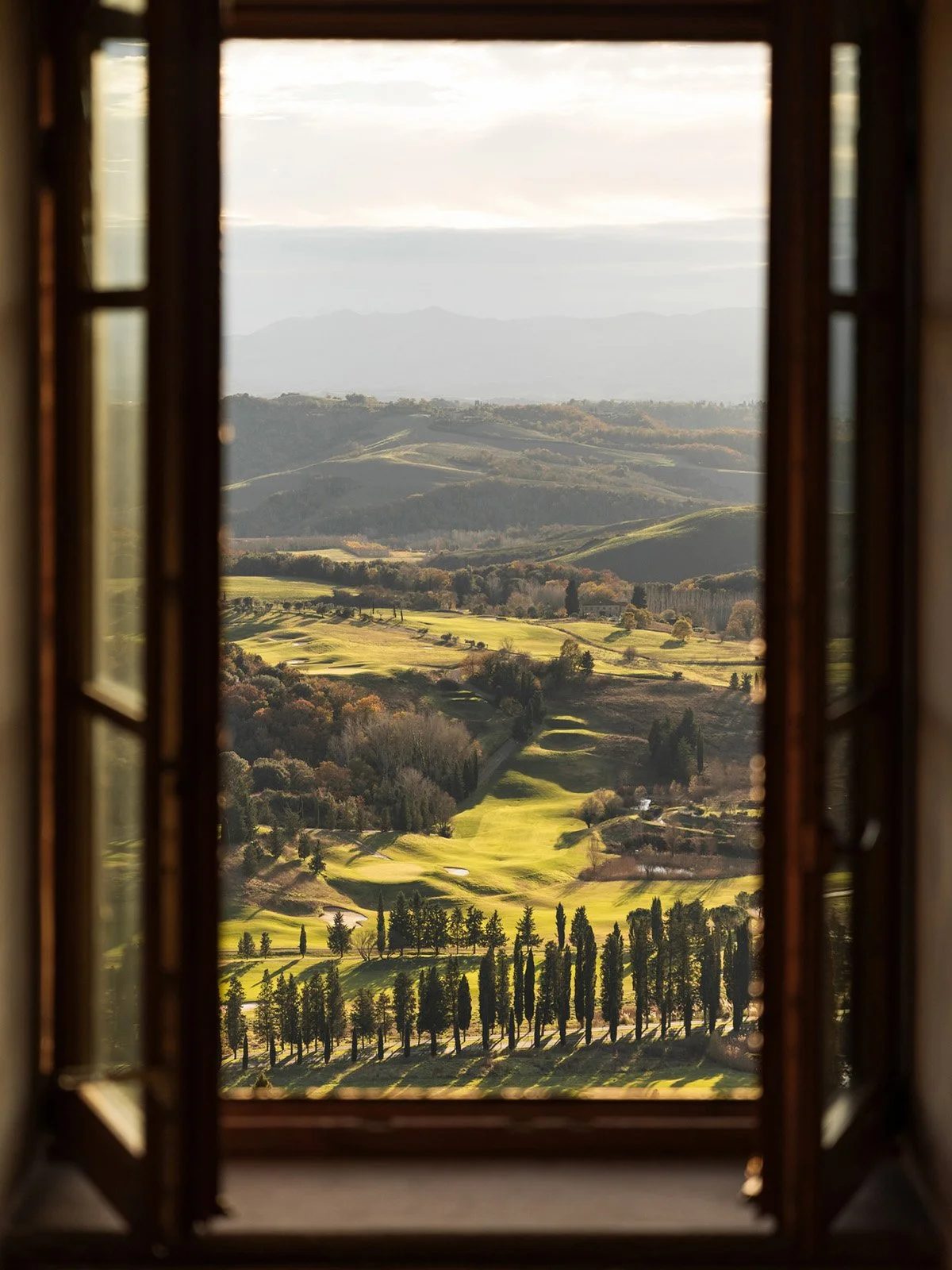
Window view through the hills
Image © — @castelfalfi
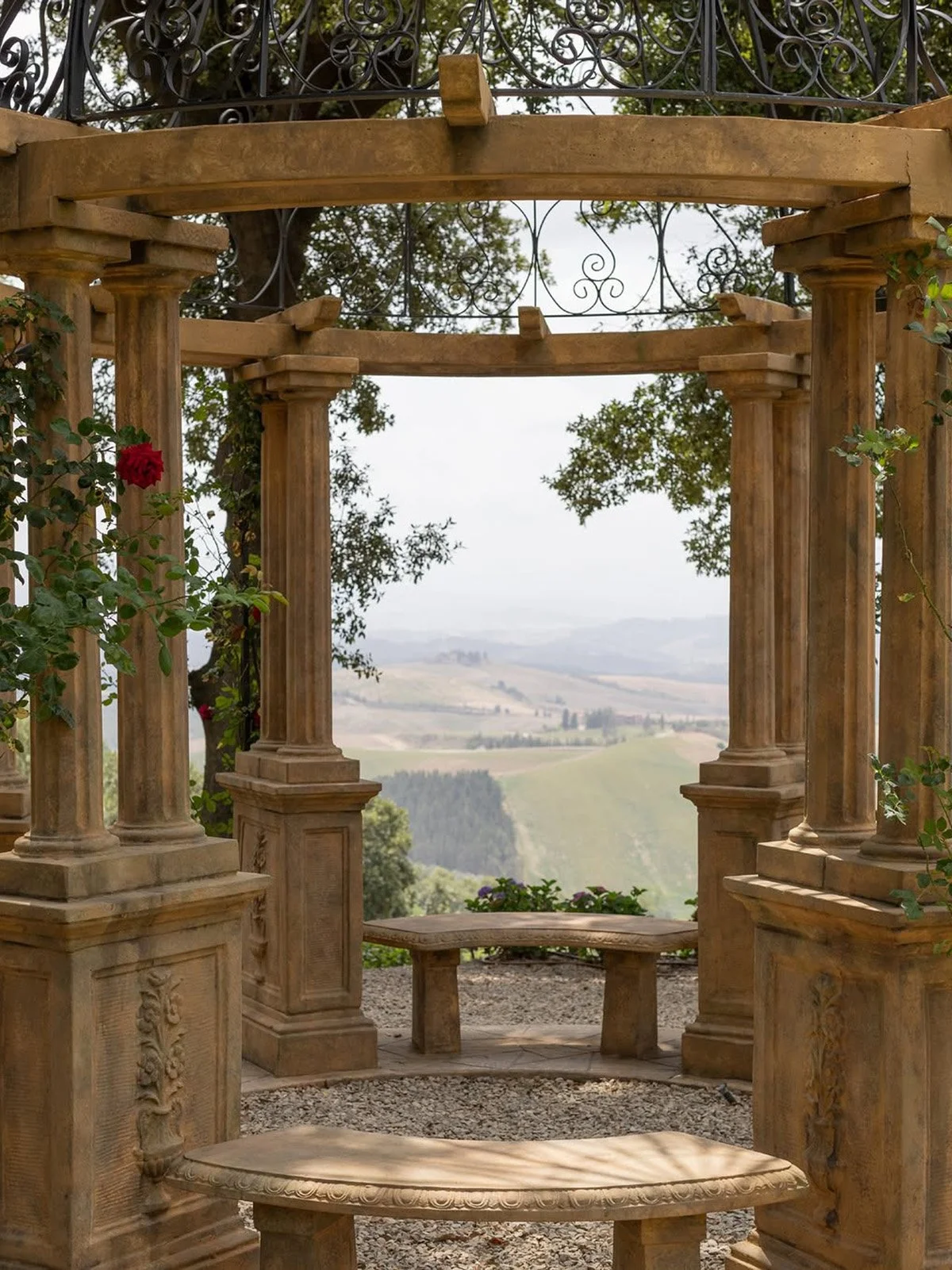
Parco Mediceo gazebo with red roses
Image © — @castelfalfi
The western orientation of the main buildings places the countryside at the centre of daily life. Ecrù Bar opens onto a large terrace facing the hills, while suites frame long views through broad openings and private patios. Pools, tennis and padel courts, a woodland adventure centre and a 27-hole golf course are dispersed throughout the property, but the estate's sheer scale prevents these elements from gathering into the visual language of a conventional resort
Agriculture remains equally visible. Sixty-two acres of vineyards produce six certified organic wines, while olive groves supply the estate's own oils. Executive chef Davide De Simone draws on produce from Castelfalfi's organic farms for the resort's restaurants, including the expansive Olivina, the more intimate Rosmarino and La Rocca, a 12-table dining room within the castle. The connection between kitchen and landscape is reinforced through tastings, cooking experiences and the continued cultivation of the surrounding land
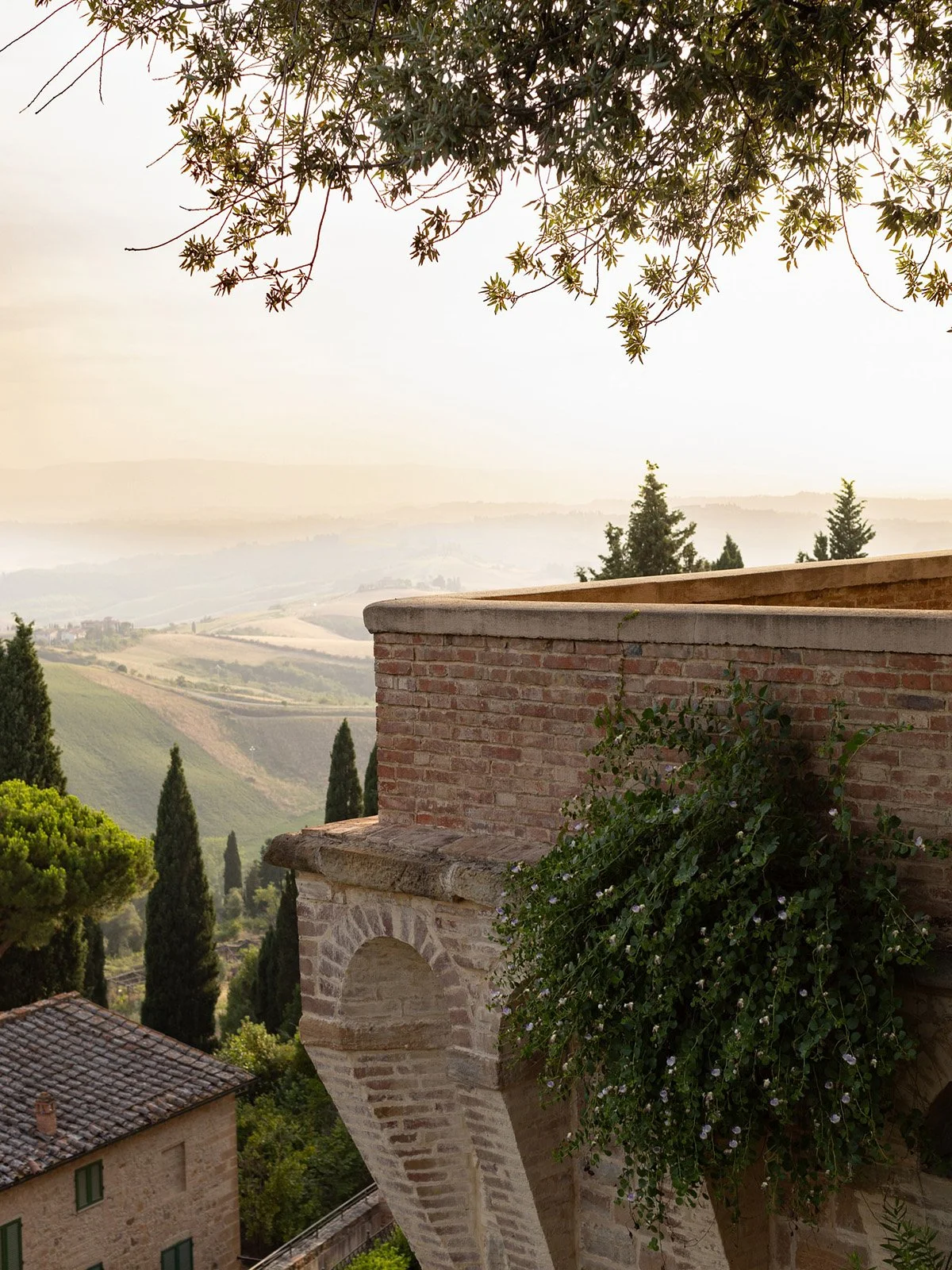
Stone balcony views
Image © — @castelfalfi
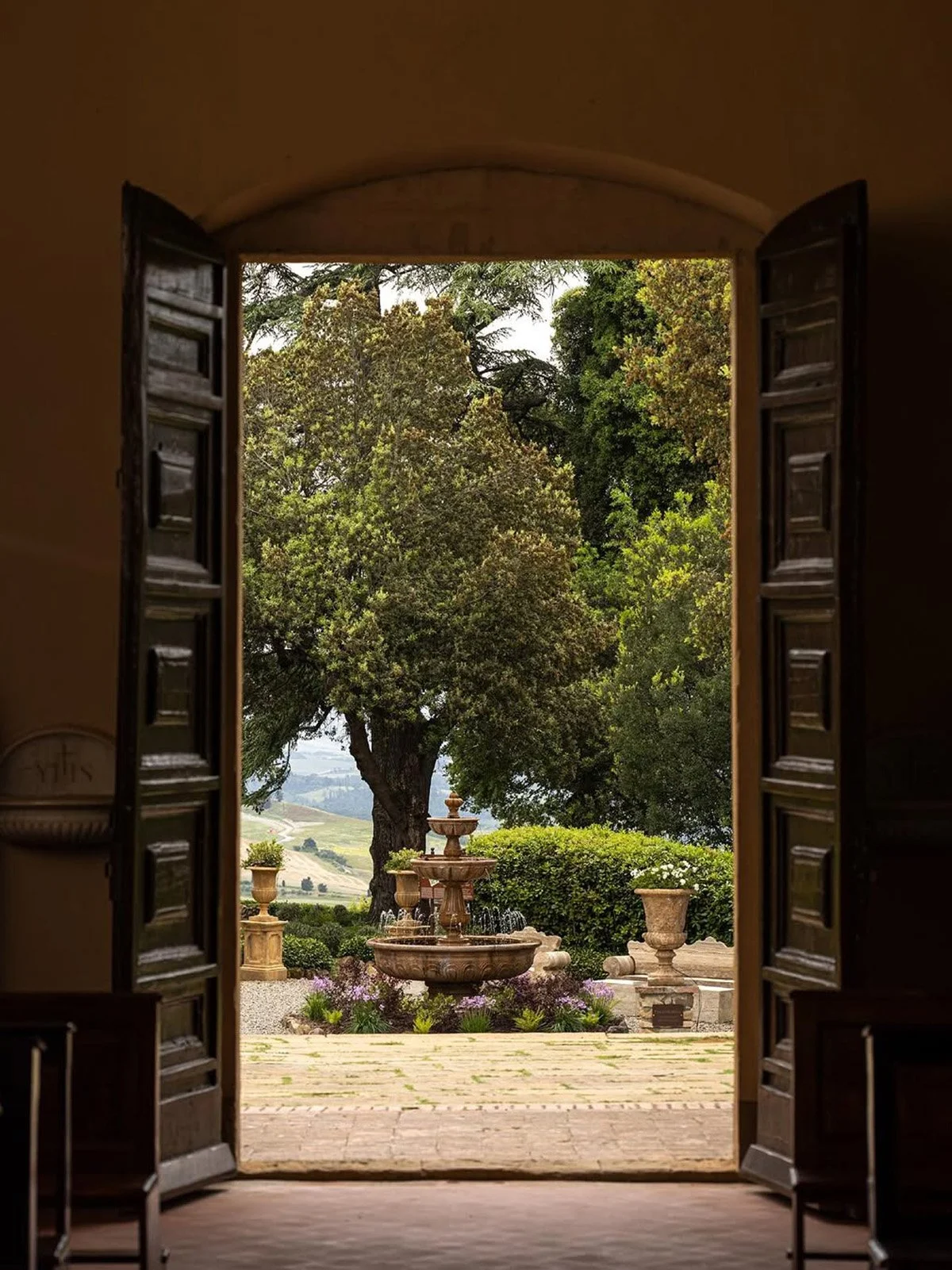
Garden views from within Saint Florian church
Image © — @castelfalfi
The estate also offers an extensive programme of activities, ranging from archery and beekeeping to cooking, yoga and winter ice-skating. This breadth is partly a response to Castelfalfi's isolation. Florence, Siena and the Tuscan coast are within reach, while Volterra and San Gimignano sit closer still, yet the resort has been designed with enough internal rhythm that leaving is never essential
A 1,500-square-metre spa introduces another architectural language, with pale timber and marble by Affine Design creating a quieter counterpoint to the medieval stone elsewhere. Developed as the first European outpost of Bangkok's RAKxa, the spa occupies a more contemporary place within Castelfalfi's evolving identity, focused on treatments, pools and wellness rather than the historical narratives that define much of the village
What makes Castelfalfi compelling is the scale of its reinvention. This is not the restoration of a single villa or castle, but the reactivation of an entire rural settlement. Medieval architecture, abandoned agricultural buildings and late-20th-century structures now sit within the same hospitality landscape, each carrying a different chapter of the village's history. Castelfalfi's achievement lies in allowing those layers to remain visible while giving a once nearly deserted Tuscan village a new reason to be inhabited
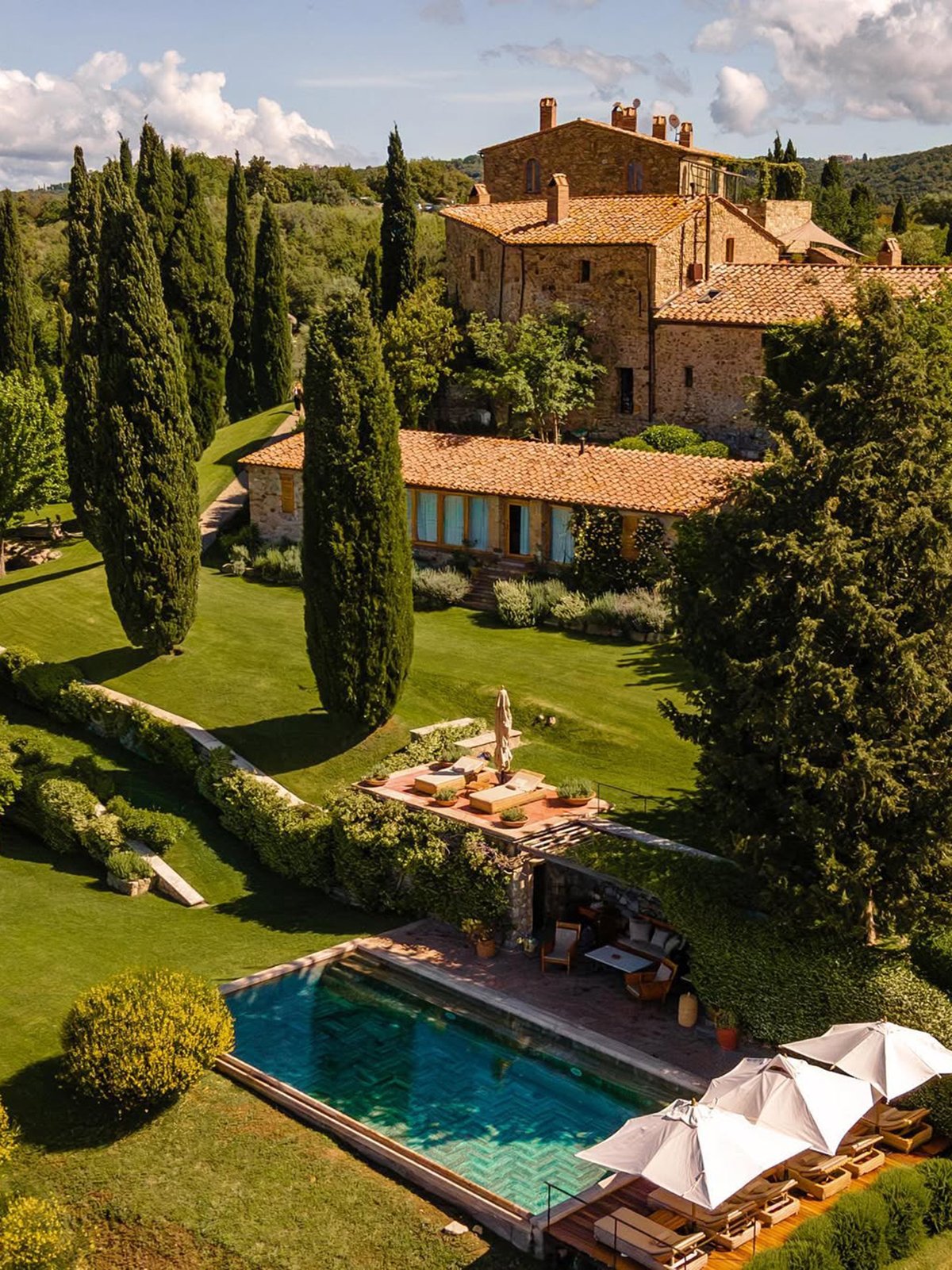
Castello di Vicarello Preserves Eight Centuries of Tuscan Life
—
In the hills between Rome and Florence, a 12th-century castle has been transformed into a deeply personal hotel shaped by family, landscape and the rhythms of rural Tuscany
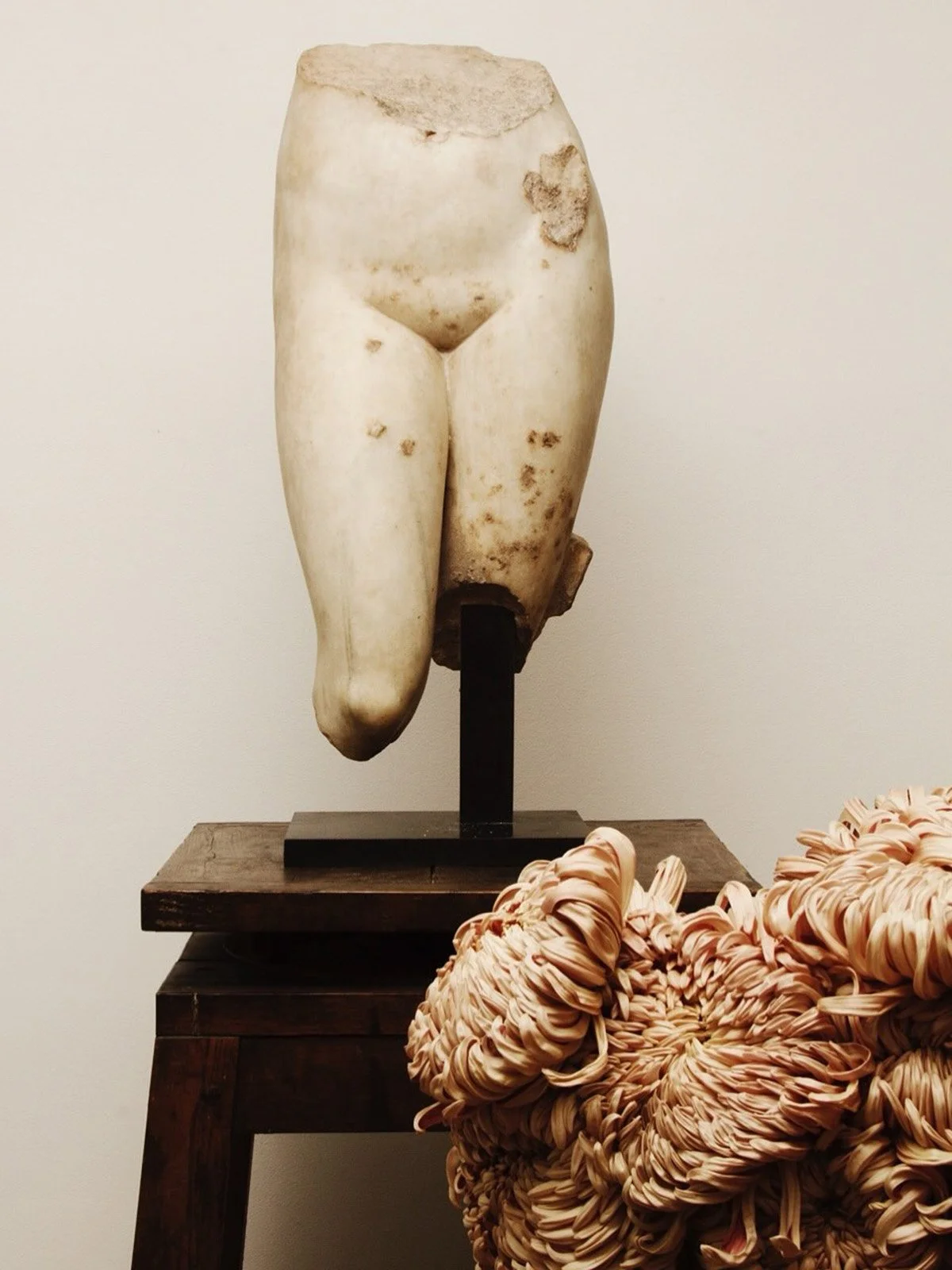
Galerie Chenel Places Roman Sculpture in a Contemporary Parisian Frame
—
From its Quai Voltaire gallery opposite the Louvre, the family-run specialist has built an international reputation around archaeological objects, provenance and the enduring presence of antiquity