

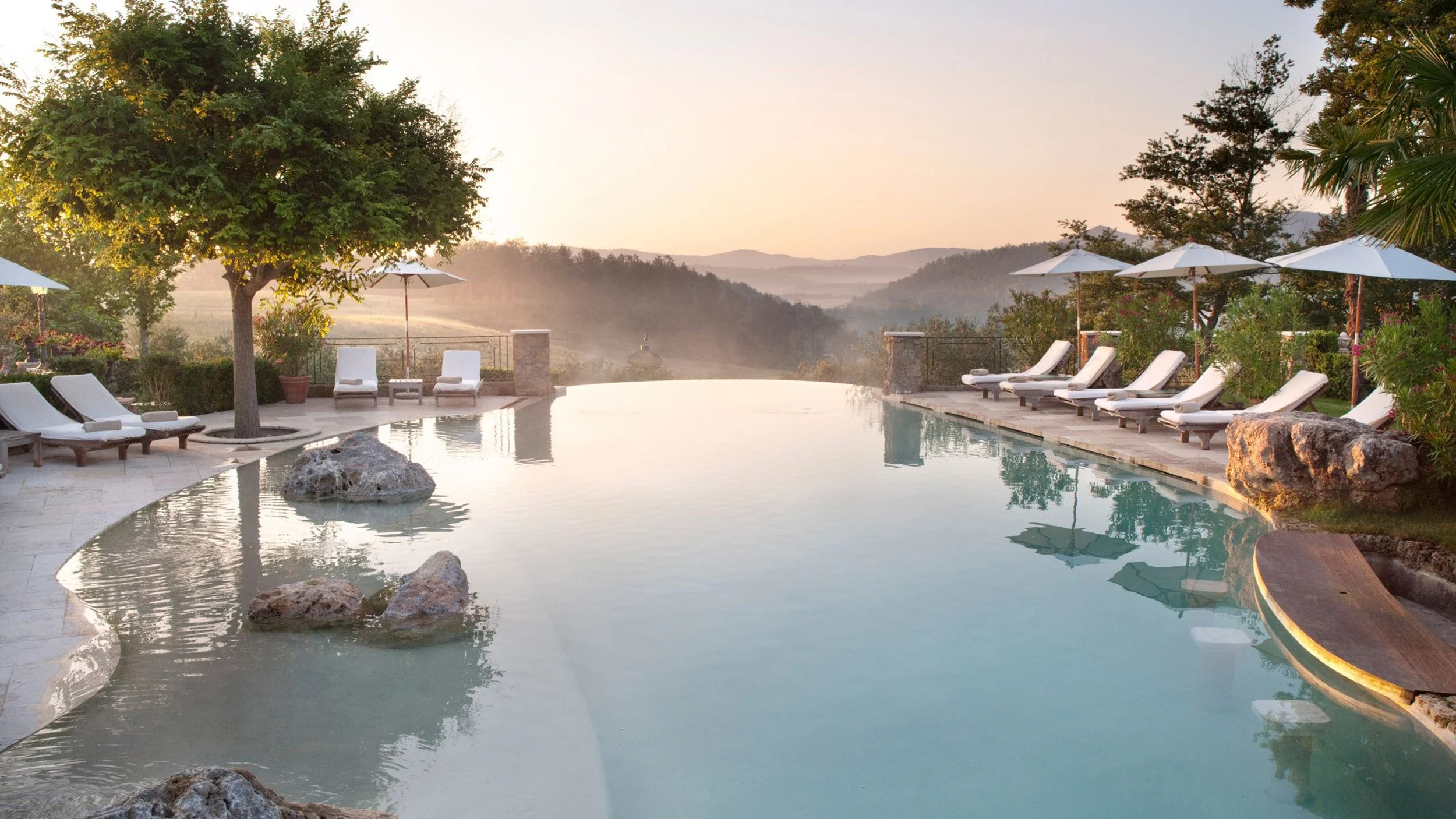
Infinity pool and morning fog across the mountains at Borgo Santo Pietro
Image © — @borgosantopietro
HOTEL
Borgo Santo Pietro Turns a 13th-Century Tuscan Estate Into a Living Landscape
South of Siena, 300 acres of organic farmland, woodland and gardens surround a restored medieval house where Danish restraint meets the material language of rural Tuscany
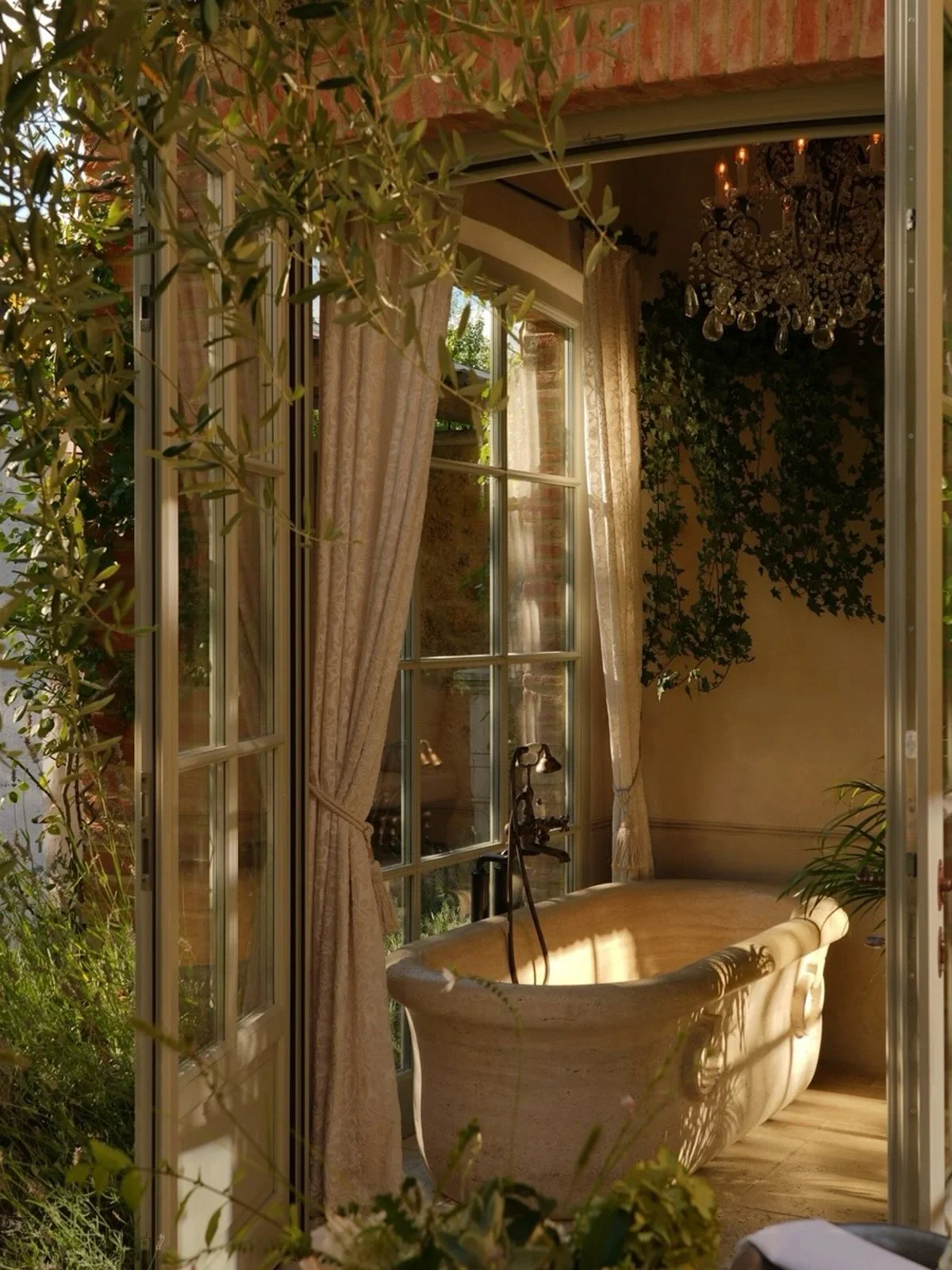
La Casa dei Fiori Bianchi at Borgo Santo Pietro
Image © — @victorsfitz
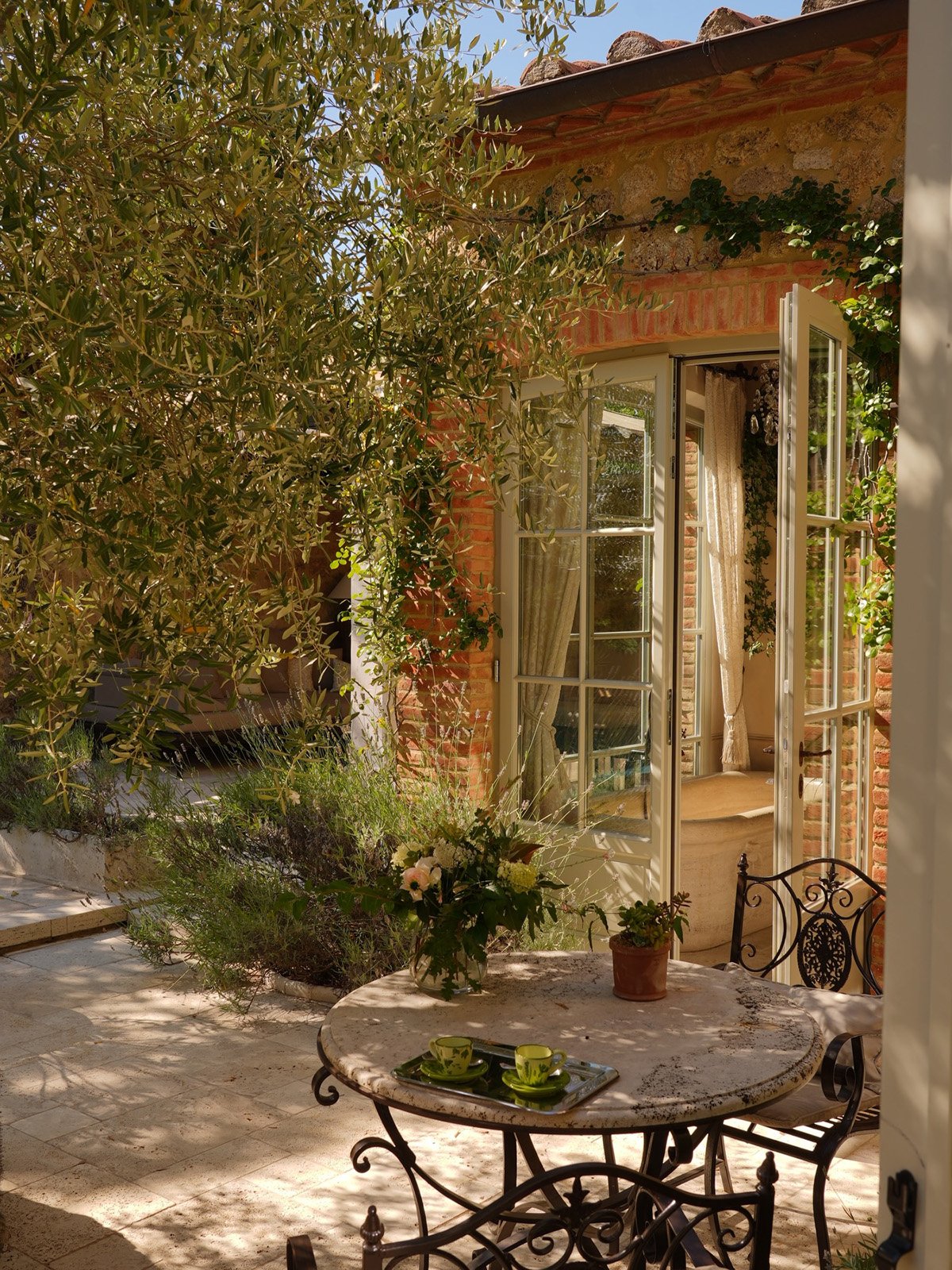
La Casa dei Fiori Bianchi at Borgo Santo Pietro
Image © — @victorsfitz
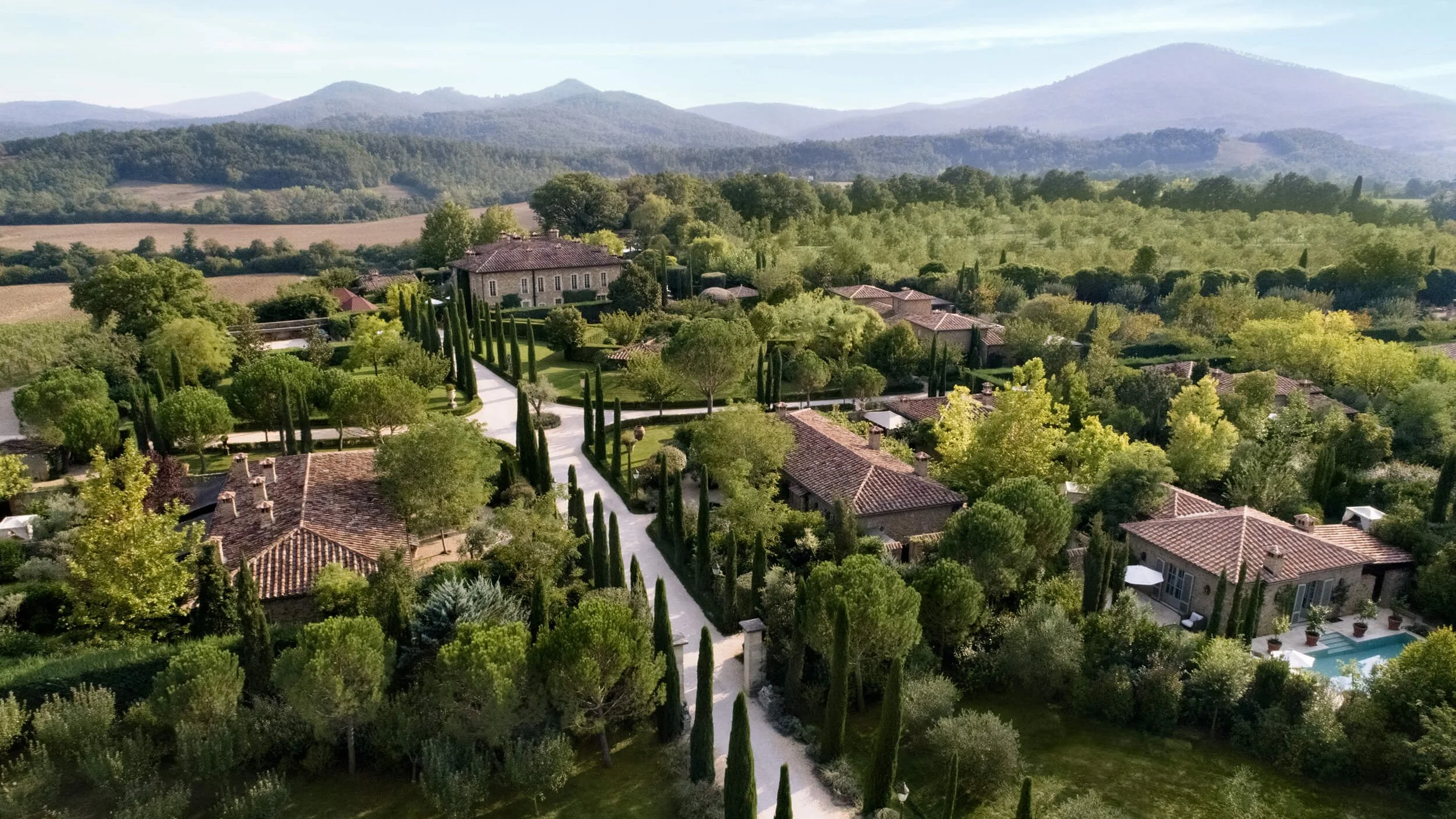
In the Valle di Merse, a landscape known locally as the Valle Serena, Borgo Santo Pietro unfolds across some 300 acres of organic farmland, woodland and cultivated gardens. The River Merse moves through the estate, as does a section of the Via Francigena, the medieval pilgrimage route linking northern Europe with Rome. From the verandah of the main house, however, history feels almost secondary to the immediate view: rolling Tuscan countryside extending beyond wicker chairs, clipped gardens and the slow rituals of an afternoon
The house is believed to date from the mid-13th century, roughly contemporary with the nearby Abbey of San Galgano. When Danish couple Jeanette and Claus Throttrup acquired the estate in 2001, the farm remained active but the residence itself had been uninhabited for decades and was largely derelict. Claus oversaw much of the restoration, while Jeanette shaped the interiors and gardens. By 2008, Borgo Santo Pietro opened with six rooms; today there are 22, yet the property still carries the intimacy of a private house continually being reconsidered by its owners
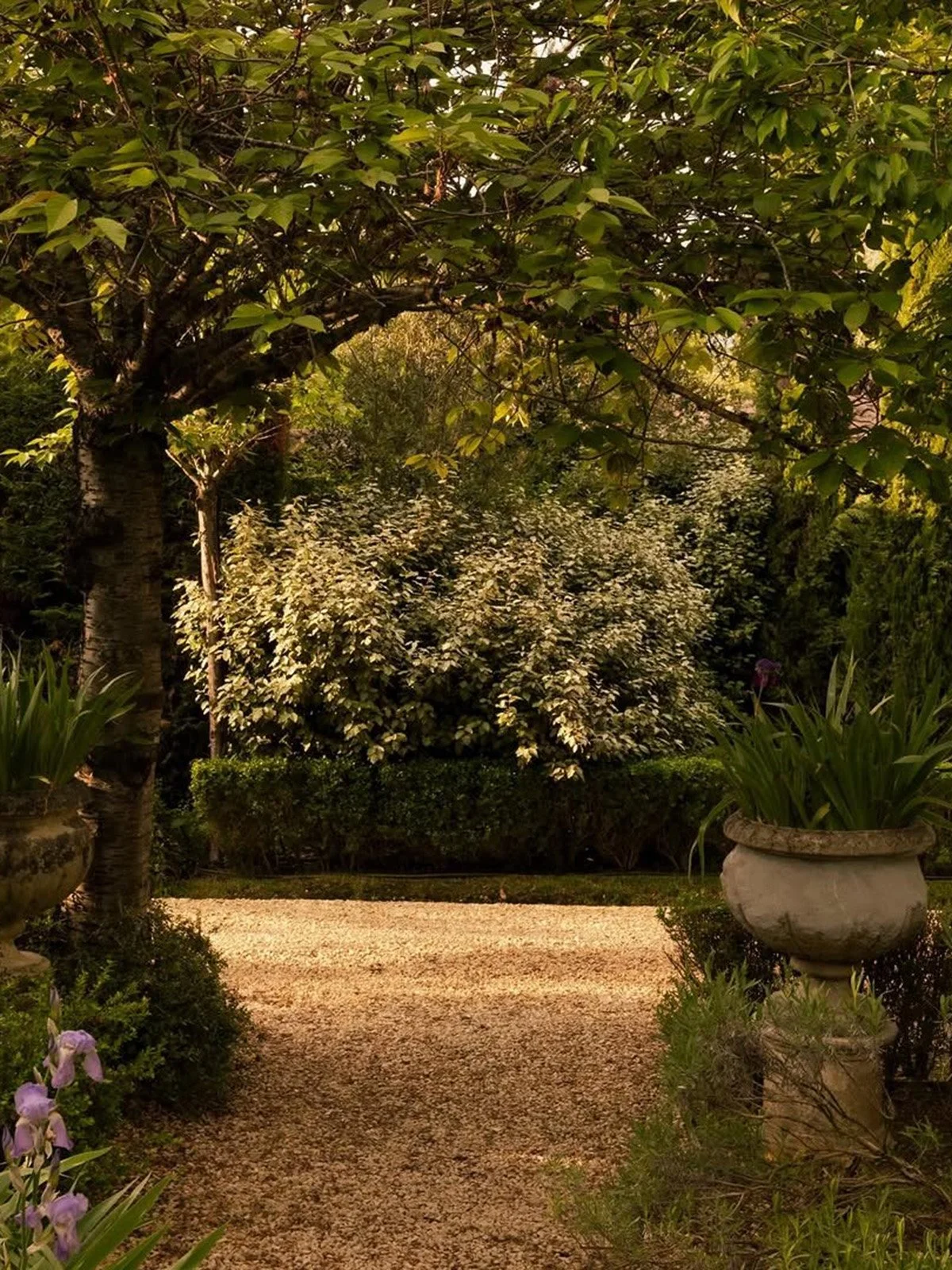
Quiet paths where nature sets the rhythm of the estate
Image © — @enrico_costantini
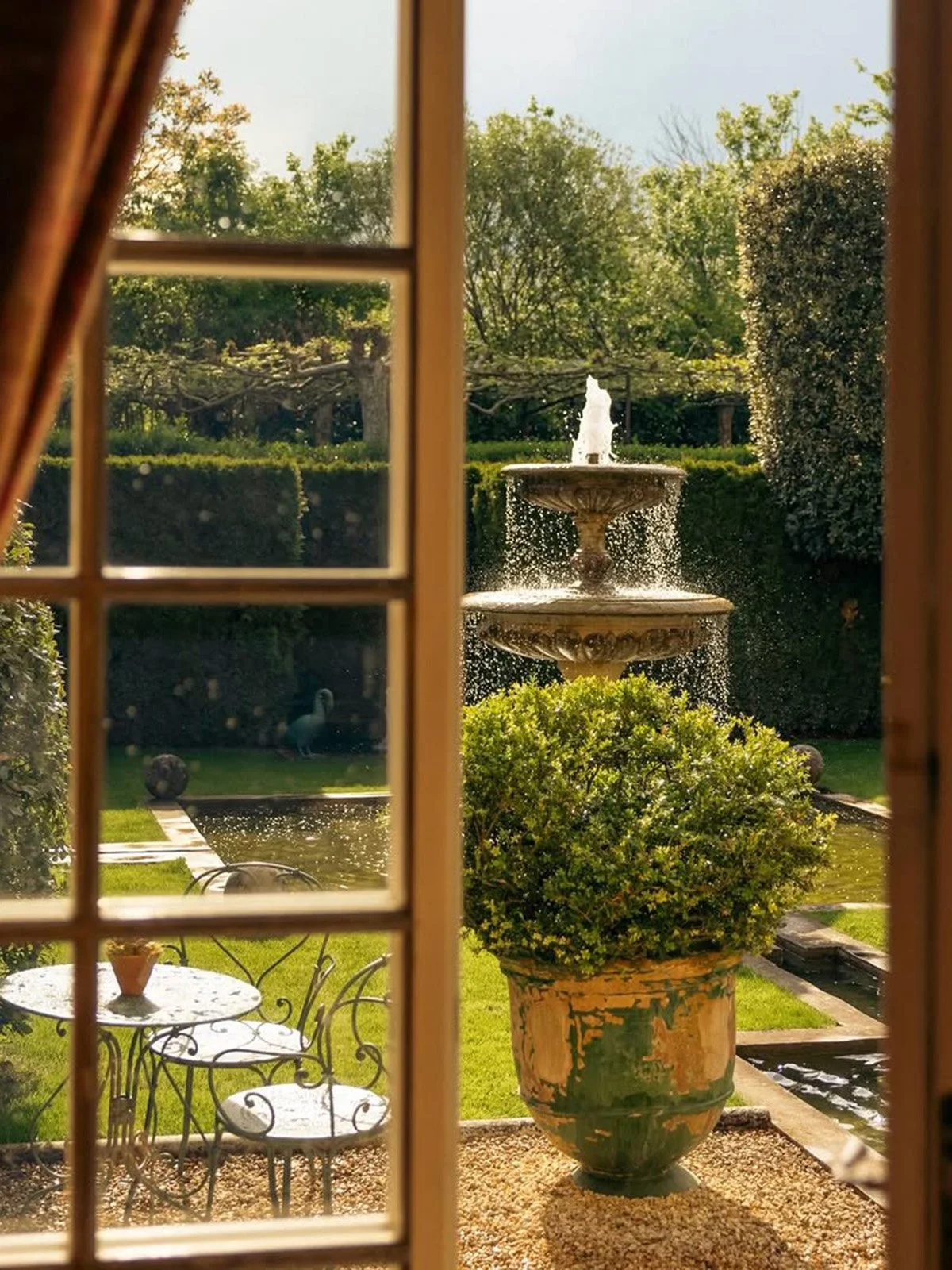
Stone fountain and garden views through a framed suite window
Image © — @enrico_costantini
Eight rooms occupy the original building, including the Santo Pietro Grand Suite with its long balcony overlooking the valley. The remaining suites sit within individual cottages introduced gradually along a leafy avenue. Their architecture is sympathetic without attempting false antiquity, allowing the newer structures to settle quietly beside the medieval house
The interiors are equally difficult to reduce to a single style. Timber beams, stone floors, lime-plastered walls and tall tapered chimney breasts establish a recognisably Tuscan material vocabulary, while painted murals introduce muted pastoral landscapes. The Danish influence is quieter, expressed through an uncluttered restraint and cooler control of colour rather than recognisable Scandinavian objects. Even outdoors, the boundaries between domestic interior and garden soften: a chandelier suspended within a small lawn pavilion appears almost as though it has wandered out of the house to catch the breeze
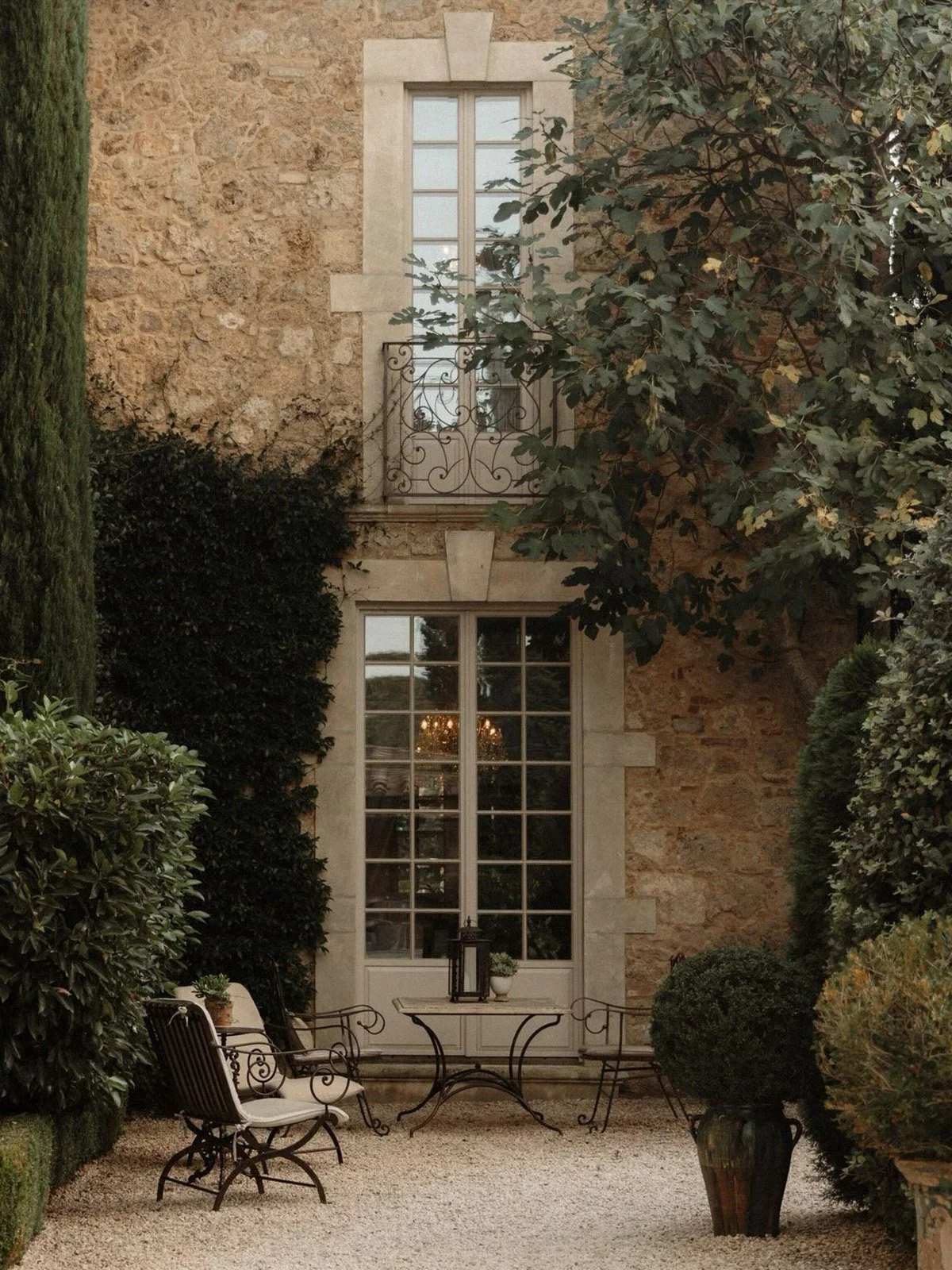
Textured stone and outdoor iron seating
Image © — @borgosantopietro
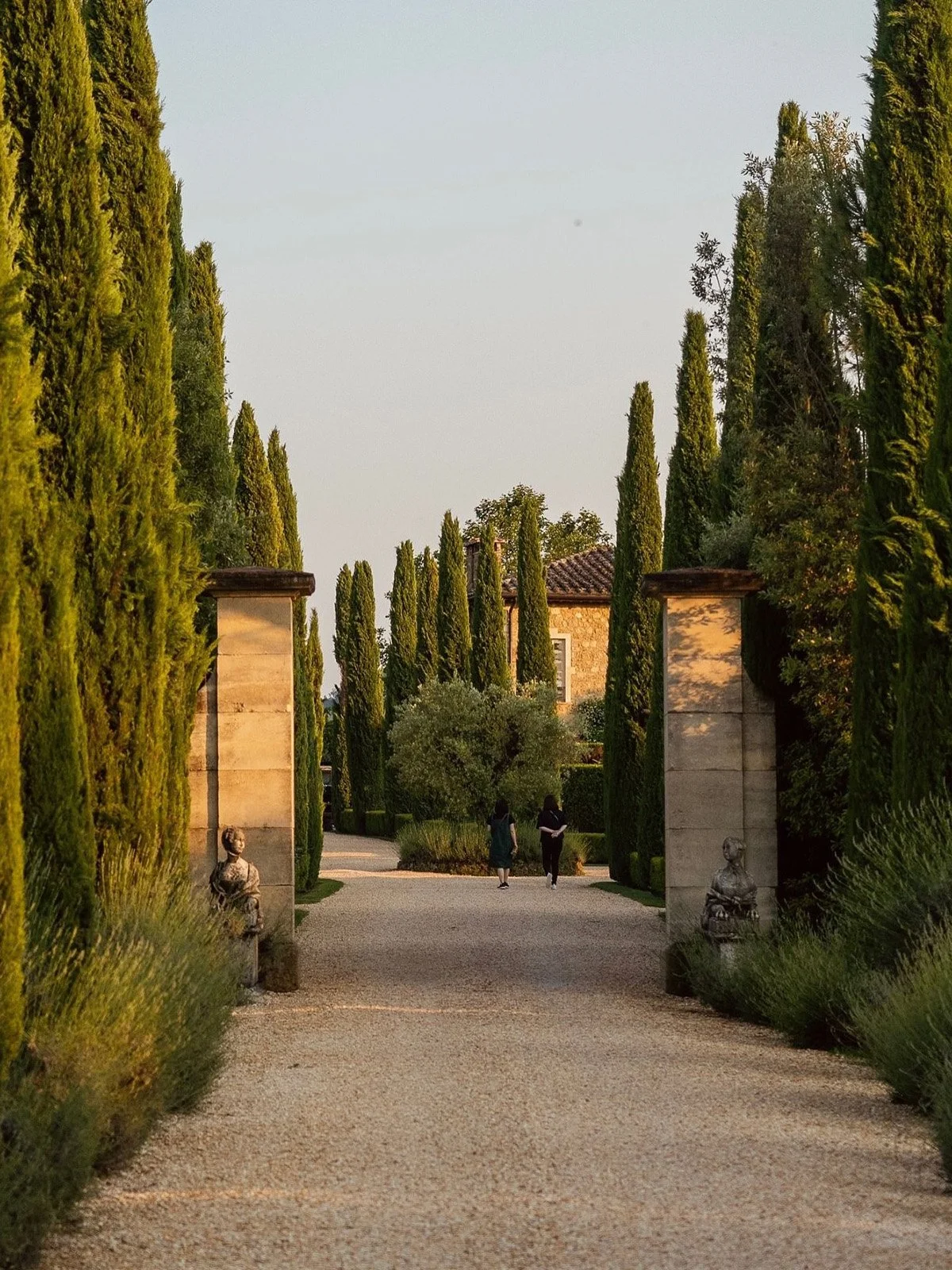
Meticulous landscaped gardens and pebbled pathways
Image © — @borgosantopietro
Food is inseparable from the wider estate. Trattoria sull'Albero is built around an ancient oak tree and serves regional dishes alongside Neapolitan-style pizza, while Saporium, led by executive chef Ariel Hagen, takes a more exacting approach to Borgo's agricultural ecosystem. Its menus are guided not simply by seasons but by smaller changes within them, drawing from the estate's own production and an in-house fermentation laboratory overseen by Stefania De Leo. Borgo's cellar extends the same philosophy to wine, with its own rosé, Chardonnay and Pinot Noir now produced alongside a collection of Tuscan vintages
The spa follows a similarly closed-loop idea. Treatments use Seed to Skin, the skincare line that began at Borgo and developed from ingredients connected to the estate's herb garden. What started as part of the hotel's wellness programme has since expanded internationally, yet its origins remain visible here, where garden, laboratory and treatment room feel like parts of the same process
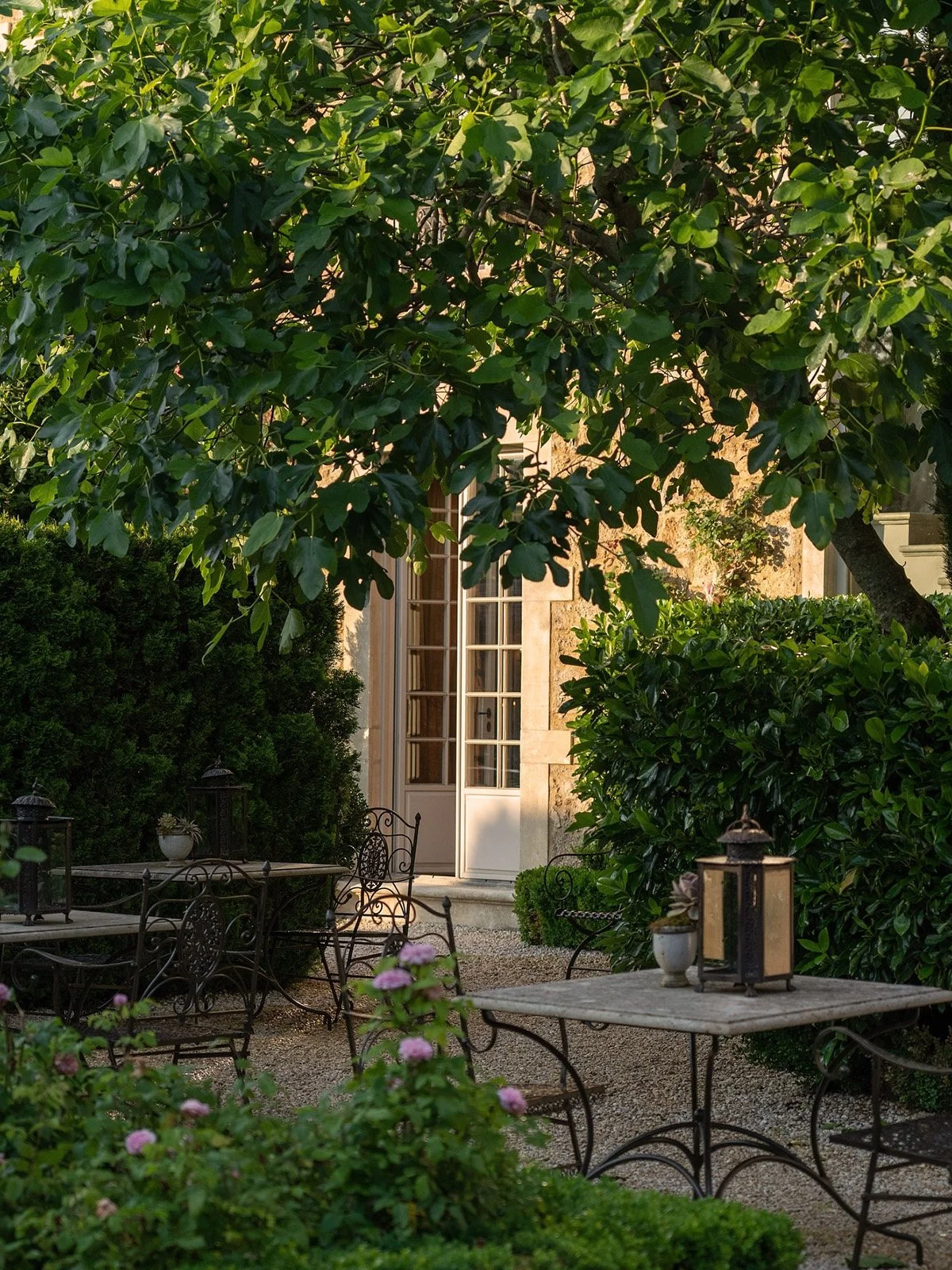
Outdoor iron seating under the trees
Image © — @borgosantopietro
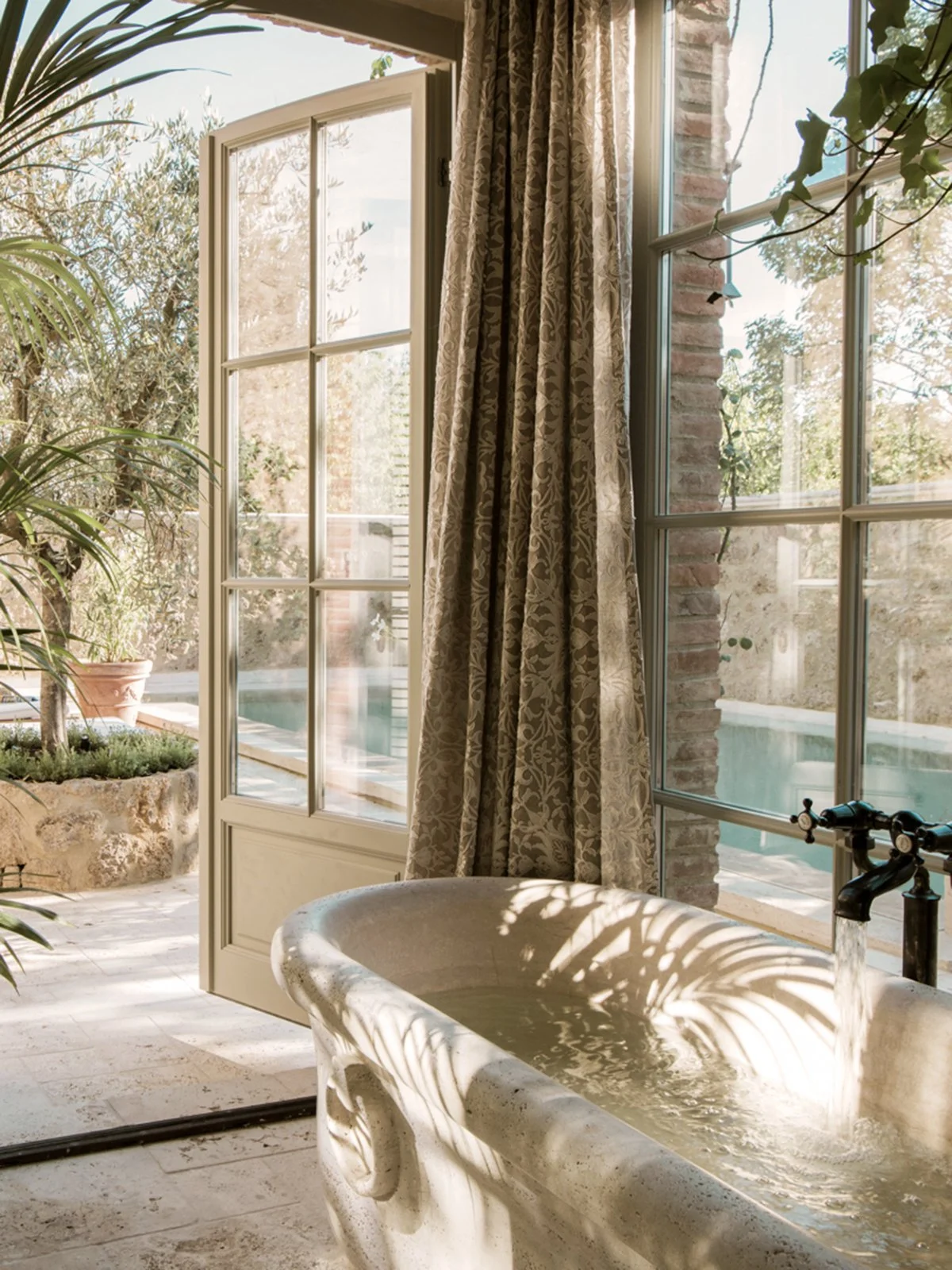
Stone bath by the pool and garden
Image © — @borgosantopietro
Beyond Borgo, the village of Palazzetto houses members of the team alongside the fermentation laboratory and Seed to Skin production facilities. Siena sits half an hour north, Florence around 90 minutes away and the Maremma lies less than an hour towards the coast. The estate can also arrange journeys by hot-air balloon, offering the familiar Tuscan geometry of vineyards, hill towns and pasture from above
Borgo Santo Pietro's appeal lies in the fact that it never feels entirely finished. The gardens continue to evolve, buildings are adjusted and the relationship between agriculture, hospitality and landscape is constantly refined. More than two decades after Jeanette and Claus Throttrup first encountered the derelict estate, Borgo remains less a completed restoration than an ongoing study in how an old Tuscan property might continue to live
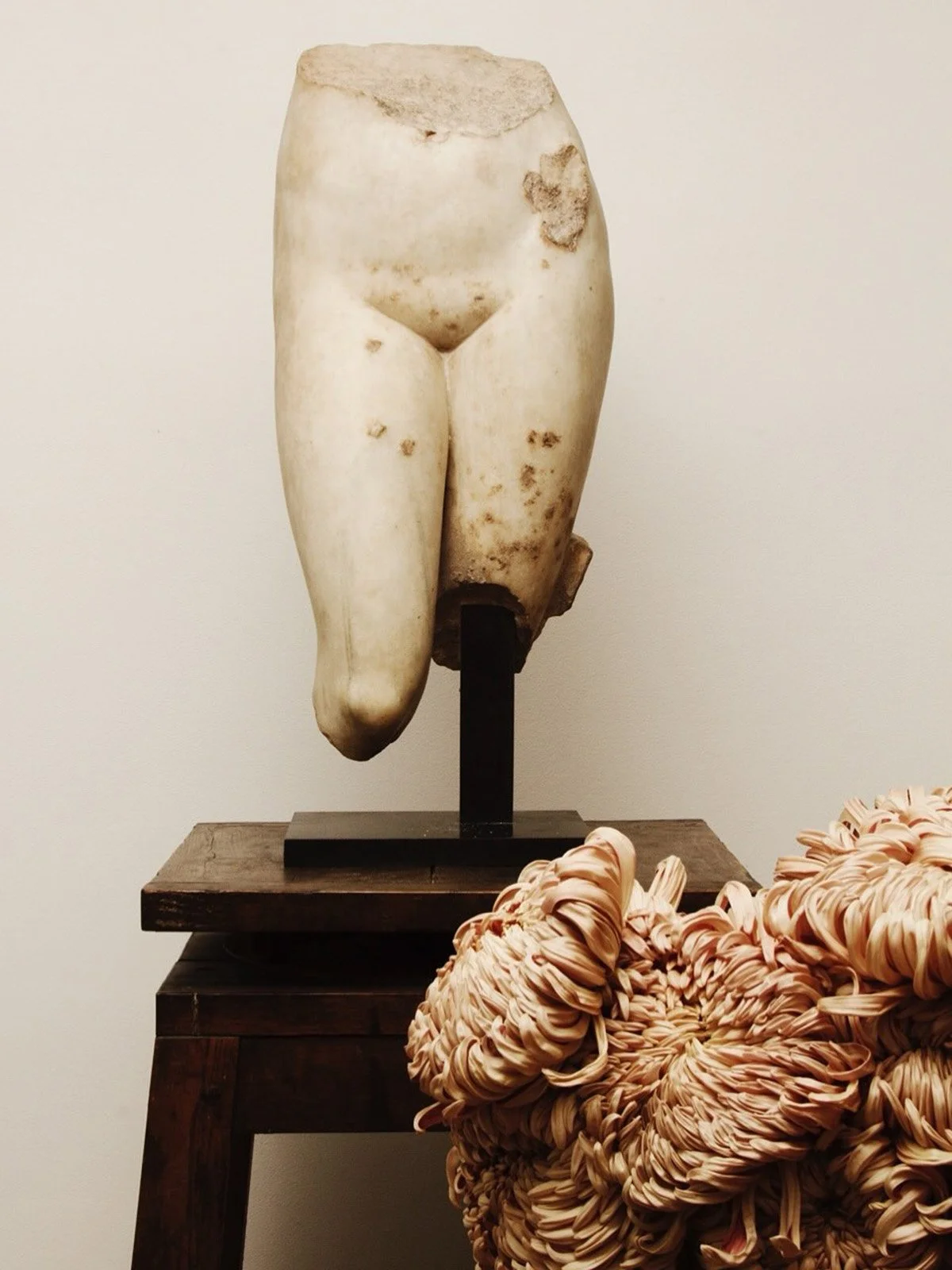
Galerie Chenel Places Roman Sculpture in a Contemporary Parisian Frame
—
From its Quai Voltaire gallery opposite the Louvre, the family-run specialist has built an international reputation around archaeological objects, provenance and the enduring presence of antiquity
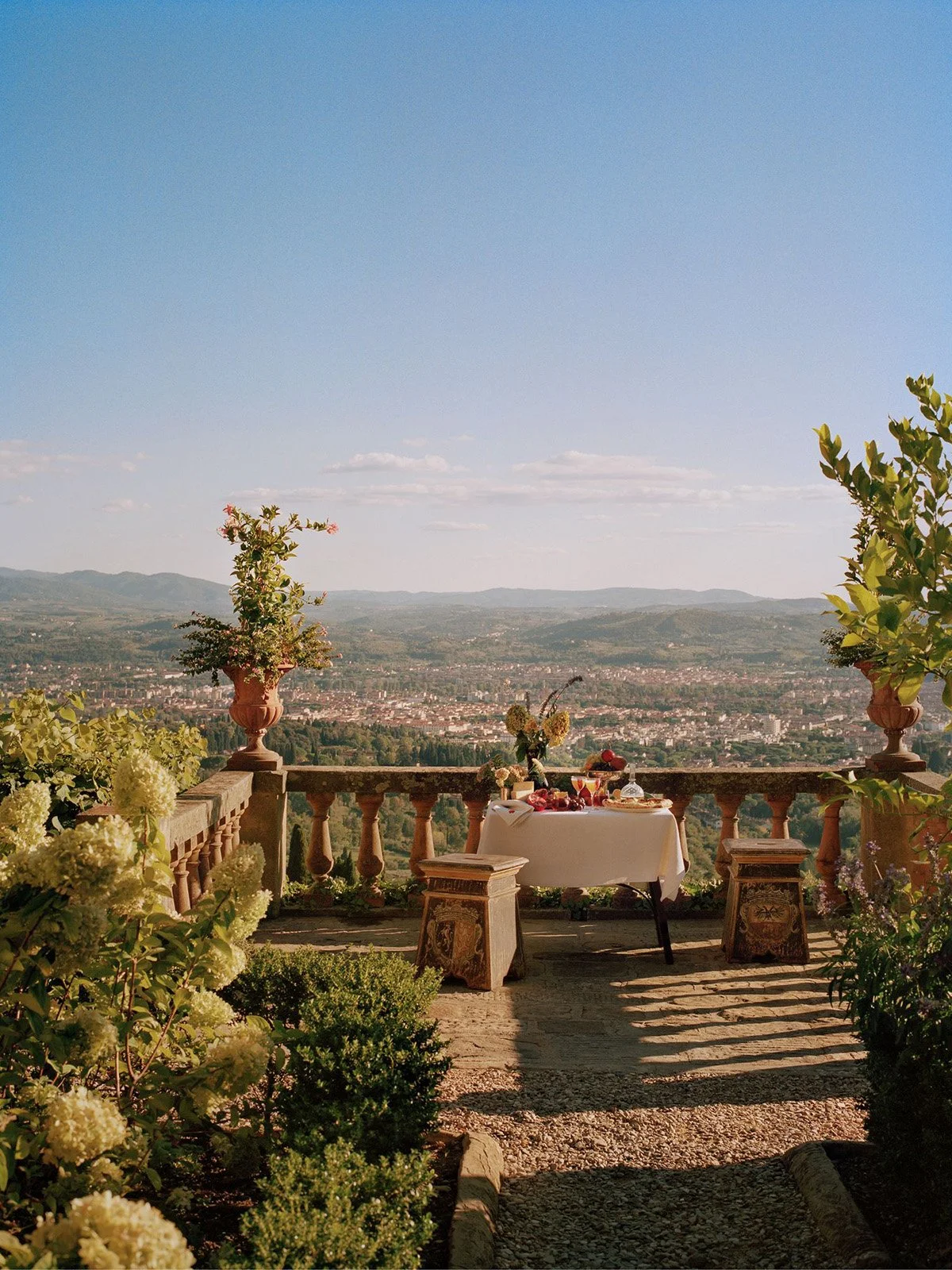
Villa San Michele Through the Lens of François Halard
—
The French photographer turns his attention to a 15th-century Florentine monastery, capturing an architecture suspended between Renaissance history, human presence and the Tuscan landscape