

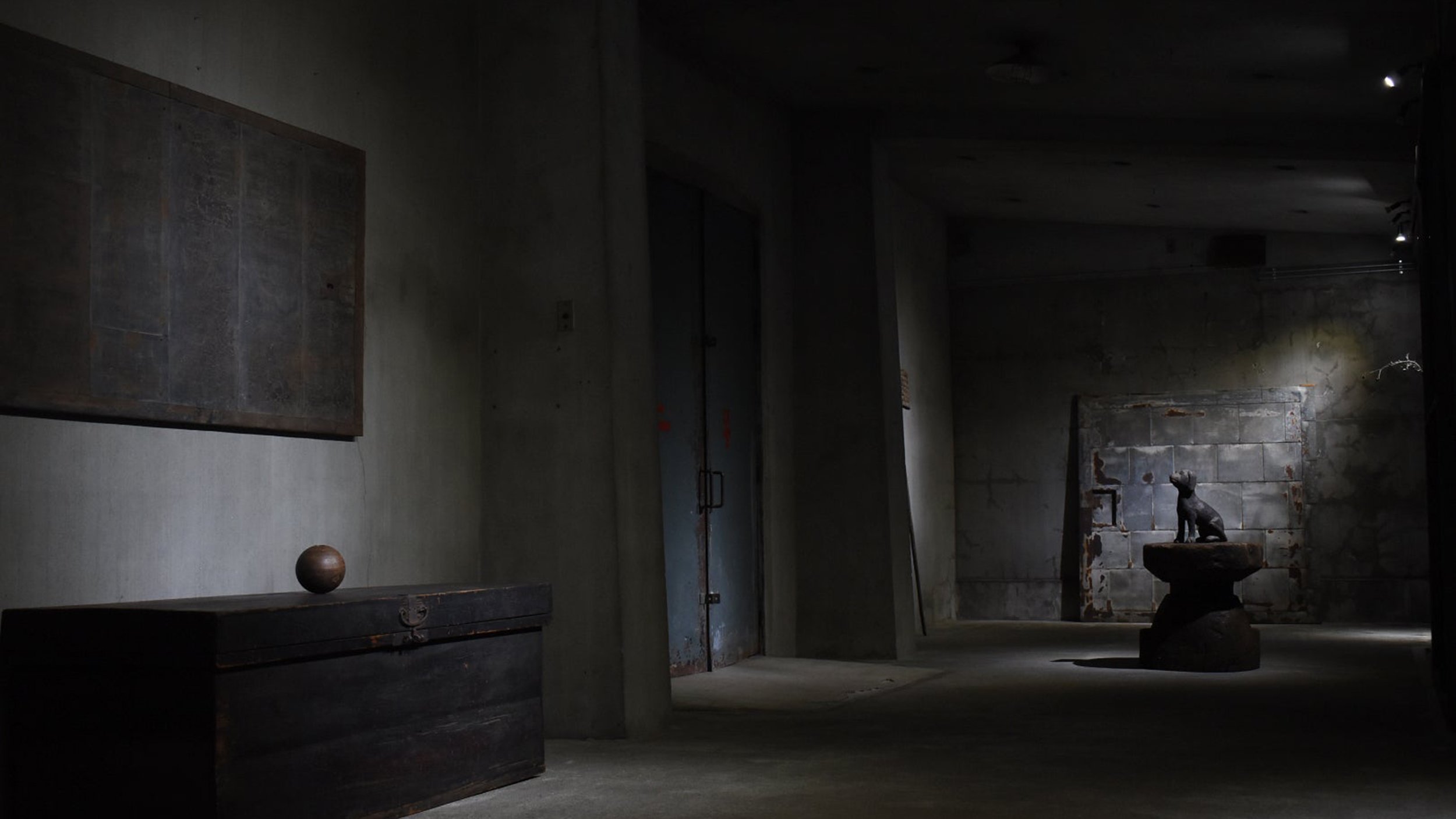
Apologia gallery of Japanese antiques
Image © — @apologia_jp
ART & OBJECTS
Apologia Finds Beauty in the Memory of Japanese Objects
From Chiba, the antique dealer presents weathered timber, vernacular furniture and sculptural objects through a philosophy that places age, memory and material presence above chronology
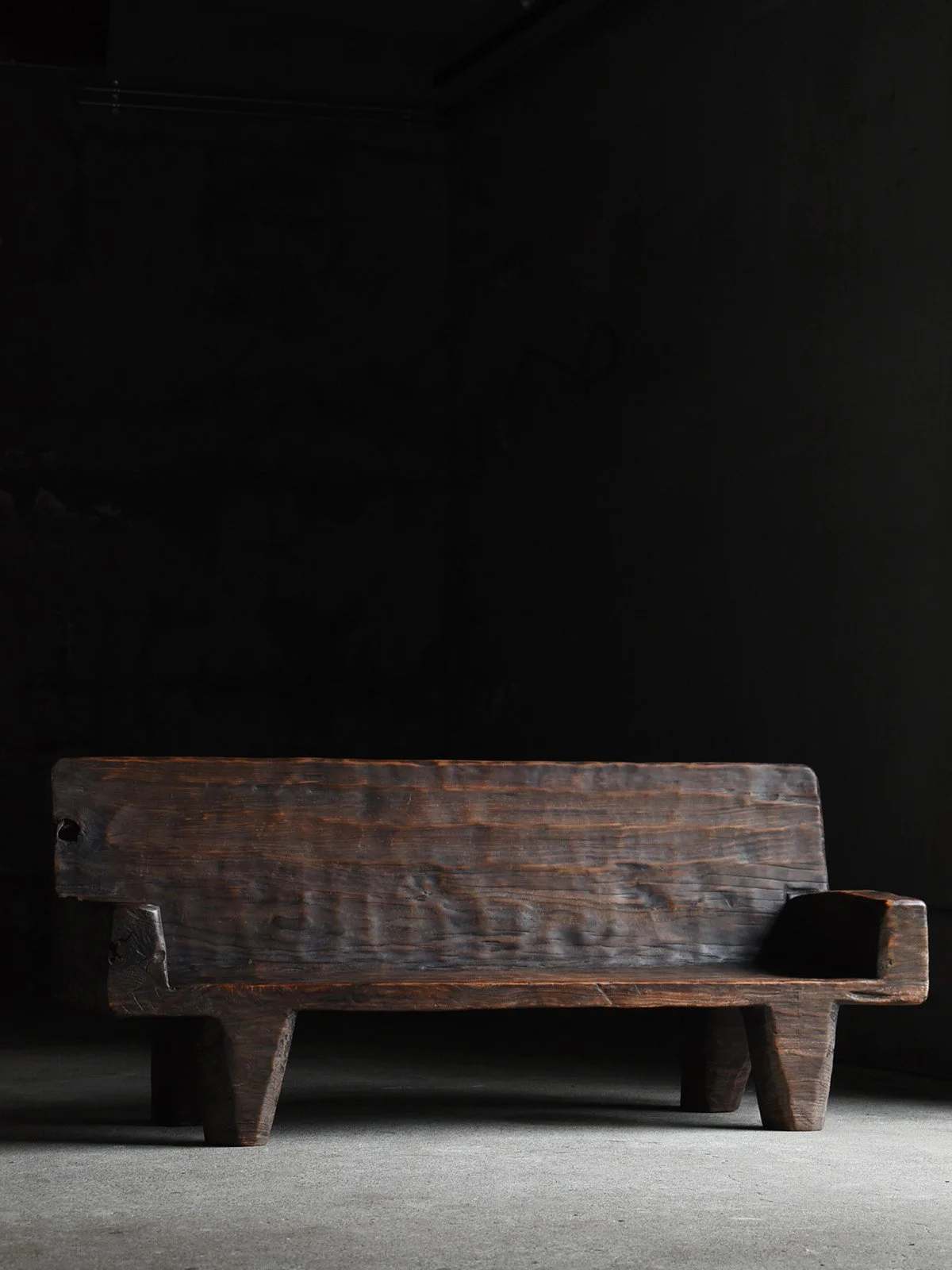
Bench, Showa period, Japan
Image © — @apologia_jp
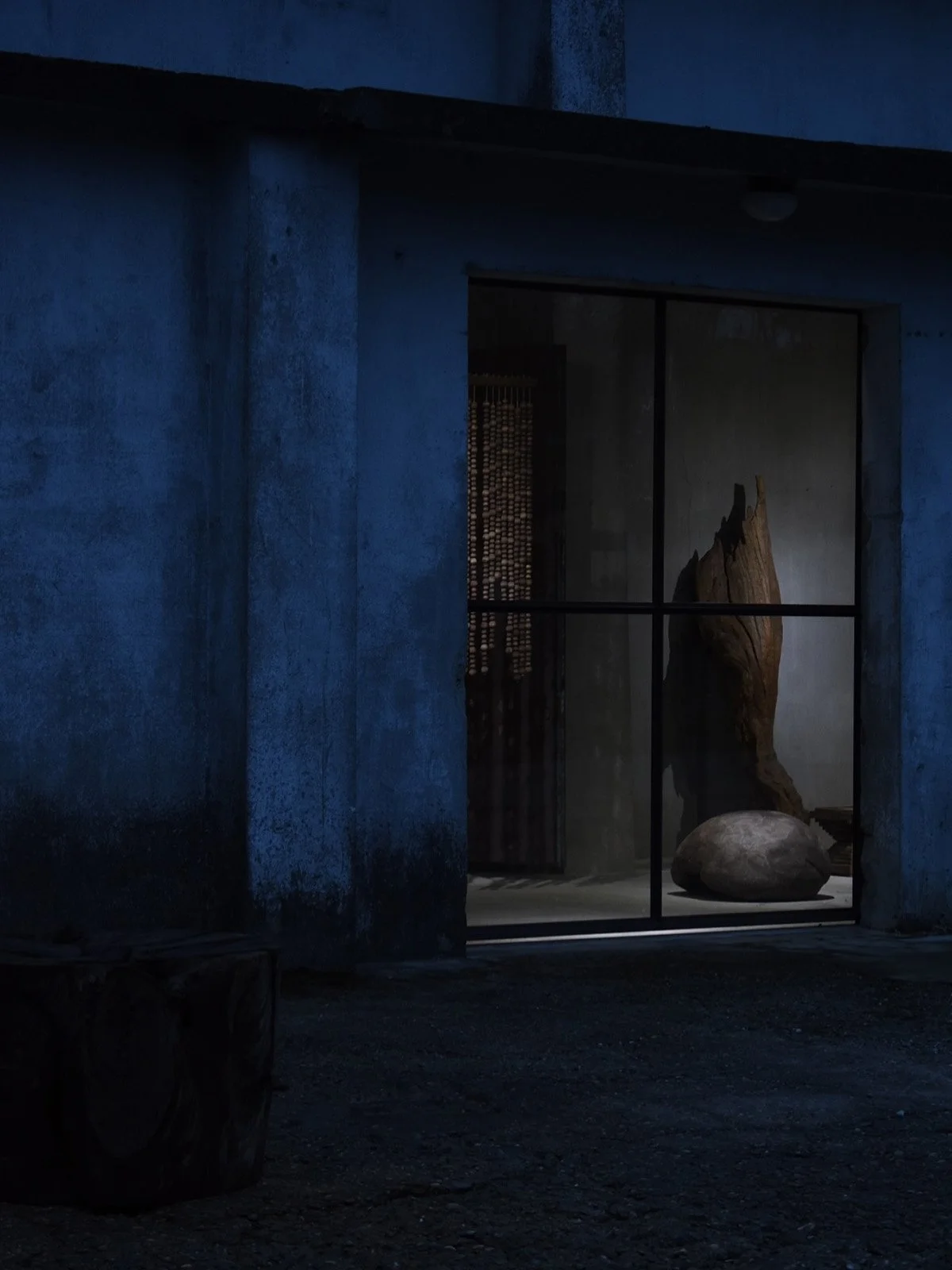
Apologia gallery exterior view
Image © — @apologia_jp
For Apologia, objects are not silent. The Chiba-based Japanese antique dealer approaches them as carriers of memory, each surface marked by the hands, rooms and years that preceded its arrival in the gallery. Its own philosophy begins with a deceptively simple conviction: “Objects always tell the truth.” The collection that follows is equally direct, bringing together Japanese antiques without forcing them into a rigid chronology or decorative category
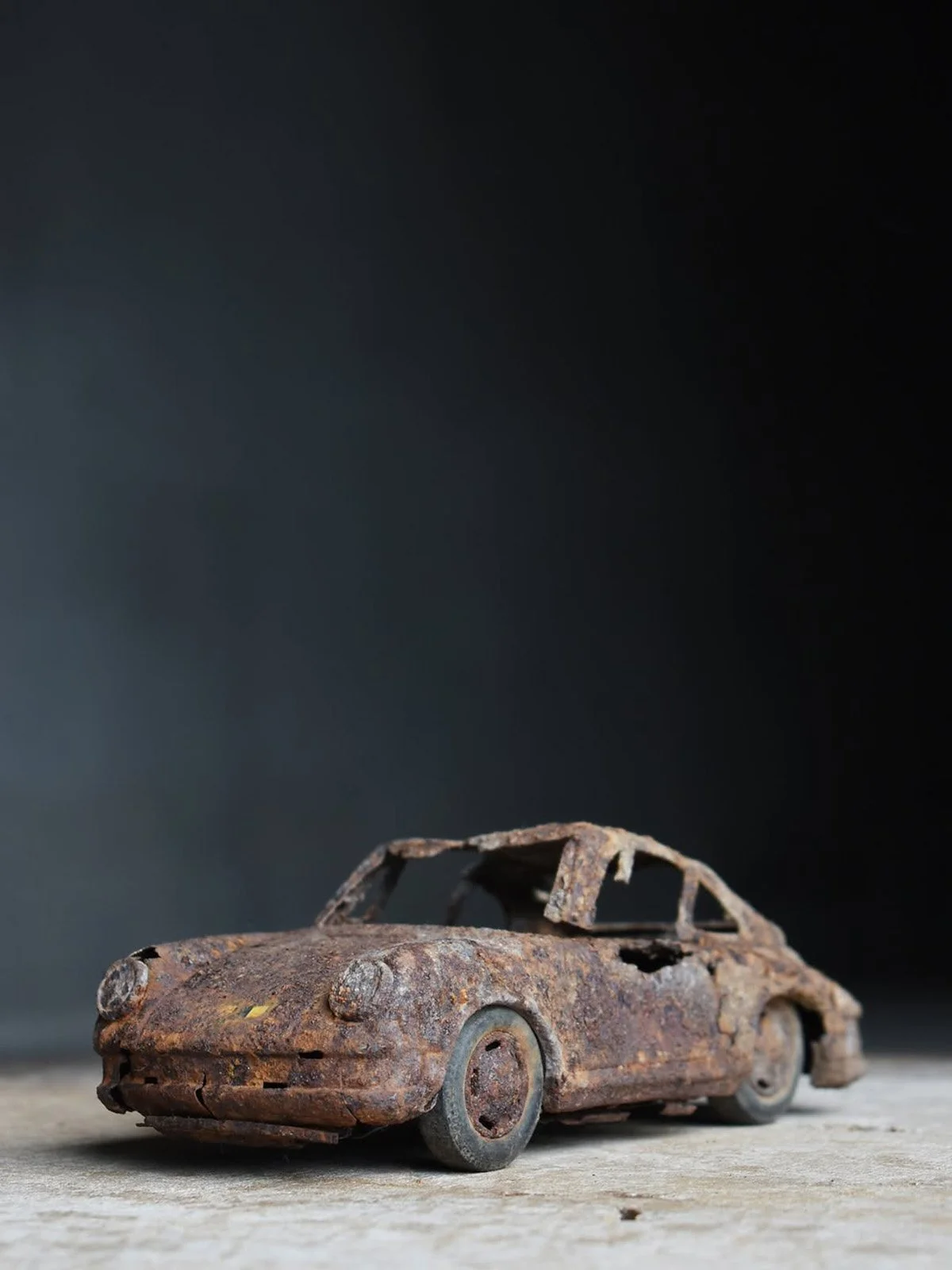
Porsche, Showa period, Japan
Image © — @apologia_jp
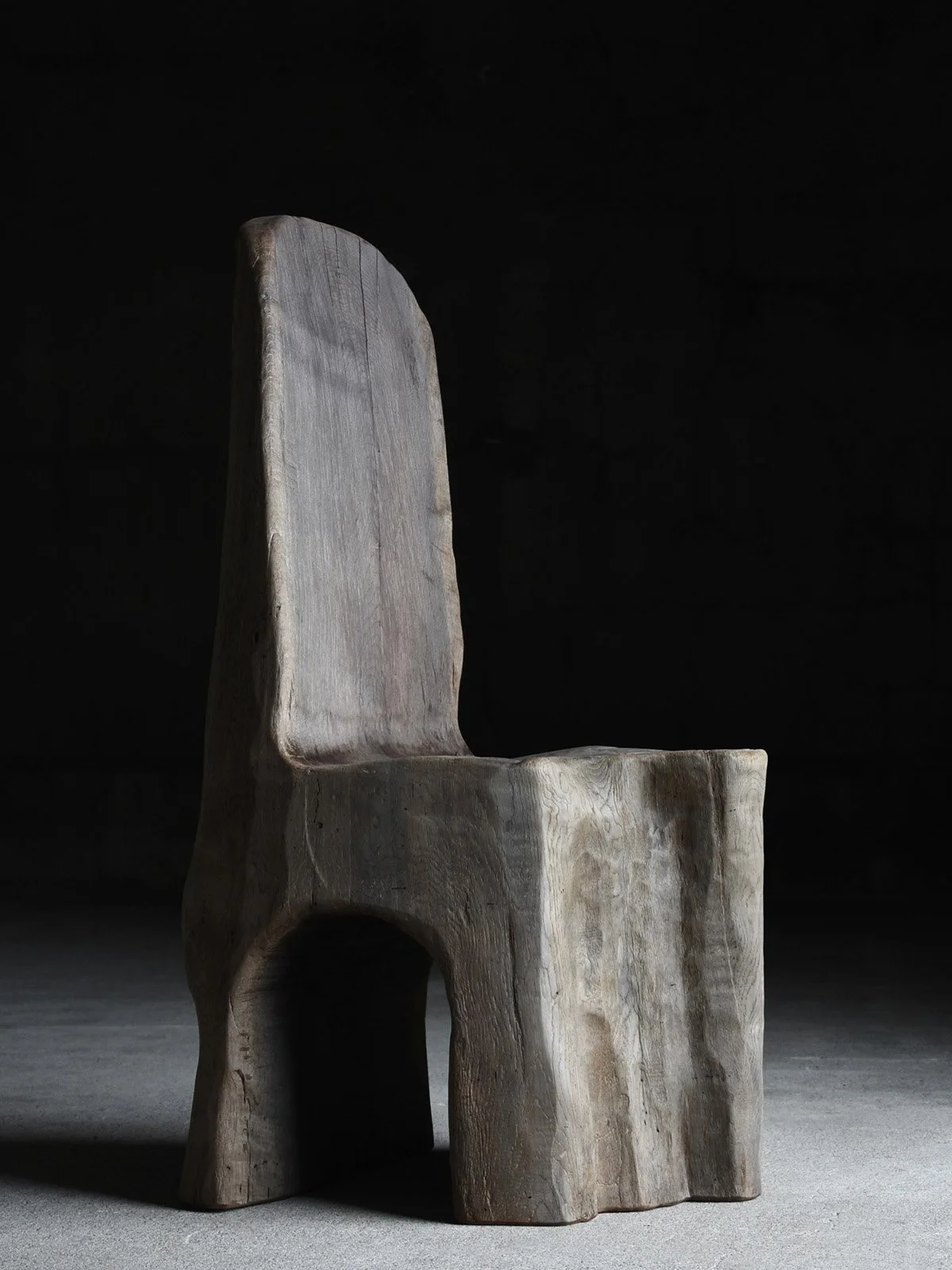
Primitive chair, Showa period, Japan
Image © — @apologia_jp
Darkened wood dominates the visual language. A many-drawered cabinet becomes almost architectural in scale, its irregularly opened compartments interrupting an otherwise severe grid. Rough-hewn tables retain knots, fissures and the natural movement of their original trunks, while low benches and heavy chairs reveal the unevenness of work shaped by hand. Elsewhere, old vessels, mirrors and miniature architectural forms are isolated against blackened interiors, photographed with the gravity more commonly reserved for sculpture
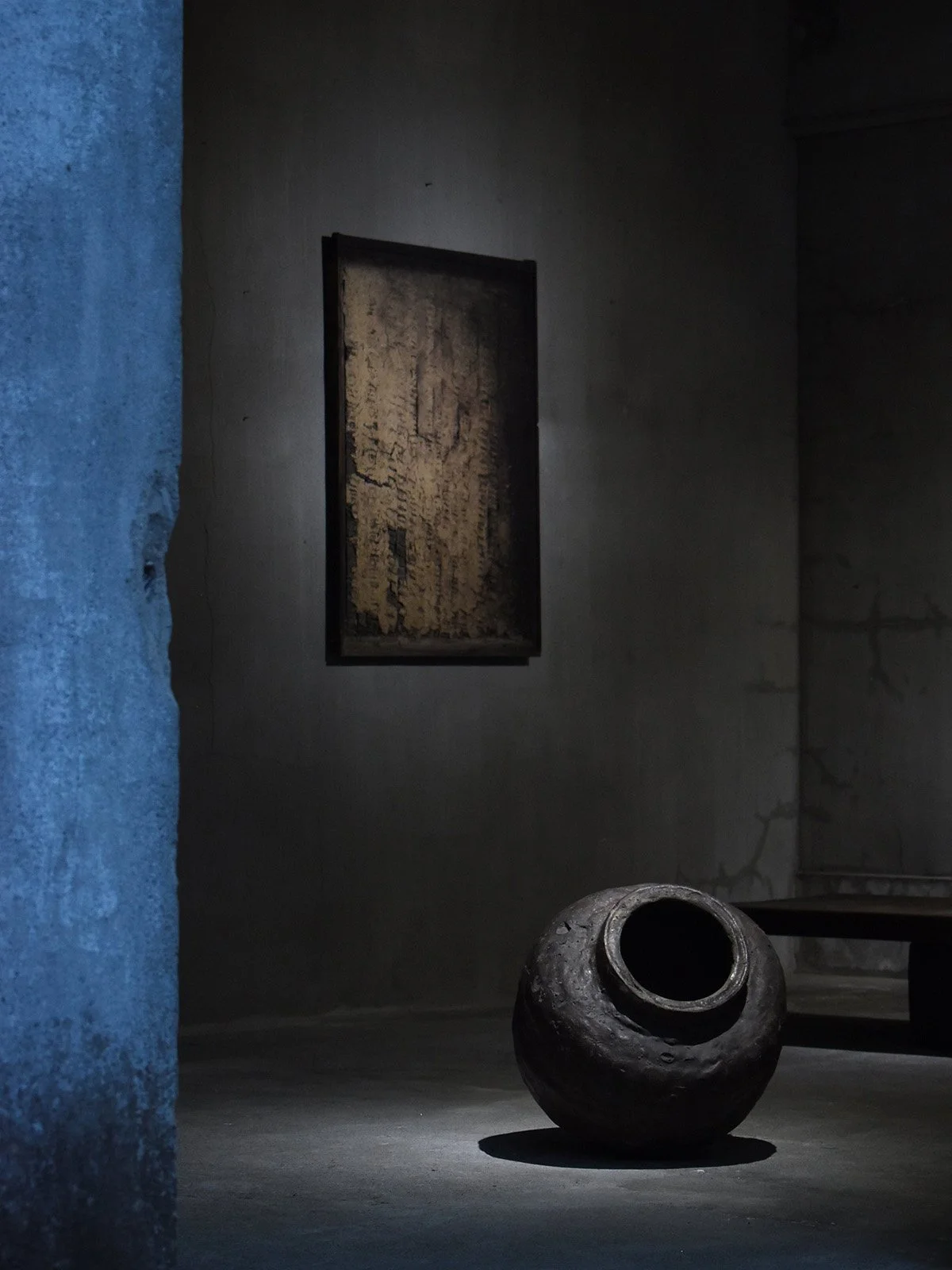
Apologia gallery
Image © — @apologia_jp
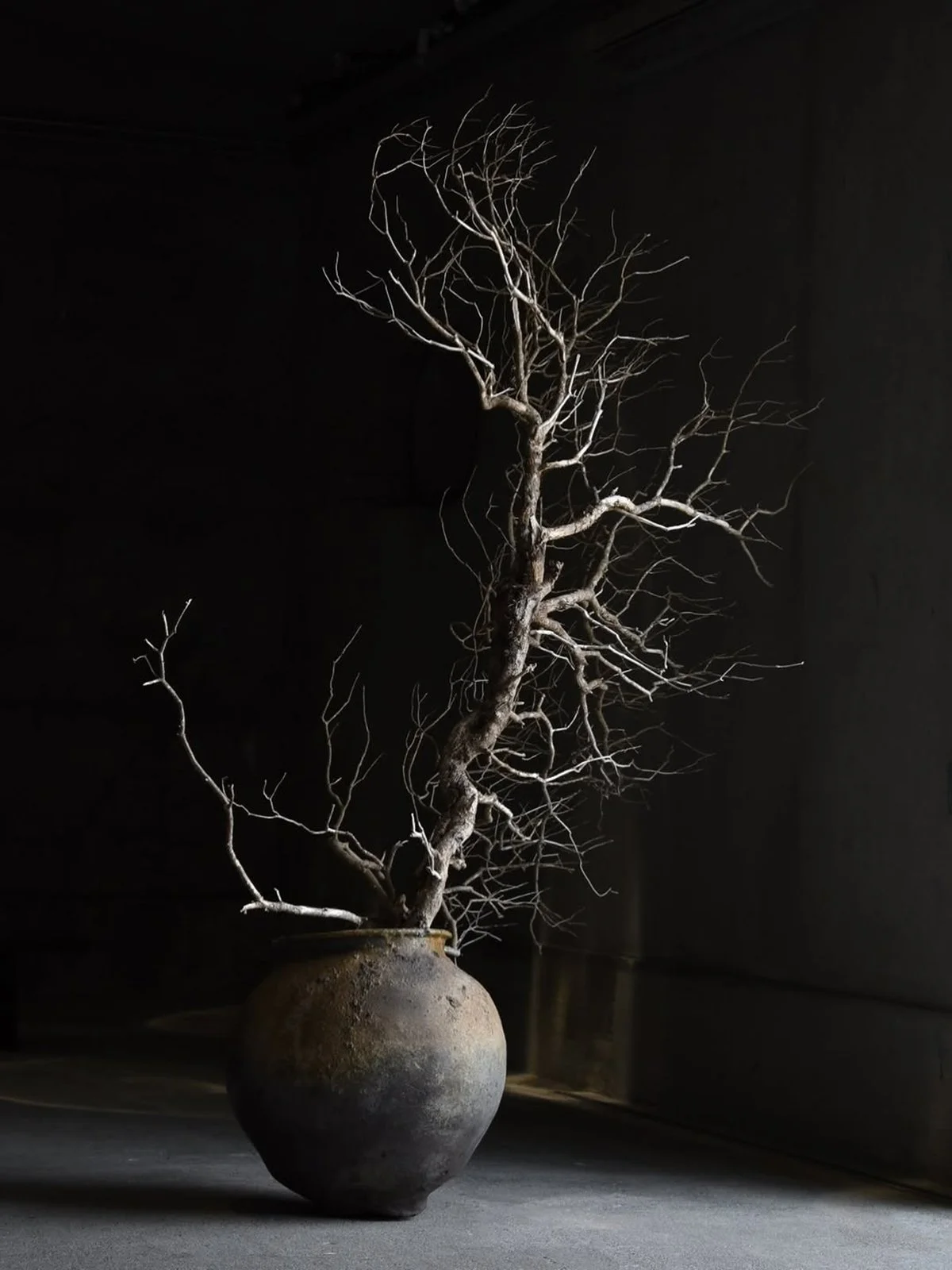
Tsubo, Edo period, Japan
Image © — @apologia_jp
Animals appear repeatedly. A weathered boar, a seated bear and smaller carved figures introduce an animistic presence to the collection, their worn surfaces making exact origin feel temporarily secondary to character. Apologia's presentation resists the tendency to over-explain these objects. Each is given enough darkness and space to allow silhouette, texture and age to become its first language
The dealer describes beauty as something without boundaries of nationality or era, while consciously turning towards what it calls “Japanese style” as a means of reconsidering what is being lost in contemporary life. It is less an argument for nostalgia than an examination of restraint, imperfection and the evidence of use. A timber surface polished unevenly over decades, the softened edge of a bench or the cloudy silver of an old mirror can communicate history without requiring restoration
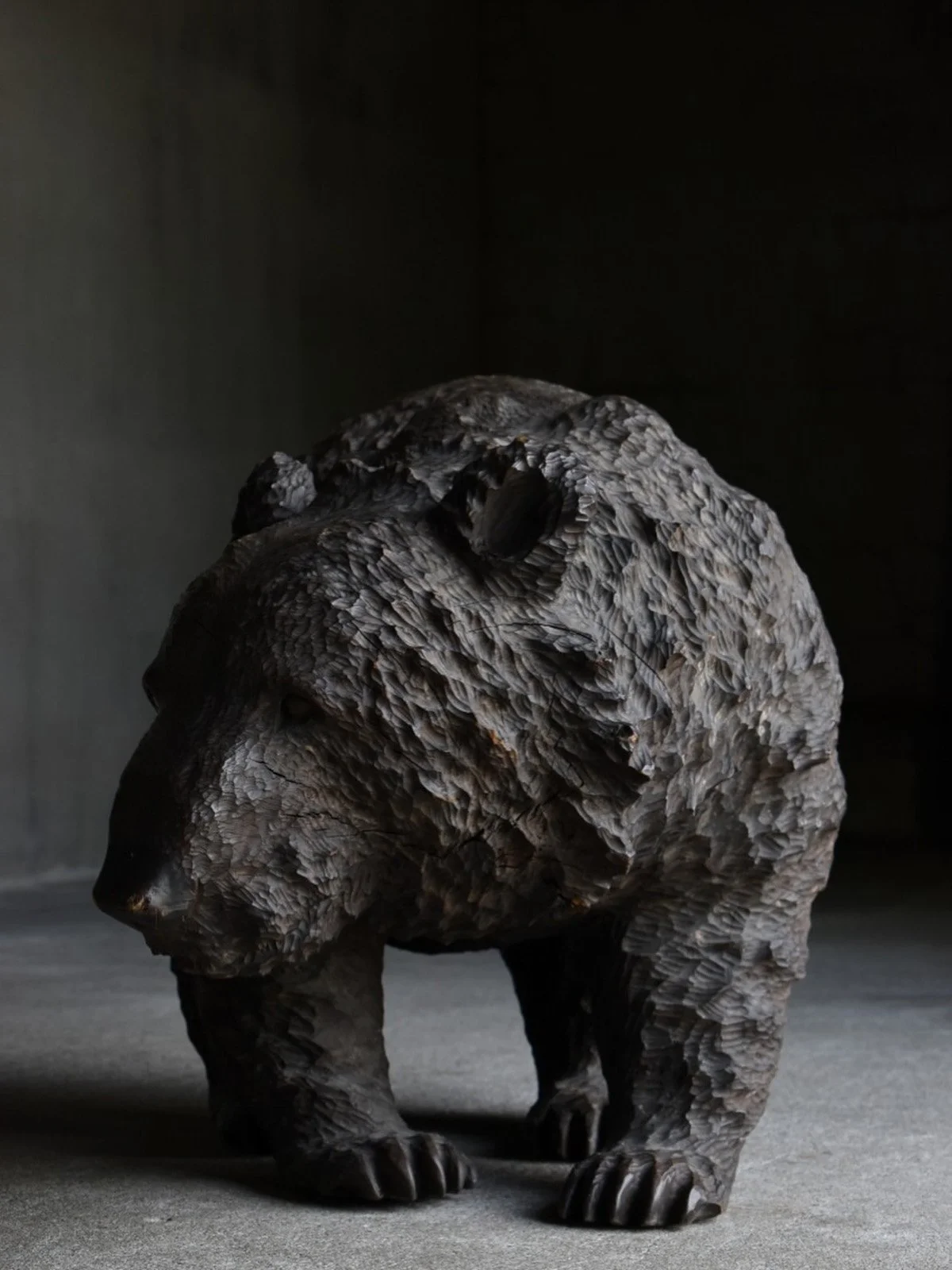
Massive wooden bear carving, Showa period, Japan
Image © — @apologia_jp
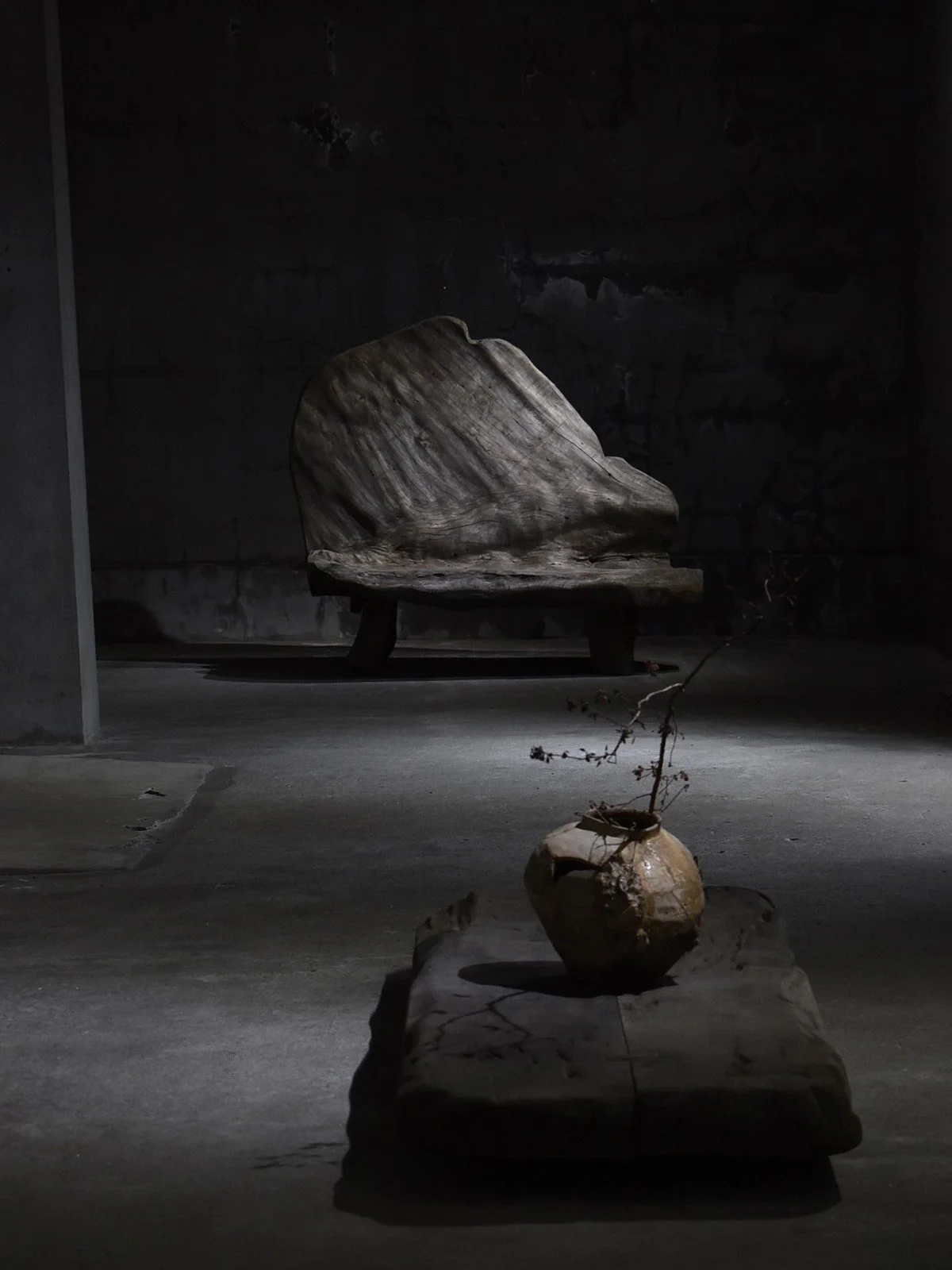
Apologia gallery
Image © — @apologia_jp
There is an almost monastic severity to Apologia's world, yet the objects themselves prevent it from becoming austere. Their irregular forms, scars and patina bring human presence into the darkness. Presented from Chiba but detached from the conventional language of the antique showroom, Apologia asks the viewer to look at Japanese objects not simply as remnants of another period, but as things still carrying the invisible weight of the lives around them
Galerie Chenel Places Roman Sculpture in a Contemporary Parisian Frame
—
From its Quai Voltaire gallery opposite the Louvre, the family-run specialist has built an international reputation around archaeological objects, provenance and the enduring presence of antiquity
Casa degli Atellani, Where Milan’s Renaissance and Modernism Meet
—
After more than a century as the home and creative centre of Piero Portaluppi’s descendants, the 15th-century palace and Leonardo da Vinci’s reconstructed vineyard have entered an uncertain new chapter