

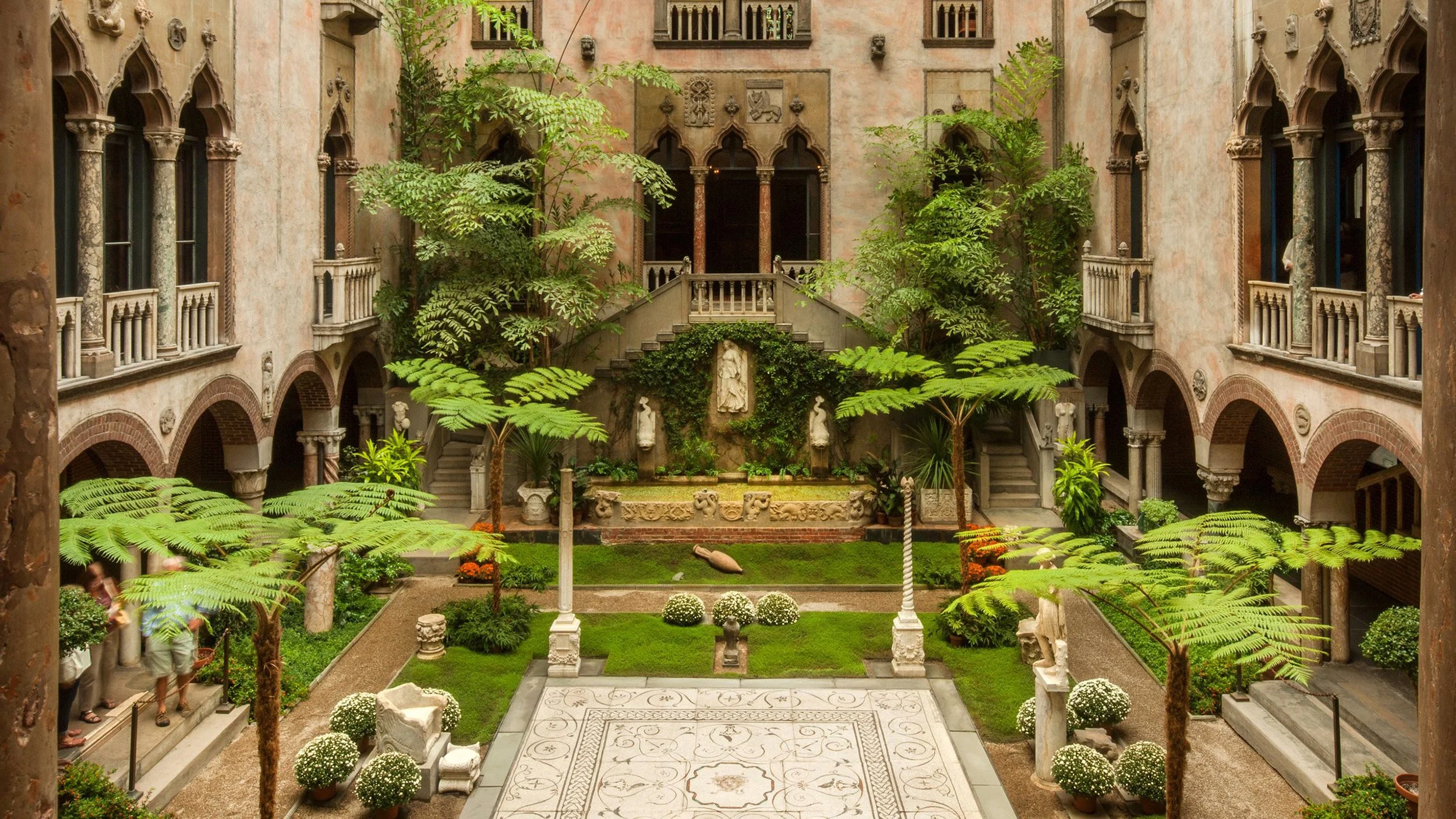
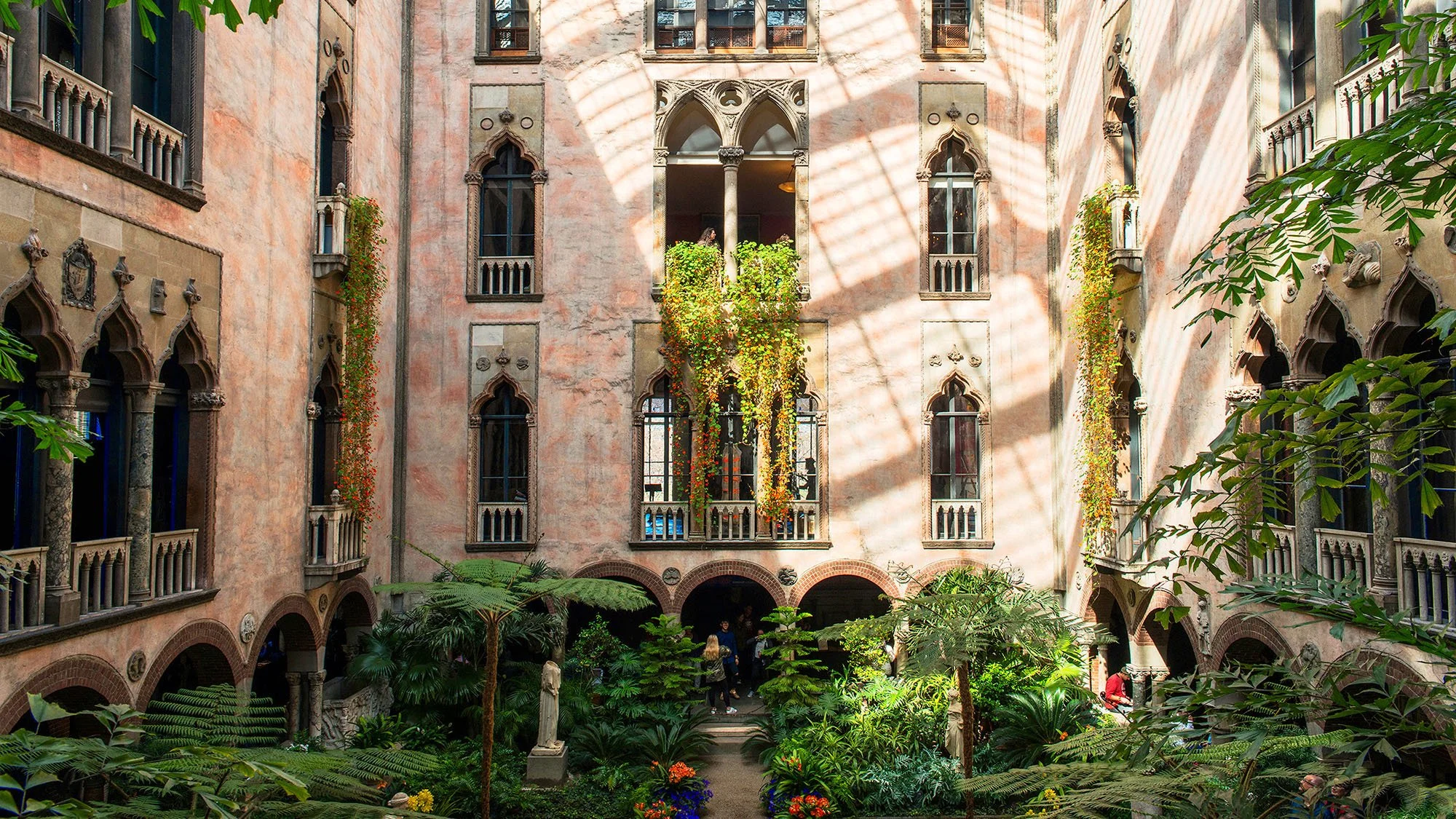
Isabella Stewart Gardner Museum with Venetian Palazzo architectural design
Image © — @nic.lehoux
MUSEUM
Isabella Stewart Gardner’s Venetian Palazzo in Boston
Built as both a museum and a deeply personal work of art, Fenway Court remains governed by the collector’s singular vision more than a century after its opening
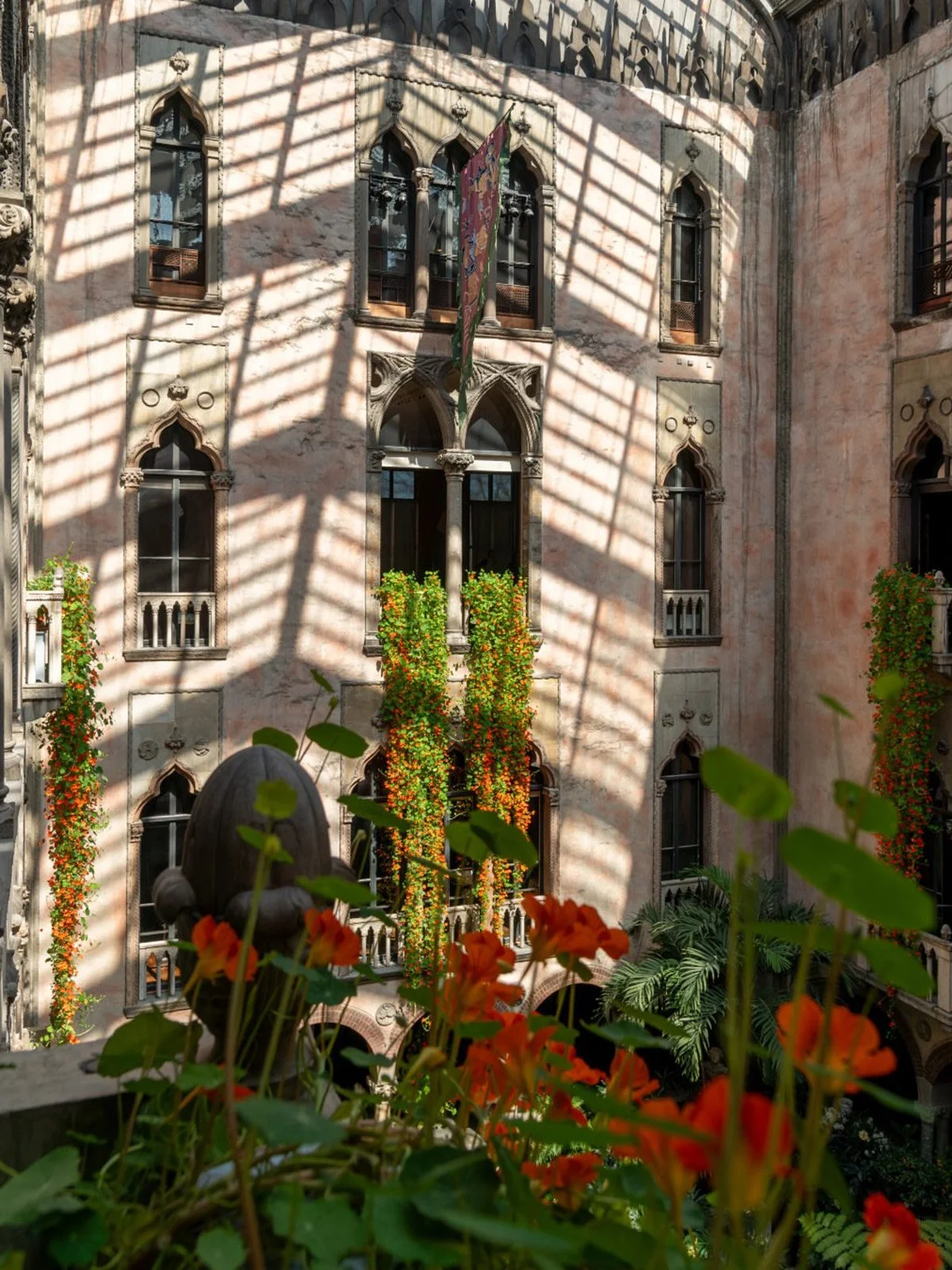
The Hanging Nasturtiums display at Isabella Stewart Gardner Museum
Image © — @gardnermuseum

Rembrandt van Rijn, The Storm on the Sea of Galilee (1633) stolen from the Isabella Stewart Gardner Museum in 1990
Image © — @gardnermuseum
On Sicily’s northwestern coast, between the Mediterranean scrub and the crystalline waters near the Zingaro Nature Reserve, Tonnara di Scopello occupies a setting of almost improbable beauty. Stone buildings gather at the water’s edge beneath a historic watchtower, while the Faraglioni rise dramatically from the sea beyond. Yet the significance of the Tonnara extends far beyond its landscape. This is one of Sicily’s most compelling surviving records of an industry that once shaped life, architecture and commerce along the Mediterranean coastline
The history of Scopello reflects the succession of populations that settled throughout Sicily, each leaving traces within the landscape and built environment. At the centre of the Tonnara is the Marfaggio, the historic structure where fishing boats were stored, parts of which date to the 13th century. Above the village, a coastal watchtower appears to emerge almost directly from the surrounding rock. It forms part of the wider network of defensive towers still visible along Sicily’s coastline, built to observe the sea and protect settlements from approaching threats
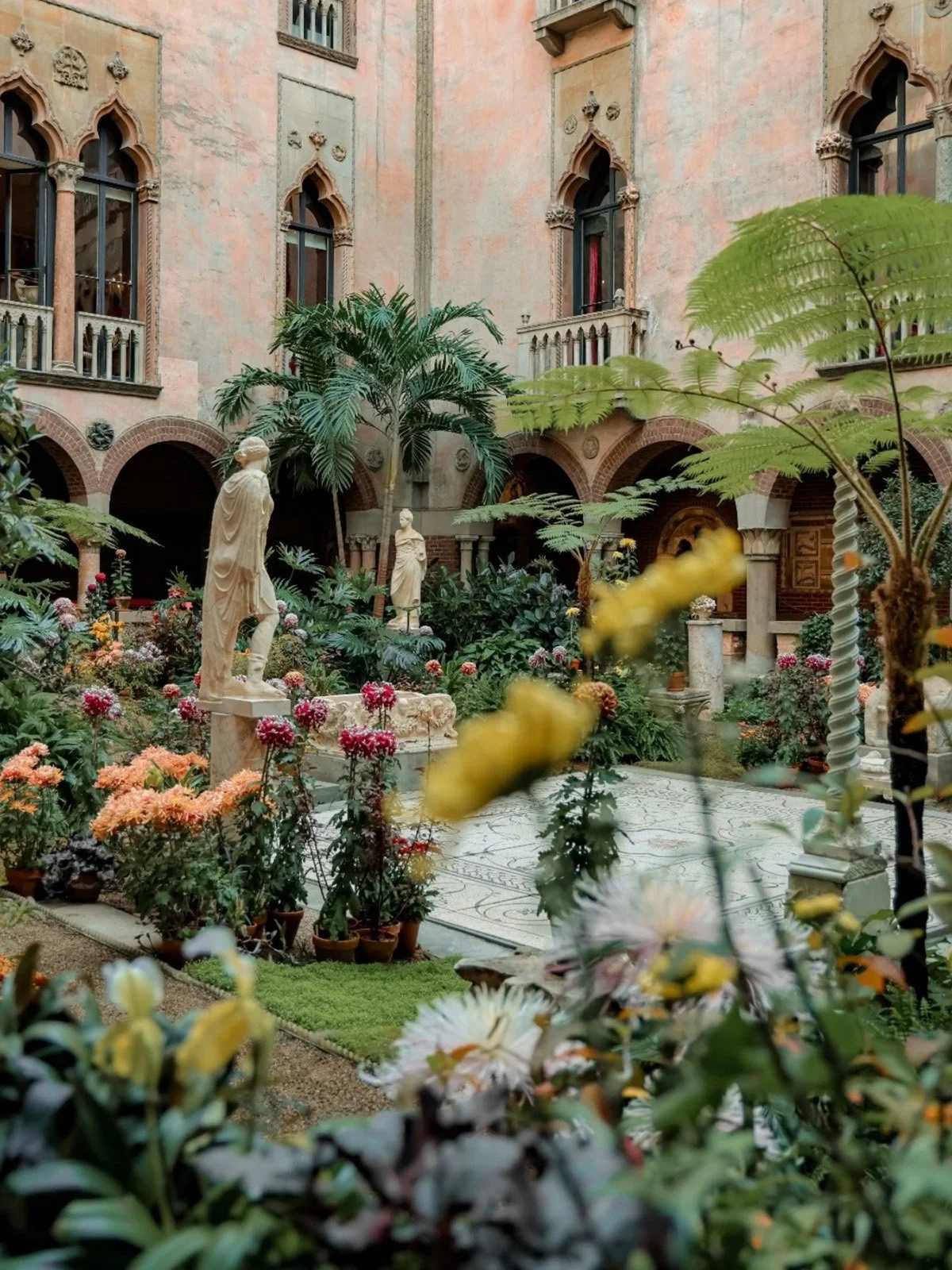
Chrysanthemum display
Image © — @gardnermuseum
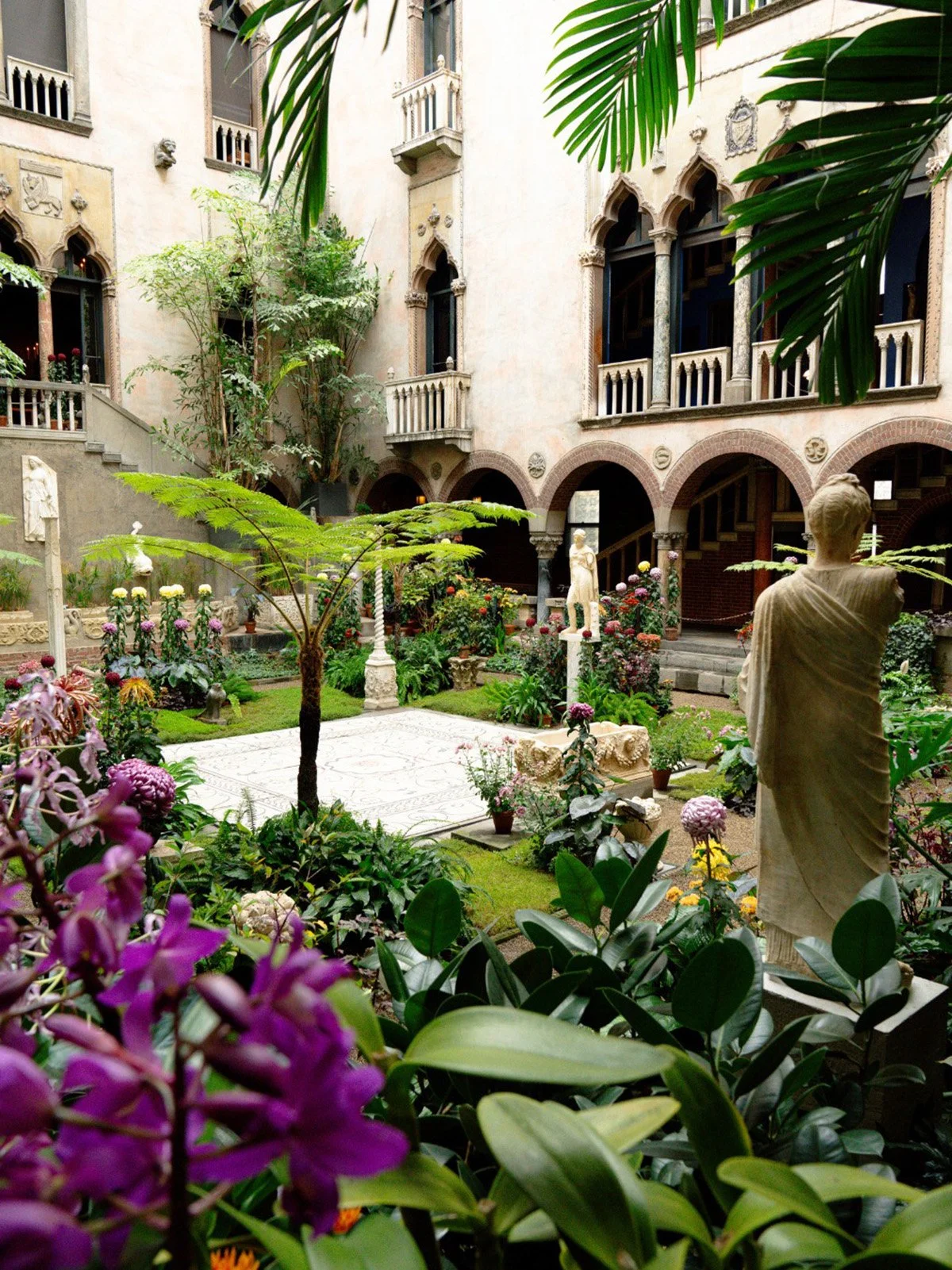
Chrysanthemum display
Image © — @gardnermuseum
Between the 15th and 16th centuries, the Tonnara underwent significant expansion after it was acquired by a noble family from Trapani. New spaces were constructed around the earlier medieval buildings, gradually forming the baglio that continues to define the architectural composition of the complex. Rather than the result of a single period or architect, Scopello developed incrementally, its stone courtyards, warehouses and working spaces responding directly to the demands of the fishing operation
The complex later passed to the Jesuits, who continued to improve and expand the existing buildings. The small church was developed alongside warehouses used for the storage of boats and accommodation for the fishermen who lived and worked at the Tonnara. These additions created something closer to a self-contained maritime village, where religion, domestic life and an intense seasonal industry existed within the same tightly organised group of buildings
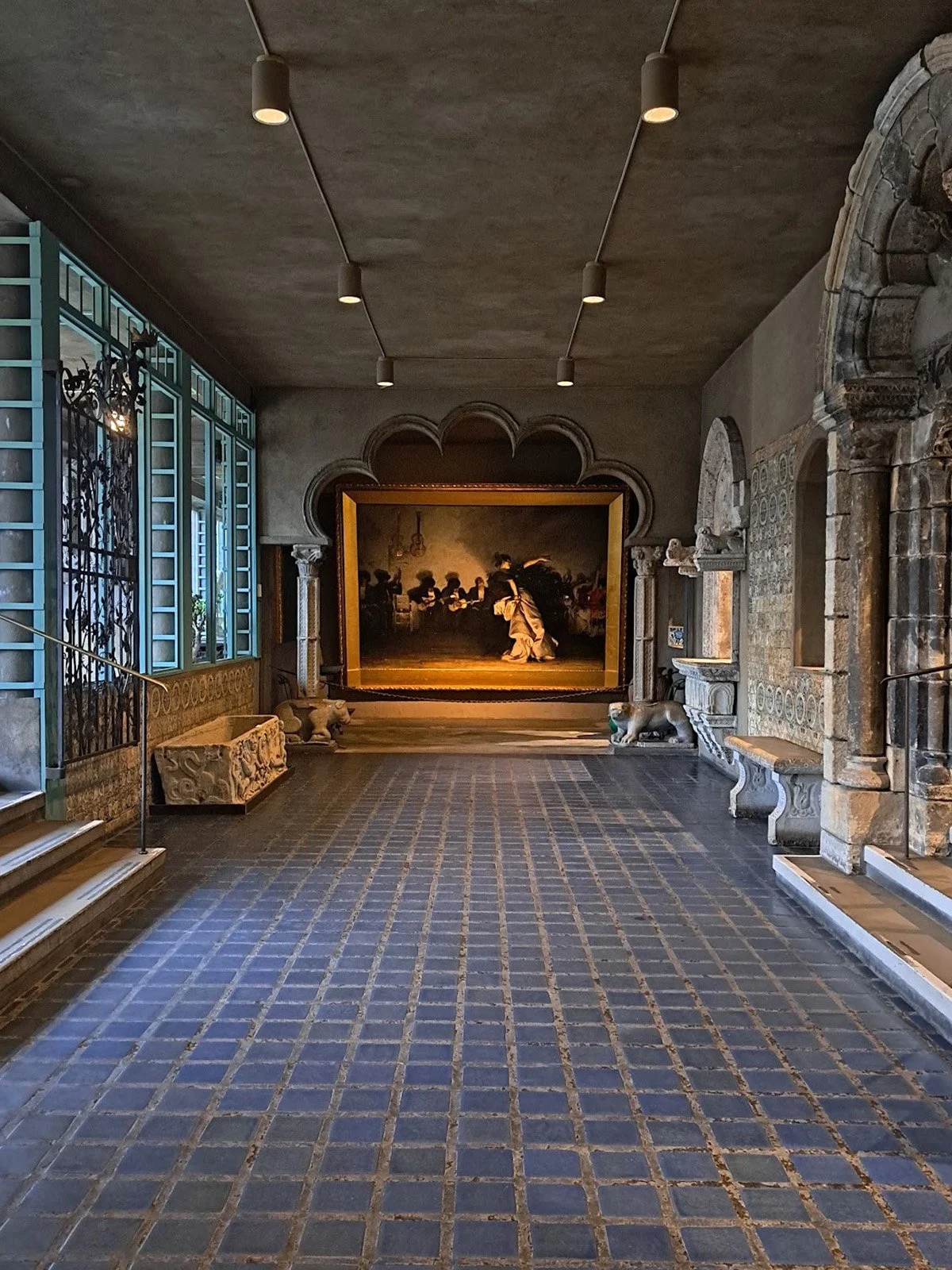
John Singer Sargent, El Jaleo (1882) in the Spanish Cloister
Image © — @gardnermuseum
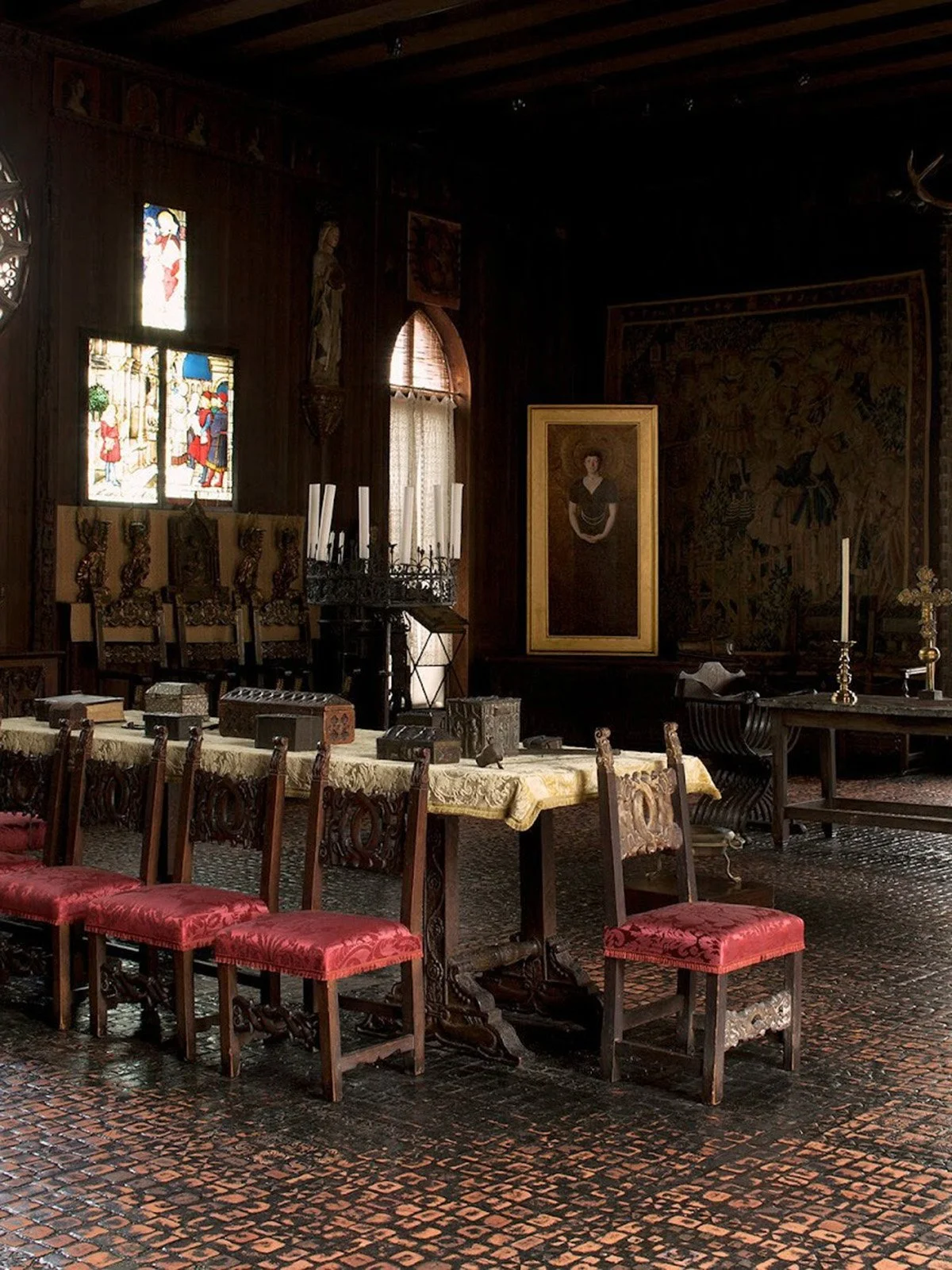
Gothic Room at Isabella Stewart Gardner Museum
Image © — @seandunganphoto
In 1874, the Tonnara entered another important chapter when the Florio family and other investors acquired the property at public auction. One of Sicily’s most influential entrepreneurial families, the Florios introduced improved working equipment and new methods intended to increase fishing productivity. The Palazzina Florio was commissioned to house the administration of the operation, adding a more formal architectural presence to a complex otherwise defined by robust and highly functional stone construction
Through each period of change, tuna fishing remained the constant. The practice is among the oldest associated with the Mediterranean and may have been known to the Phoenicians. Sicily’s position along the migratory routes of bluefin tuna allowed a network of tonnare to develop around its coastline, creating a distinct maritime culture centred on the annual passage of fish through the surrounding waters
At Scopello, the mattanza became the defining ritual of this culture. The traditional method of tuna fishing required immense systems of woven nets, purpose-built boats and the collective knowledge of generations of fishermen. Today, the Tonnara operates as an open-air museum where original vessels, tools and fishing equipment remain preserved within the spaces in which they were once used. Historic photographs reveal the faces of the tuna fishermen and document the physically demanding encounter between man and nature that sustained communities along the Sicilian coast
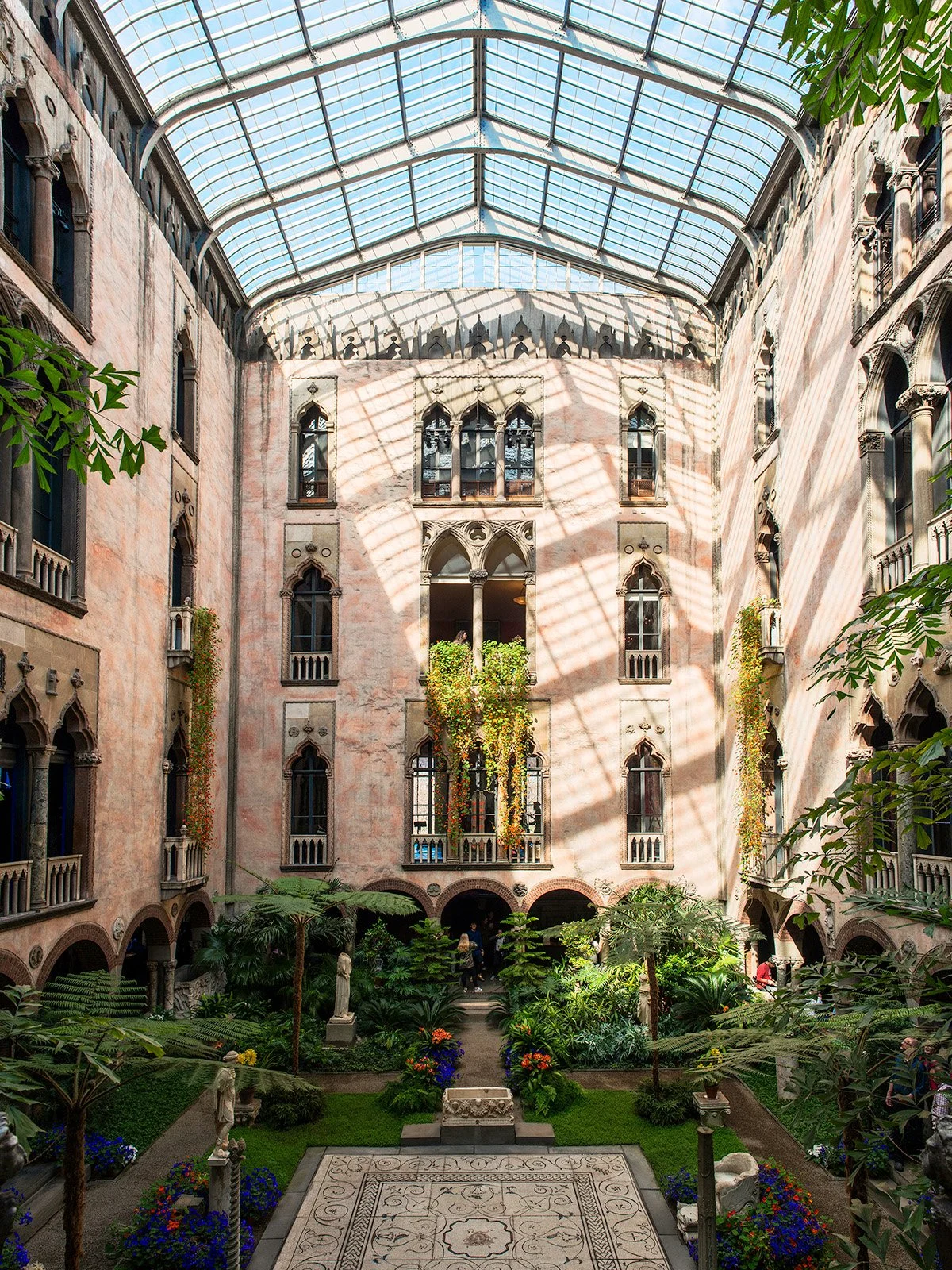
Isabella Stewart Gardner Museum showing the glass roof design flooding the plant life with natural lighting
Image © — @gardnermuseum
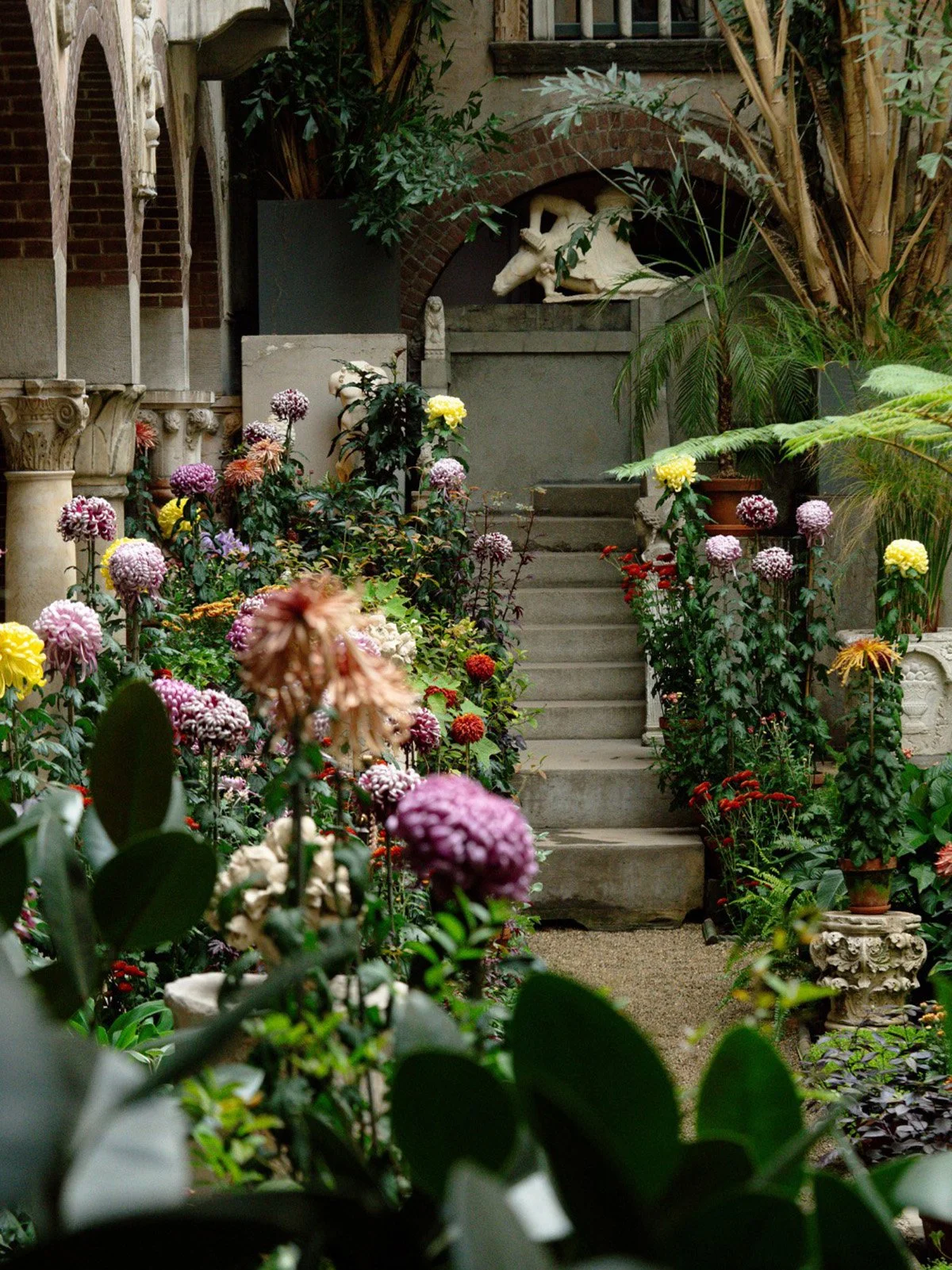
Heirloom Chrysanthemum blooming
Image © — @gardnermuseum
Fifteen newly refurbished apartments now occupy parts of the ancient seaside village, allowing guests to stay within the historic complex itself. Each apartment faces the sea, with the individual character of the rooms shaped by the architecture they inherit. Existing stone walls, historic openings and traditional details remain central to the experience, while shutters frame views of blue water and the Faraglioni beyond
The architecture retains a striking honesty because it was never conceived as a place of leisure. Thick masonry walls, sheltered courtyards and simple openings were shaped by work, climate and proximity to the sea. Its beauty is largely the consequence of this directness. Even after centuries of expansion and adaptation, the Tonnara continues to read as a coherent settlement intrinsically connected to the coastline beneath it
Beyond the historic buildings, Mediterranean gardens extend towards the water and now provide a setting for private events and gatherings. The changing colours of the sea, vegetation and exposed stone give the landscape an almost theatrical quality, although the architecture itself remains remarkably restrained. The enduring presence of the fishing village prevents the setting from becoming simply picturesque
Tonnara di Scopello is not a recreation of Sicily’s maritime past but a surviving fragment of it. Across its medieval boat stores, coastal watchtower, Jesuit additions and Florio-era buildings, centuries of history remain physically embedded within the stone. The fishing has ended, but the architecture continues to face the same Mediterranean waters that first gave the Tonnara its purpose
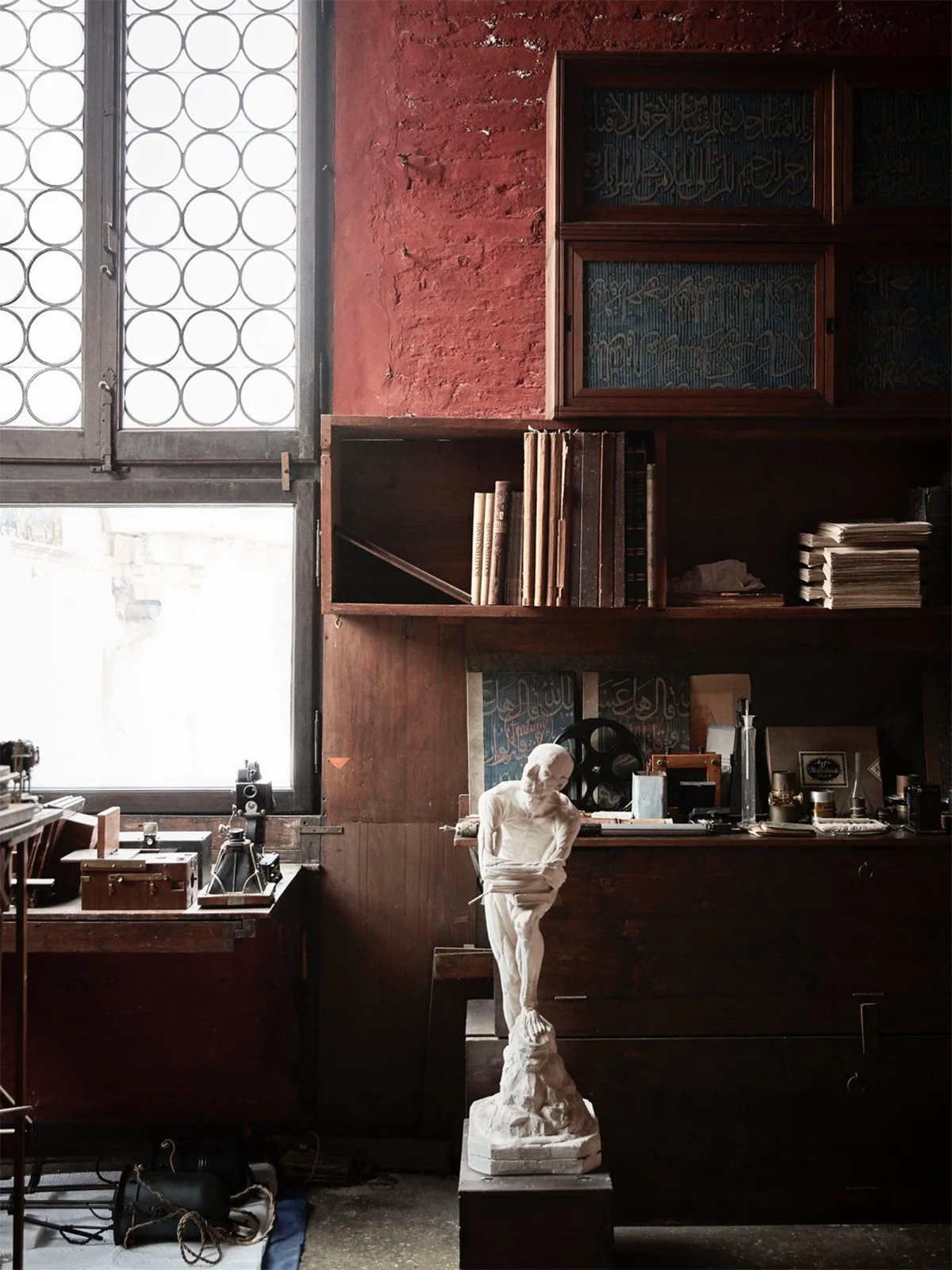
Looking Back at Intuition, Axel Vervoordt’s Defining Palazzo Fortuny Exhibition
—
Curated with Daniela Ferretti for the 2017 Venice Biennale, the exhibition now reads as one of Vervoordt’s clearest statements on art, perception and the knowledge that arrives before language
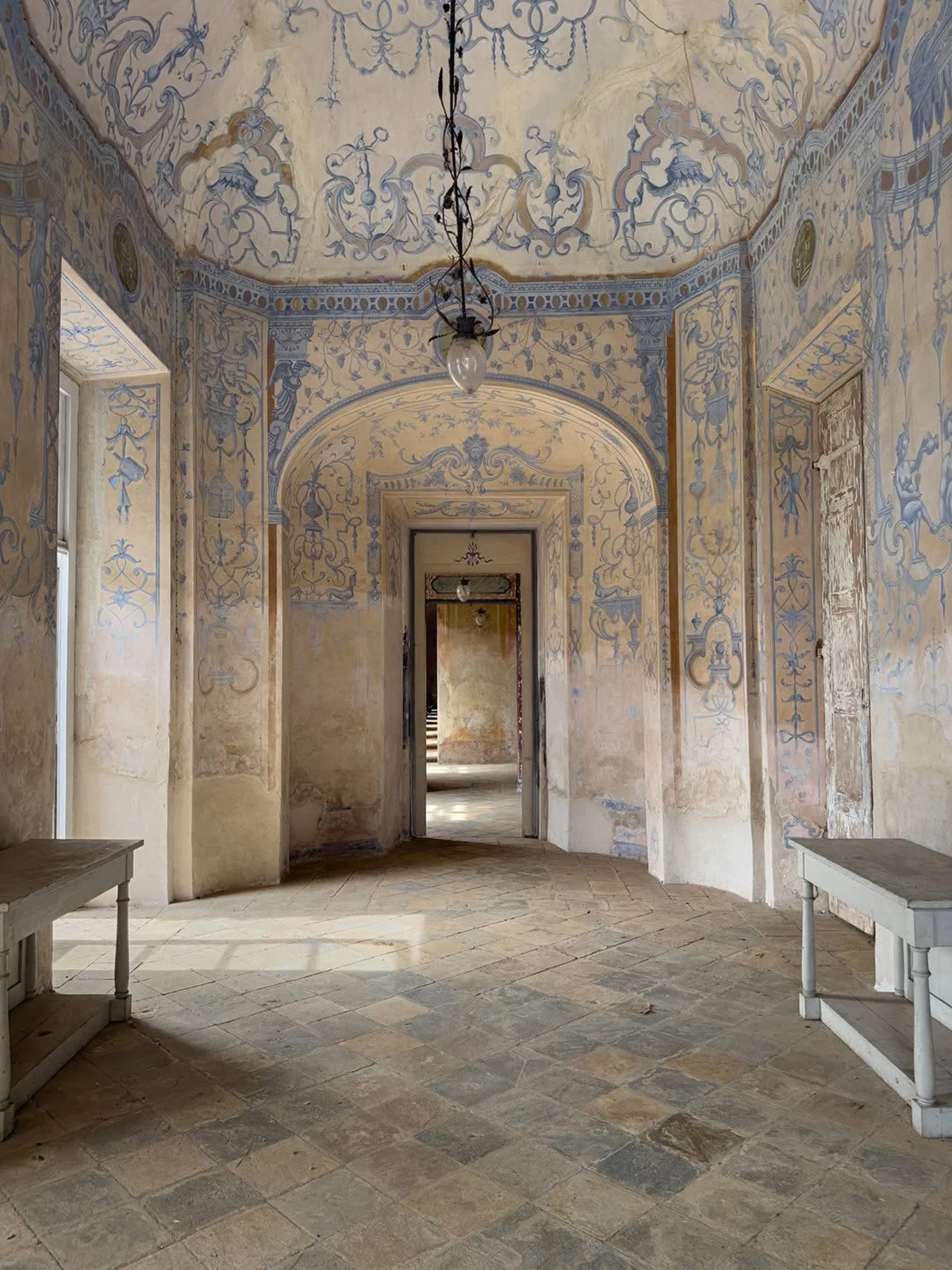
Castello Ducale di Agliè, the Faded Savoy Residence Where History Still Clings to the Walls
—
North of Turin, a 300-room castle preserves seven centuries of noble life through frescoed rooms, worn stone floors, painted doors, romantic gardens, and the quiet drama of interiors left almost exactly where time placed them