

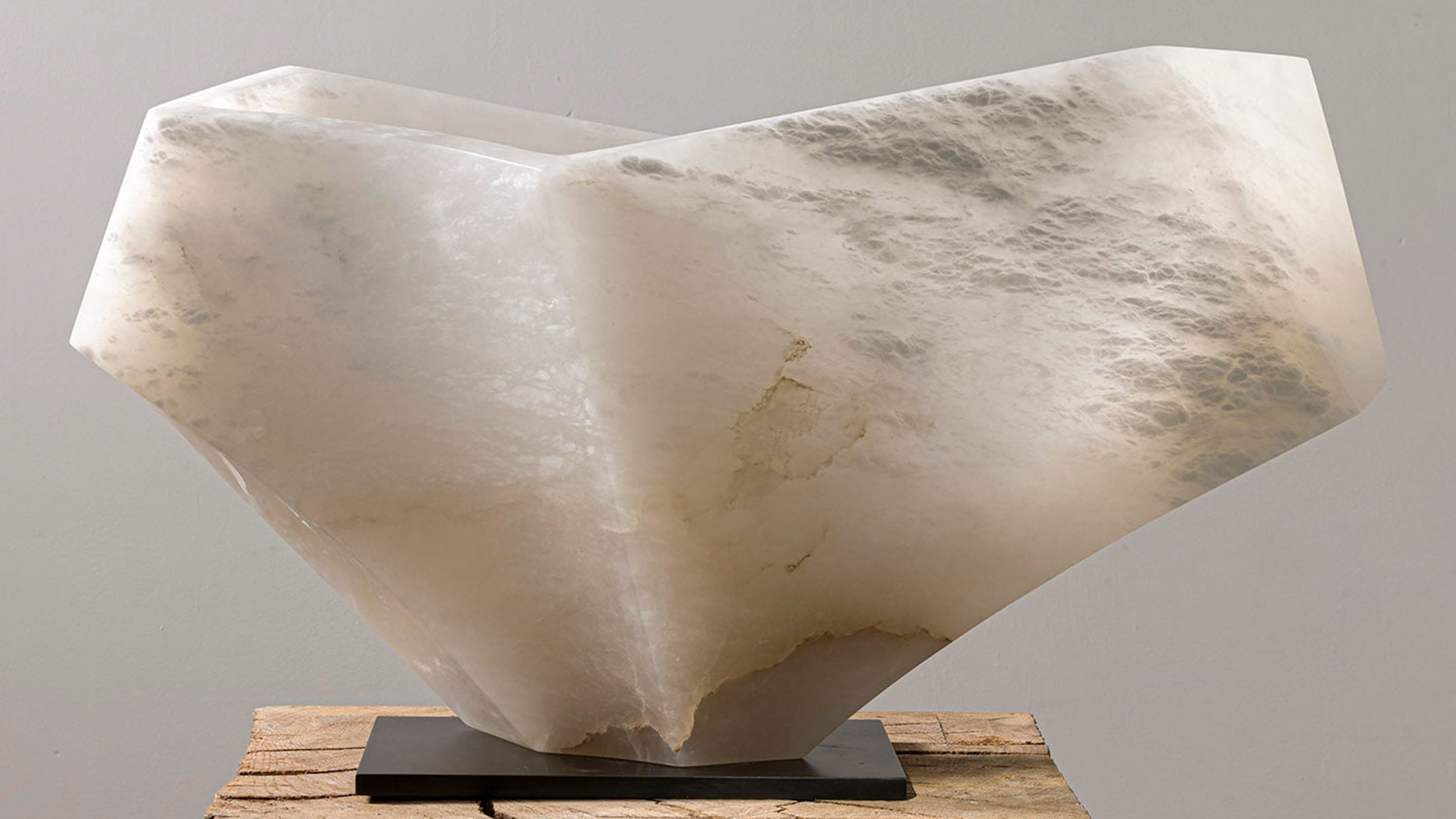
Image © — @tom_palmerstudio
ART & OBJECTS
Inside Tom Palmer’s New Alabaster Series at KALPA
The British artist and designer’s Vault Vessels pair rare alabaster with exacting geometry, revealing the stone’s soft translucency, varied inclusions, and quiet material presence
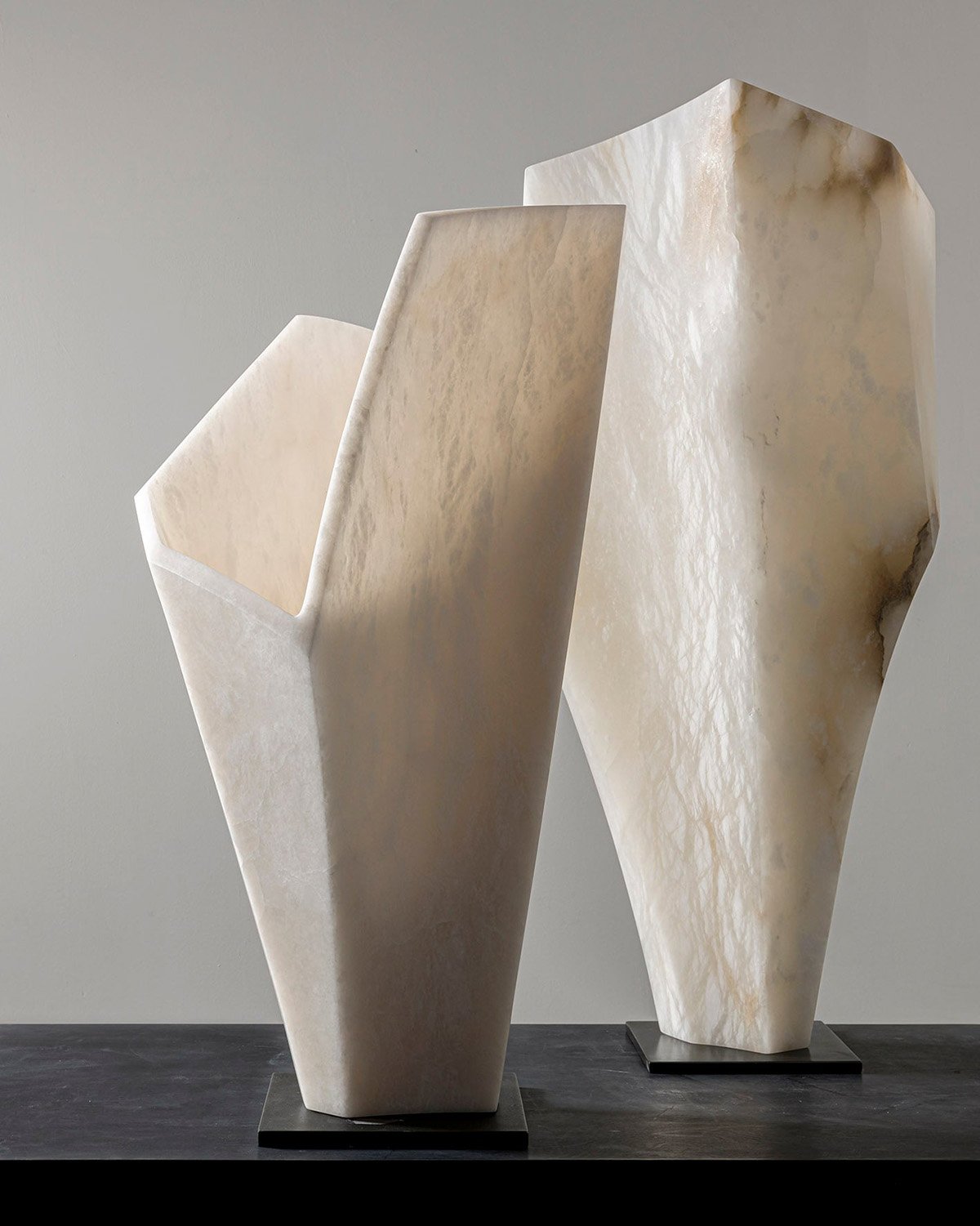
Image © — @tom_palmerstudio
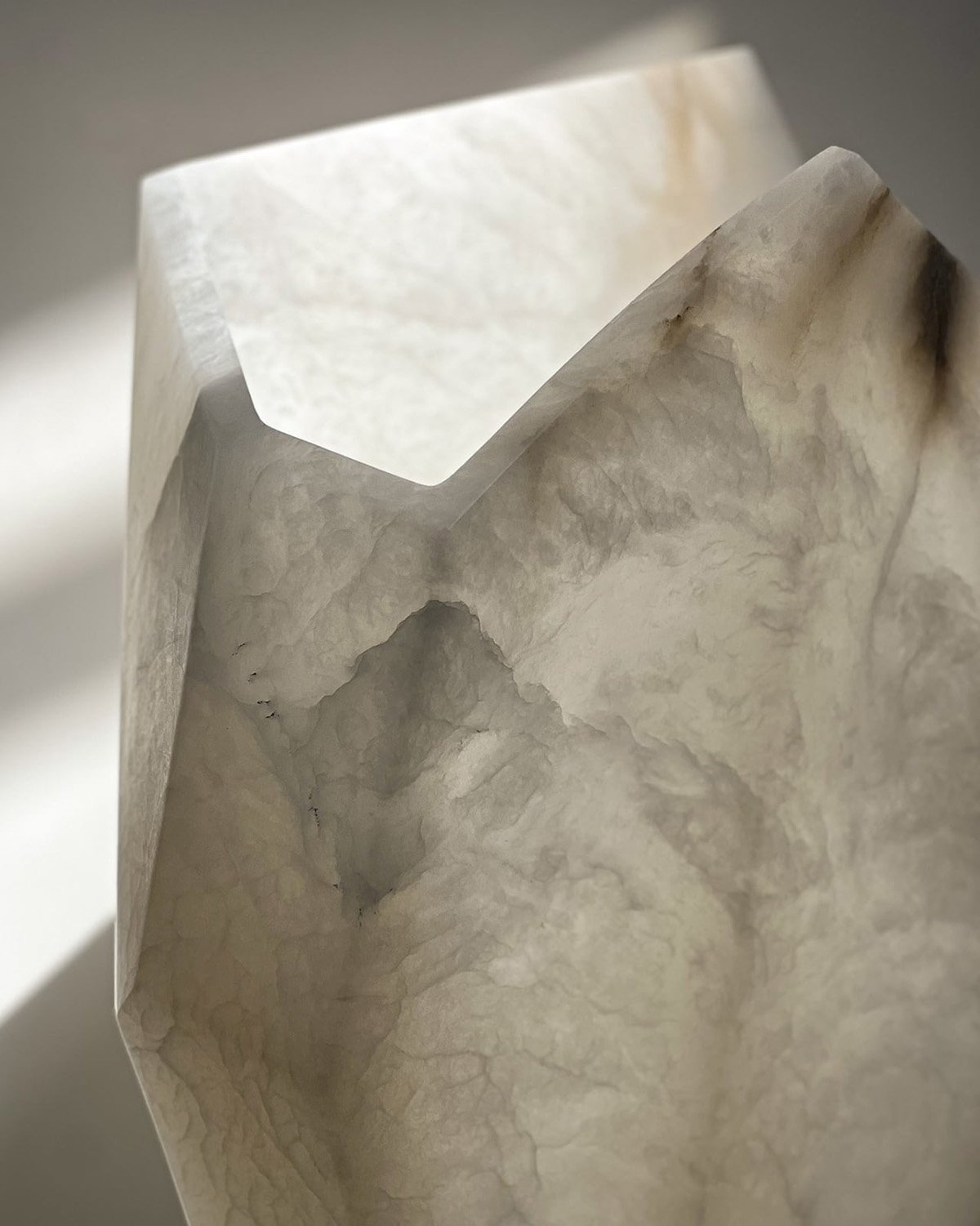
Image © — @tom_palmerstudio
At KALPA, the arrival of spring is marked not through colour or ornament, but through alabaster. The gallery presents The Vault Vessels, a sculptural series by British artist and designer Tom Palmer, formed from Iberian alabaster, Volterra alabaster, and increasingly rare English alabaster. The works sit between sculpture, object, and architectural fragment, drawing attention to the mineral’s translucency, its tonal variation, and the quiet irregularities that make each block distinct
Alabaster has always carried a particular contradiction. It is stone, yet it can appear almost waxen. It has mass, yet when placed near light, it seems to hold and diffuse it from within. Palmer uses that ambiguity directly. Rather than concealing the mineral’s inclusions, veins, cloudy markings, and shifts from transparency to opacity, he gives them a disciplined structure. The vessels are not loose organic forms. They are rigorous, geometric objects, shaped through apertures, vertical shifts, perpendicular lines, and alternating convex and concave surfaces
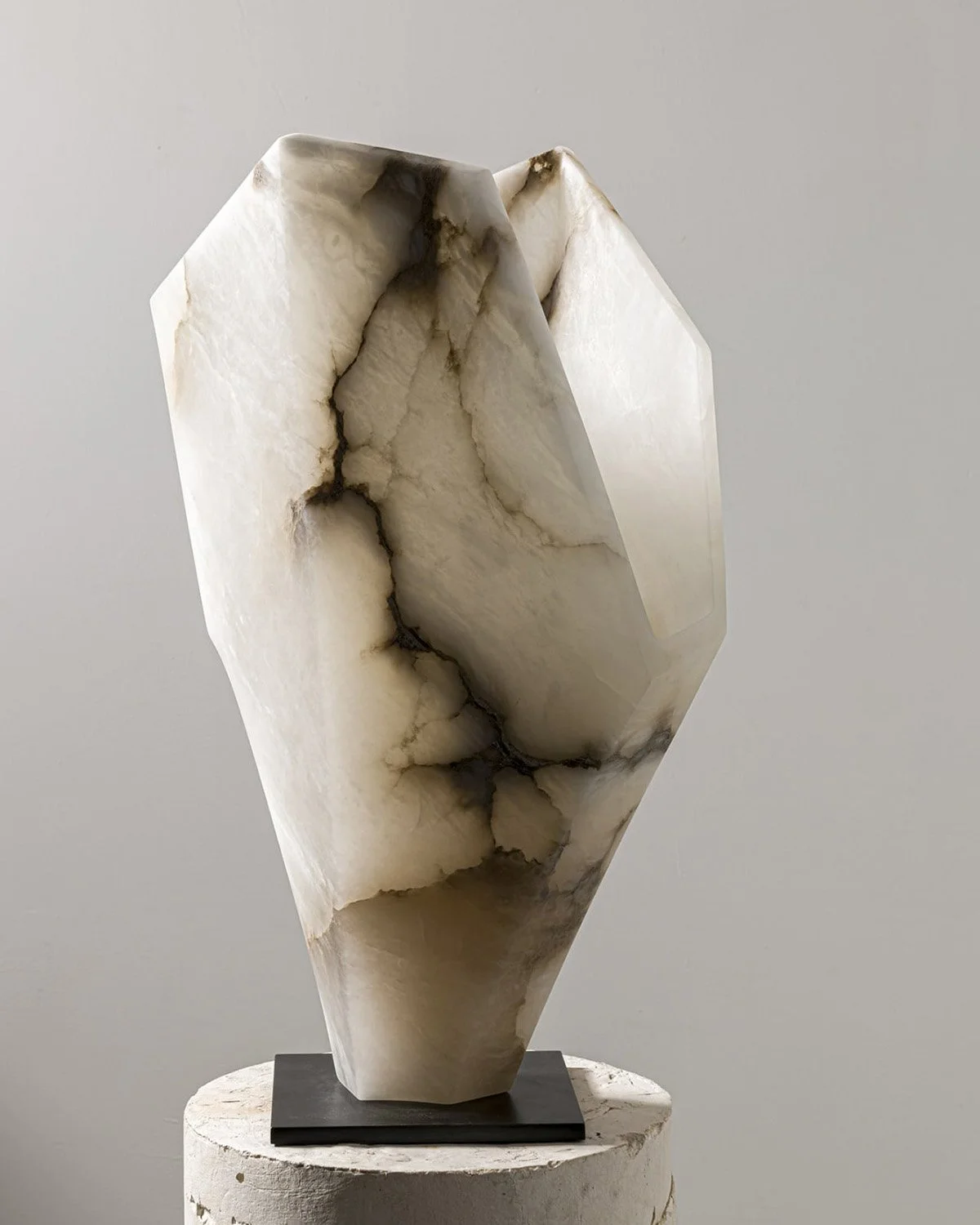
Image © — @tom_palmerstudio
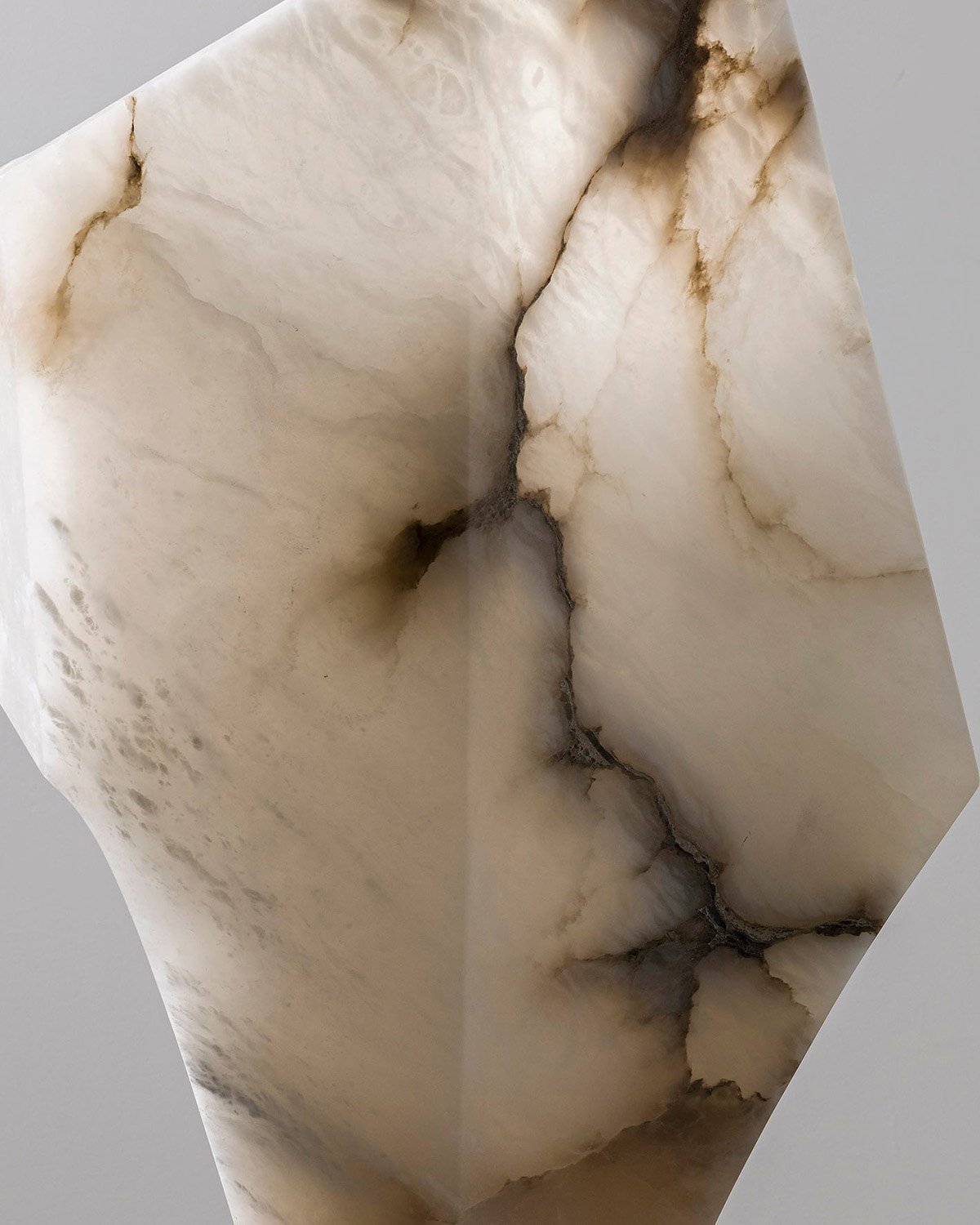
Image © — @tom_palmerstudio
The result is a body of work that feels both compact and architectural. Each piece has a stout physical presence, but its openings and internal passages introduce movement. The eye follows the changes in height, the compression of planes, the junctions between surfaces, and the way light gathers inside the material. Palmer’s interest in Minimalism is present here, not as emptiness, but as control. The form is pared back to geometry, allowing the stone itself to carry the complexity
There are clear architectural echoes throughout the series. The title, The Vault Vessels, points toward systems of enclosure, span, and support. The silhouettes recall elements of Romanesque and Gothic religious architecture, particularly the upward pull of arches, the meeting of structural lines, and the rhythm of vaulted space. At moments, the objects also suggest medieval plate armour, with their protective density and articulated surfaces. This is where the series gains tension: the alabaster remains delicate and translucent, while the form gives it weight, authority, and almost defensive strengt
Palmer’s process is shaped by the stone itself. The scale and final outline of each vessel are limited by the dimension of the raw block, meaning the work begins as a negotiation rather than a fixed imposition. As the alabaster is cut and worked, its internal character becomes visible. Hidden veins, tonal clouds, opaque passages, and luminous sections gradually appear, directing the final decisions. After establishing the primary silhouette with saws and grinders, Palmer moves to a more precise stage, refining the contours with Italian Milani rasps and Japanese Shinto rasps
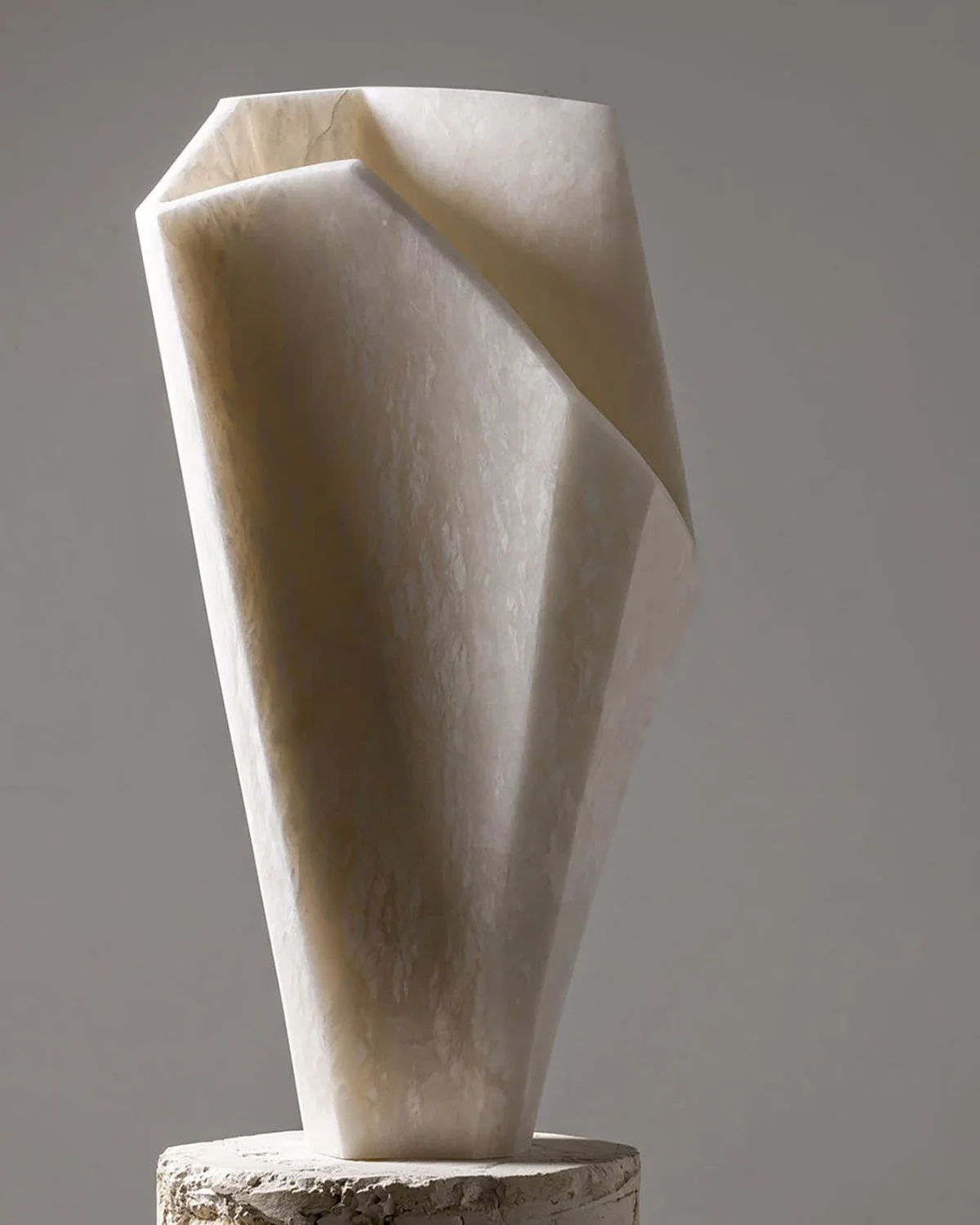
Image © — @tom_palmerstudio
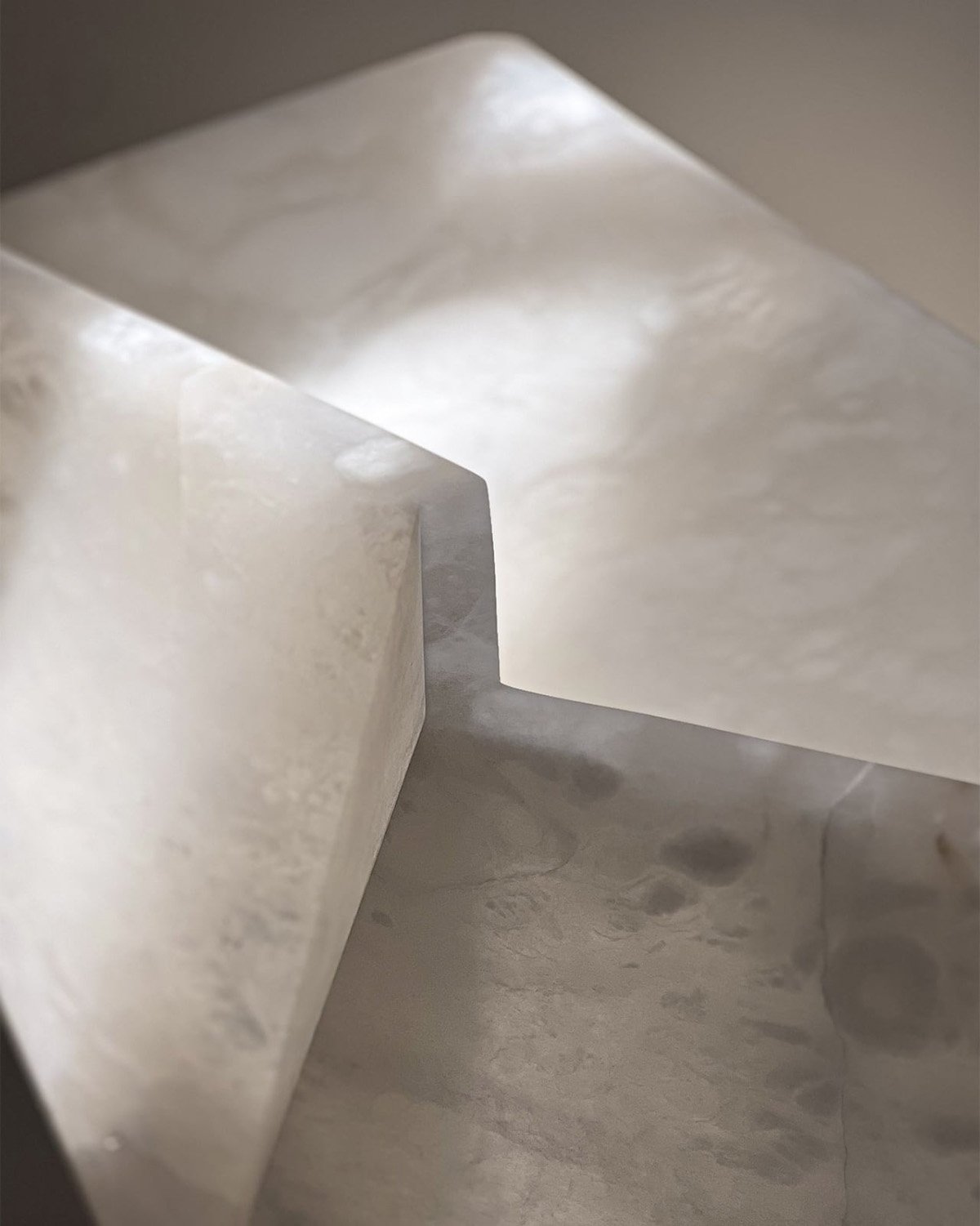
Image © — @tom_palmerstudio
This slower finishing process matters. It allows the vessels to retain the exactness of designed objects while still carrying the unpredictability of natural stone. The surfaces are not simply polished into neutrality. They hold evidence of mineral depth, of geological formation, and of the artist’s adjustment to what the material reveals. When light passes across the alabaster, the works shift. Veins become more visible, opaque areas gain density, and translucent sections soften the boundaries of the form
Palmer’s wider practice includes carved wood, pewter, wall pieces, furniture, objects, sculptures, and panels. His work draws from Medieval and Renaissance European culture, Japanese art and philosophy, and a broader interest in craft as a form of contemporary expression. Since beginning his practice in 2013, he has developed commissioned works across private and industry contexts, from intimate objects to larger-scale projects. His inclusion in the Homo Faber Guide of Craftsmanship, compiled by the Michelangelo Foundation in Venice, places his practice within a wider conversation around material knowledge and hand production
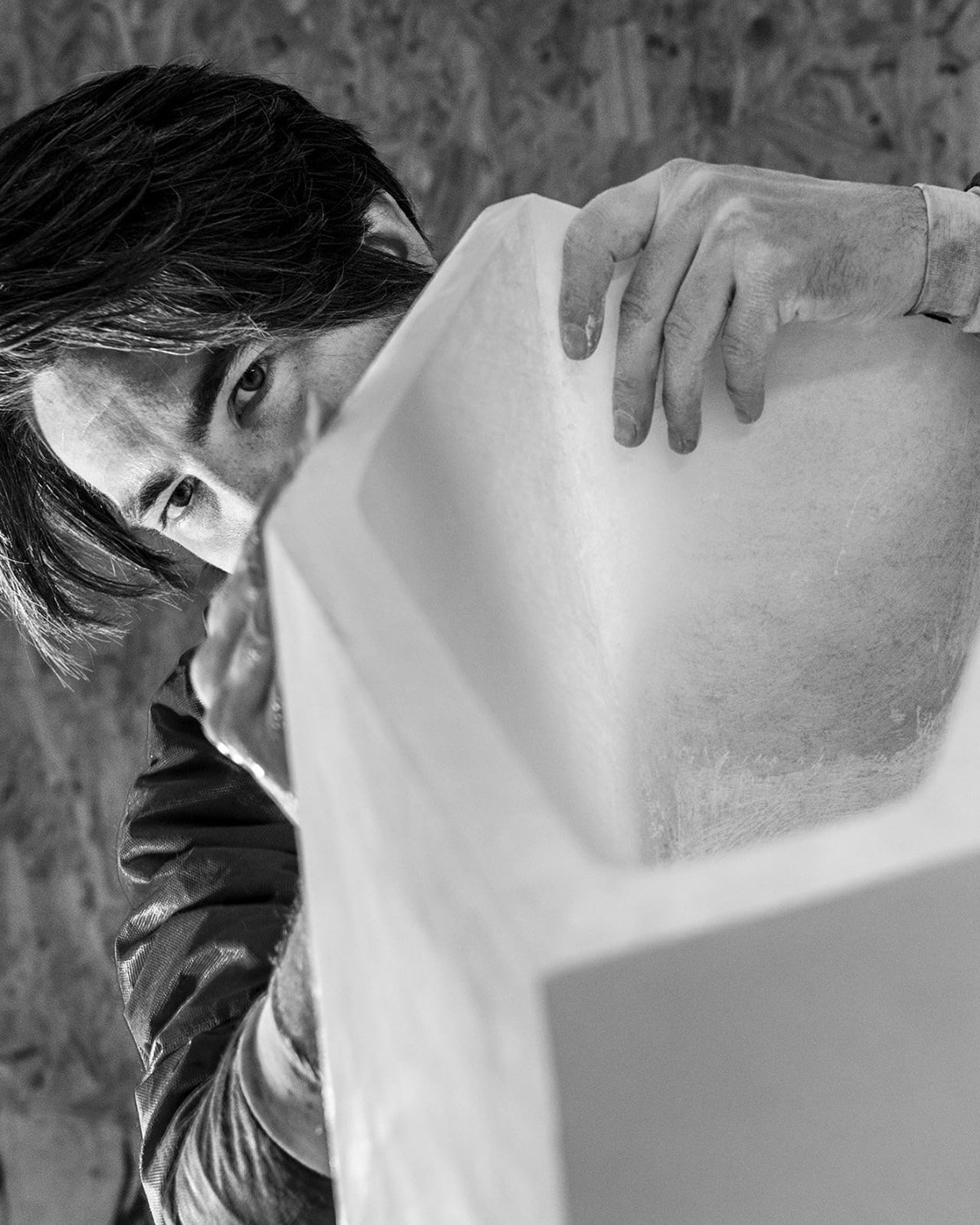
Image © — @tom_palmerstudio
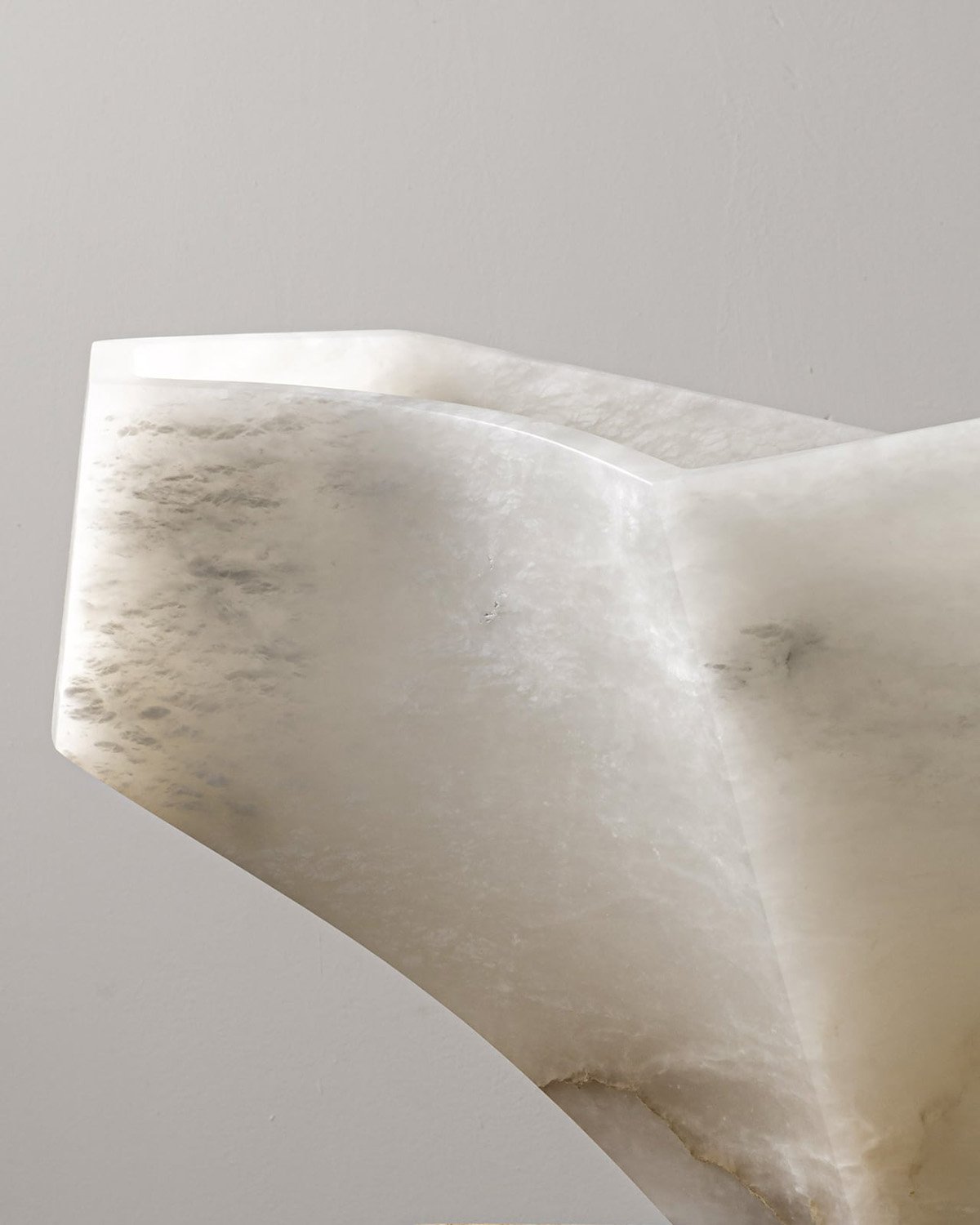
Image © — @tom_palmerstudio
With The Vault Vessels, Palmer does not treat alabaster as decoration. He treats it as structure, atmosphere, and surface at once. The series gives the material enough discipline to feel architectural, while preserving the qualities that make it unstable, luminous, and singular. At KALPA, the works read less as vessels in the conventional sense than as small built spaces, objects that hold light, shadow, and mineral memory within a precise geometric frame
Provençal Dialogue with Antiquity
—
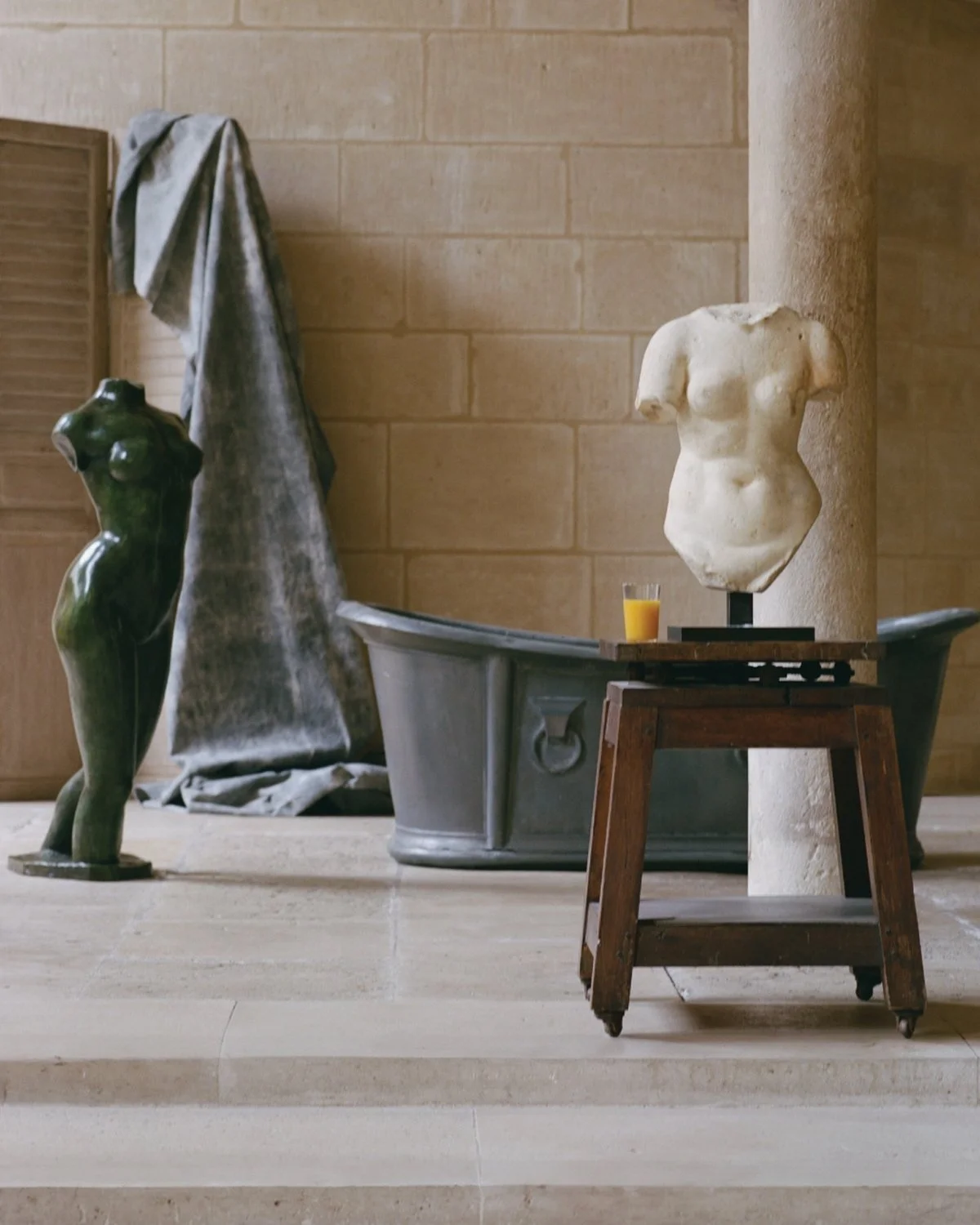
Galerie Dina Vierny, Galerie Chenel, and Simon Porte Jacquemus bring antiquity, Maillol, and the Provençal imagination into quiet conversation
Casa Museo Lodovico Pogliaghi — the Artist’s World Above Varese
—
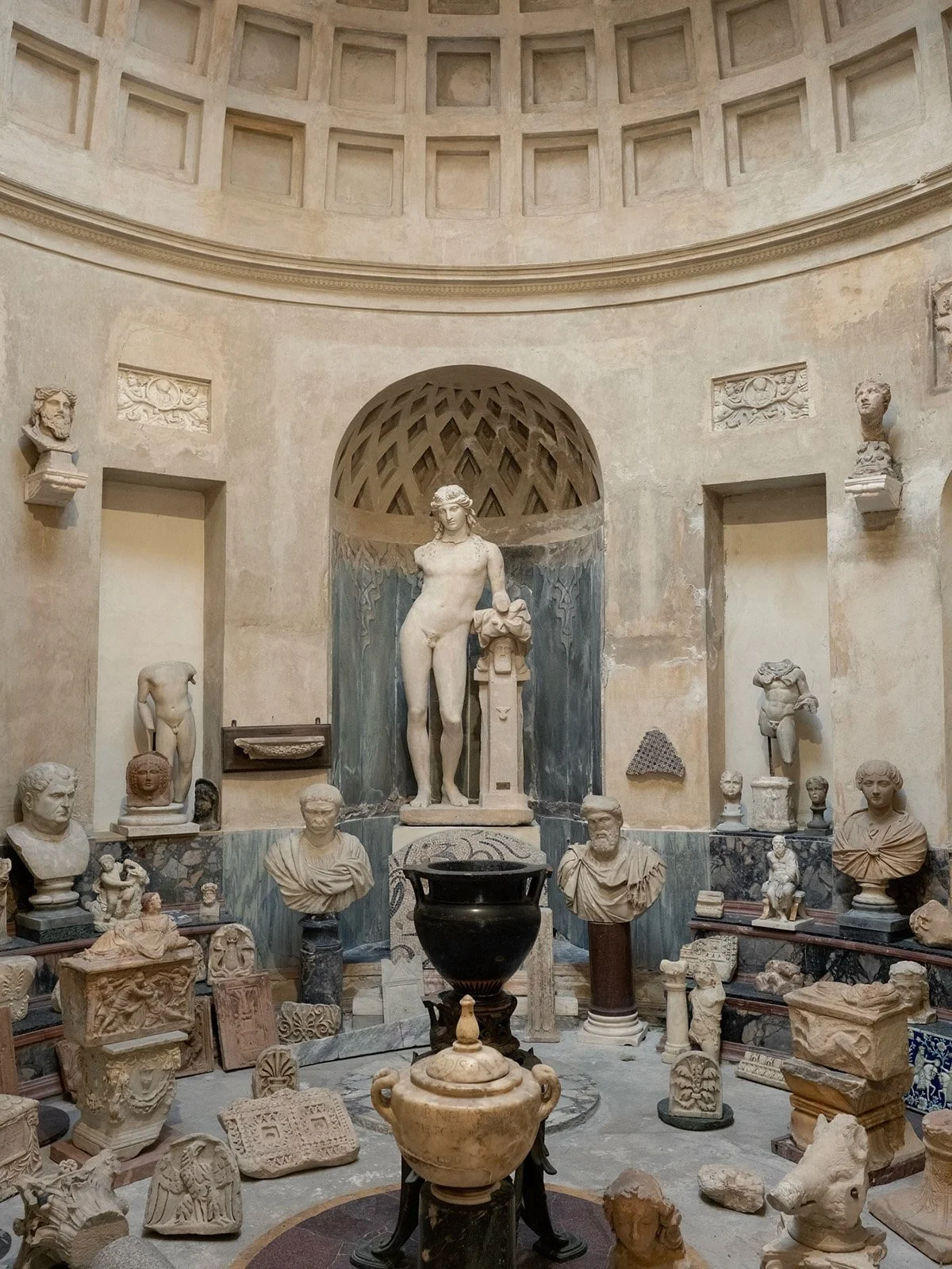
At the Sacro Monte di Varese, the Milanese artist’s former home and atelier gathers art, archaeology, architecture, and the monumental plaster model for Milan Cathedral’s central door