

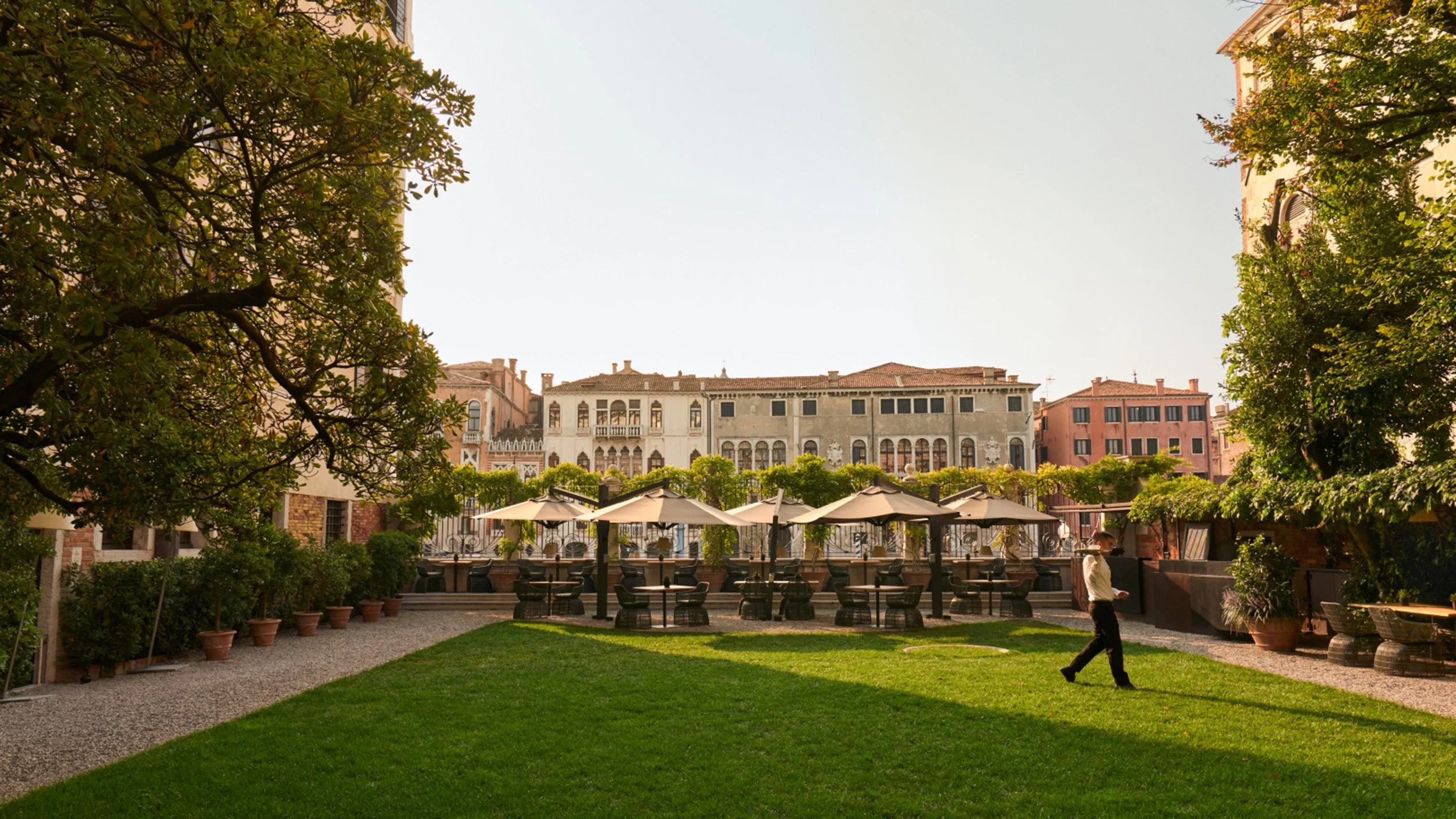
The garden overlooking the Grand Canal at Aman Venice
Image © — @aman_venice
HOTEL
Aman Venice Slows the Grand Canal to the Pace of a Private Palazzo
Within the 16th-century Palazzo Papadopoli, the hotel turns frescoed rooms, private gardens and water-level arrival into one of Venice’s most composed acts of hospitality
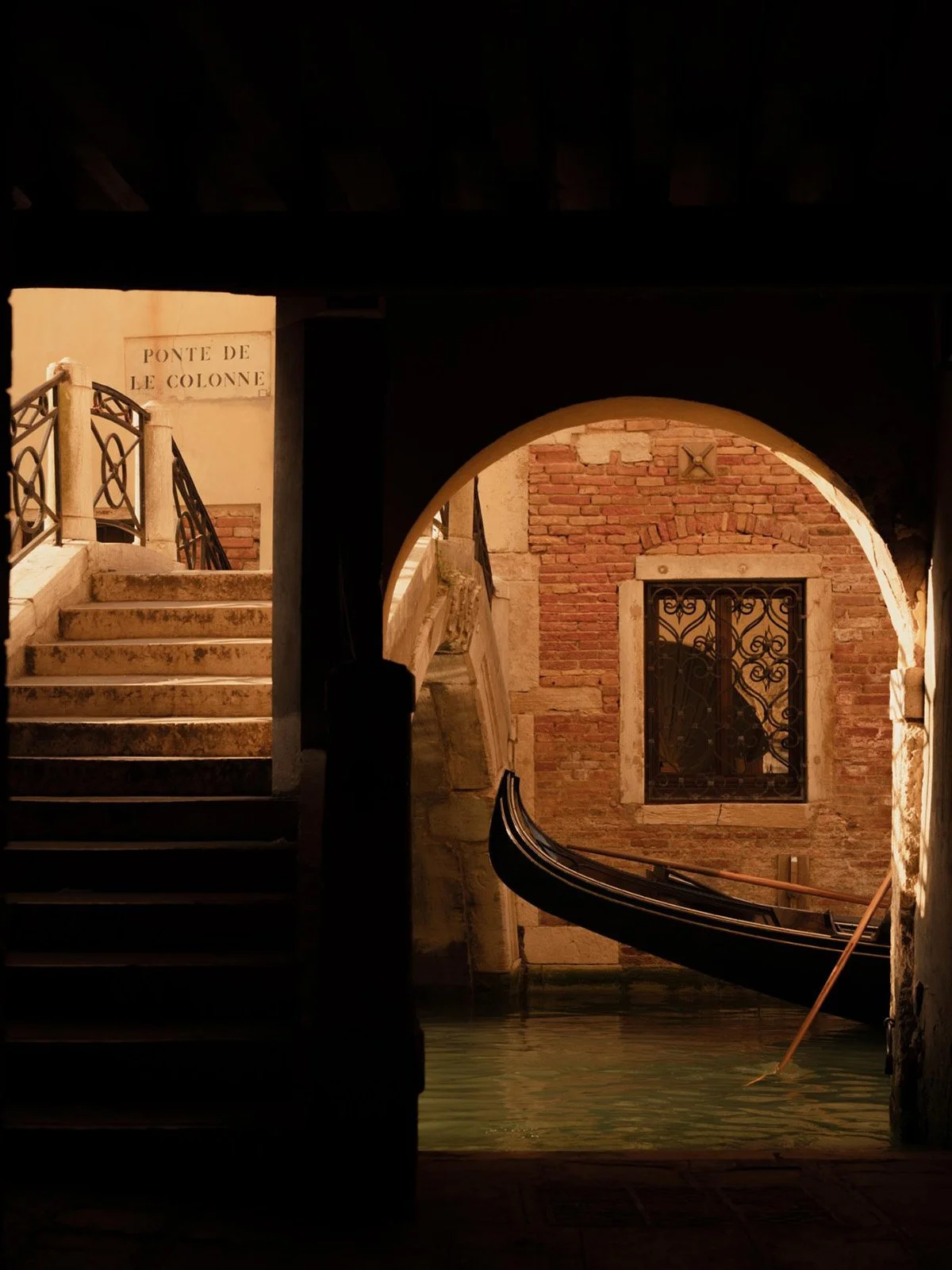
Hidden within Venice's calli, centuries-old artisan traditions continue to shape the city, from mosaic masters and gondola makers to secluded ateliers
Image © — @aman_venice
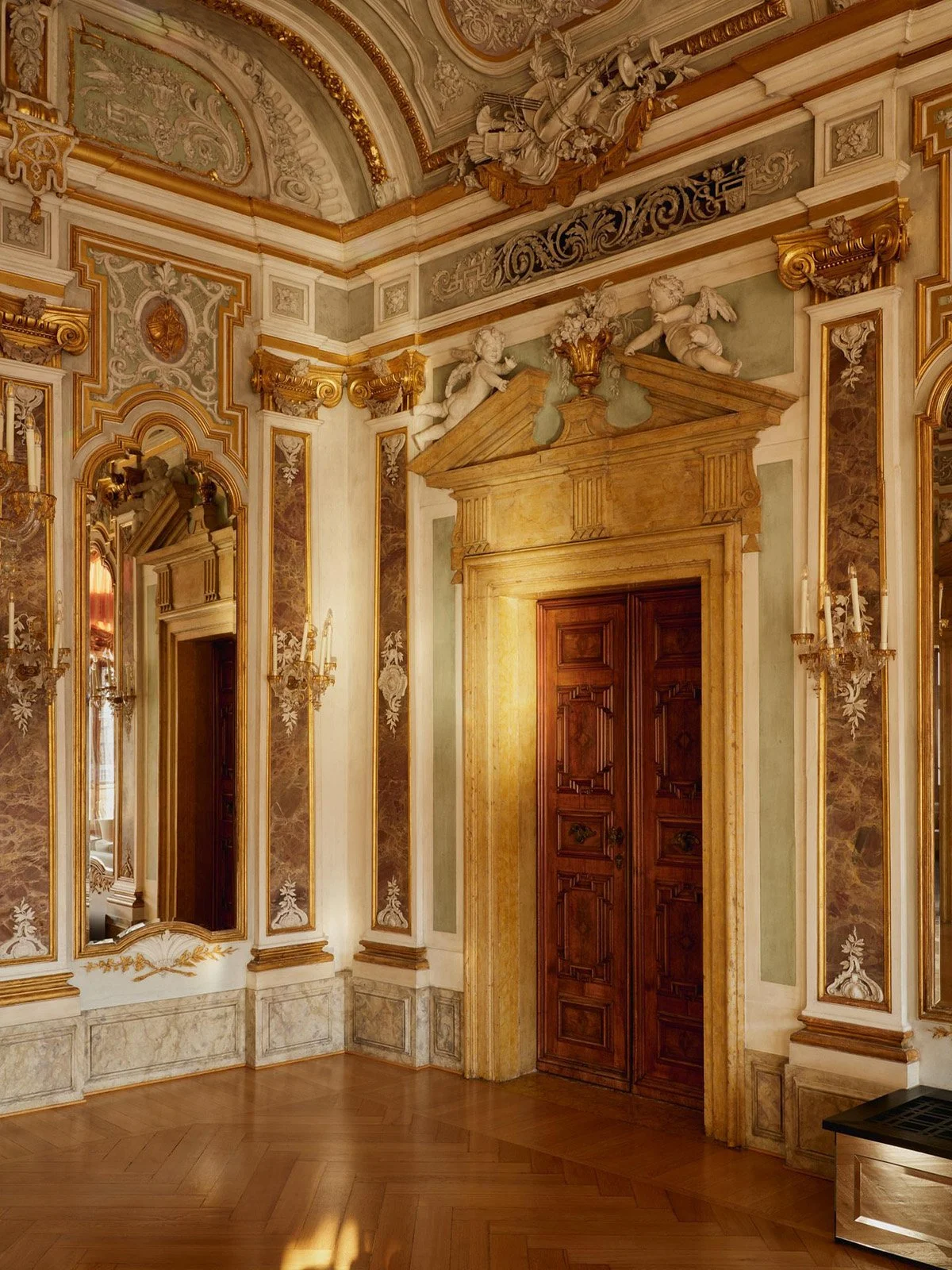
Across the palazzo's gilded surfaces and quiet halls, light reveals the artistry of the past, illuminating the stories that continue
Image © — @aman_venice
In Venice, arrival is never entirely private. The city stages it through water, reflection and the slow choreography of a boat drawing towards stone. At Aman Venice, that approach ends at the water-level landing of Palazzo Papadopoli, a 16th-century palazzo directly on the Grand Canal in San Polo. To step from the boat into the reception hall is to understand the building before the hotel announces itself: soaring ceilings, frescoed surfaces, a sense of volume rare even in Venice, and beyond the interior, the unexpected green of a private garden
The palazzo was once the ancestral home of the Arrivabene family, and its history remains inseparable from the art it contains. Giovanni Battista Tiepolo worked here, and his frescoes still appear across several rooms, interrupting the present with the authority of Venetian painting. When the property was restored and reopened as Aman Venice in 2013, the project received heritage recognition, reflecting the care with which the building was handled. The result is not a hotel inserted into a palace, but a palace still allowed to lead
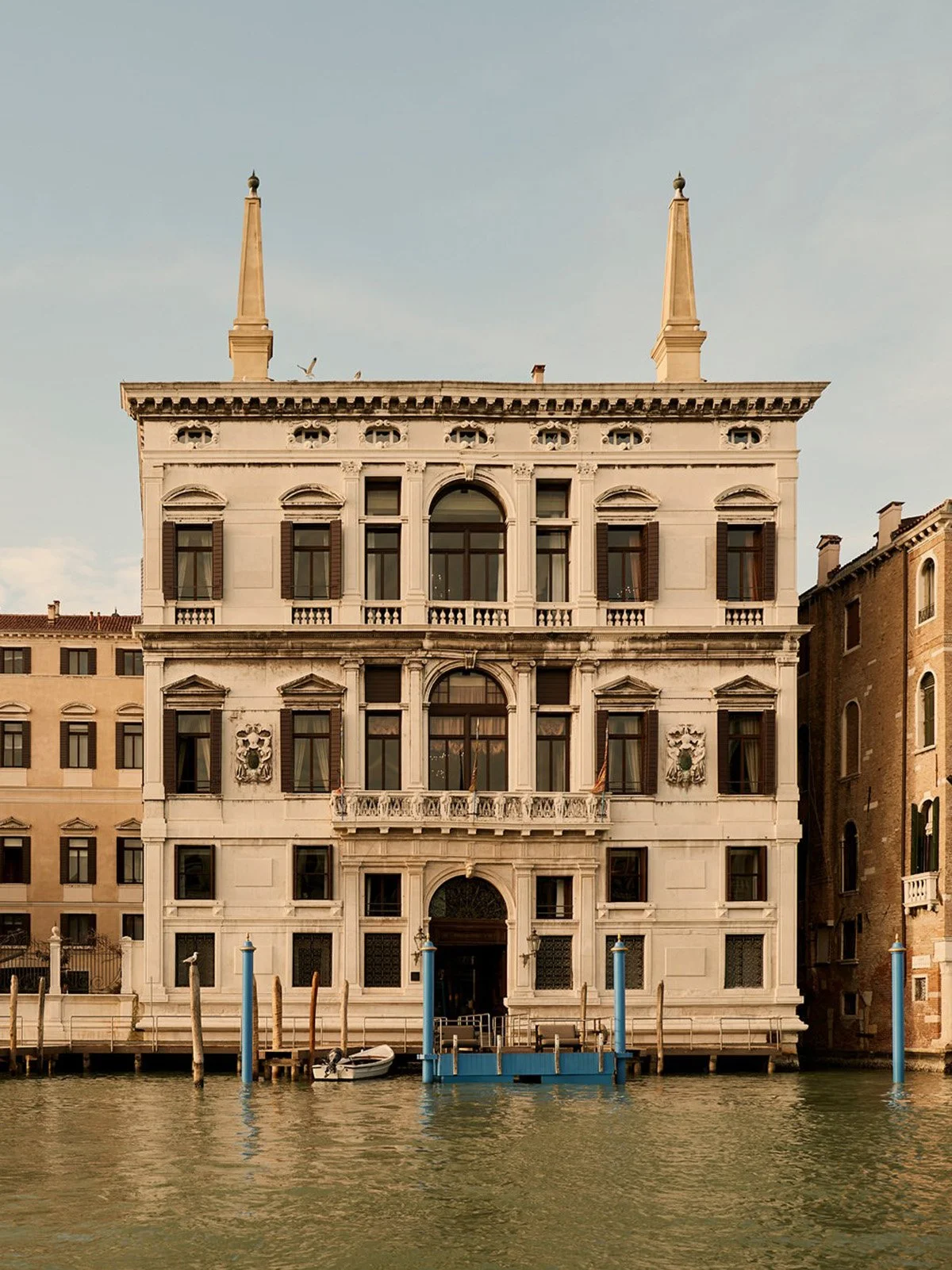
Aman Venice’s palazzo has stood along the city’s main waterway for over 500 years
Image © — @aman_venice
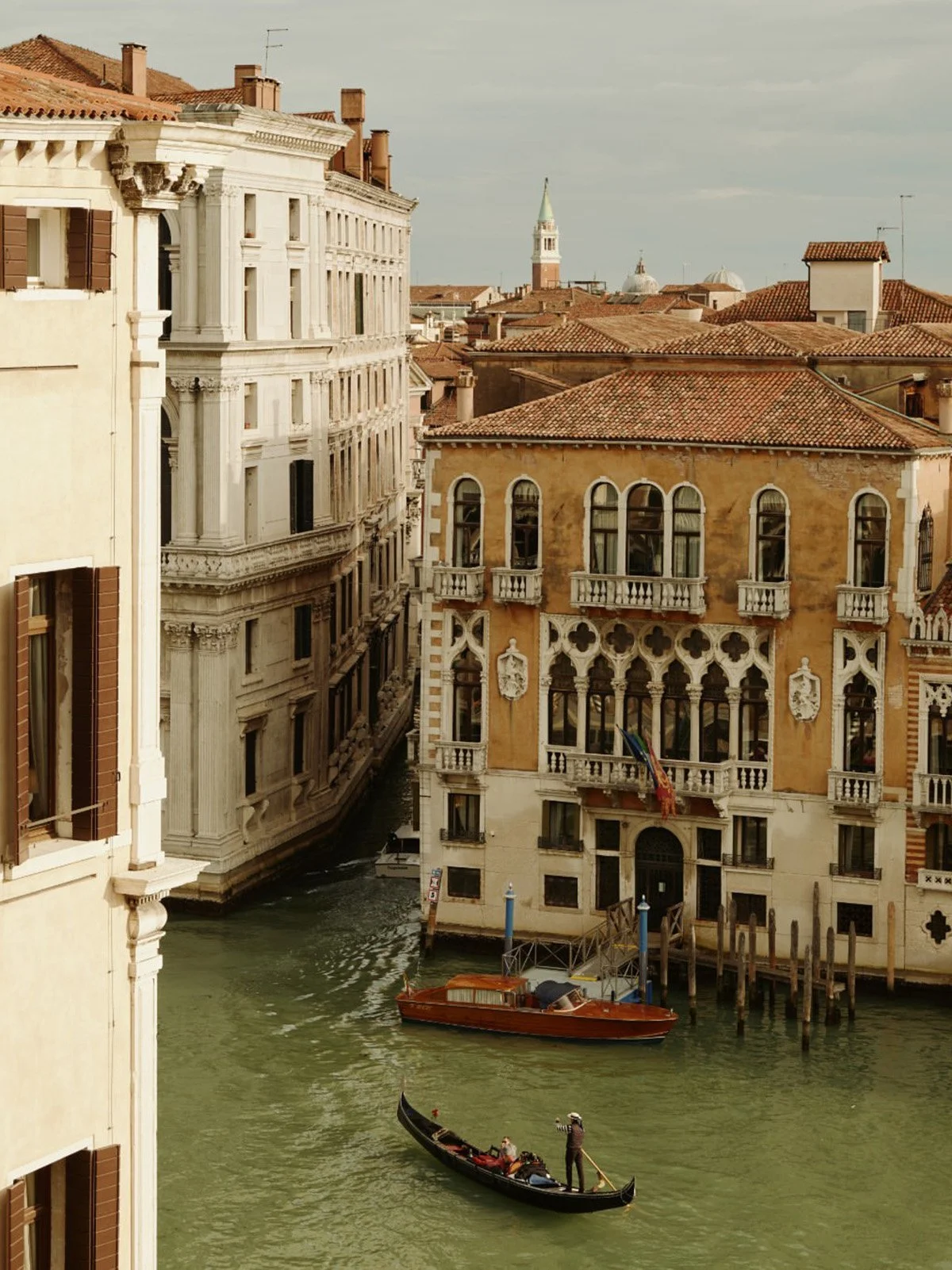
Glittering waterways and breath-taking architecture. Renaissance treasures and modern masterpieces . Centuries-old artisans and irresistible cicchetti
Image © — @aman_venice
There are only 24 rooms and suites, a restraint that changes the entire tempo of the place. Many overlook the Grand Canal, while others are defined by the irregular privileges of the historic structure: frescoed ceilings, gilded details, carved frames, fan windows and proportions that resist standardisation. The Alcova Tiepolo Suite extends across 103 square metres with gilded ceilings and a separate hand-painted Chinese sitting room. The Grand Canal Suite brings the water almost to eye level, while the Palazzo Chamber feels closer to a private gallery than a conventional bedroom
The contemporary furniture throughout is deliberately quiet. It does not attempt to compete with fresco, stucco or stone, and this is precisely why it works. Against the historic shell, the modern pieces act almost as pauses, allowing the architecture to remain legible without tipping into museum atmosphere. Aman’s restraint becomes a form of respect
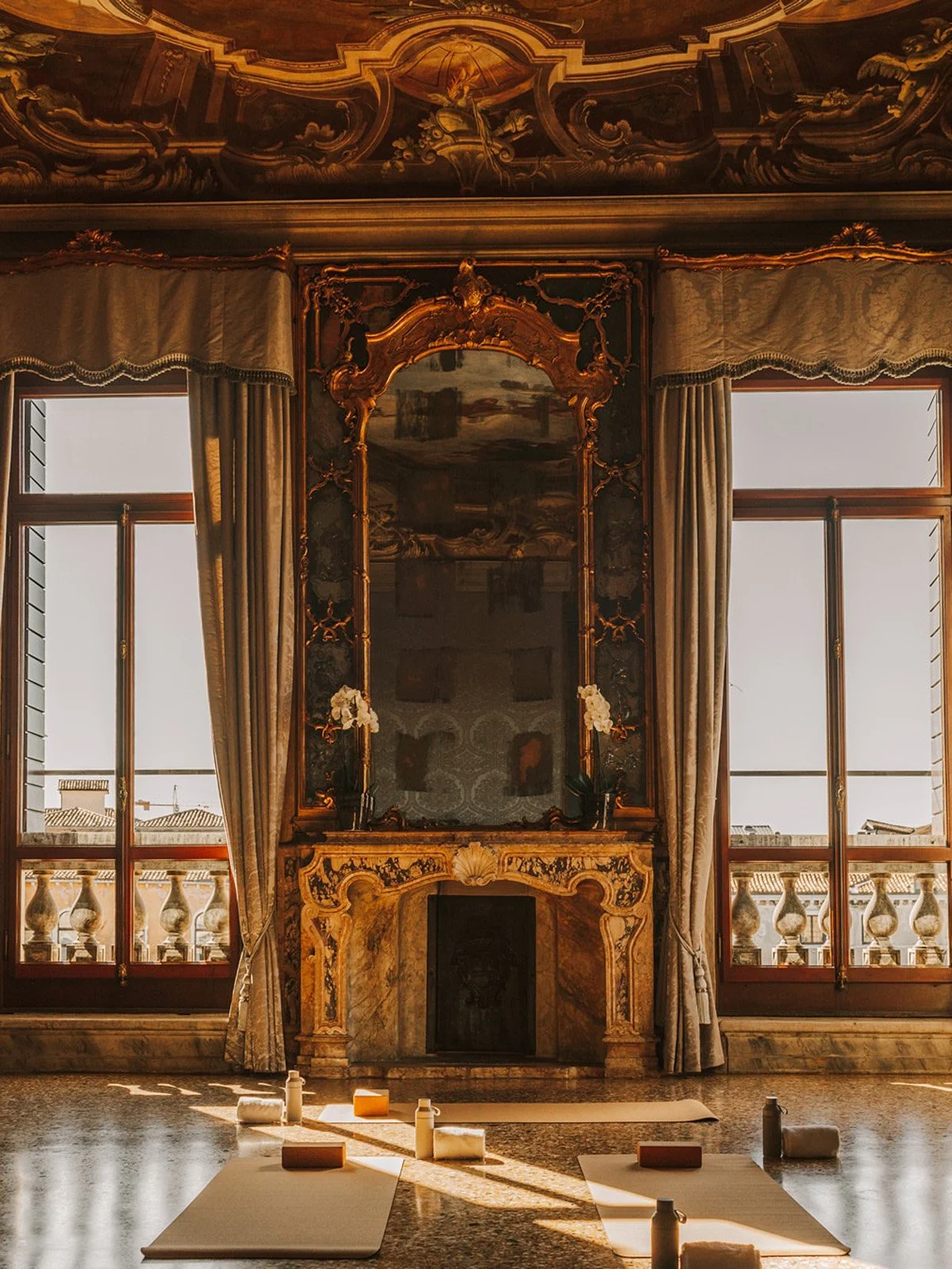
At Aman Venice, palatial interiors frame everyday life as if suspended within a painting
Image © — @aman_venice
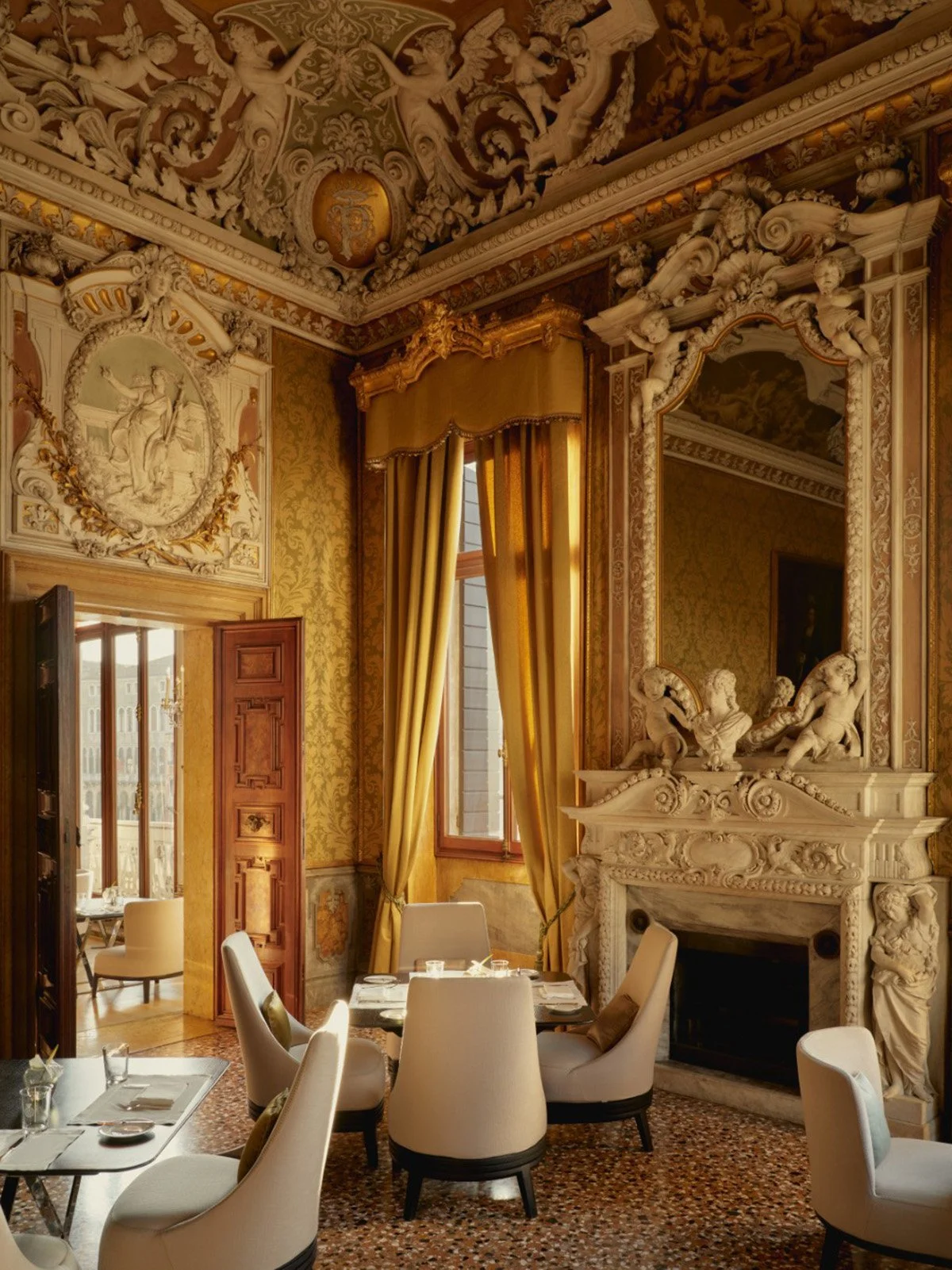
Locally sourced ingredients and shared dishes create moments of connection, honouring Italy’s most heartfelt ritual in its purest form
Image © — @aman_venice
The piano nobile is reached by a sweeping double staircase and holds the grandest rooms of the palazzo. The former ballroom now serves as an elegant lounge with a balcony over the canal, while the Yellow Dining Room houses Arva, Aman’s Italian restaurant, beneath a ceiling painted by Cesare Rotta. Executive Chef Matteo Panfilio’s cooking is grounded in seasonal produce, much of it sourced from the Rialto Market, with a directness that suits the building: generous, precise and unforced
The Bar looks towards the Canal Garden and takes on particular force in late afternoon, when the light begins to loosen across the water. Its extensive gin selection adds a note of Venetian eccentricity, while the Palazzo Kitchen Table and the Blue Dining Room offer more private forms of gathering among frescoes and gilded stucco
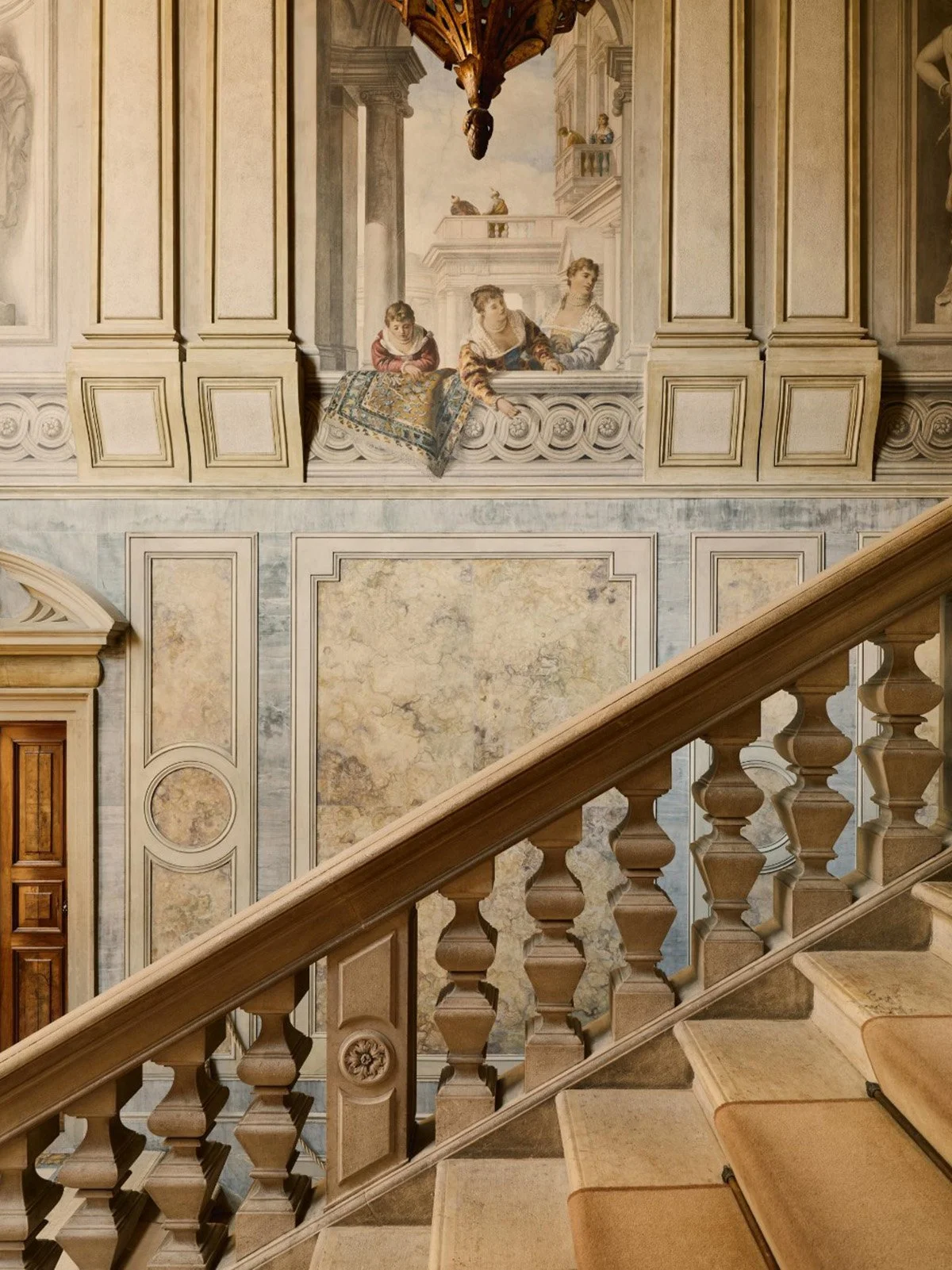
Ascending the Palazzo’s historic staircase, guests trace five centuries of Venetian life. Each step reveals layers of heritage, where the passing of time continues to shape the life of the residence
Image © — @aman_venice
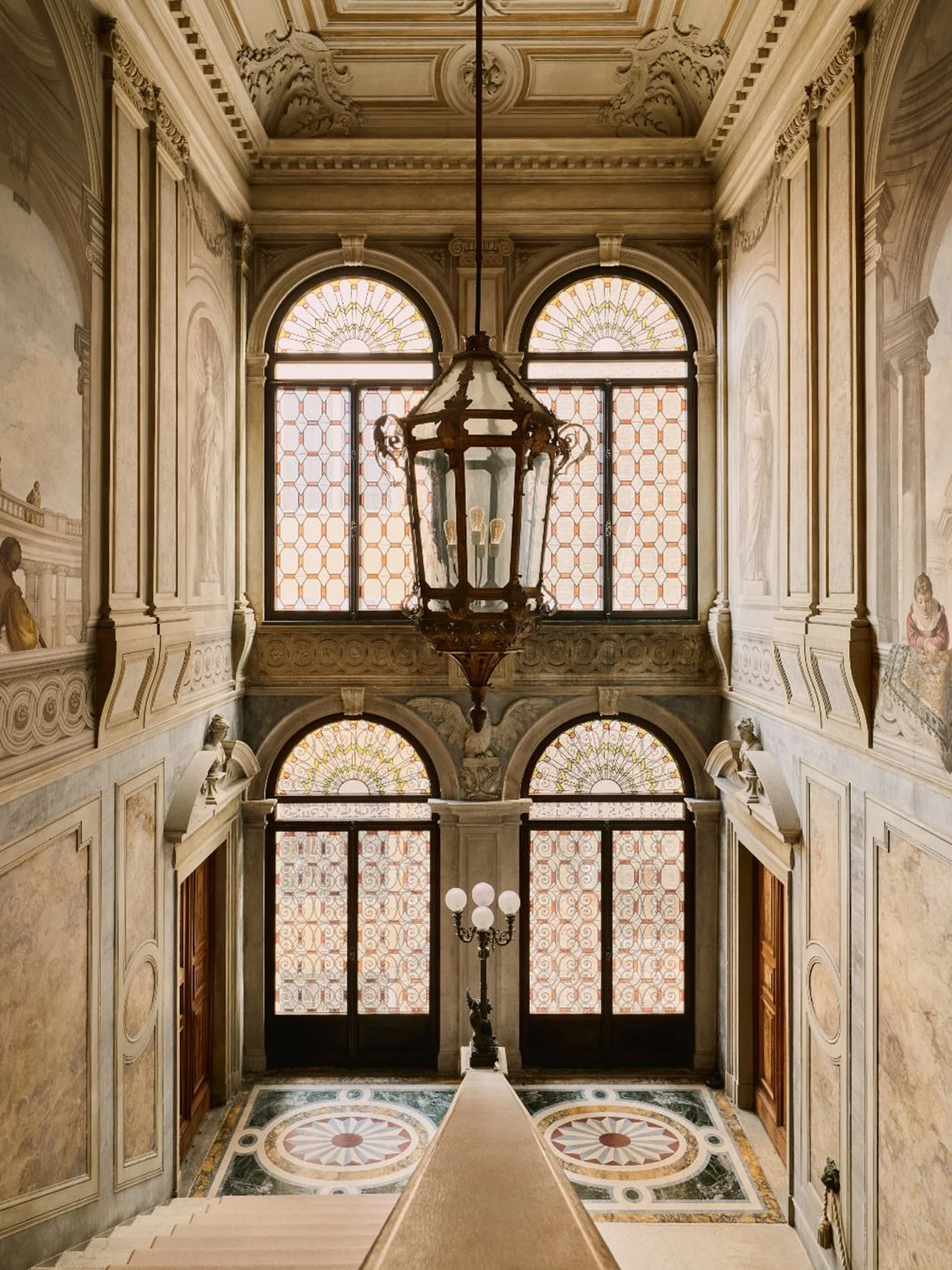
For centuries, the staircase has marked the entrance to life at the palazzo. Beneath frescoed walls and Venetian windows, families and distinguished guests arrived, departed and gathered for milestone celebrations
Image © — @aman_venice
What distinguishes Aman Venice is not grandeur alone, but stillness. The two private gardens are among the property’s greatest luxuries in a city largely defined by stone and water. On the fourth floor, the Library holds antique books from Count Arrivabene’s collection, while the spa on the third floor is reached by a private staircase, removed from the more ceremonial parts of the palazzo. Above it all, the roof terrace opens the city further, with the Alps visible on clear days
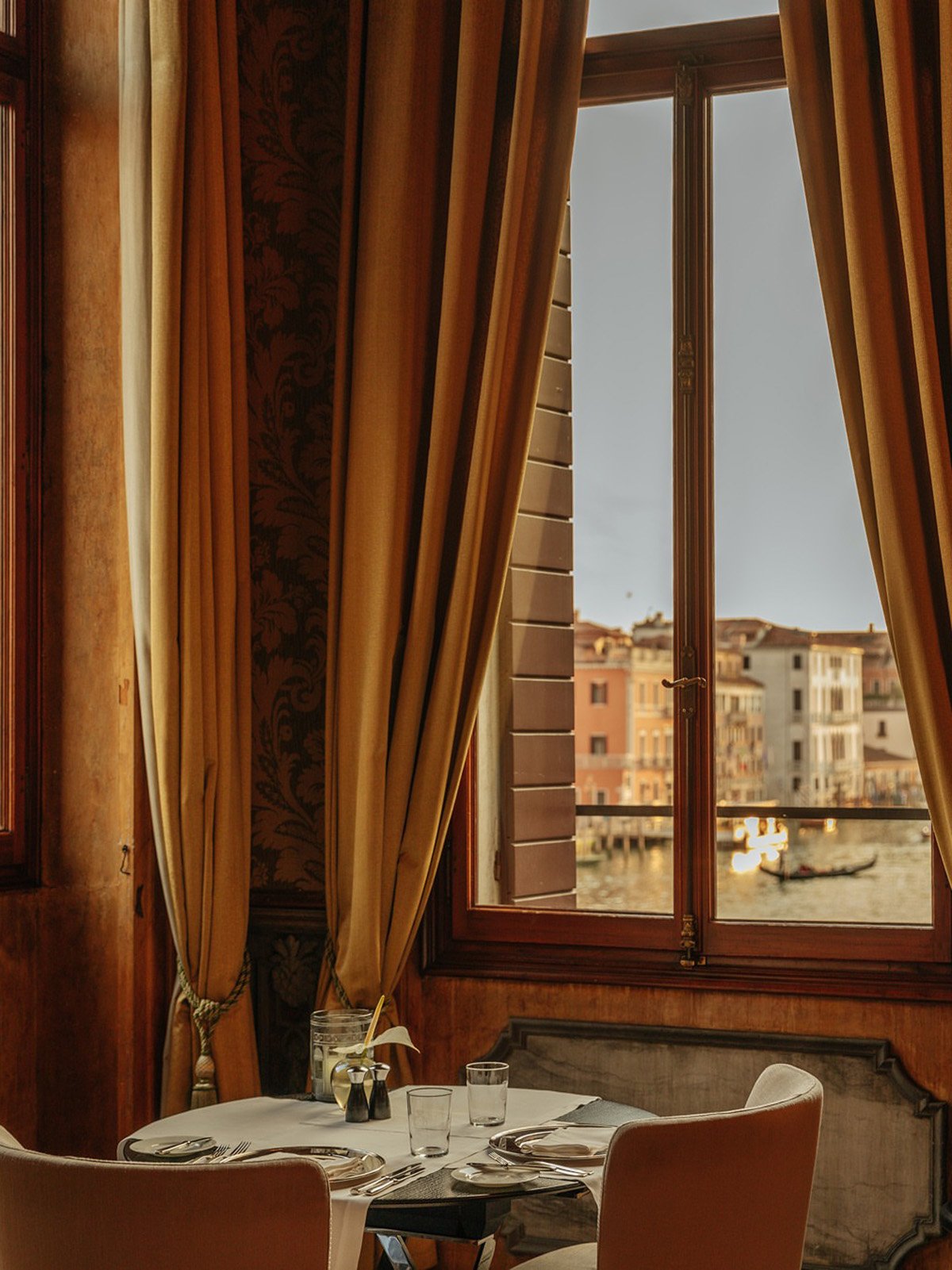
Dining at @arvabyaman, the menu evolves to reflect the season ahead, rooted in Italian culinary traditions and local ingredients
Image © — @aman_venice
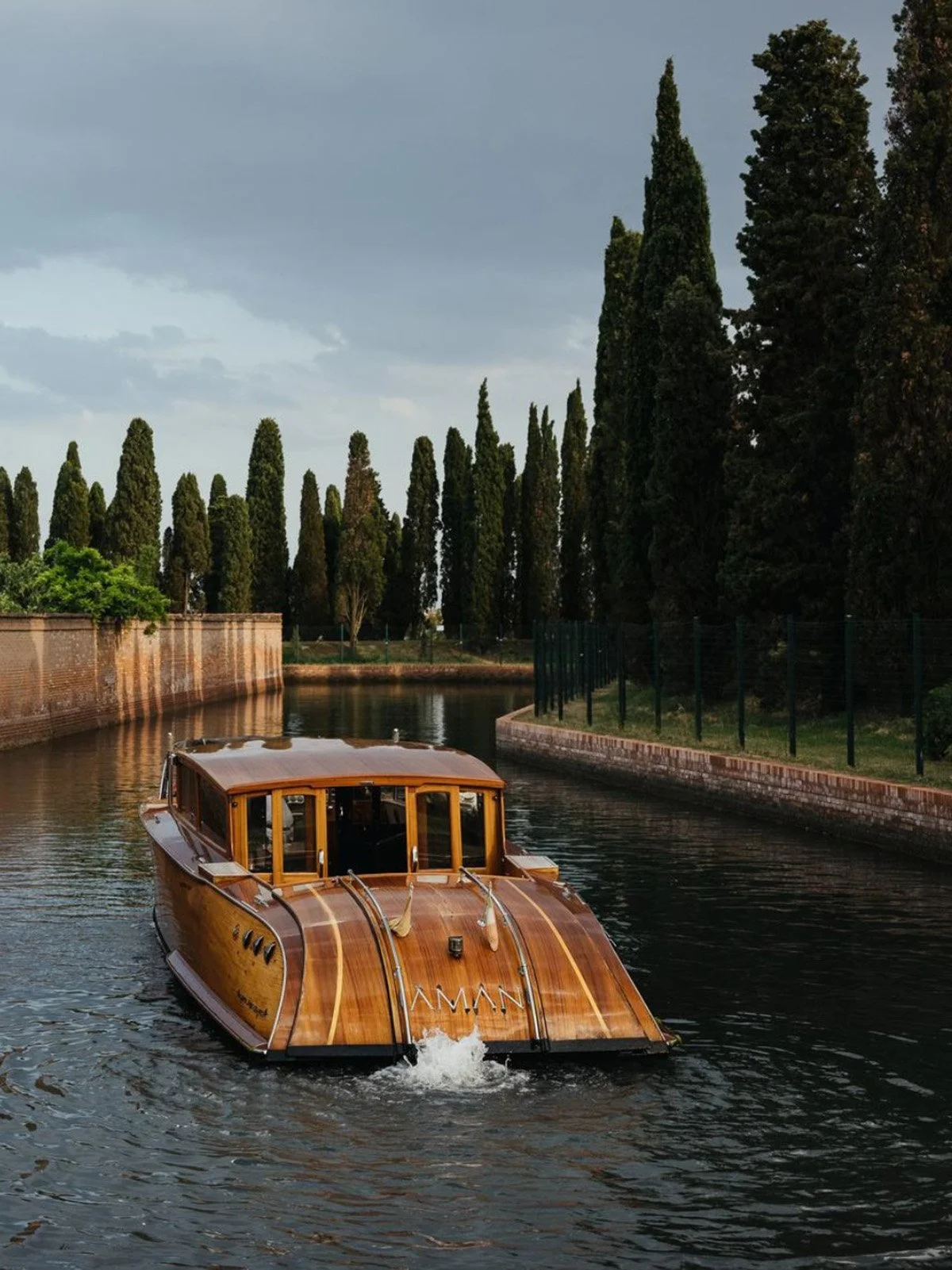
The Aman boat makes again its journey through the city’s secret waterways, from monastery islands to lesser-known islets of the lagoon
Image © — @aman_venice
Venice can overwhelm through beauty, density and constant movement. Aman Venice offers the counter-condition: a place where the Grand Canal can be watched rather than crossed, where frescoed rooms are lived in rather than merely admired, and where the city’s intensity is softened without ever being shut out. Here, the pleasure of Venice is not amplified. It is slowed, protected and made briefly private
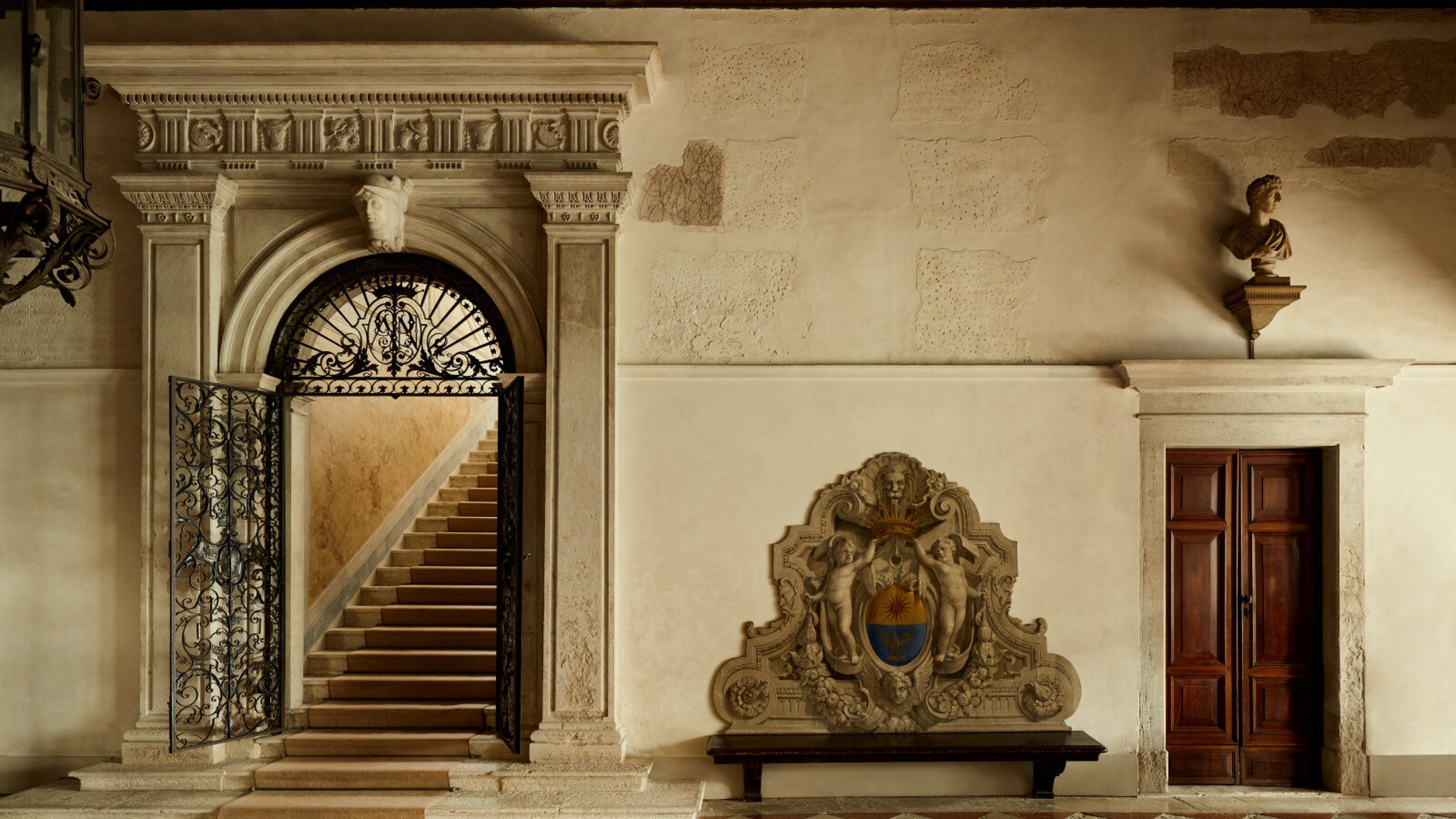
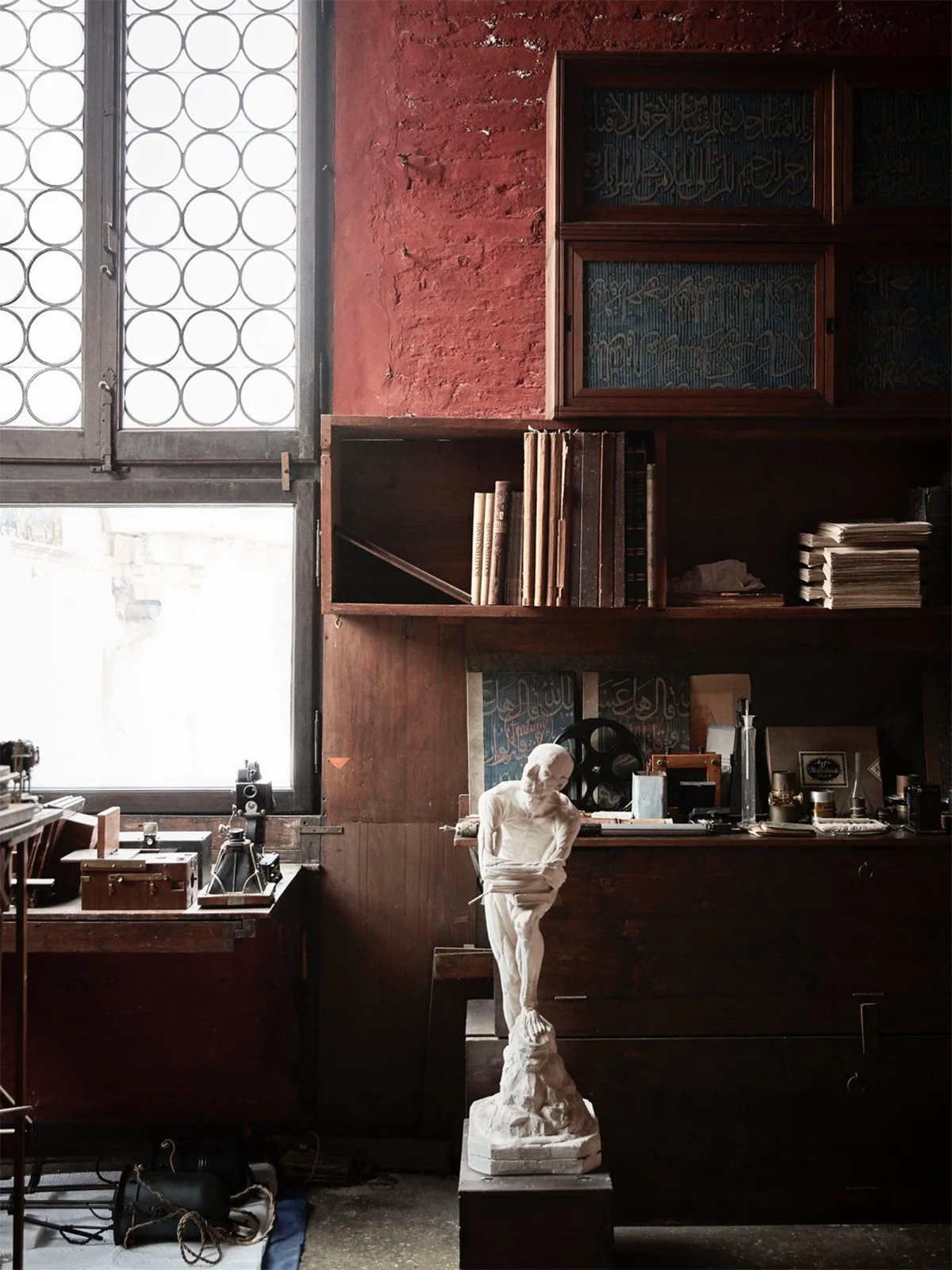
Looking Back at Intuition, Axel Vervoordt’s Defining Palazzo Fortuny Exhibition
—
Curated with Daniela Ferretti for the 2017 Venice Biennale, the exhibition now reads as one of Vervoordt’s clearest statements on art, perception and the knowledge that arrives before language
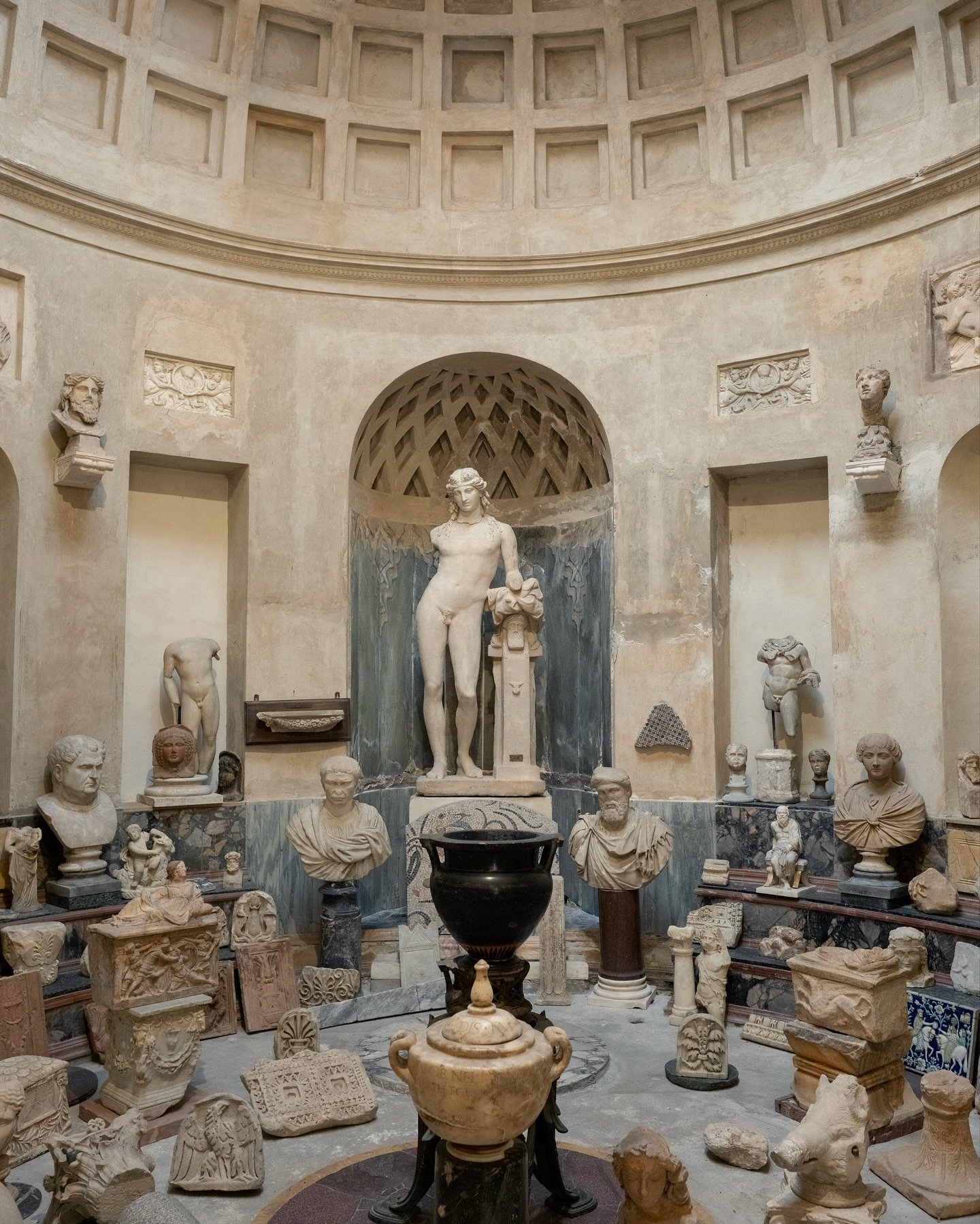
Casa Museo Lodovico Pogliaghi — the Artist’s World Above Varese
—
At the Sacro Monte di Varese, the Milanese artist’s former home and atelier gathers art, archaeology, architecture, and the monumental plaster model for Milan Cathedral’s central door