

Image © — Aldo Durazzi @fondation_giacometti
ART
Alberto Giacometti at the 1962 Venice Biennale
The Swiss artist’s Grand Prize for Sculpture marked a defining moment in modern art, as his attenuated figures transformed emptiness into atmosphere
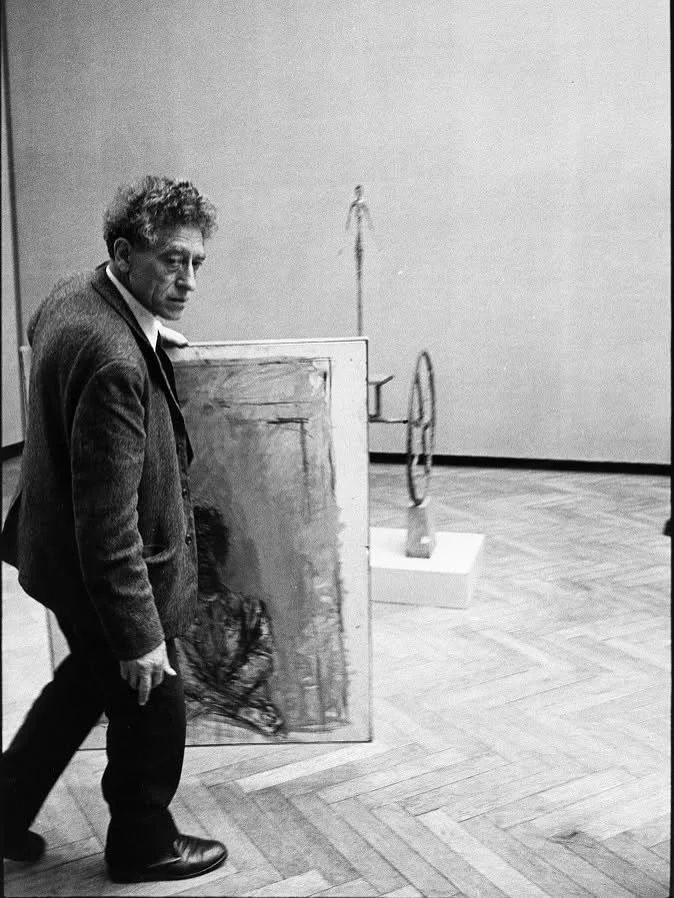
Image © — Ugo Mulas @fondation_giacometti
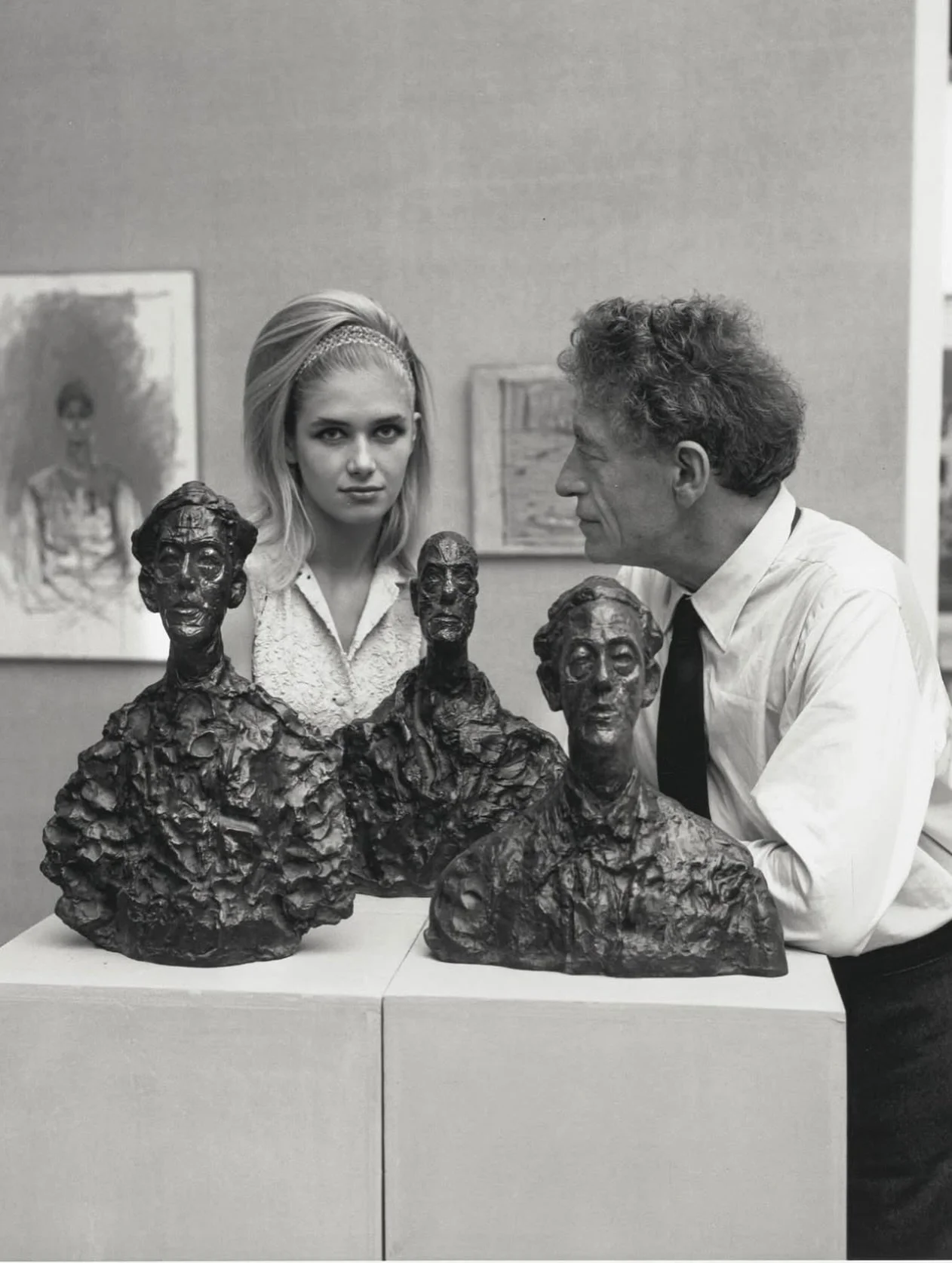
Image © — @fondation_giacometti
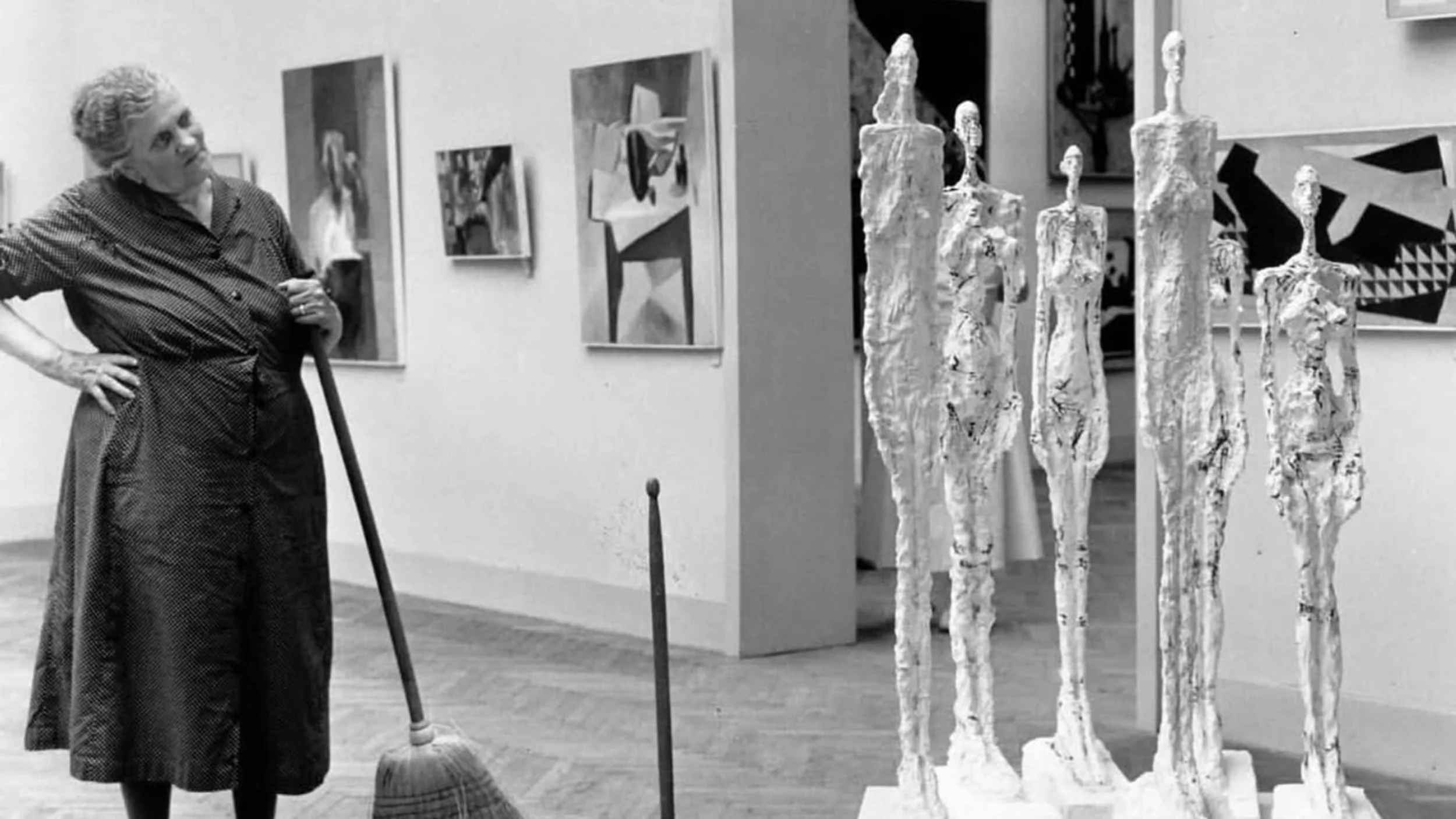
At the 1962 Venice Biennale, Alberto Giacometti reached one of the decisive moments of his career. Awarded the Grand Prize for Sculpture, the Swiss artist was placed firmly among the central figures of modern art, not through scale or spectacle, but through the haunting precision of his vision
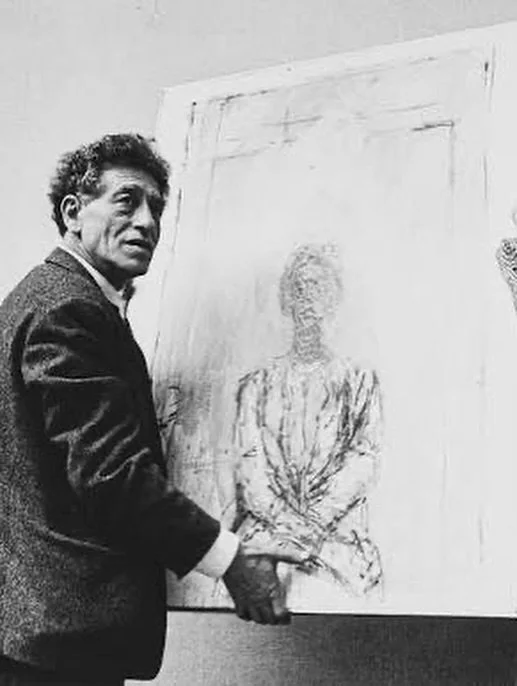
Image © — Ugo Mulas @fondation_giacometti
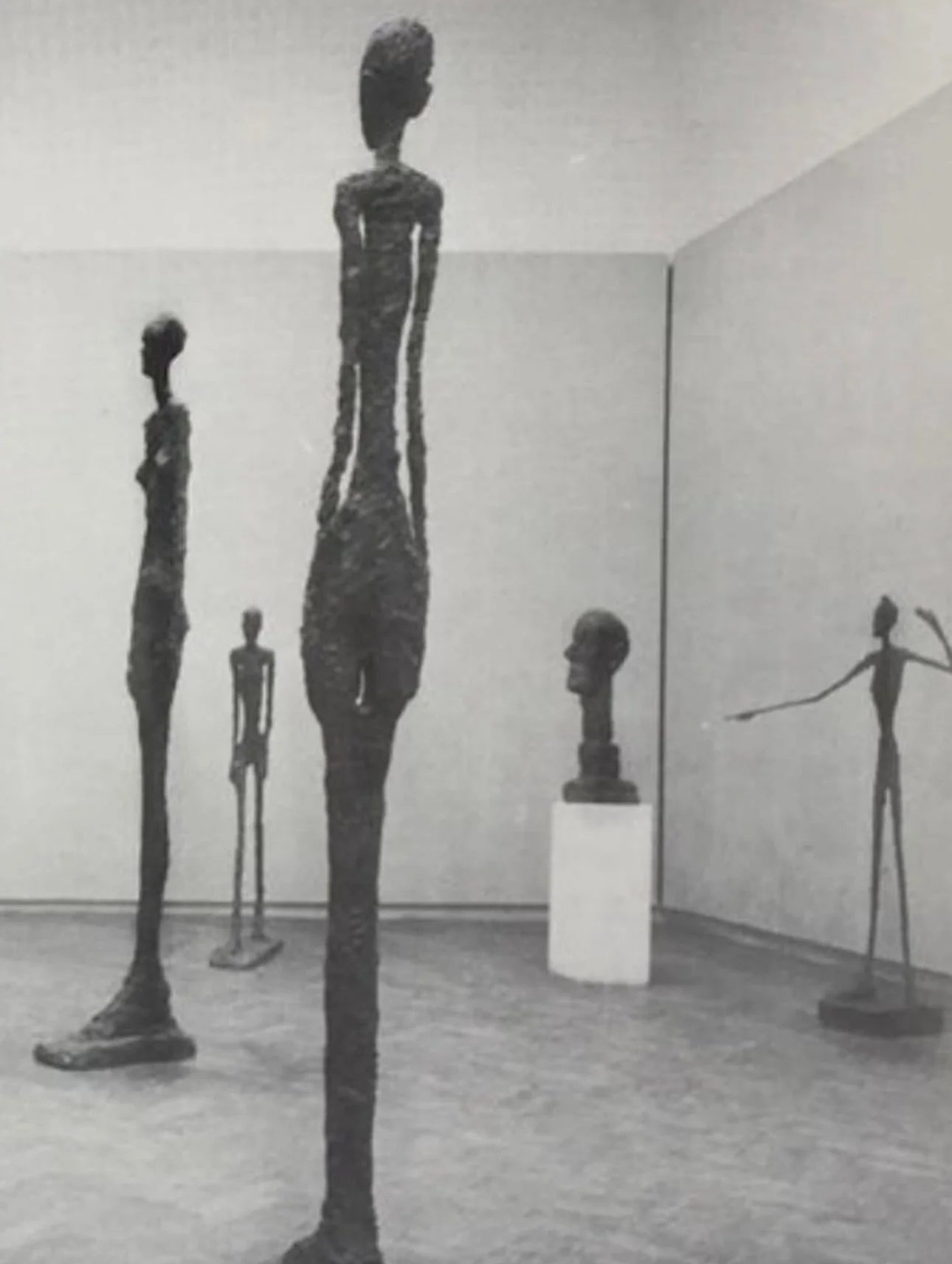
Image © — Paolo Monti @fondation_giacometti
Installed in Venice, his sculptures and paintings appeared almost withdrawn from the noise of the period. At a time when abstract expressionism was still dominant and Pop Art was beginning to emerge, Giacometti’s work followed a more solitary path. His elongated figures, spare and eroded, seemed less like representations of the body than evidence of human presence itself
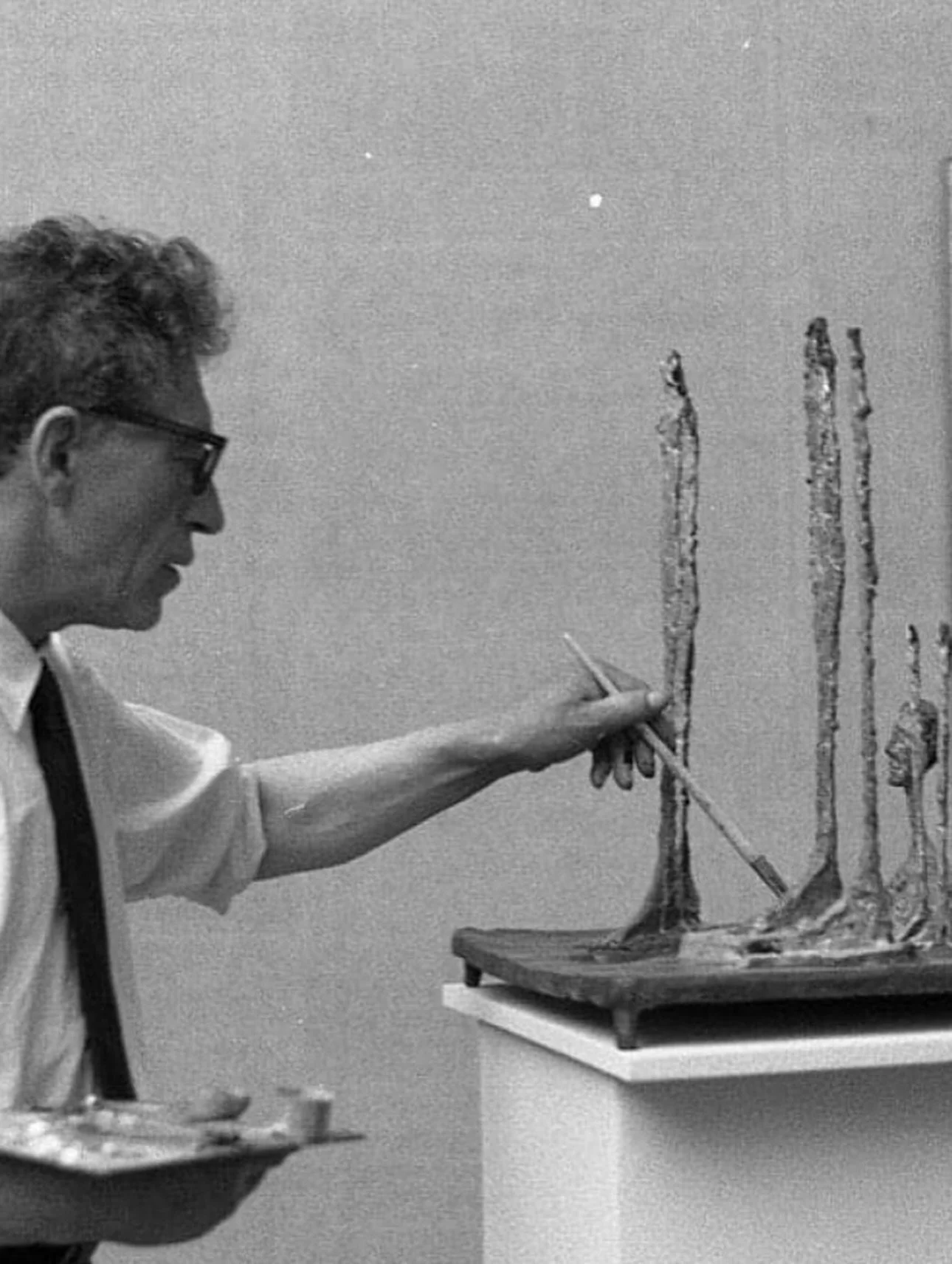
Image © — Paolo Monti @fondation_giacometti
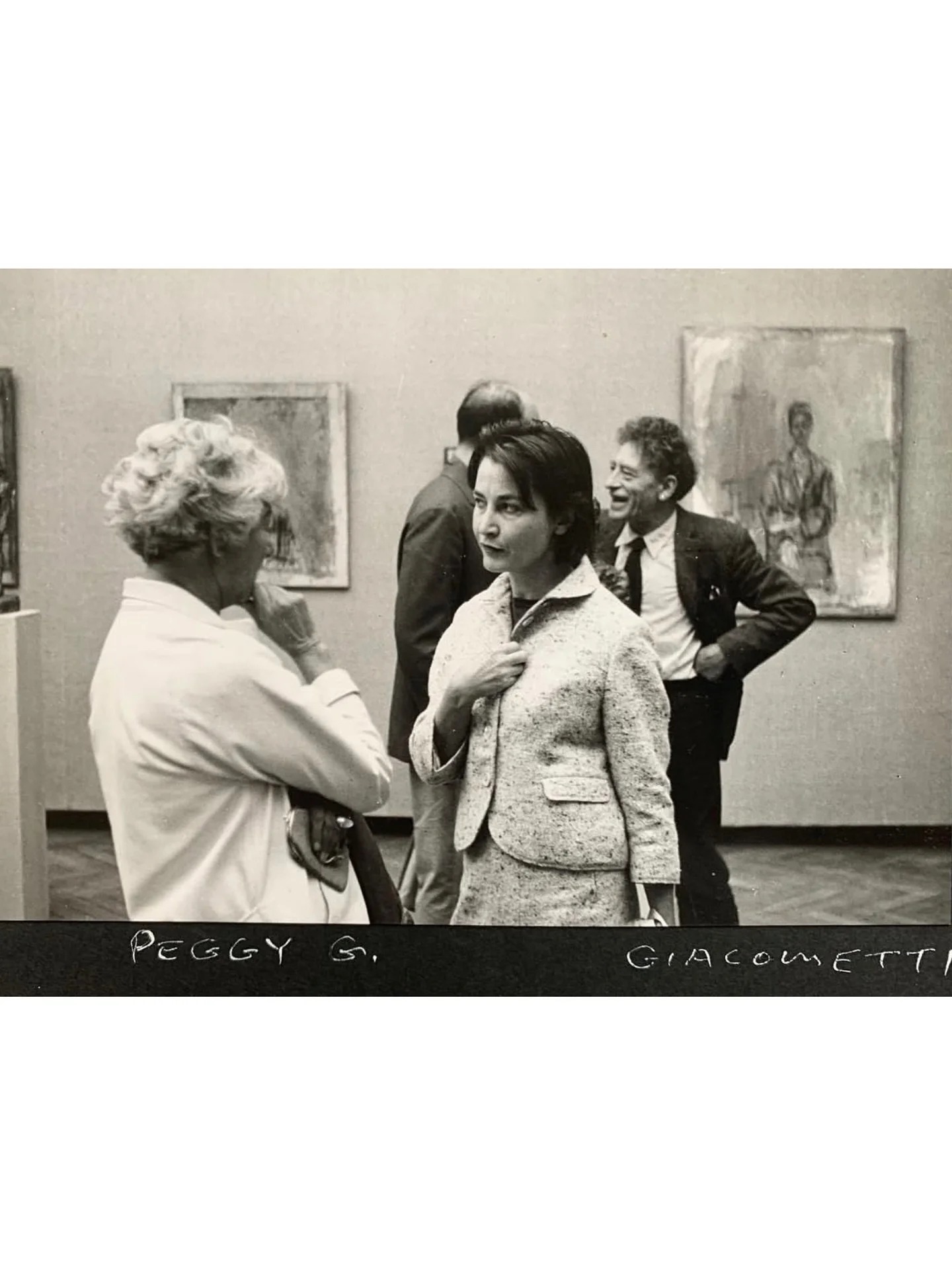
Image © — @fondation_giacometti
What made the exhibition so powerful was the way his sculptures altered the rooms around them. They did not occupy space in any conventional sense. Instead, their thin, vertical forms intensified the emptiness surrounding them, making the void feel charged, almost architectural. Each figure stood as both fragile and immovable, caught between disappearance and endurance
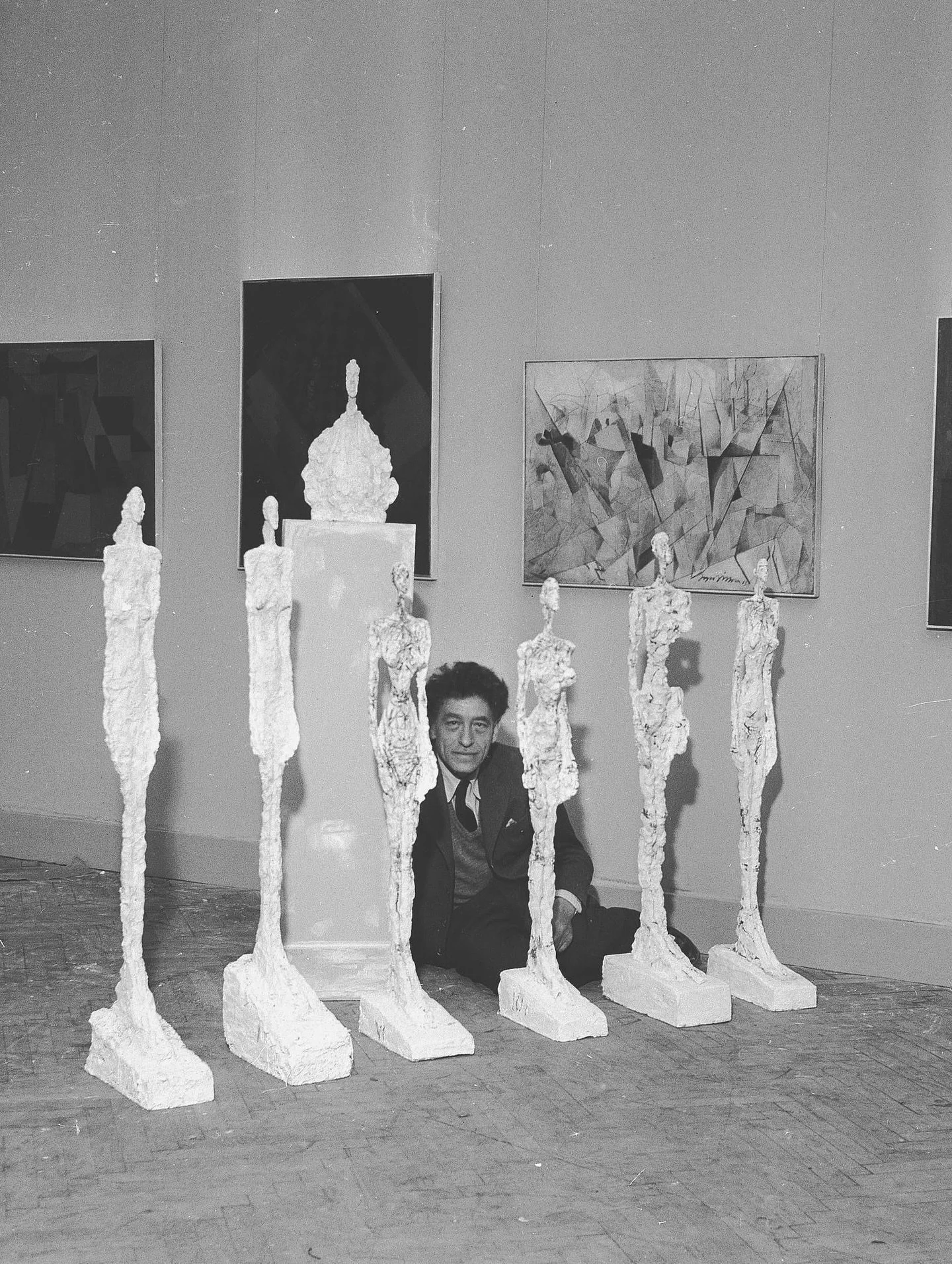
Image © — @fondation_giacometti
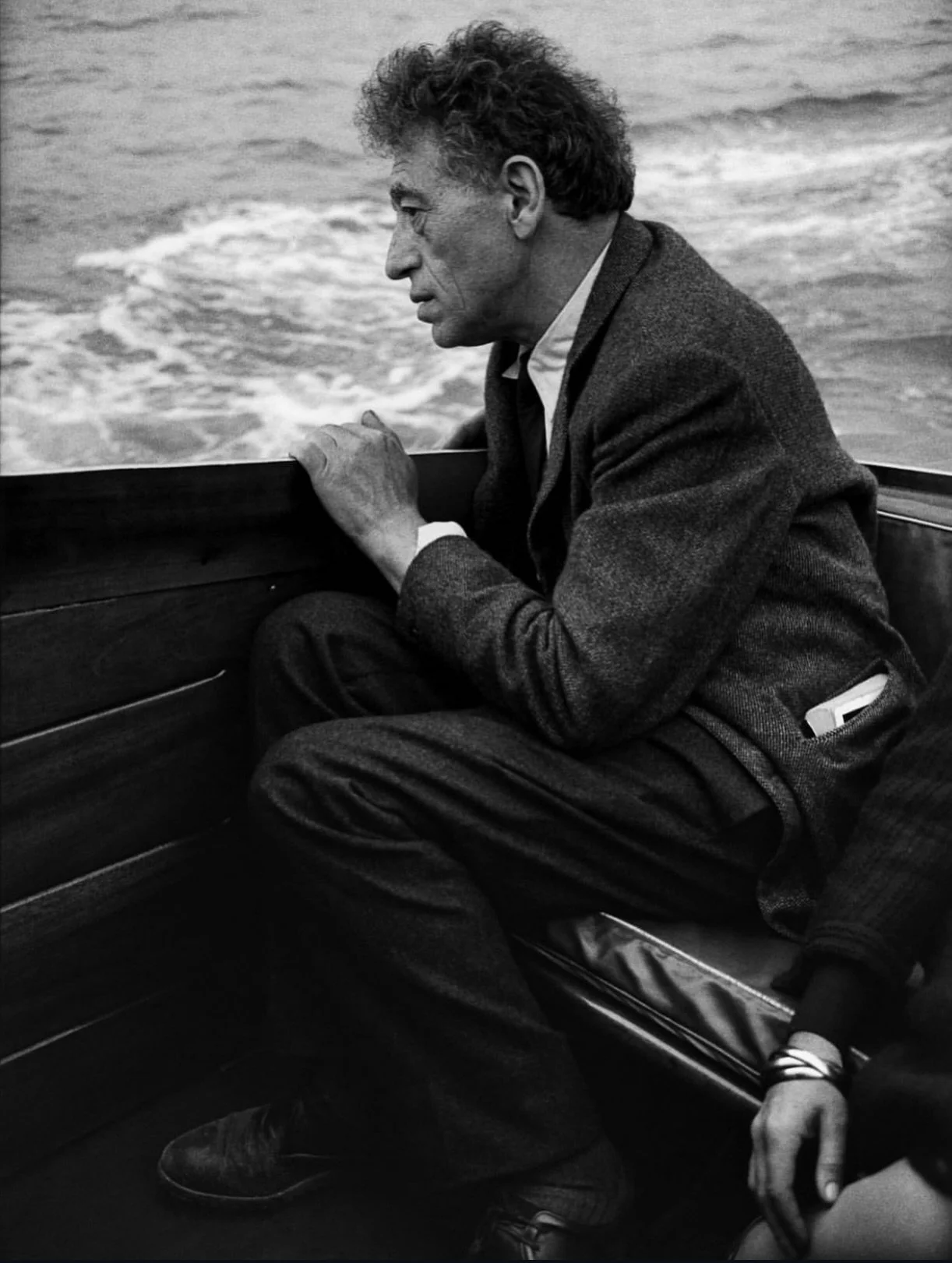
Image © — Ugo Mulas @fondation_giacometti
Fondation Giacometti
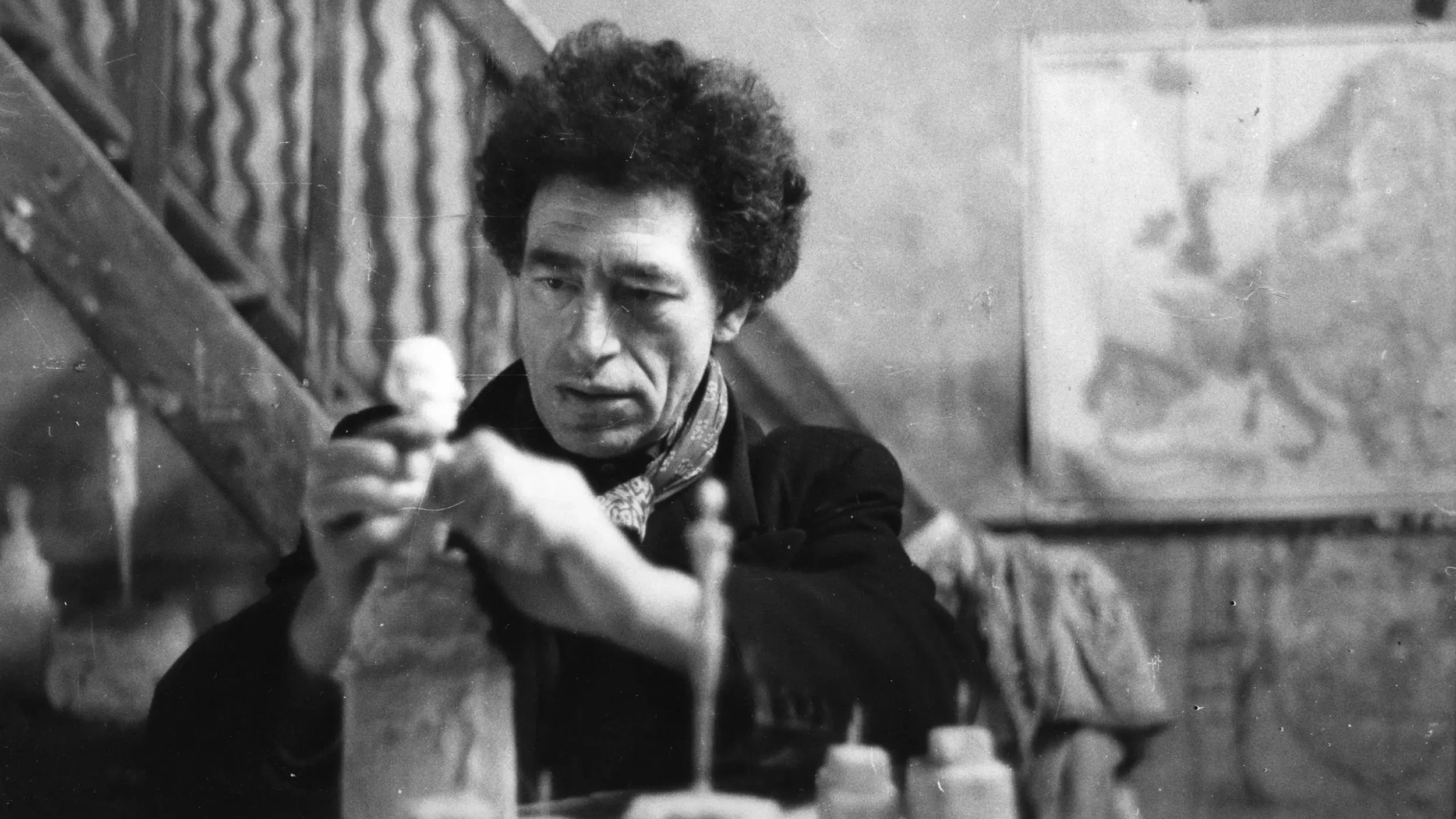
Image © — @fondation_giacometti
Fondation Giacometti
Alberto Giacometti grew up in Switzerland in the Val Bregaglia alpine valley, a few kilometers from the Swiss-Italian border. His father, Giovanni Giacometti (1868-1933) was an impressionist painter esteemed by Swiss collectors and artists. He shared his thoughts with his son on art and the nature of art