

Image © — @adelslimanefecih
ART
A Conversation with Francesco Balzano on TESSUTO
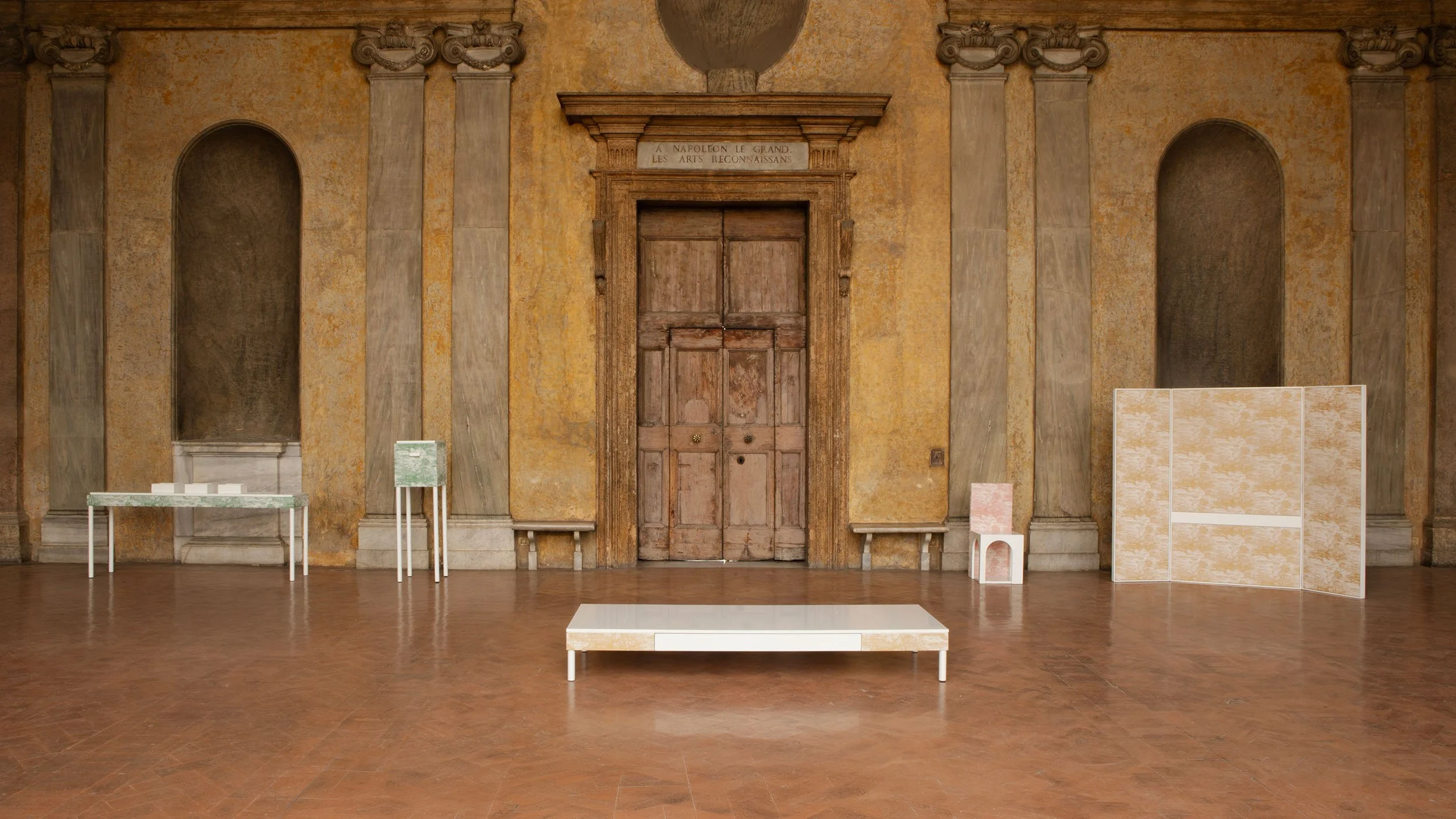
Conceived in Paris and expanded within the walls of Villa Medici, TESSUTO brings together ten pieces as an imagined furnishing for the institution today
Image © — @adelslimanefecih
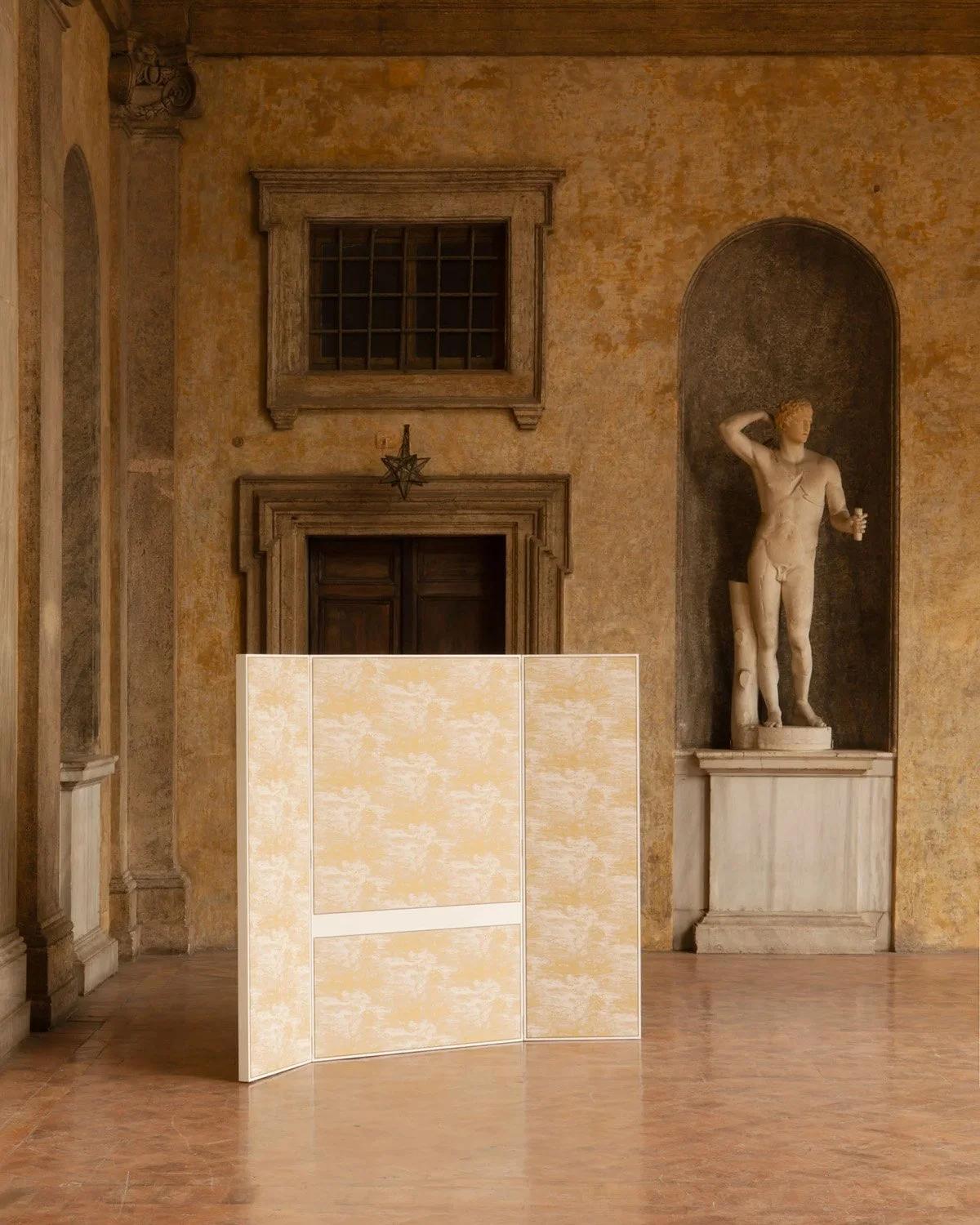
Image © — @adelslimanefecih
Jaq — The Tessuto collection is deeply rooted in your residency at the historic Villa Medici. How did the liminal spaces of the villa—specifically the loggia—dictate the more restrained, airy volumes we see in Tessuto II compared to the weightier Tessuto I?
Francesco — The Villa Medici shifted TESSUTO II toward lightness. While the first pieces, conceived in Paris, carried a more concentrated and weightier presence, the works developed within the Villa responded to its thresholds, its gardens, and the openness of spaces such as the loggia. They became more restrained and airy, less about occupying space heavily and more about holding a dialogue with architecture, light, and memory
Jaq — There is a beautiful, quiet friction in this collection between rigorous, absolute architectural forms and the rich, narrative surfaces of the Rubelli jacquards. What drew you to explore this specific duality between structure and textile?
Francesco — The duality comes from the way TESSUTO places architectural restraint against textile narrative. The hand-lacquered forms remain controlled, almost absolute, while the Rubelli jacquards introduce pastoral and ornamental motifs that recall Toile de Jouy, the Villa’s gardens, and the imagined bosco of Ferdinando I de Medici
Rather than treating textile as decoration, the collection uses it as a second architecture: a woven surface where memory, landscape, and narrative enter the object. The lacquer gives the pieces silence and clarity; the textile gives them atmosphere
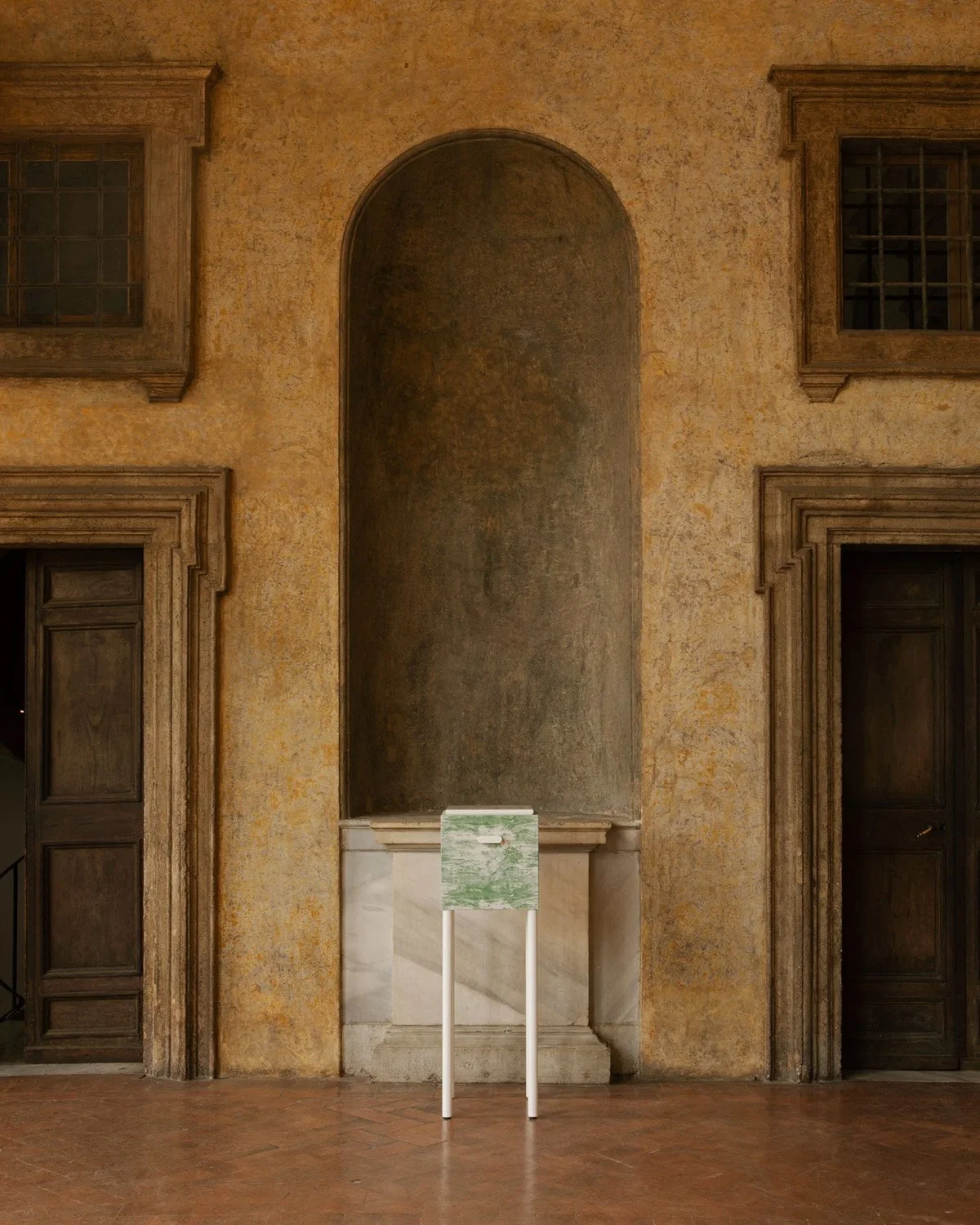
Image © — @adelslimanefecih
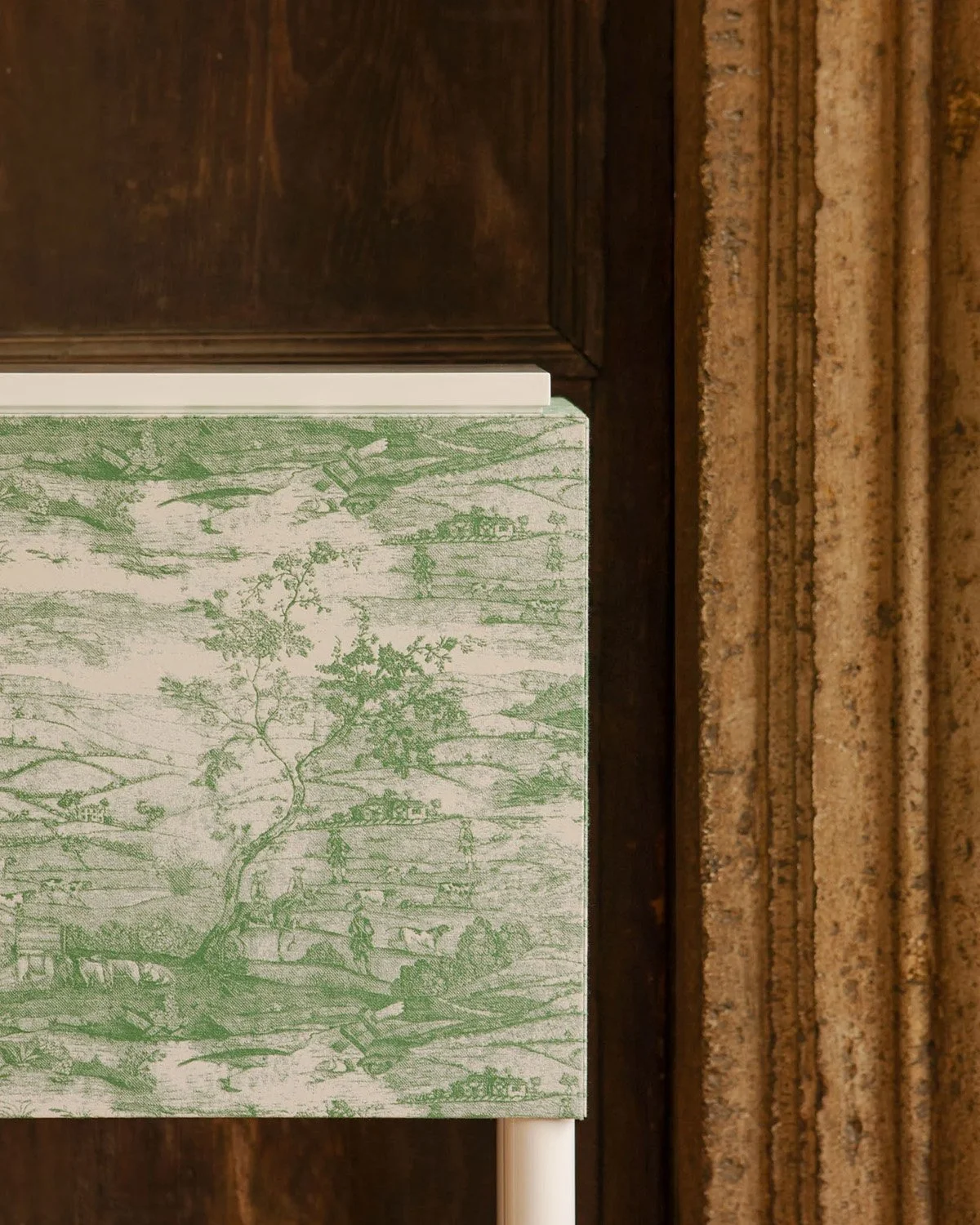
Image © — @adelslimanefecih
Jaq — True minimalism is often the most technically unforgiving; when a design is highly refined, there is nothing that can be hidden or taken away. What were the greatest challenges in translating these romantic, historical concepts into physical reality with the artisans?
Francesco — The real challenge was to preserve the purity of the joins between the fabric-wrapped wooden panels, while ensuring their assembly fully respected the beveled angles. I wanted the junction lines to remain fine—like a pencil line—expressed through the natural shadow between two planes of fabric
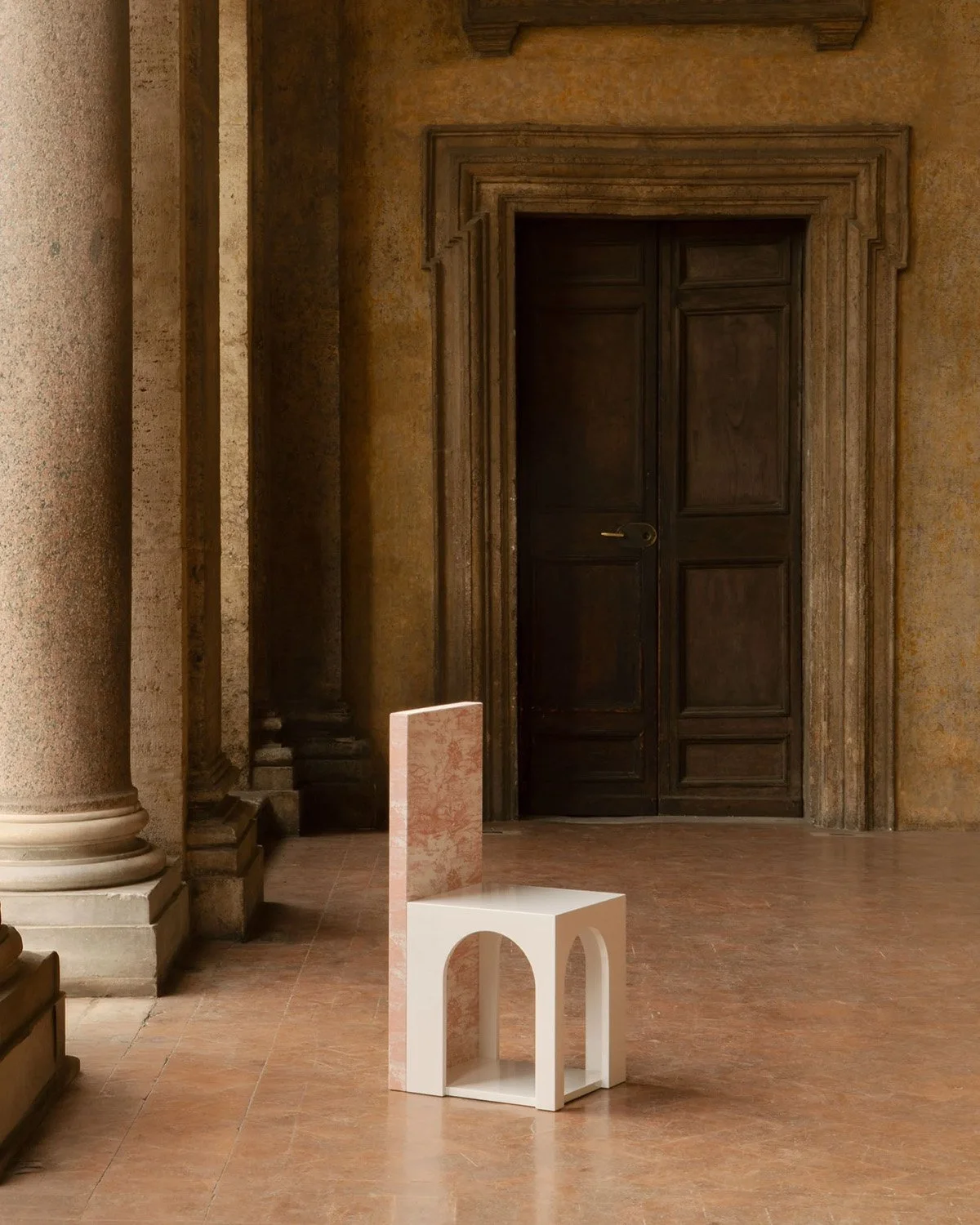
Image © — @adelslimanefecih
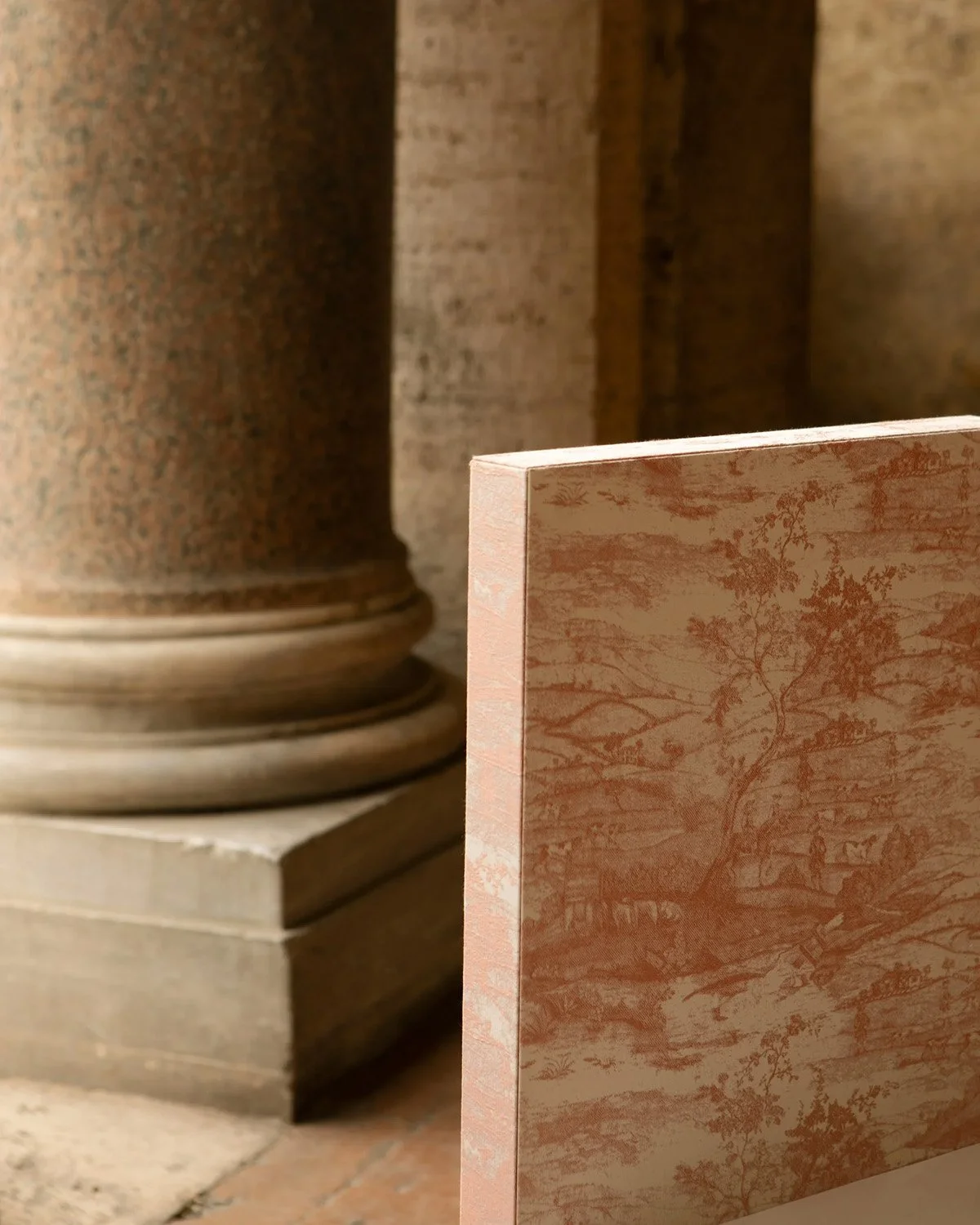
Image © — @adelslimanefecih
Jaq — The chromatic palette of the fabrics—the light greens, pale pinks, and soft yellows—was drawn directly from the atmosphere of the Villa Medici. How important is it to you that your furniture acts as a "carrier of place" even when removed from that original context?
Francesco — The complete collection is imagined as a tribute to the work of BALTHUS and Richard PEDUZZI as directors of the Academy
It is also an artistic transcription to the bosco and Italian garden of the Villa ( green ), to the light of Rome and its golden sun rays all days ( yellow ), to the feeling of beauty and love I had during this time in Rome, to my Italian roots ( pink )
In a way, the both collections is a way to have a part of Rome and of the Villa in client home
Jaq — Reflecting on your debut Inizio collection from 2024 to now, how has your dialogue with the concepts of monumentality and intimacy evolved?
Francesco — My way of working and of conceiving collectible furniture has not changed. I continue to design my pieces with passion and emotion, as poetic manifestos of a way of living infused with my inspirations and my Italian roots. The connection with the Villa Medici was therefore self-evident, and the character of TESSUTO was born from the simple idea of creating a dialogue between my two cultures: French and Italian
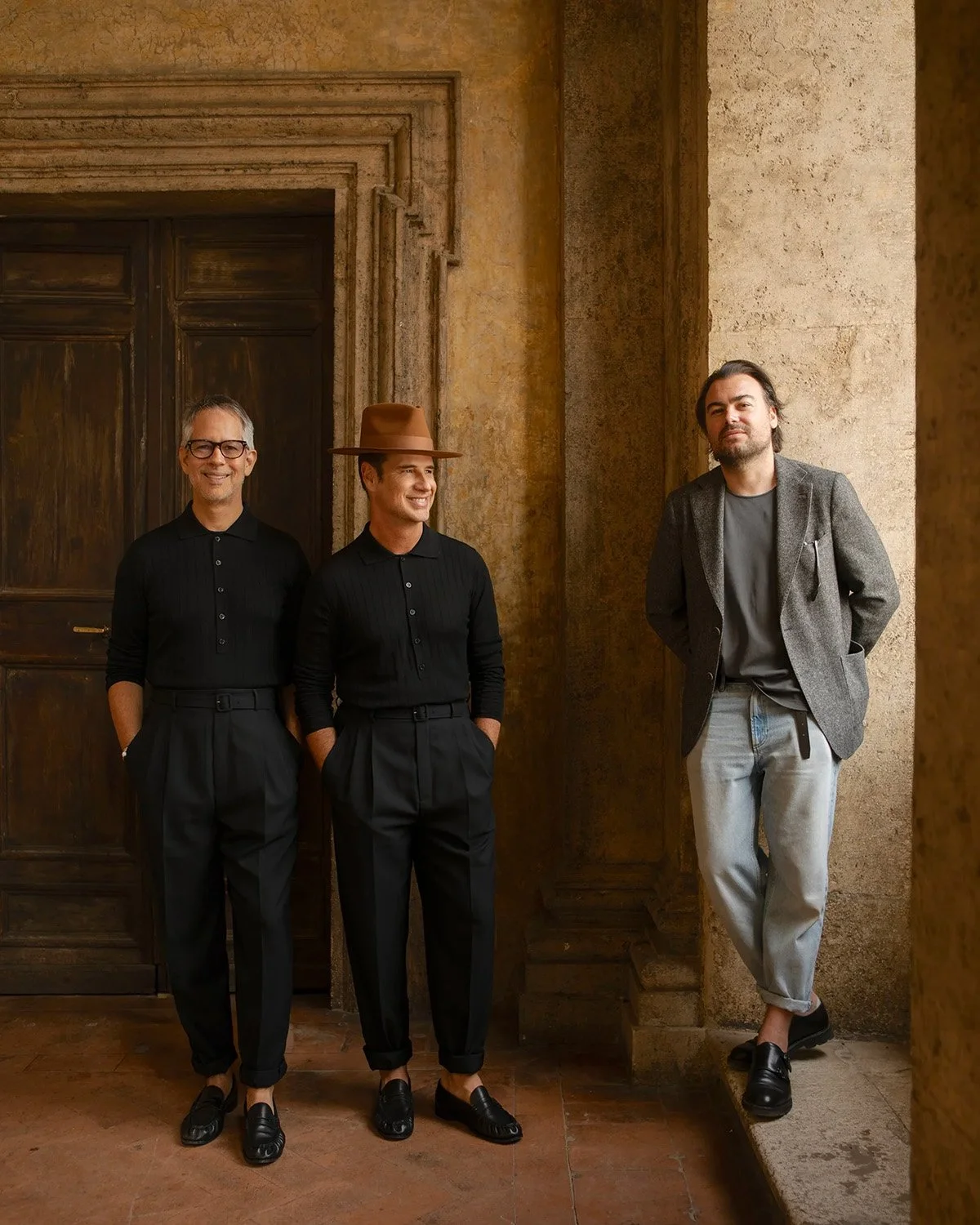
Image © — @adelslimanefecih
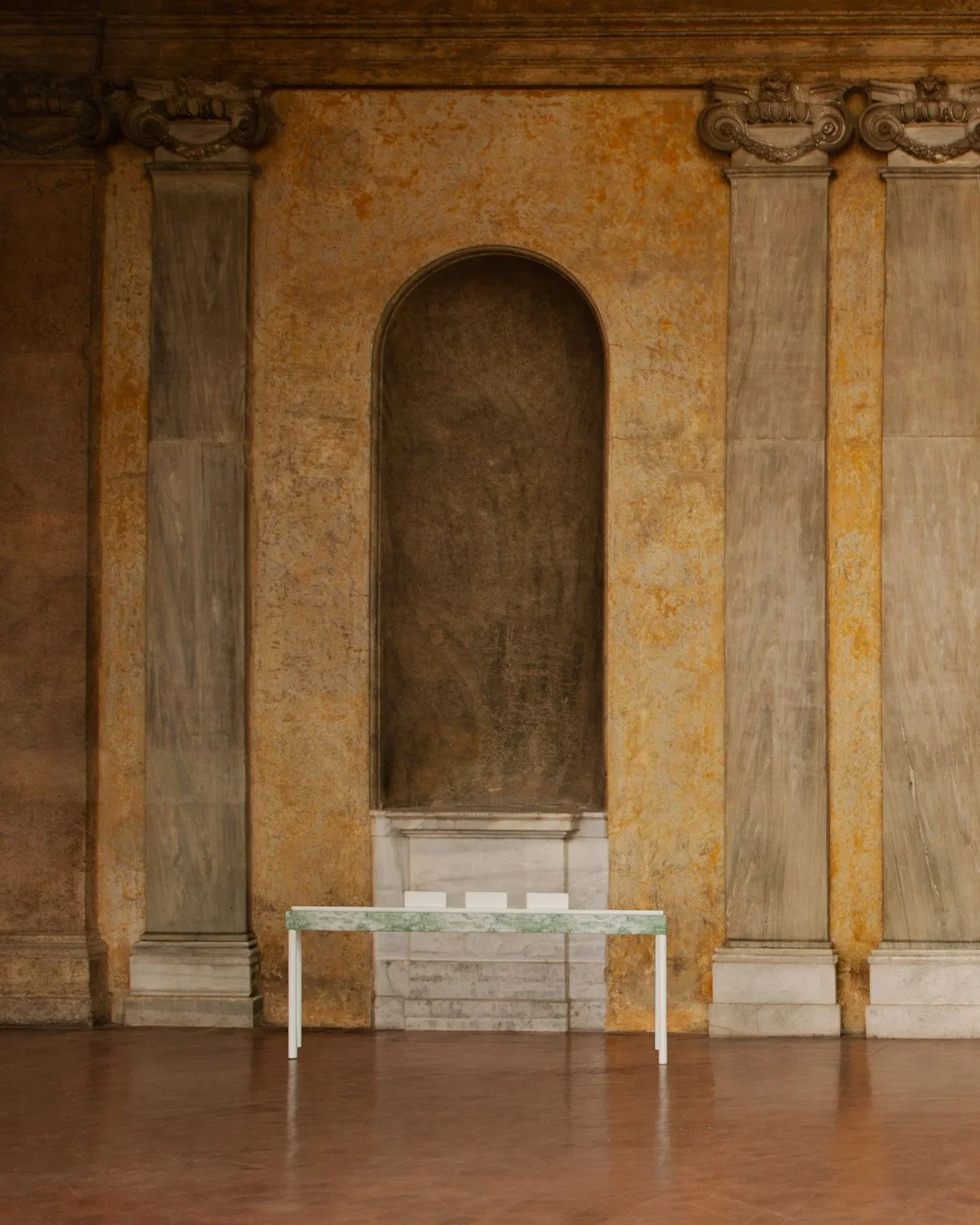
Image © — @adelslimanefecih
Jaq — For the architects and interior designers reading this, how do you envision the TESSUTO pieces interacting within a contemporary, highly curated interior space, rather than a classical one?
Francesco — Both collections have been imagine as one timeless artpiece, between sculpture and architecture
The simplicity of them is the most sophisticated answer I can offer to this wish to say how I am in love with this building and his history
They can live all together or as a fragment of my Rome’s experience in this house of Ferdinand de Medici
STUDIOTWENTYSEVEN
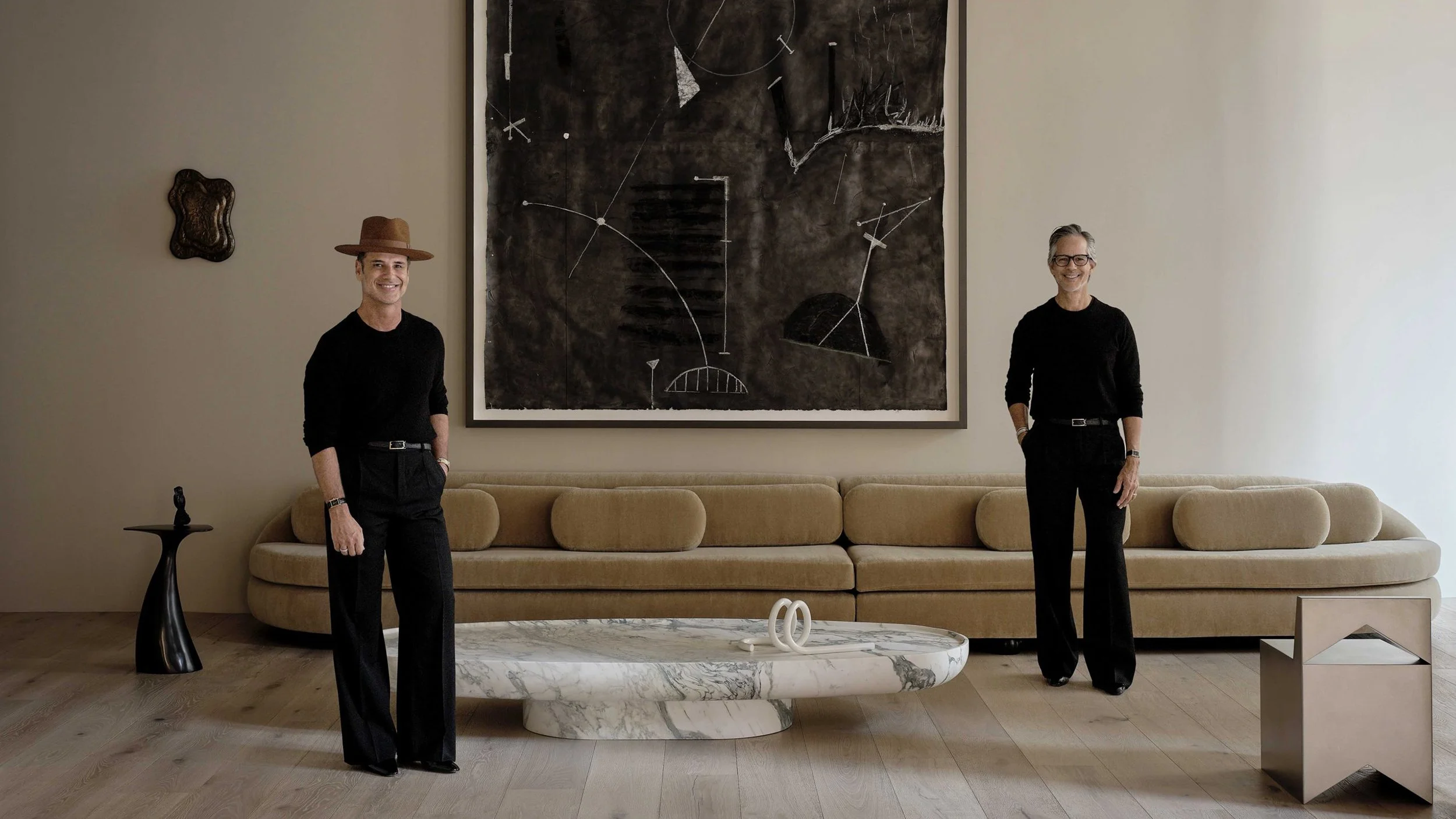
Image © — @studiotwentyseven
STUDIOTWENTYSEVEN
Mindful of New York City’s unique history and the contemporary context of Tribeca’s Textile Building, gallerists Nacho Polo and Robert Onuska have reimagined the 7,000 square foot space at the corner of Church and Leonard Streets for the presentation of works by established and emerging designers and artists represented by STUDIOTWENTYSEVEN
They have personally designed every detail of the sensory journey, shaping light, sight, sound, and touch throughout the interior. The result is an immersive experience that connects aesthetics and emotion