

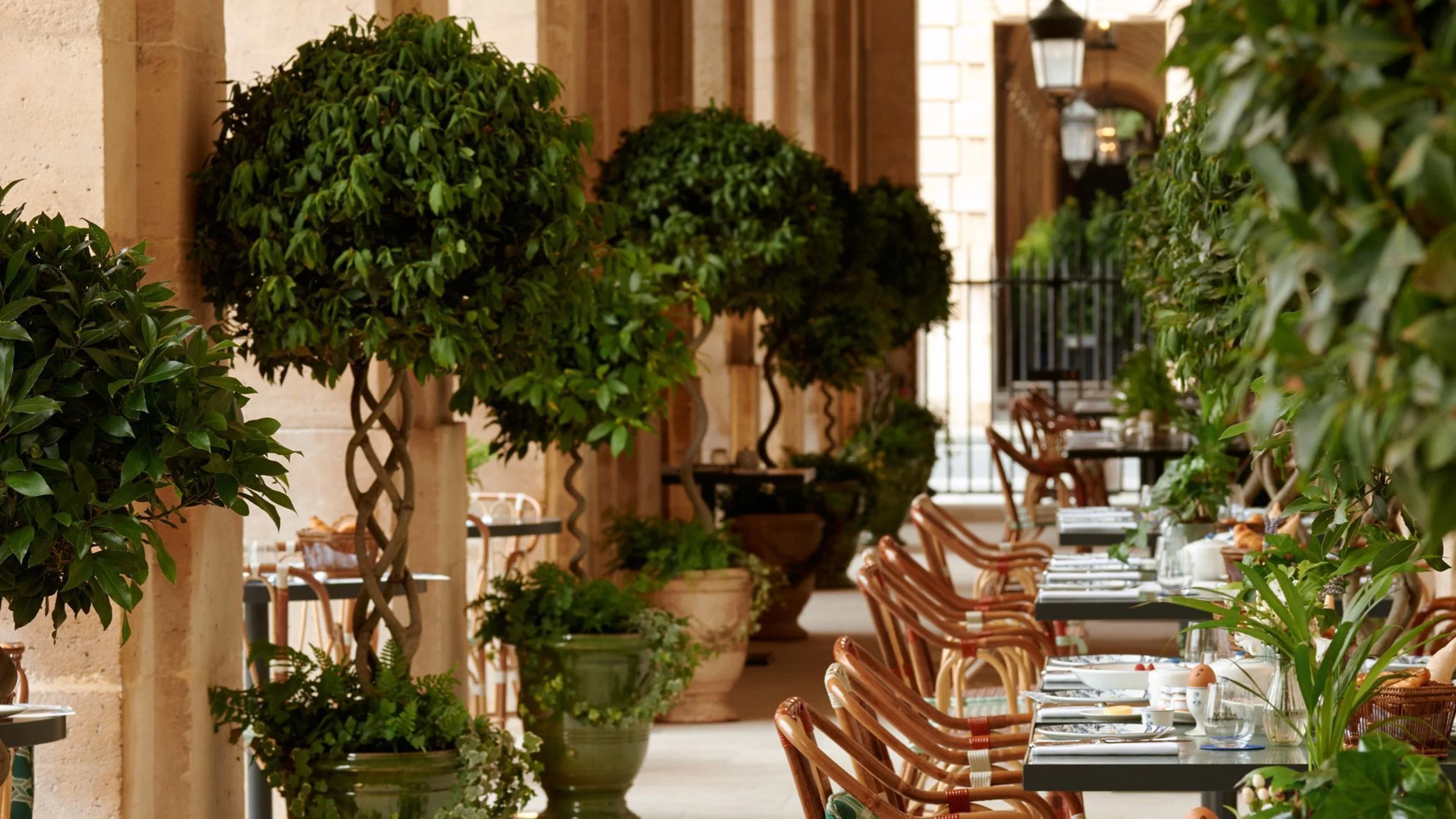
The Café Lapérouse terrace on the Place de la Concorde side
Image © — @francoiscoquerel
CAFÉ & MUSEUM
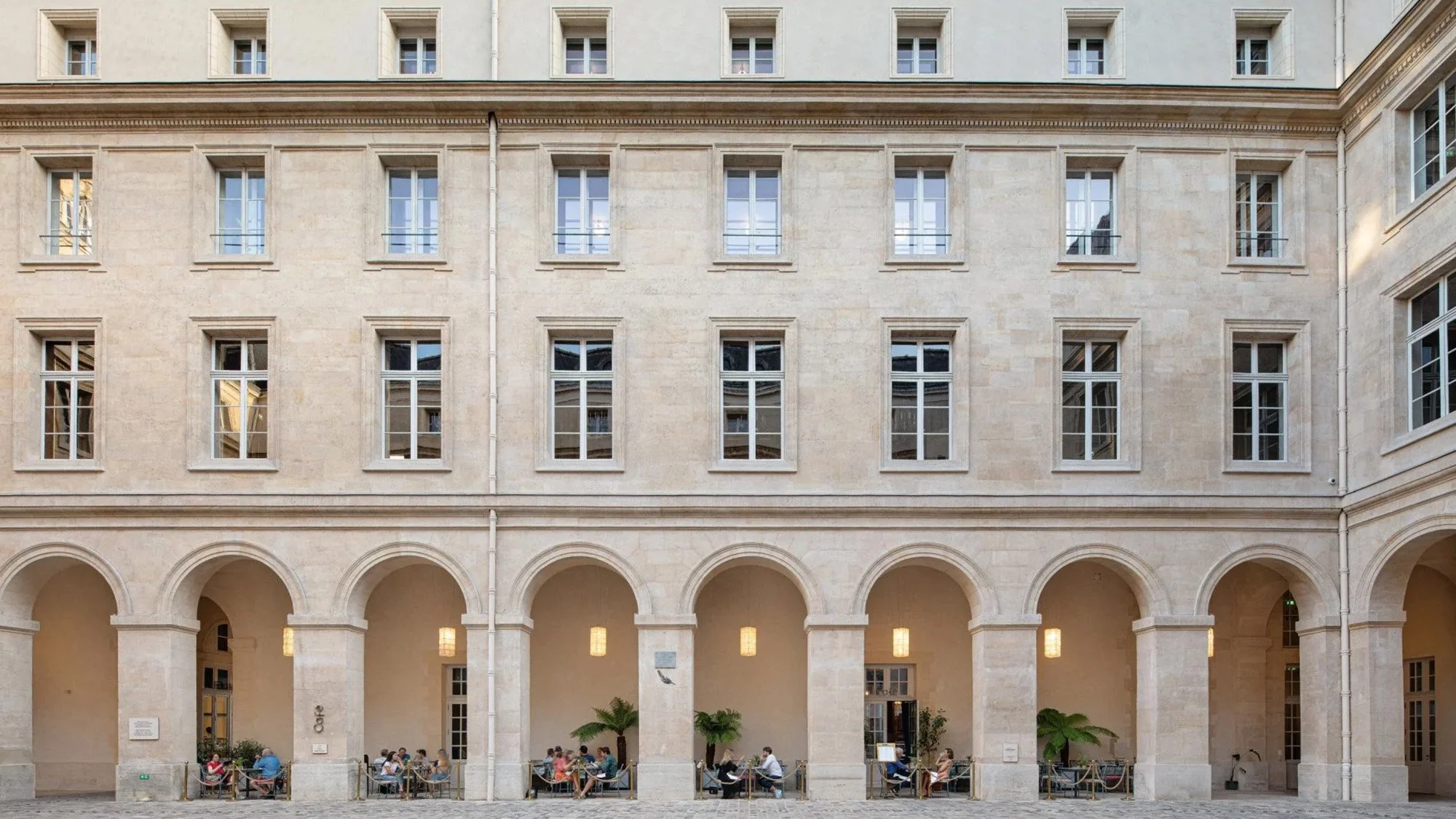
Café Lapérouse Charts a Maritime Course Through the Hôtel de la Marine
Cordélia de Castellane transforms the Parisian landmark into an imagined voyage of ocean blues, tropical florals and Art Deco detail
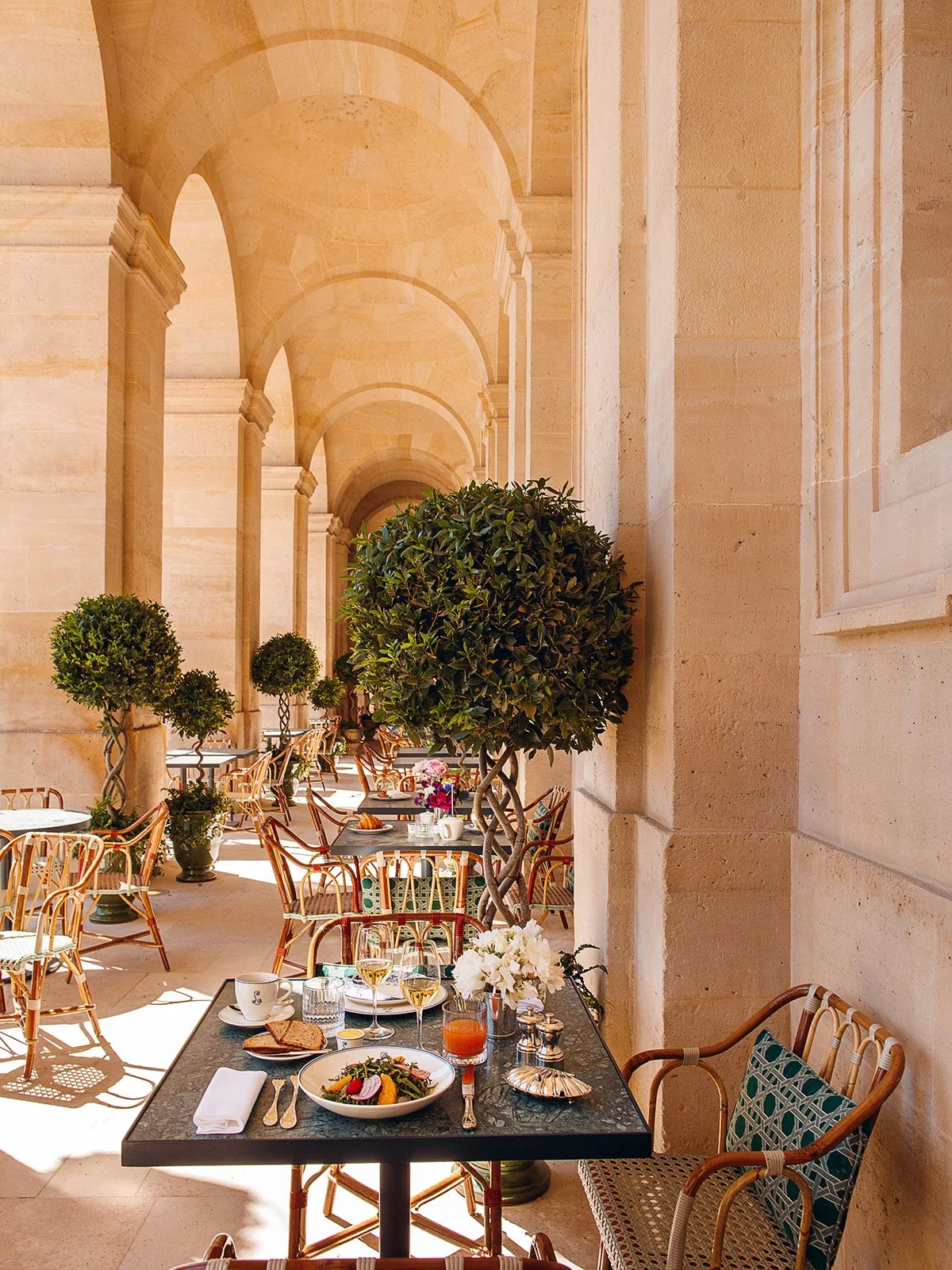
The art of the table, Café Lapérouse style
Image © — @cafelaperouse_paris
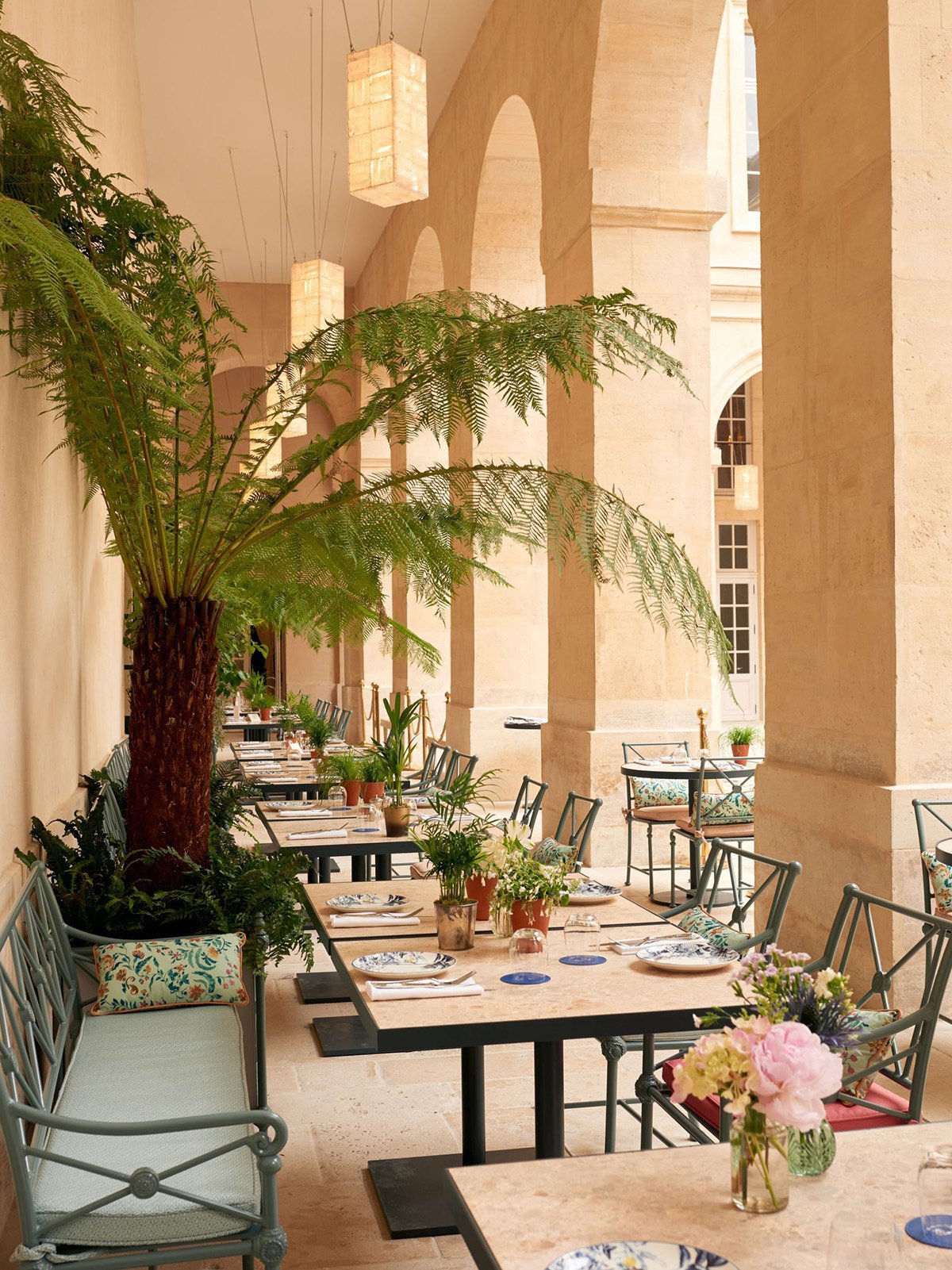
The Café Lapérouse terrace on the Cour d’Honneur side
Image © — @francoiscoquerel
On Quai Voltaire in Paris, directly opposite the Louvre, Galerie Chenel presents antiquity within a distinctly contemporary setting. Founded in 1999, the family-run gallery is driven by a long-standing passion for sculpture and specialises in archaeological objects, with particular emphasis on Roman art. Rather than treating ancient works as distant historical artefacts, the gallery gives them space to be encountered as objects of form, material and presence
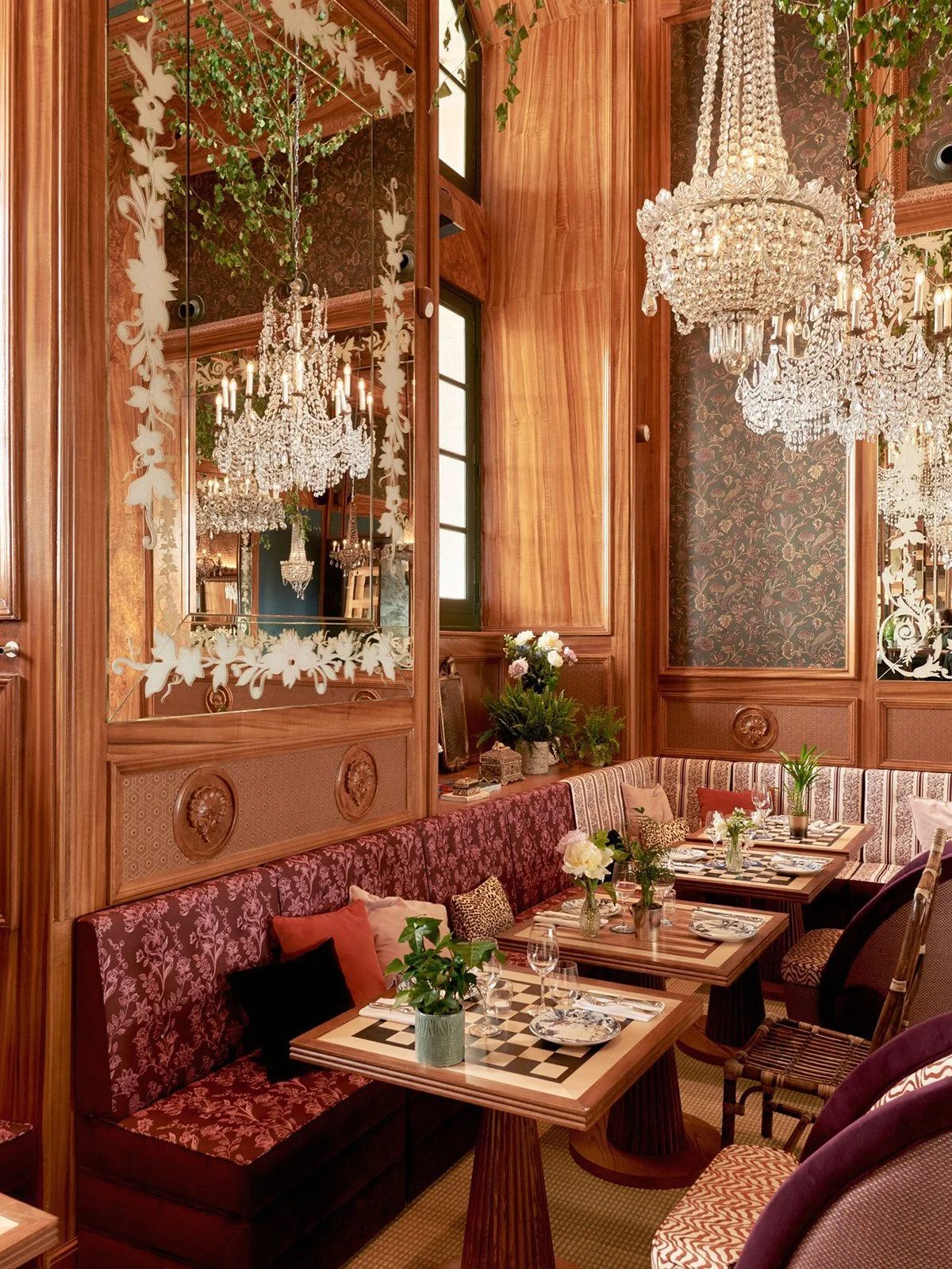
The Orient Room decorated by Cordelia de Castellane
Image © — @francoiscoquerel
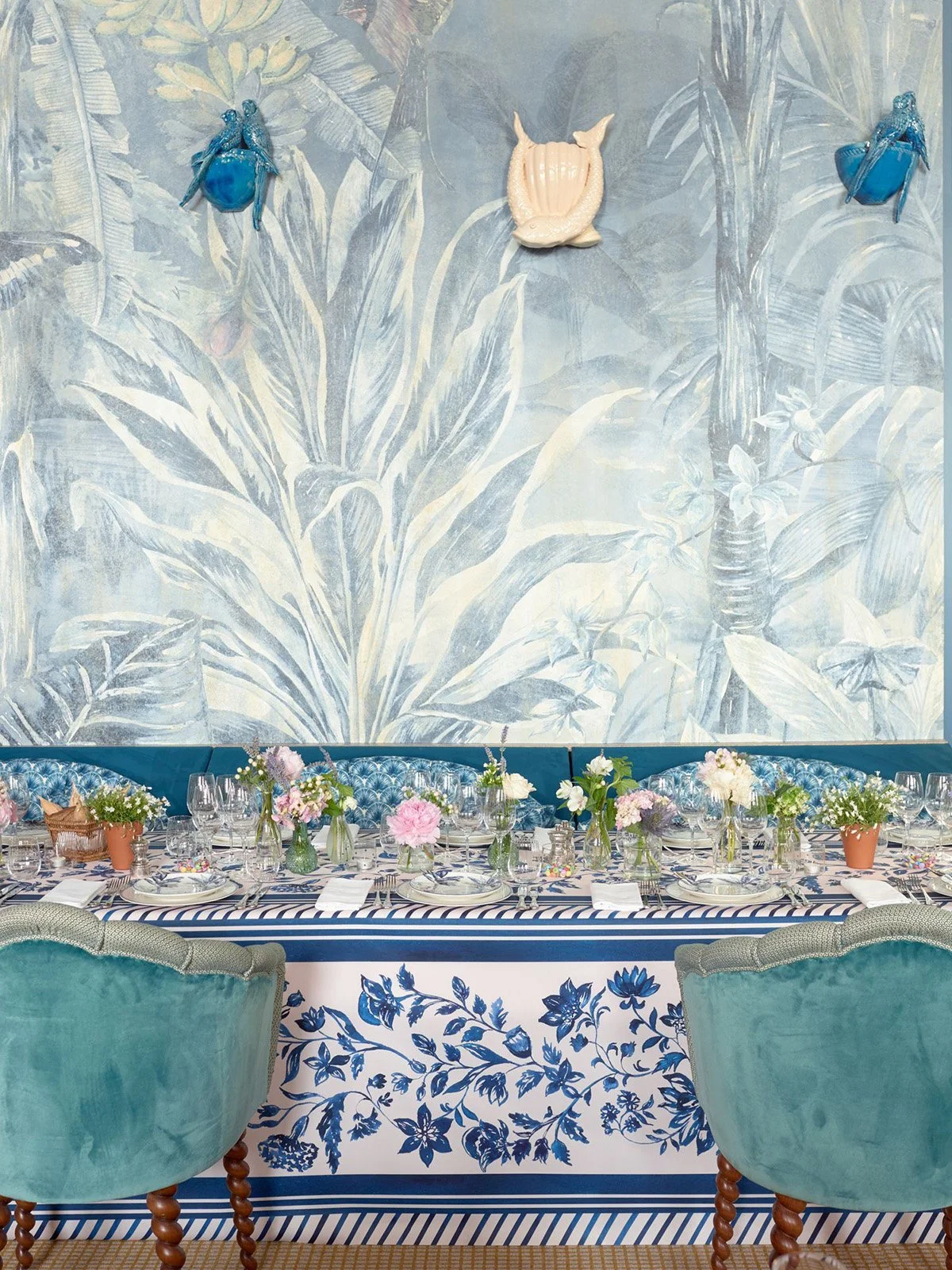
The mural in the Navigator's Lounge
Image © — @francoiscoquerel
The exhibition space itself reinforces this approach. Conceived as a restrained setting for antique sculpture, the gallery functions almost as a shrine, where clean architectural lines and carefully controlled displays allow fragmented torsos, carved heads and marble figures to stand apart from the density of their historical context. The result is a dialogue between antiquity and contemporary presentation, revealing how radically modern ancient sculpture can still appear
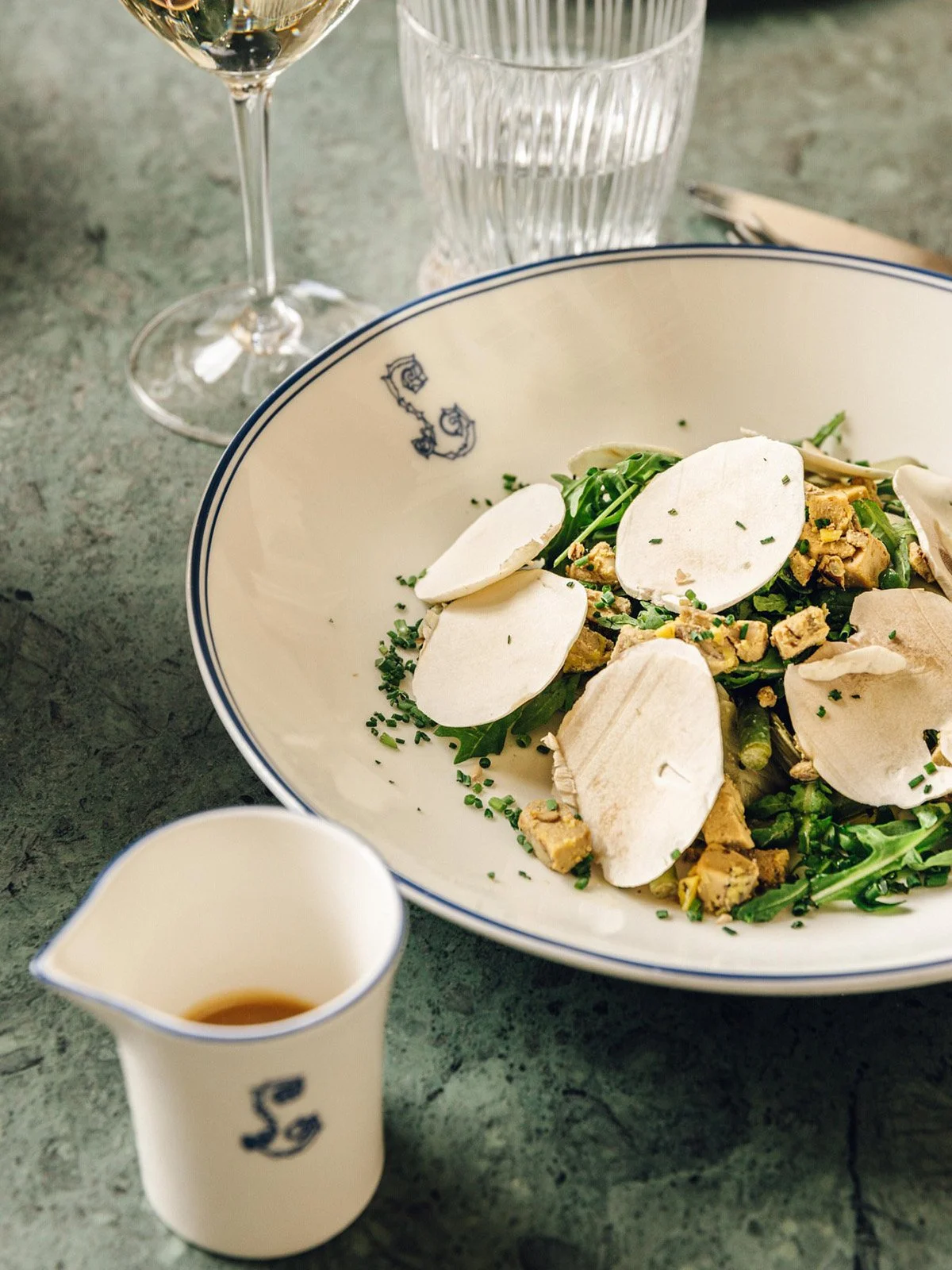
Lunch, the Parisian way
Image © — @cafelaperouse_paris
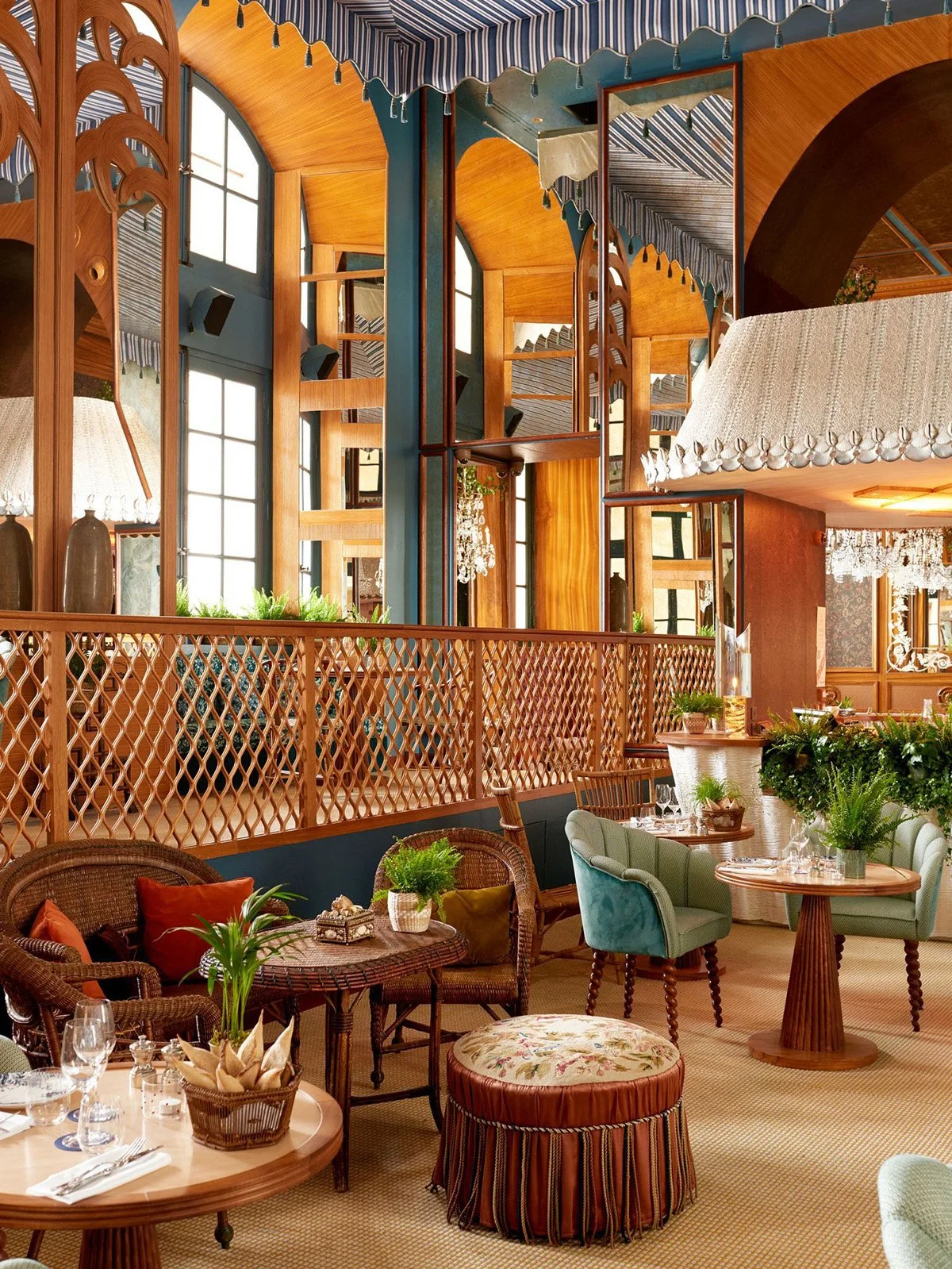
The Navigator's Salon, decorated by Cordelia de Castellane
Image © — @francoiscoquerel
Galerie Chenel has grown into an international presence, organising thematic exhibitions in Paris while participating in major fairs including Frieze Masters London, TEFAF New York and TEFAF Maastricht. Its clientele extends from museum curators and established collectors to decorators and art lovers, reflecting the gallery's position between scholarship, connoisseurship and the interiors in which ancient objects increasingly find new lives
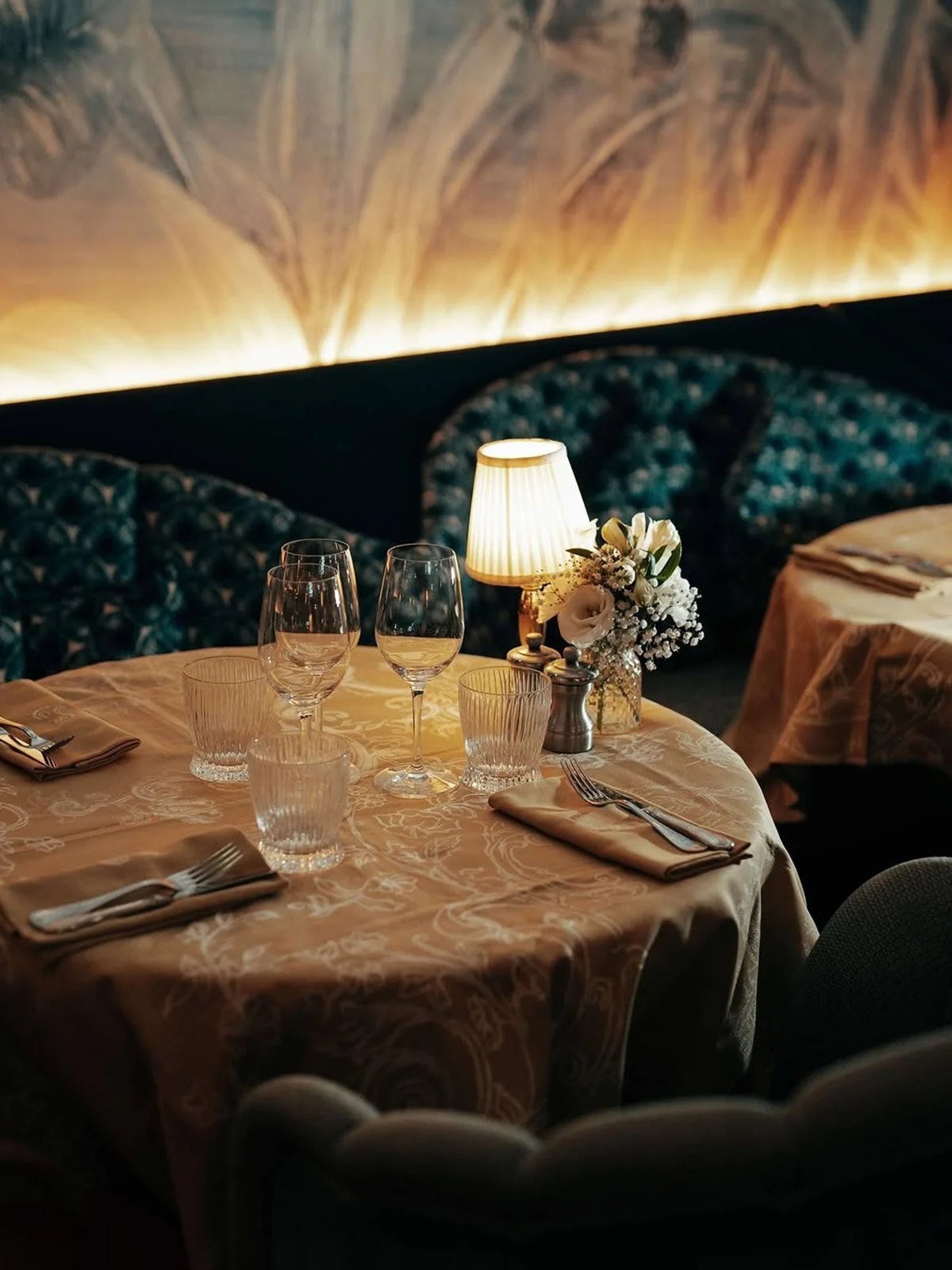
Evening setting at Café Lapérouse
Image © — @cafelaperouse_paris
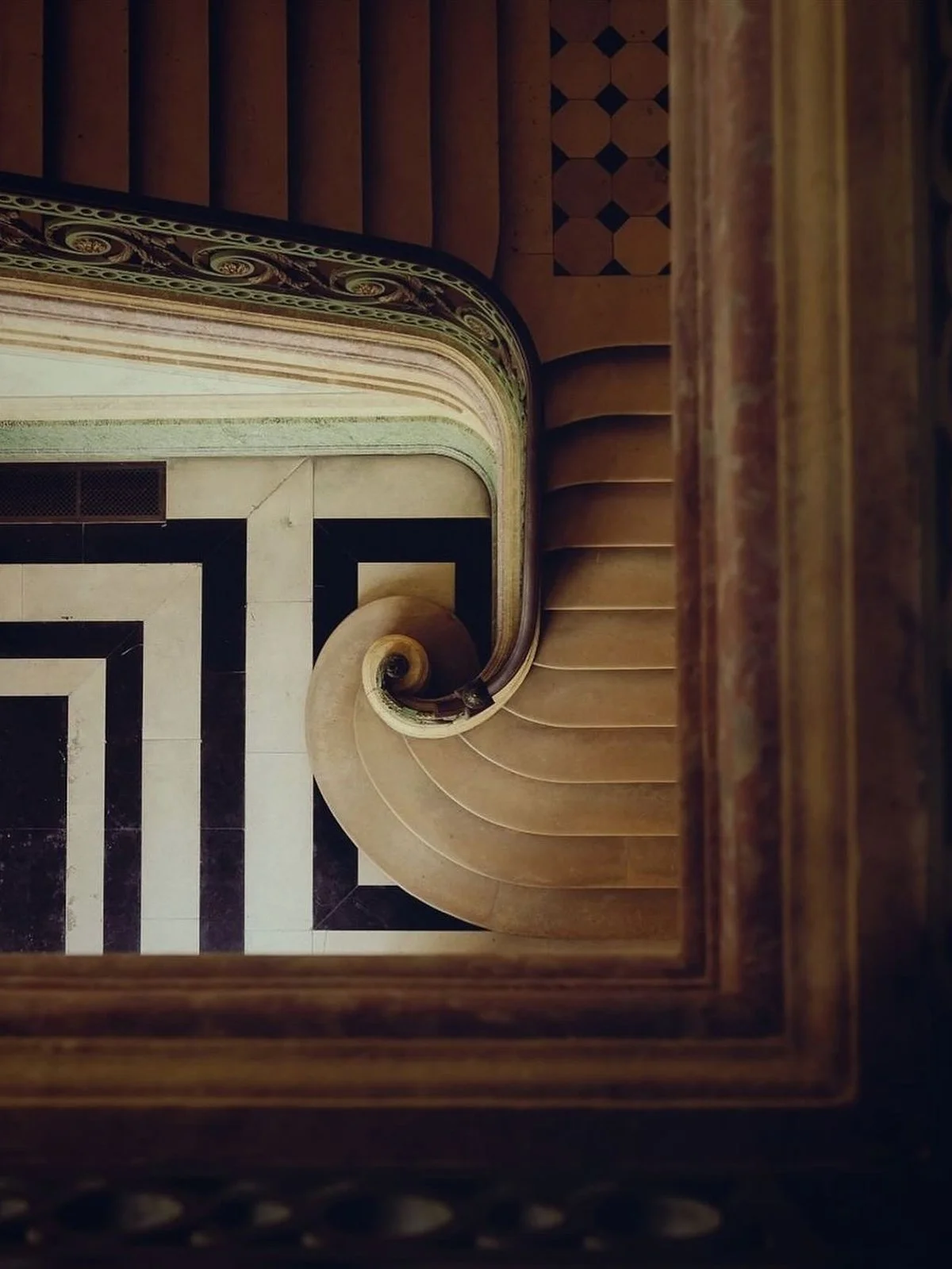
The Grand Staircase at the Hôtel de la Marine an 18th-century neoclassical architectural masterpiece designed by Ange-Jacques Gabriel
Image © — @alixelay
Central to the gallery's work is a rigorous emphasis on provenance, expertise and authenticity. This focus has supported acquisitions by some of the world's leading institutions, including the Louvre Museum, The Metropolitan Museum of Art, the British Museum and the Museum of Fine Arts, Boston. The gallery is also a member of the Syndicat National des Antiquaires and the International Association of Dealers in Ancient Art
What distinguishes Galerie Chenel, however, is not simply access to important archaeological material. It is the clarity with which these works are presented. In a white, minimal Parisian space, Roman sculpture is stripped of theatrical museum convention and allowed to exist through proportion, surface and age. The gallery's strength lies in that restraint: ancient objects, shown with enough confidence to speak entirely for themselves
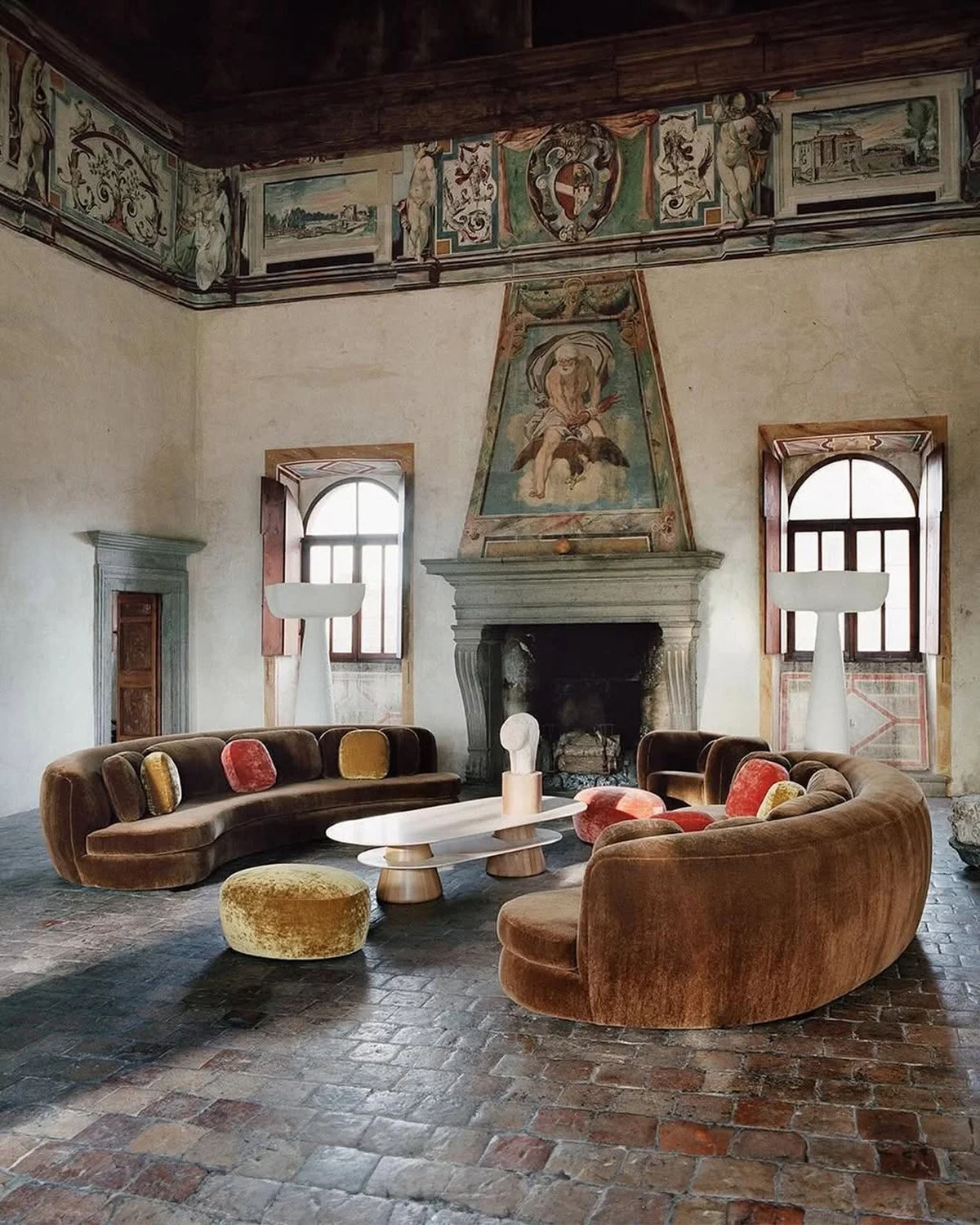
At Castello di Montecalvello, Pierre Augustin Rose Finds a Softer Language of Stone and Velvet
—
Inside an 11th-century castle once restored by Balthus, the French design house adapts its contemporary forms to the weight, texture and silence of the Italian countryside
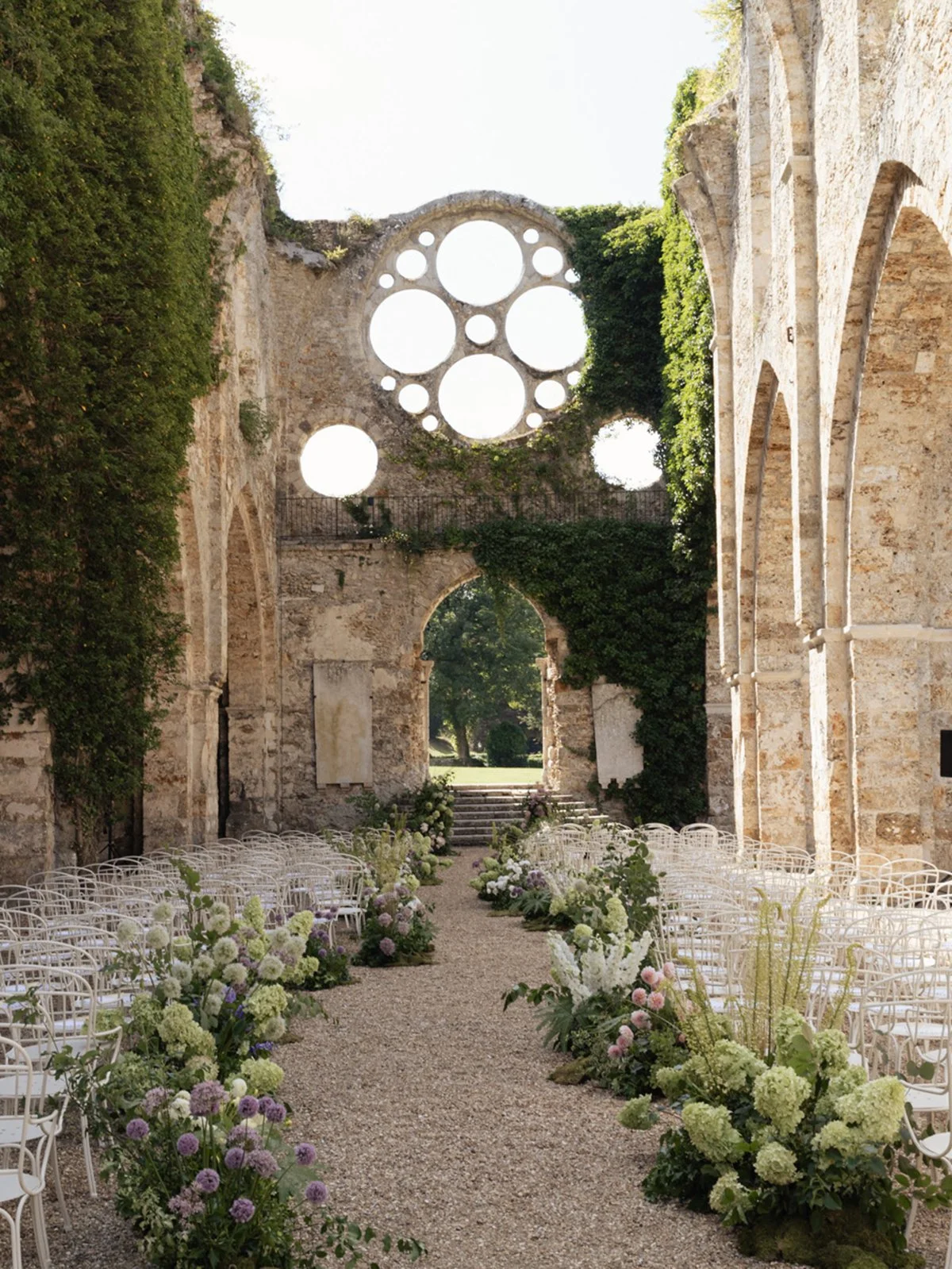
Abbaye des Vaux-de-Cernay Begins a New Chapter Outside Paris
—
Forty-five minutes from the capital, the restored Cistercian abbey has been transformed by Paris Society into an expansive country-house hotel shaped by monastic history, Rothschild ambition and the surrounding forest